About this artwork
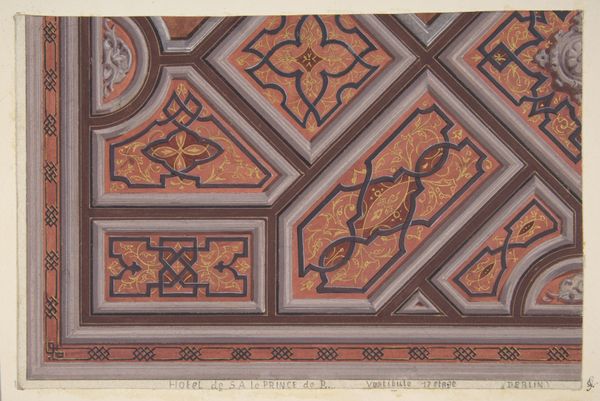
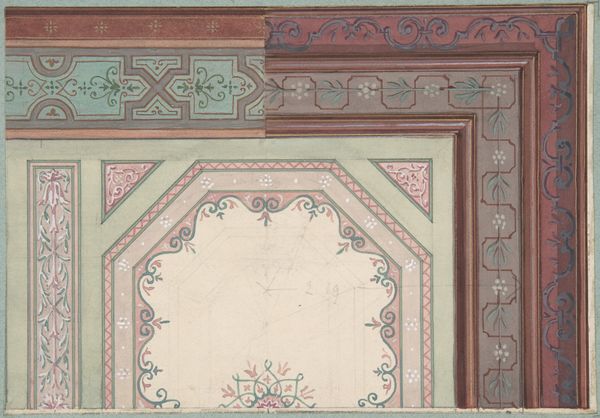
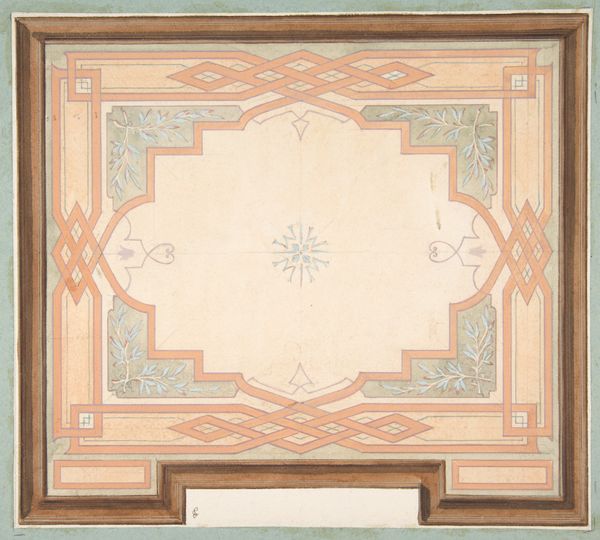
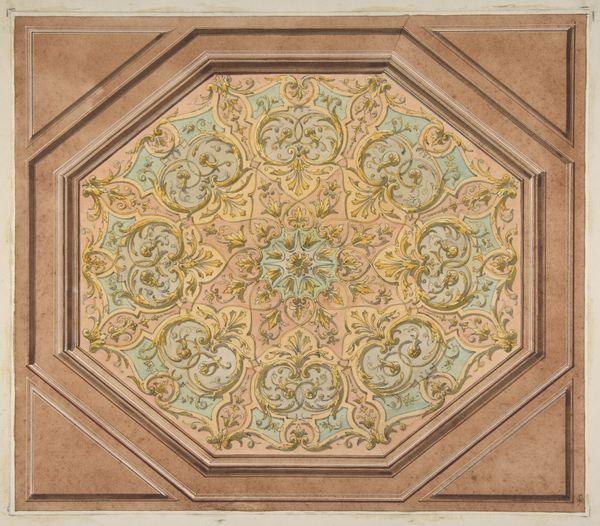
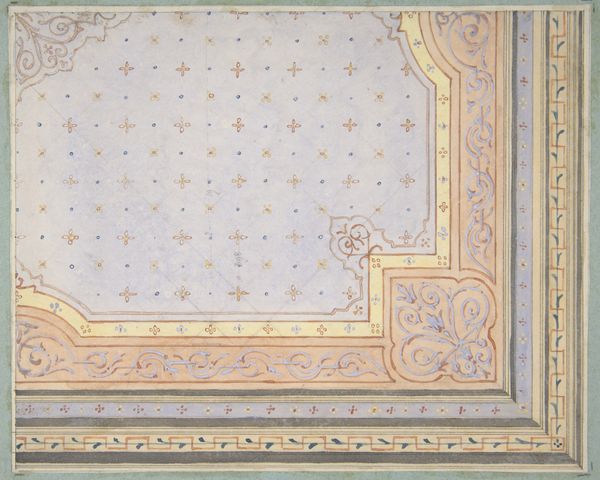
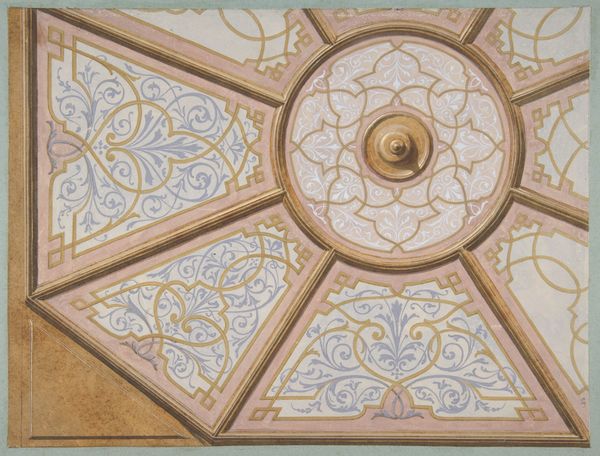
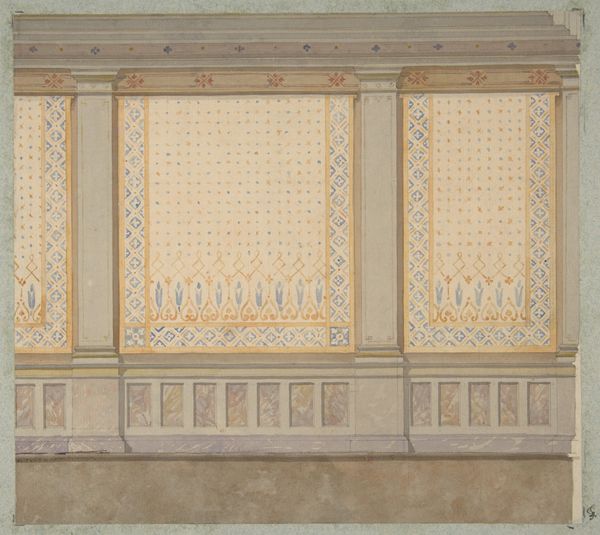
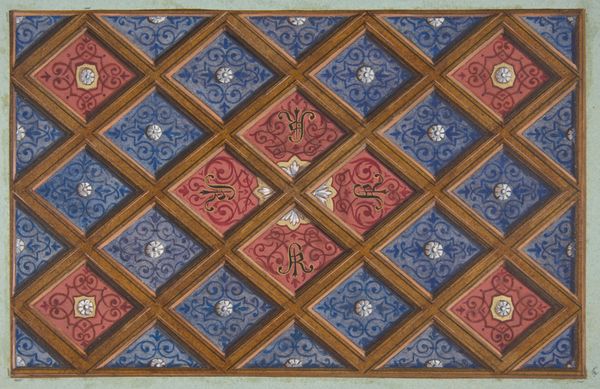
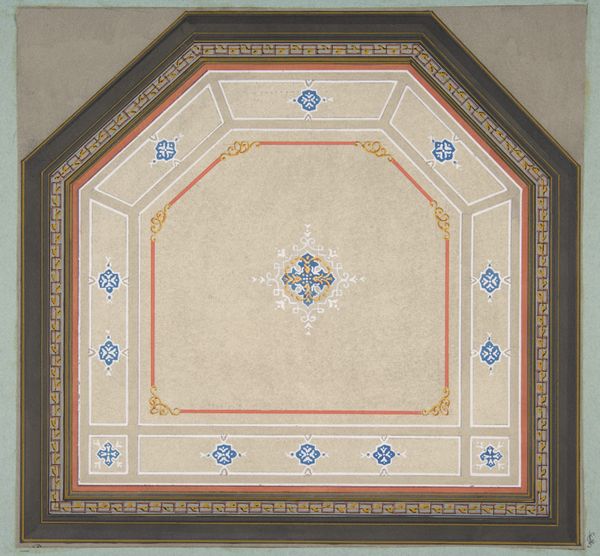
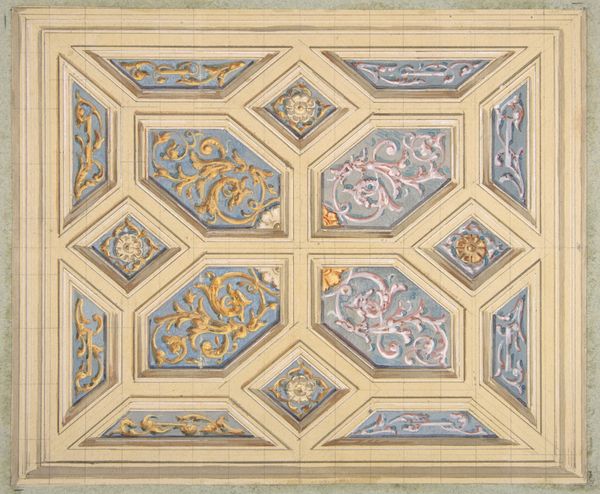
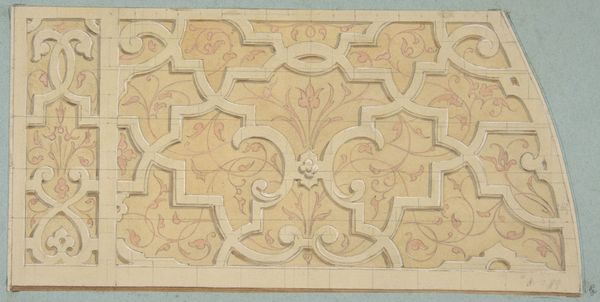
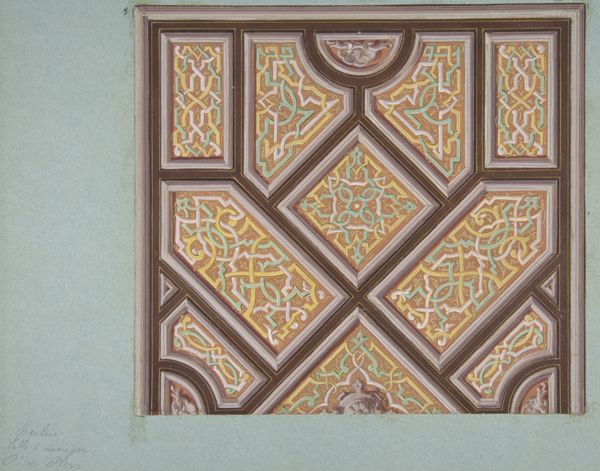
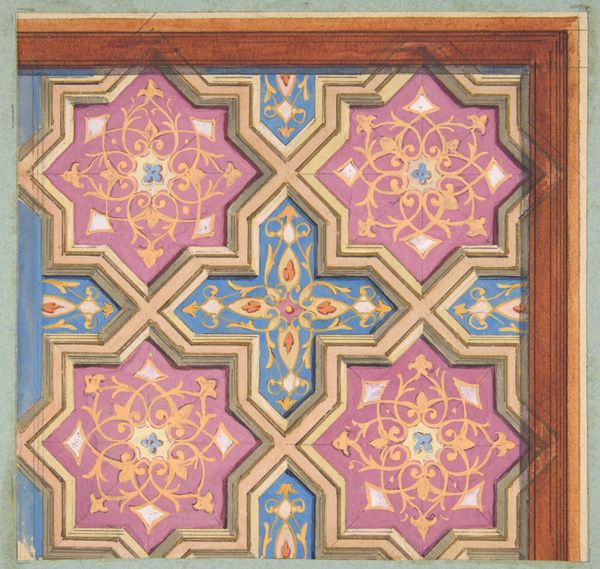
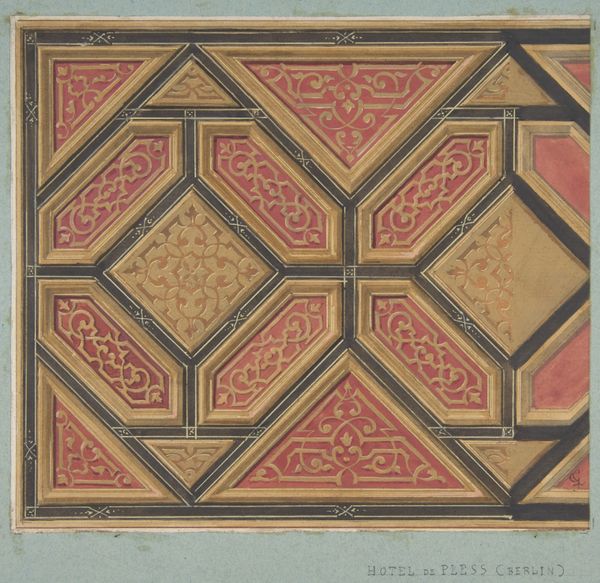
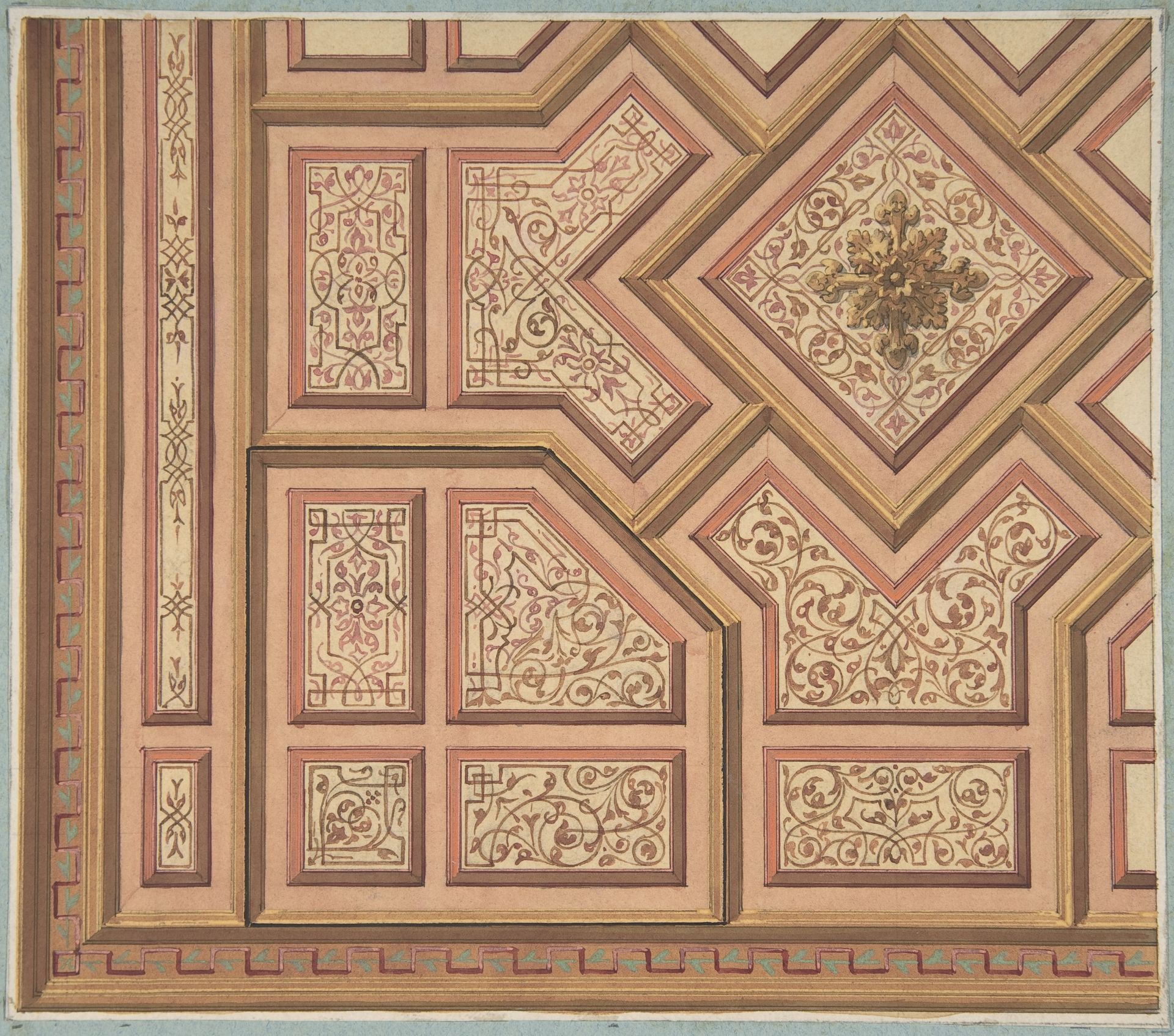
Jules-Edmond-Charles Lachaise designed this ceiling for the Château de Cangé, with pen and watercolor, at an unknown date. Lachaise, who was born in France in 1897, was working in a society still clinging to old traditions. This design offers a glimpse into the aesthetic values of the French elite, evoking a sense of grandeur and history. The intricate patterns and symmetrical arrangement speak to a desire for order and harmony. The design may also reflect the cultural politics of the time, with its revival of classical motifs signaling a return to traditional values. Yet, even within the confines of tradition, there is room for personal expression. The hand-drawn quality of the design reveals the artist's individual touch, inviting us to imagine the creative process behind this elaborate composition. Consider how this design reflects the societal expectations and gender roles of its time, with its emphasis on refinement. It invites us to consider the emotional and personal dimensions of art.
Design for Ceiling, Château de Cangé
1850 - 1900

Jules-Edmond-Charles Lachaise
1897
The Metropolitan Museum of Art
Metropolitan Museum of Art, New York, NYArtwork details
- Medium
- drawing, print, architecture
- Dimensions
- 7 1/16 x 8 1/16 in. (18 x 20.4 cm)
- Location
- Metropolitan Museum of Art, New York, NY
- Copyright
- Public Domain
Tags
Comments
Share your thoughts
About this artwork
Jules-Edmond-Charles Lachaise designed this ceiling for the Château de Cangé, with pen and watercolor, at an unknown date. Lachaise, who was born in France in 1897, was working in a society still clinging to old traditions. This design offers a glimpse into the aesthetic values of the French elite, evoking a sense of grandeur and history. The intricate patterns and symmetrical arrangement speak to a desire for order and harmony. The design may also reflect the cultural politics of the time, with its revival of classical motifs signaling a return to traditional values. Yet, even within the confines of tradition, there is room for personal expression. The hand-drawn quality of the design reveals the artist's individual touch, inviting us to imagine the creative process behind this elaborate composition. Consider how this design reflects the societal expectations and gender roles of its time, with its emphasis on refinement. It invites us to consider the emotional and personal dimensions of art.
Comments
Share your thoughts