About this artwork
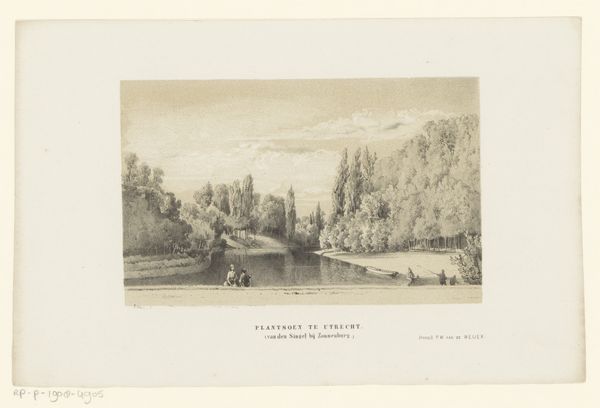
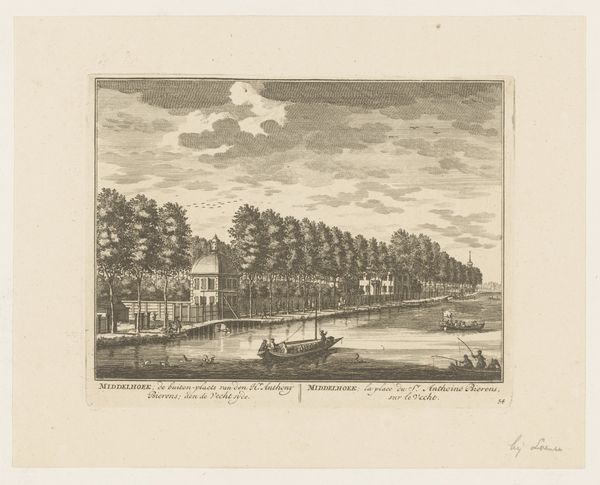
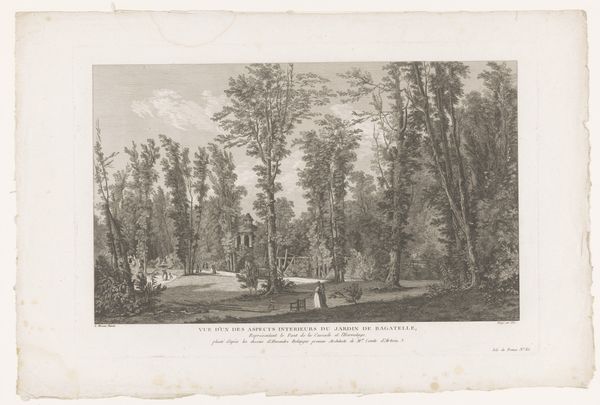
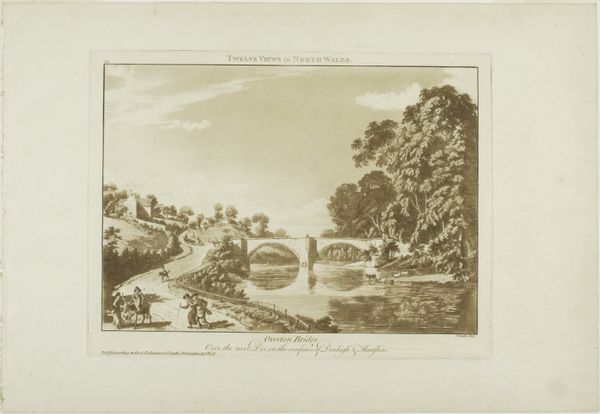
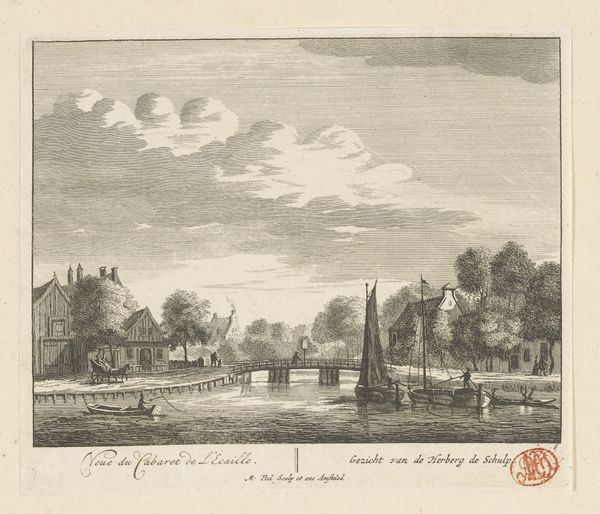
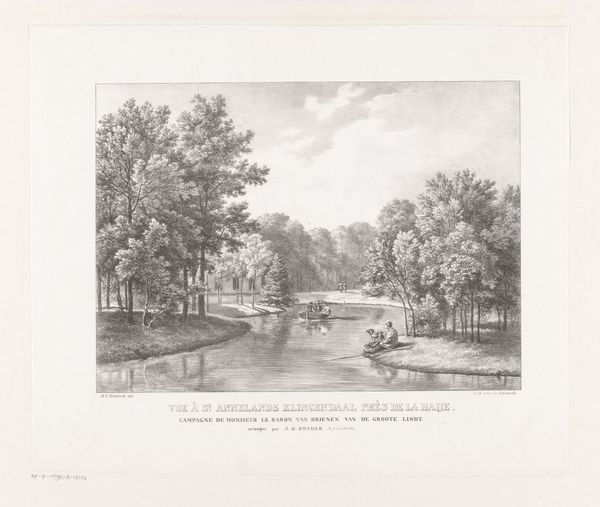
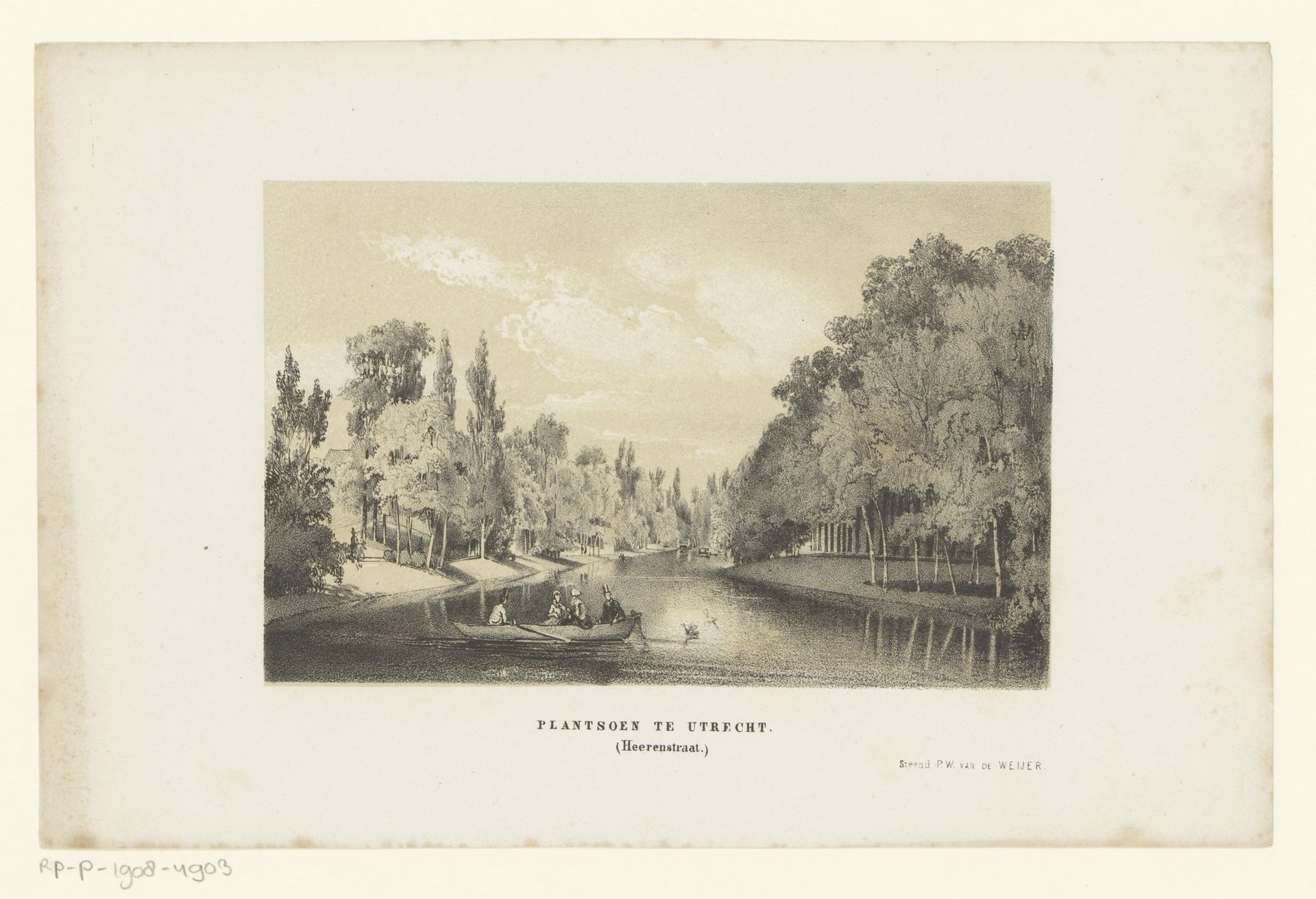
Pieter Wilhelmus van de Weijer created this print of the Singelgracht in Utrecht using etching and possibly some drypoint. The composition is dominated by the tranquil canal, flanked by dense trees on either side, creating a rhythmic interplay of light and shadow. The eye is drawn to the center where a small boat disrupts the water's calm surface, adding a human element to this otherwise serene landscape. The texture is rendered through delicate lines and subtle tonal gradations, emphasizing the lushness of the foliage and the reflective quality of the water. This technique creates a sense of depth and invites contemplation of the relationship between nature and human presence. The print engages with broader themes of Romanticism. The artist has used careful arrangement of visual elements to explore ideas about nature and how art can be a means of interpreting it. Through the artist's gaze, the landscape is not merely depicted but is also constructed.
Gezicht op de Singelgracht in Utrecht
1856

Pieter Wilhelmus van de Weijer
1816 - 1880Location
RijksmuseumArtwork details
- Dimensions
- height 155 mm, width 235 mm
- Location
- Rijksmuseum
- Copyright
- Rijks Museum: Open Domain
Comments
Share your thoughts
About this artwork
Pieter Wilhelmus van de Weijer created this print of the Singelgracht in Utrecht using etching and possibly some drypoint. The composition is dominated by the tranquil canal, flanked by dense trees on either side, creating a rhythmic interplay of light and shadow. The eye is drawn to the center where a small boat disrupts the water's calm surface, adding a human element to this otherwise serene landscape. The texture is rendered through delicate lines and subtle tonal gradations, emphasizing the lushness of the foliage and the reflective quality of the water. This technique creates a sense of depth and invites contemplation of the relationship between nature and human presence. The print engages with broader themes of Romanticism. The artist has used careful arrangement of visual elements to explore ideas about nature and how art can be a means of interpreting it. Through the artist's gaze, the landscape is not merely depicted but is also constructed.
Comments
Share your thoughts