About this artwork
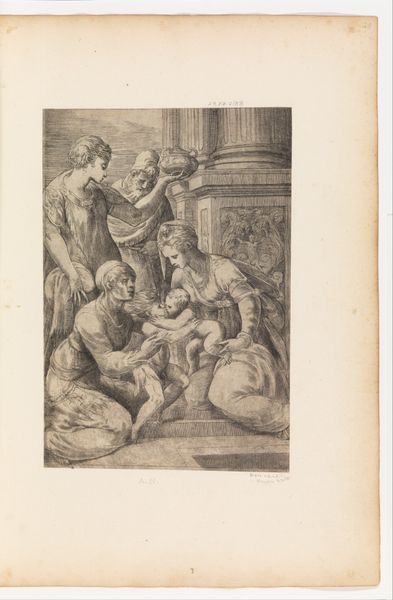
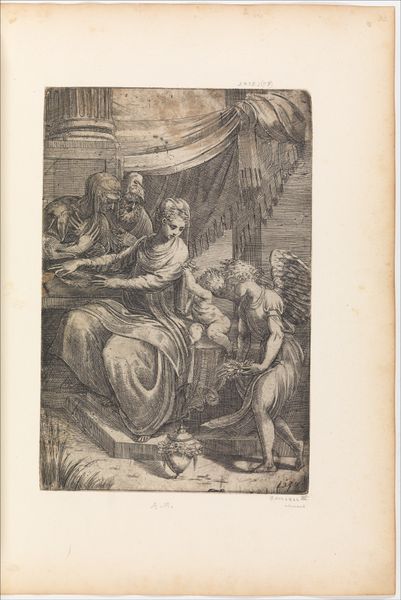
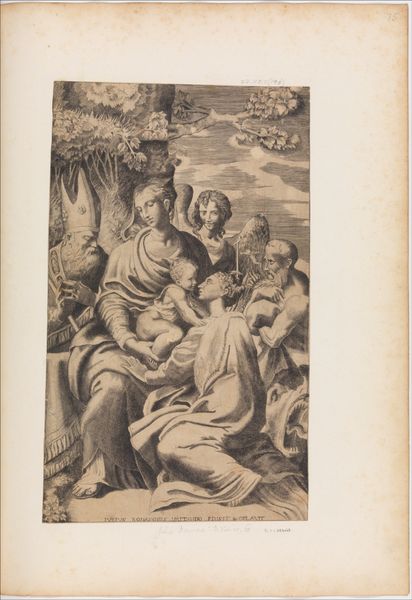
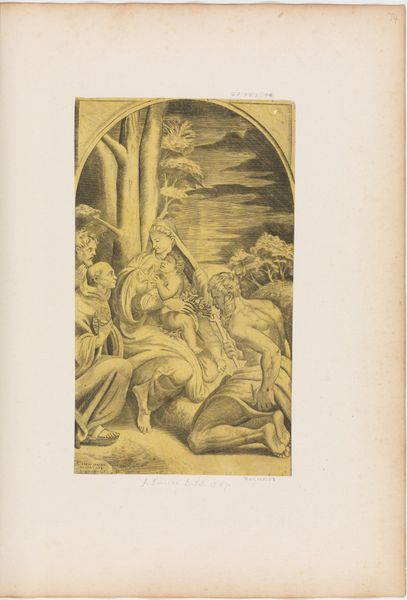
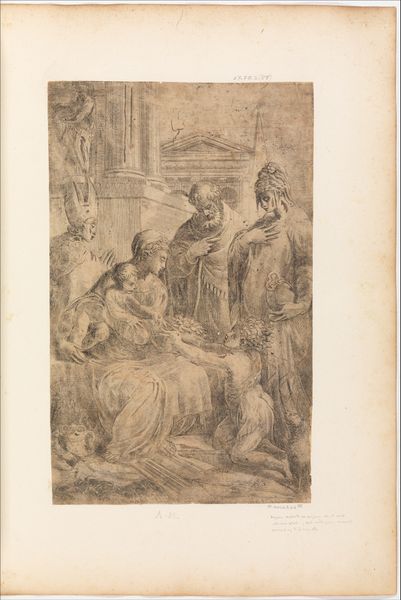
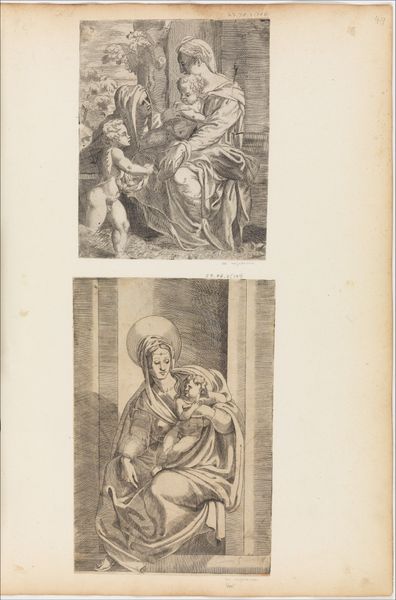
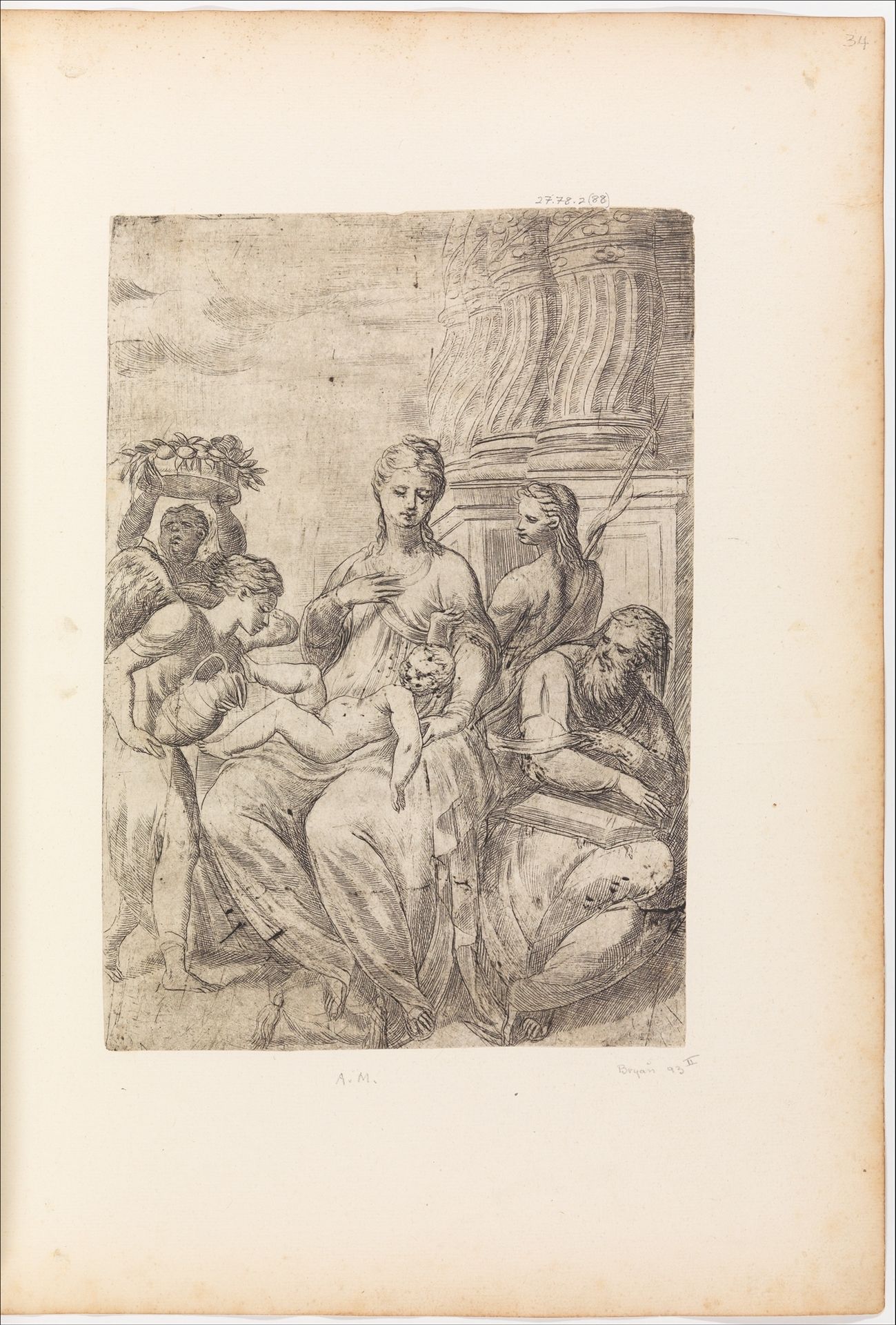
Andrea Schiavone created this etching, "Holy Family with Saint John the Baptist and angels" sometime in the mid-16th century in Venice. Here, the iconic Christian scene unfolds with a distinctly Venetian flair, capturing the artistic trends and social values of its time. Look closely, and you'll notice the elongated figures, the dynamic composition, and the soft, hazy light. These recall the influence of artists like Parmigianino and Titian, major figures in the Venetian art scene. Schiavone uses these artistic conventions not just to depict a religious scene, but to engage with contemporary debates about artistic style and expression. The inclusion of Saint John the Baptist and the angels, along with the Virgin Mary and infant Christ, reflects the importance of religious patronage and the Church's role in shaping artistic production. To truly understand this piece, we can delve into archival records, artists' biographies, and period writings about art. It allows us to uncover the complex web of relationships and influences that shaped Schiavone's work. The meaning of art lies not just in the image itself, but also in its rich social and institutional context.
Holy Family with Saint John the Baptist and angels
1510 - 1563

Andrea Schiavone (Andrea Meldola)
1510 - 1563
The Metropolitan Museum of Art
Metropolitan Museum of Art, New York, NYArtwork details
- Medium
- print, engraving
- Dimensions
- Sheet: 11 7/8 × 8 1/4 in. (30.2 × 21 cm)
- Location
- Metropolitan Museum of Art, New York, NY
- Copyright
- Public Domain
Tags
Comments
Share your thoughts
About this artwork
Andrea Schiavone created this etching, "Holy Family with Saint John the Baptist and angels" sometime in the mid-16th century in Venice. Here, the iconic Christian scene unfolds with a distinctly Venetian flair, capturing the artistic trends and social values of its time. Look closely, and you'll notice the elongated figures, the dynamic composition, and the soft, hazy light. These recall the influence of artists like Parmigianino and Titian, major figures in the Venetian art scene. Schiavone uses these artistic conventions not just to depict a religious scene, but to engage with contemporary debates about artistic style and expression. The inclusion of Saint John the Baptist and the angels, along with the Virgin Mary and infant Christ, reflects the importance of religious patronage and the Church's role in shaping artistic production. To truly understand this piece, we can delve into archival records, artists' biographies, and period writings about art. It allows us to uncover the complex web of relationships and influences that shaped Schiavone's work. The meaning of art lies not just in the image itself, but also in its rich social and institutional context.
Comments
Share your thoughts