About this artwork
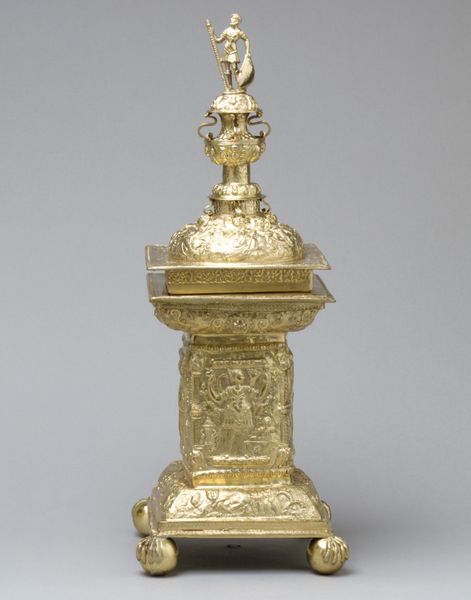
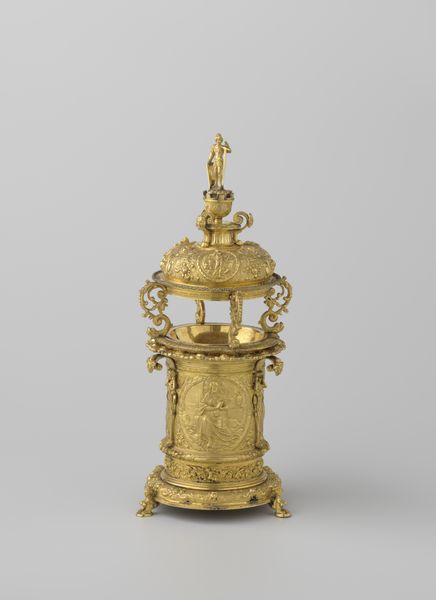
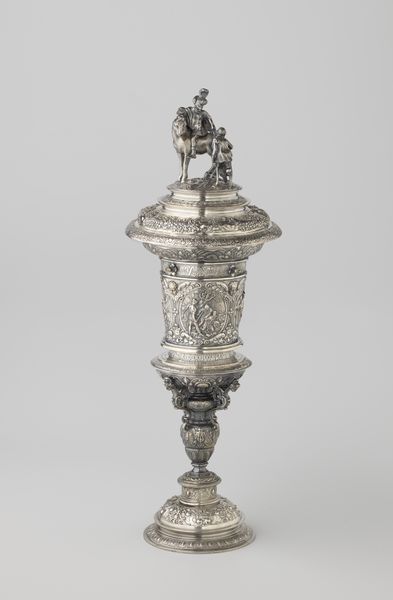
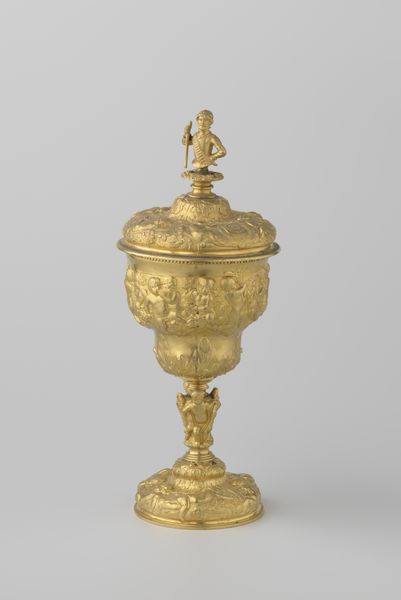
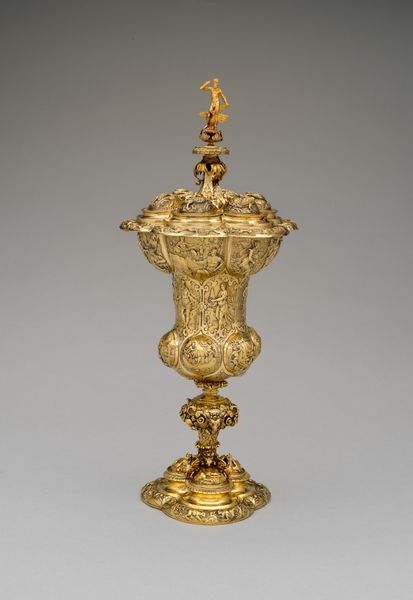
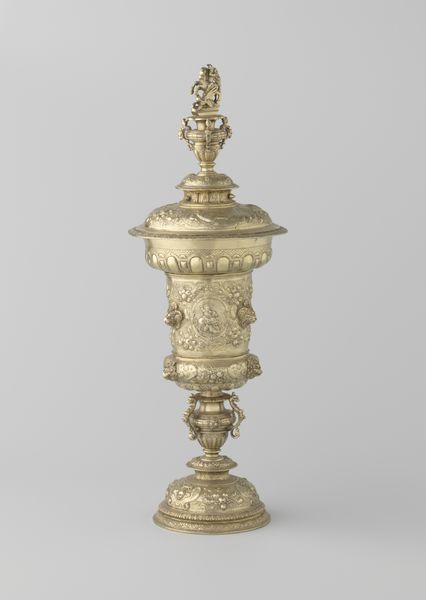
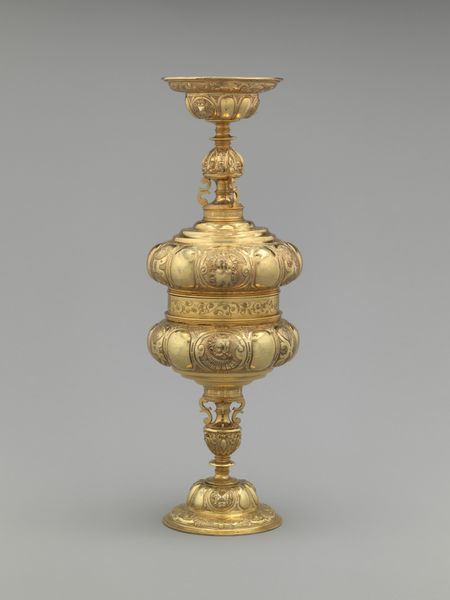
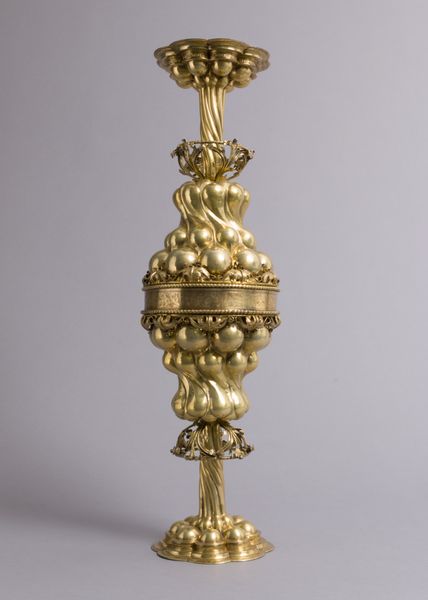
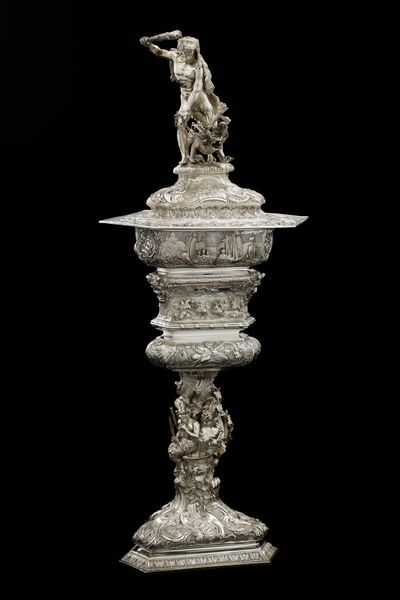
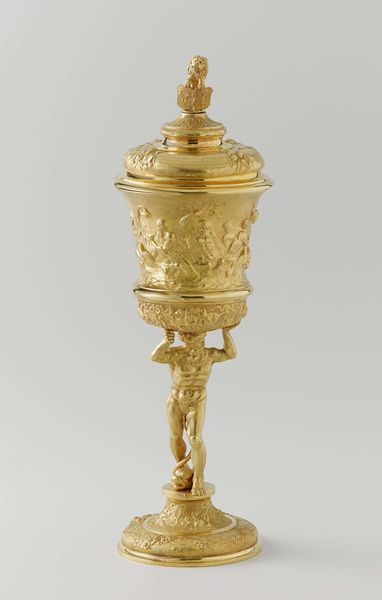
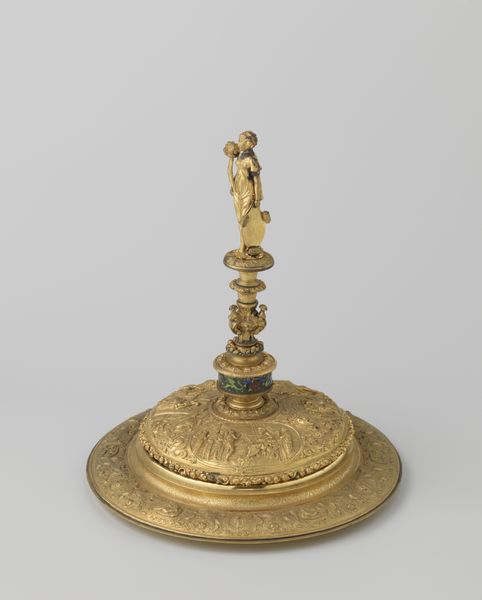
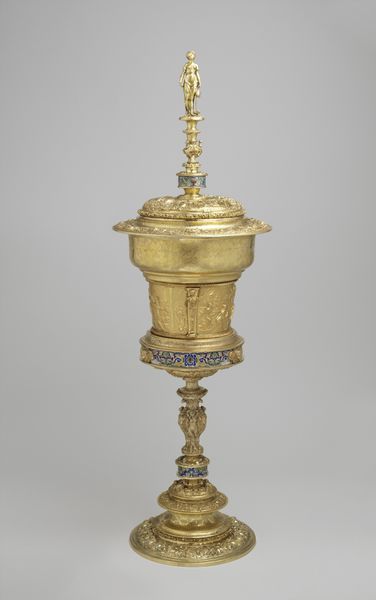
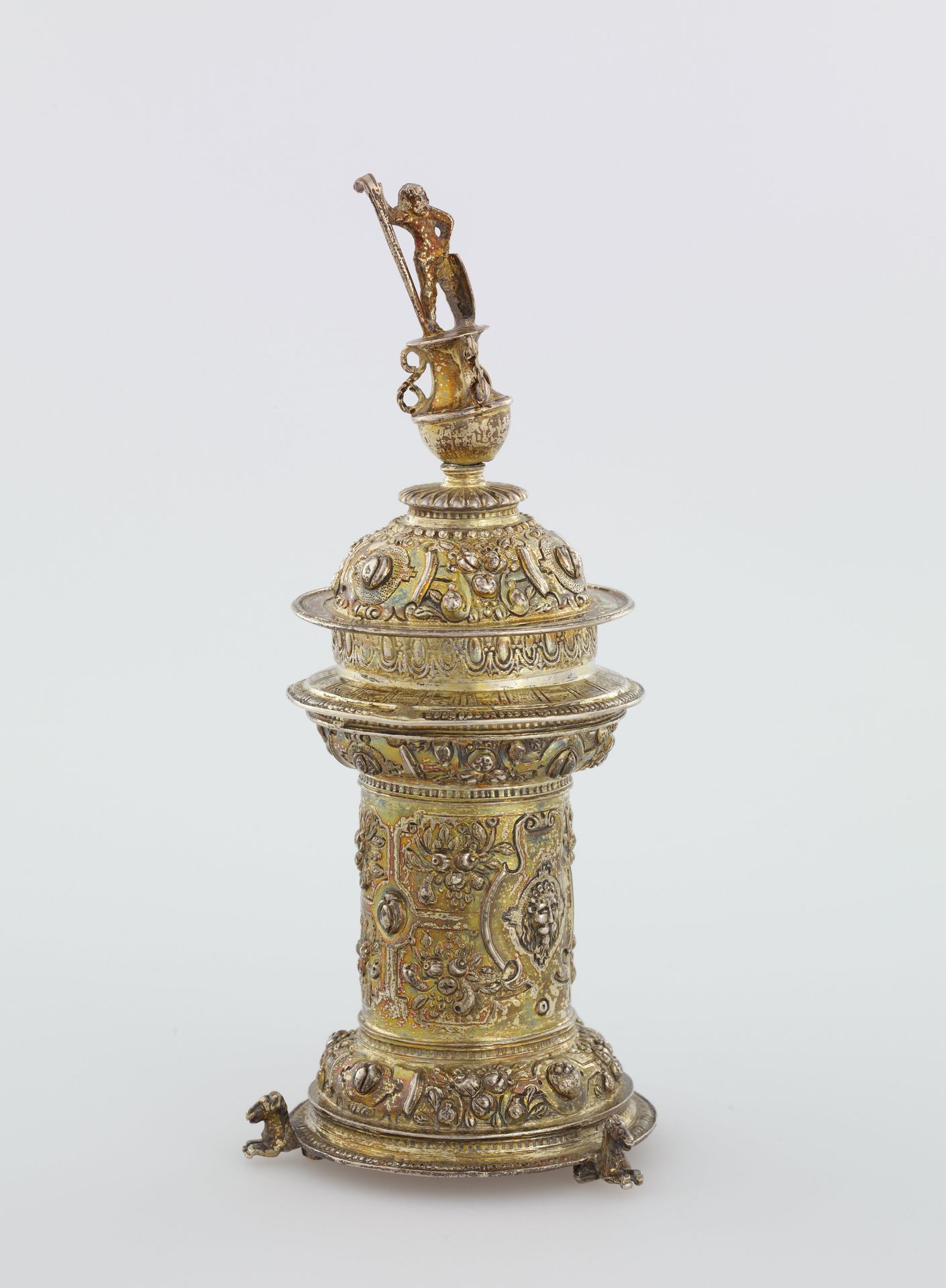
This Standing Salt was made from silver in England, around the late 16th century, by Christopher Eston. Salt was a valuable commodity at this time, necessary for preserving food, and this lavish vessel reflects its importance. Consider how the silver is formed and decorated. The hammering, chasing, and engraving techniques used to create the intricate patterns, figures, and architectural details involved many hours of highly skilled labor. Note also the contrast between the gleaming surfaces and the areas of shadow, which create a sense of depth and richness. This object embodies a complex social dynamic. Salt cellars were status symbols displayed at the center of dining tables, reflecting the wealth and power of the owner. The labor-intensive production also highlights the social hierarchy of the time. So, when looking at this object, we can think not only about artistry but also about the wider social context of production and consumption in the late 16th century.
Standing salt
c. 1582


Artwork details
- Medium
- silver, metal, sculpture
- Dimensions
- 8 5/8 x 3 1/2 x 3 1/2 in. (21.91 x 8.89 x 8.89 cm)
- Location
- Minneapolis Institute of Art
- Copyright
- Public Domain
Tags
portrait
silver
metal
11_renaissance
sculpture
decorative-art
Comments
Be the first to share your thoughts about this work.
About this artwork
This Standing Salt was made from silver in England, around the late 16th century, by Christopher Eston. Salt was a valuable commodity at this time, necessary for preserving food, and this lavish vessel reflects its importance. Consider how the silver is formed and decorated. The hammering, chasing, and engraving techniques used to create the intricate patterns, figures, and architectural details involved many hours of highly skilled labor. Note also the contrast between the gleaming surfaces and the areas of shadow, which create a sense of depth and richness. This object embodies a complex social dynamic. Salt cellars were status symbols displayed at the center of dining tables, reflecting the wealth and power of the owner. The labor-intensive production also highlights the social hierarchy of the time. So, when looking at this object, we can think not only about artistry but also about the wider social context of production and consumption in the late 16th century.
Comments
Be the first to share your thoughts about this work.