About this artwork
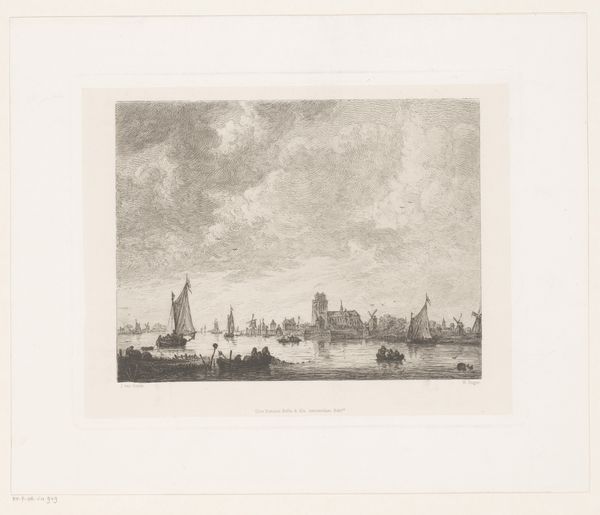
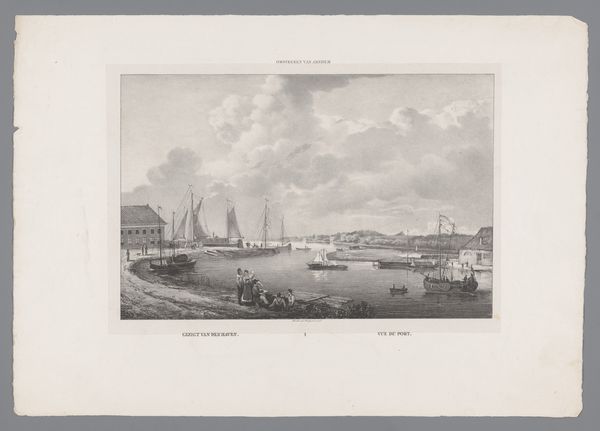
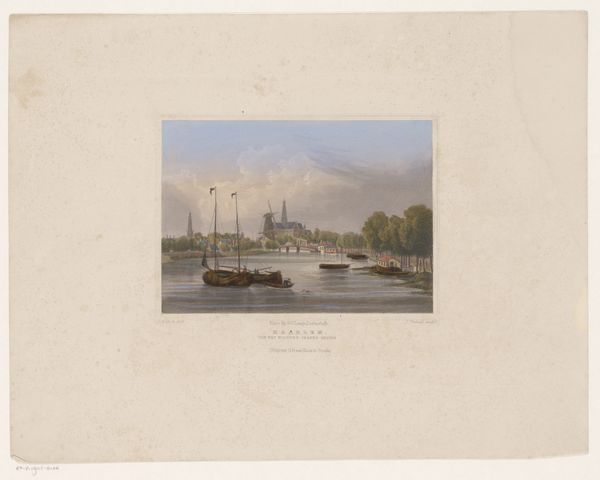
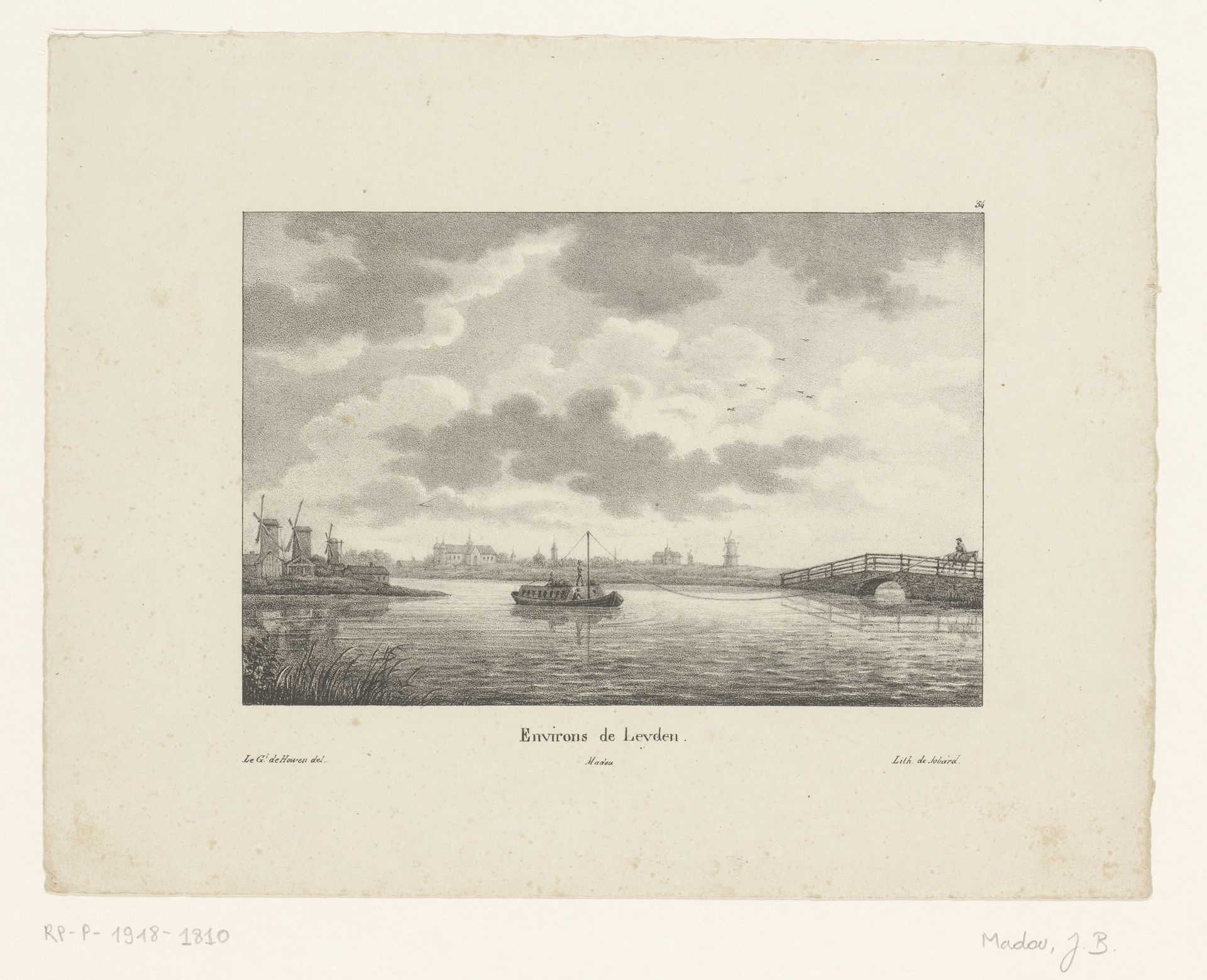
Jean-Baptiste Madou made this print of Leiden from across the water. In this image, we get a tranquil view of the Dutch city, dominated by windmills and the gentle flow of water traffic. It reflects a time when the Netherlands was defining itself through its landscape. This print, with its emphasis on serene daily life, speaks to a cultural desire for national identity, one rooted in its unique geography and industrious spirit. Madou, working in the 19th century, offers us a scene that is both picturesque and subtly political. Landscapes were often used to promote civic pride and a sense of place. The windmills, more than just scenic elements, represent Dutch innovation and resilience. To fully appreciate this work, we might delve into the archives of Dutch social history, looking at period writings and visual culture to understand the values and aspirations of the time. Art like this is a window into a society’s self-image, shaped by cultural forces and institutions.
Gezicht op Leiden van over het water gezien
1822 - 1825

Jean-Baptiste Madou
1796 - 1877Location
RijksmuseumArtwork details
- Medium
- print, etching, pen
- Dimensions
- height 235 mm, width 308 mm
- Location
- Rijksmuseum
- Copyright
- Rijks Museum: Open Domain
Tags
Comments
Share your thoughts
About this artwork
Jean-Baptiste Madou made this print of Leiden from across the water. In this image, we get a tranquil view of the Dutch city, dominated by windmills and the gentle flow of water traffic. It reflects a time when the Netherlands was defining itself through its landscape. This print, with its emphasis on serene daily life, speaks to a cultural desire for national identity, one rooted in its unique geography and industrious spirit. Madou, working in the 19th century, offers us a scene that is both picturesque and subtly political. Landscapes were often used to promote civic pride and a sense of place. The windmills, more than just scenic elements, represent Dutch innovation and resilience. To fully appreciate this work, we might delve into the archives of Dutch social history, looking at period writings and visual culture to understand the values and aspirations of the time. Art like this is a window into a society’s self-image, shaped by cultural forces and institutions.
Comments
Share your thoughts