About this artwork
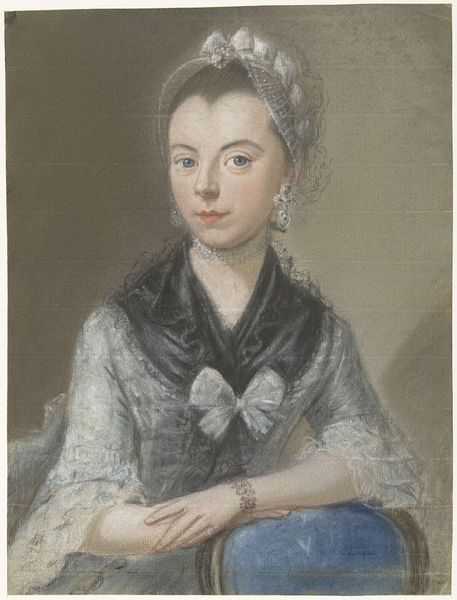
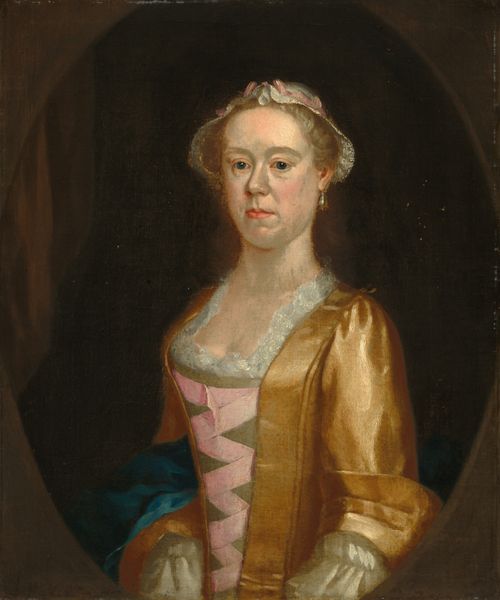
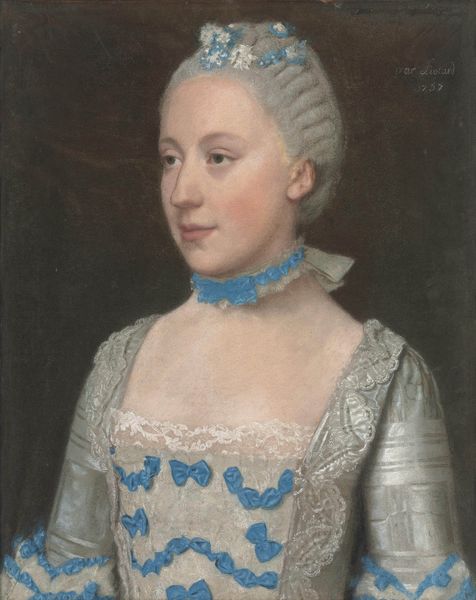
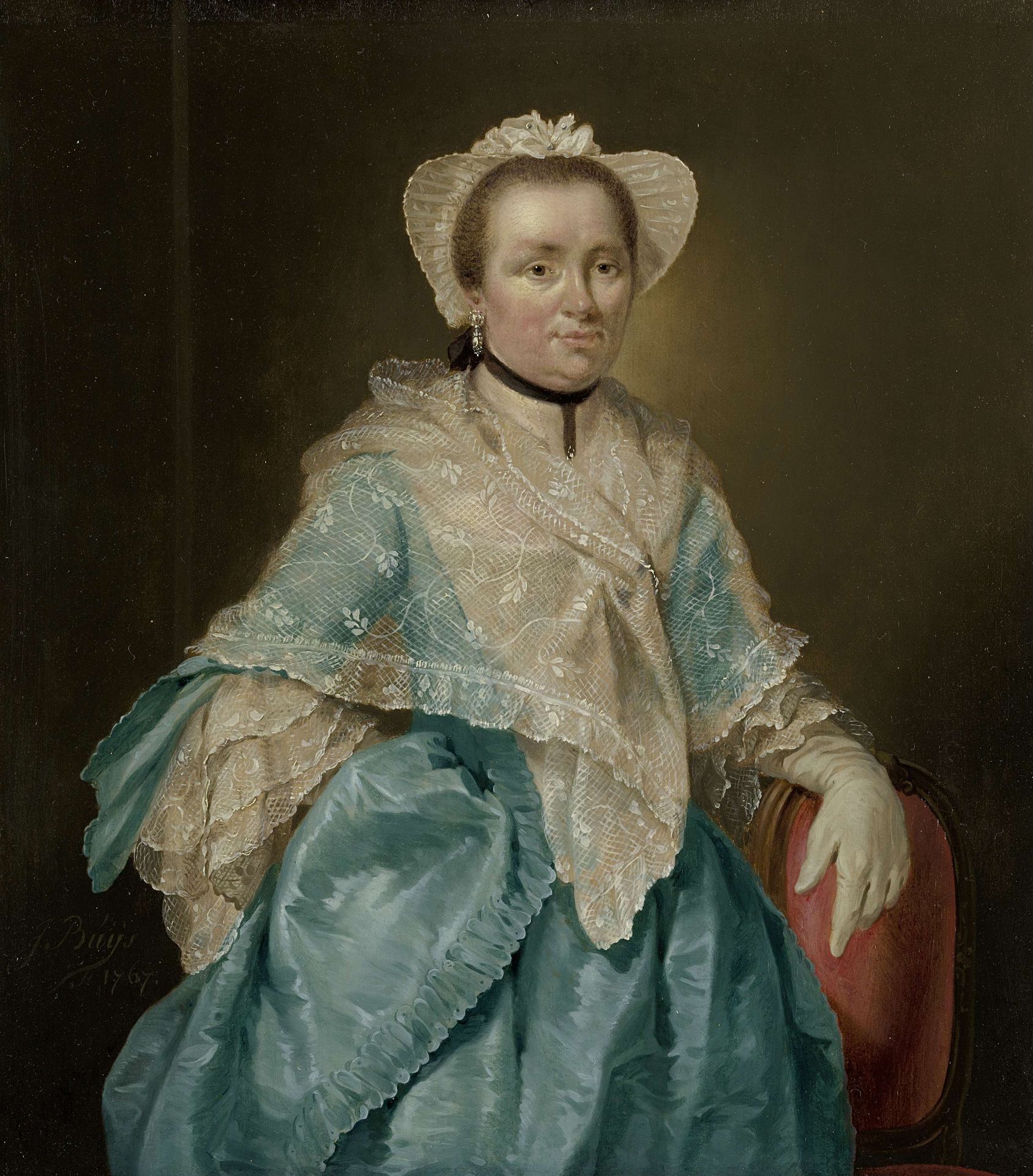
This is a portrait of Elisabeth Troost, made in 1767 by Jacobus Buys. During this time, the Dutch Republic was experiencing a period of economic and cultural flourishing, and portraiture served as a means for the affluent to display their status. Buys captures Elisabeth, a woman of obvious wealth, adorned in the finery of her time. Yet, it's important to consider the gaze of the sitter. She doesn’t quite meet our eyes, her expression suggesting a certain guardedness or perhaps even melancholy. What does it mean for a woman to be seen, but not necessarily to be known? The lace, the gloves, the elaborate hat – these are all signifiers of class, but they also act as a kind of armor. Ultimately, the portrait becomes a poignant reflection on the complexities of identity, representation, and the unspoken narratives that lie beneath the surface of appearances.

Artwork details
- Dimensions
- height 25.3 cm, width 22.5 cm, depth 4 cm
- Location
- Rijksmuseum
- Copyright
- Rijks Museum: Open Domain
Tags
Comments
Share your thoughts
About this artwork
This is a portrait of Elisabeth Troost, made in 1767 by Jacobus Buys. During this time, the Dutch Republic was experiencing a period of economic and cultural flourishing, and portraiture served as a means for the affluent to display their status. Buys captures Elisabeth, a woman of obvious wealth, adorned in the finery of her time. Yet, it's important to consider the gaze of the sitter. She doesn’t quite meet our eyes, her expression suggesting a certain guardedness or perhaps even melancholy. What does it mean for a woman to be seen, but not necessarily to be known? The lace, the gloves, the elaborate hat – these are all signifiers of class, but they also act as a kind of armor. Ultimately, the portrait becomes a poignant reflection on the complexities of identity, representation, and the unspoken narratives that lie beneath the surface of appearances.
Comments
Share your thoughts