About this artwork
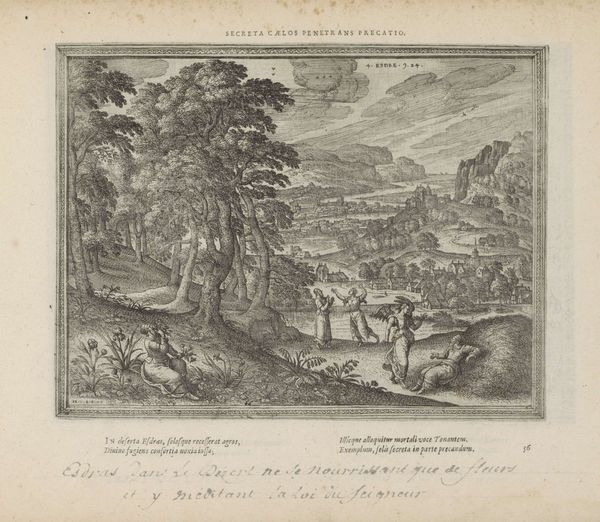
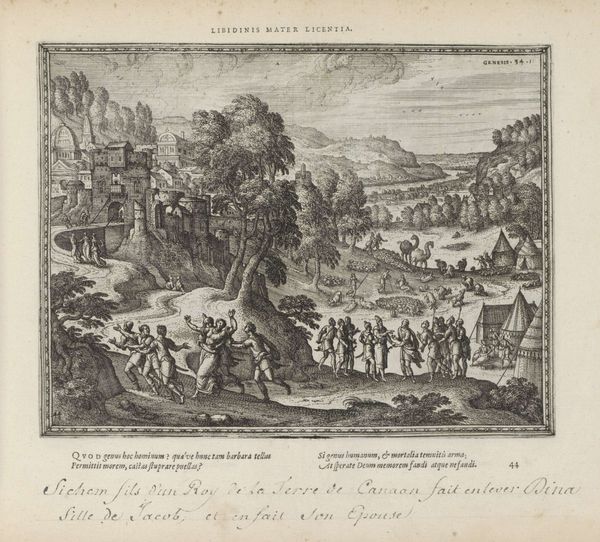
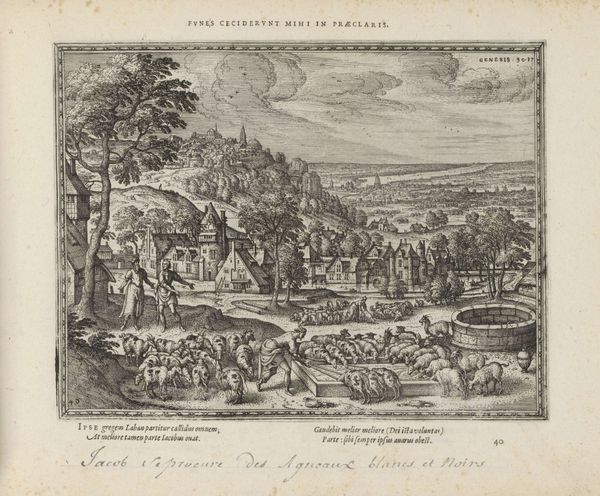
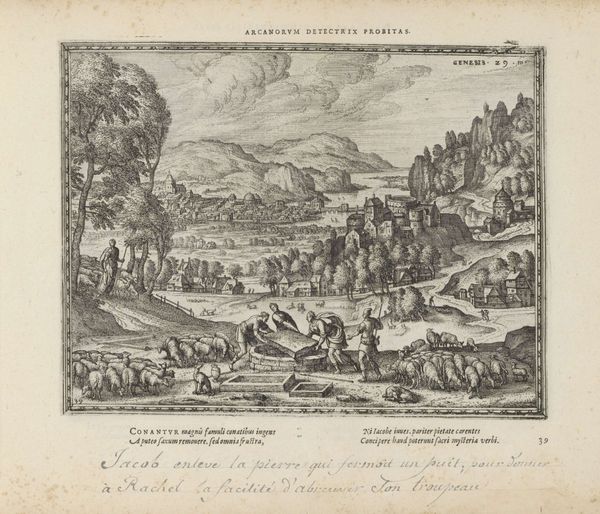
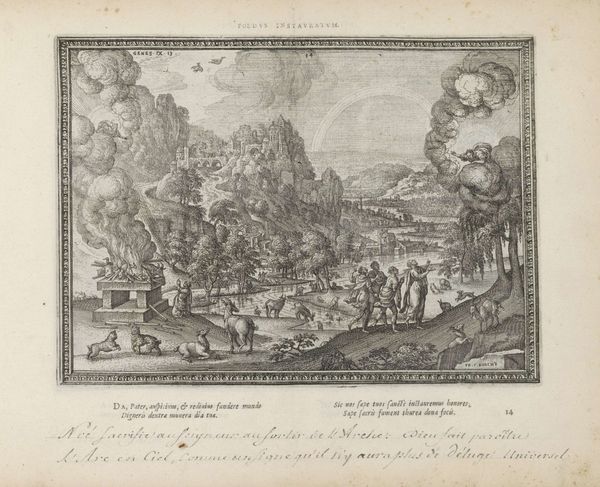
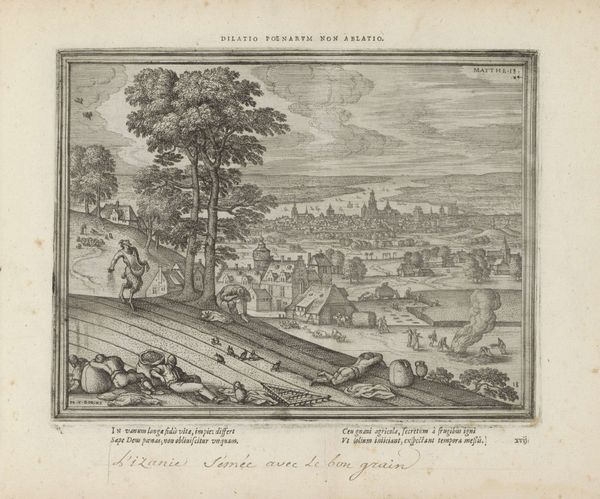
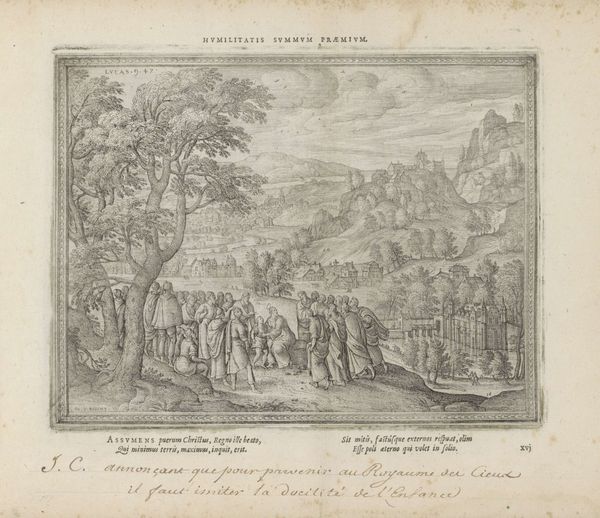
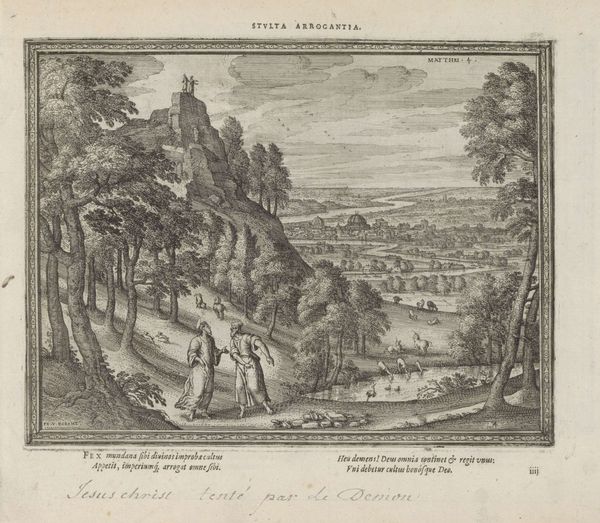
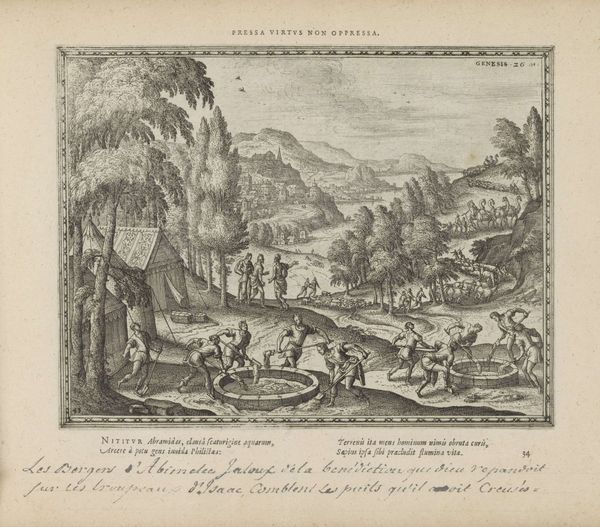
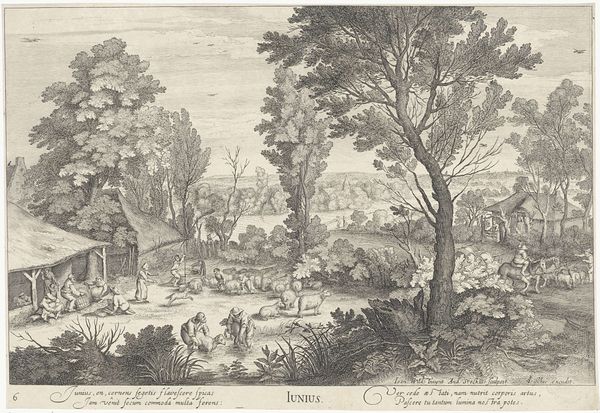
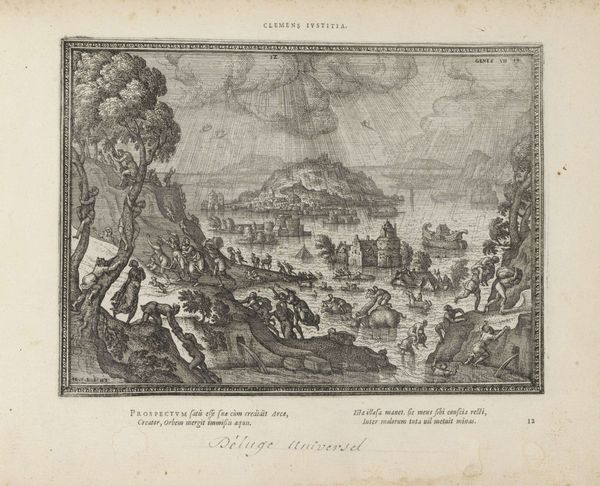
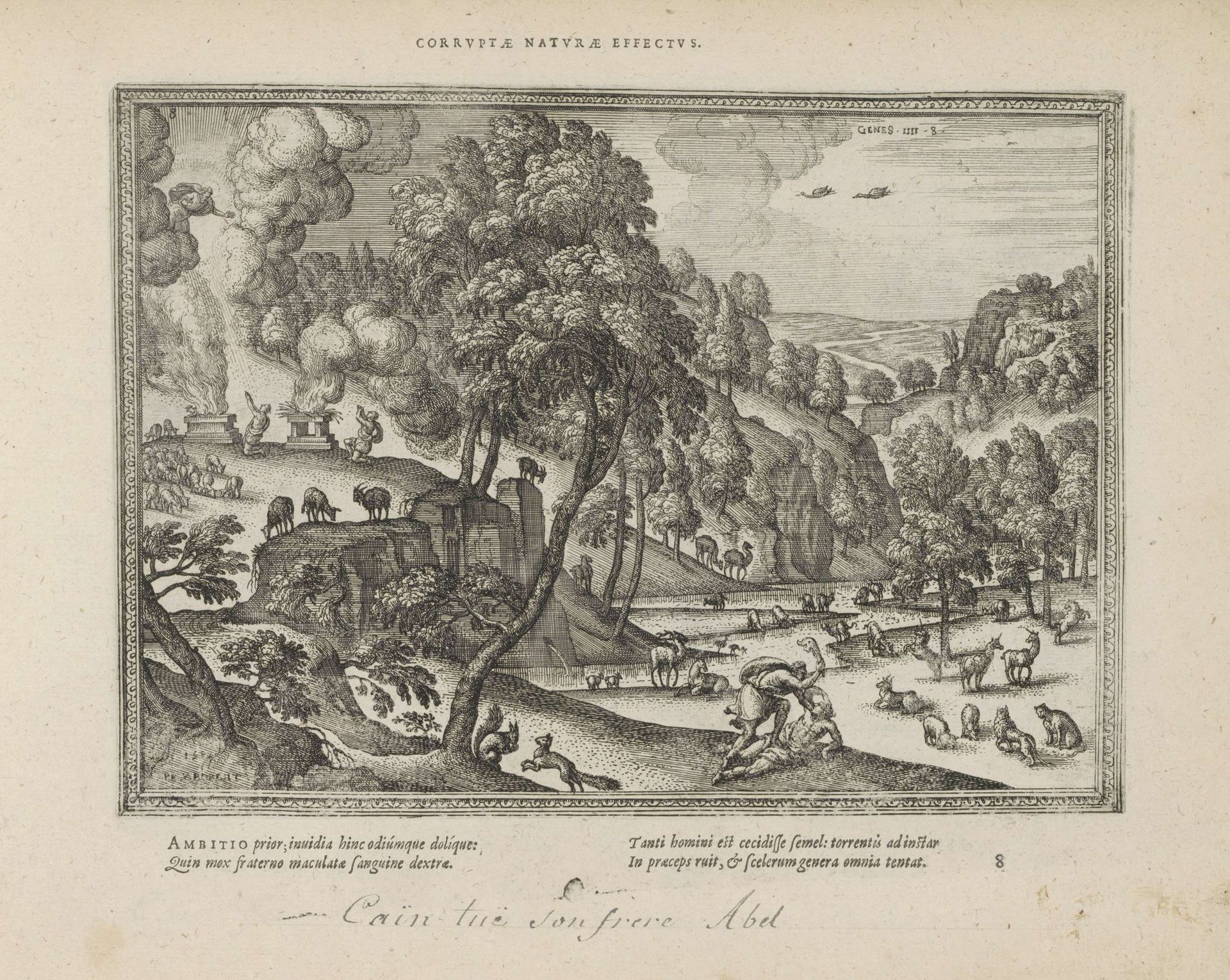
Pieter van der Borcht created this print depicting the biblical story of Cain and Abel sometime in the late 16th century. The narrative unfolds across the landscape, in a style reminiscent of the Northern Renaissance. Consider the historical backdrop: the Reformation had deeply fractured European society, leading to religious conflicts and wars. Van der Borcht, working in the Netherlands, would have been acutely aware of the social and political unrest. This piece underscores themes of envy, sacrifice, and divine judgment, reflecting the moral and religious anxieties of the era. Notice how the idyllic landscape contrasts sharply with the violent act taking place in the foreground. It raises questions about human nature, and the capacity for both good and evil within us. Van der Borcht’s print encourages us to reflect on the consequences of our actions, and the ever-present tension between our spiritual aspirations and our earthly desires. How do you feel when you consider the timelessness of this narrative?
Offer van Kaïn en Abel / Kaïn slaat Abel dood
1582 - 1613

Pieter van der (I) Borcht
1545 - 1608Location
RijksmuseumArtwork details
- Medium
- print, etching, engraving
- Dimensions
- height 181 mm, width 253 mm
- Location
- Rijksmuseum
- Copyright
- Rijks Museum: Open Domain
Tags
Comments
Share your thoughts
About this artwork
Pieter van der Borcht created this print depicting the biblical story of Cain and Abel sometime in the late 16th century. The narrative unfolds across the landscape, in a style reminiscent of the Northern Renaissance. Consider the historical backdrop: the Reformation had deeply fractured European society, leading to religious conflicts and wars. Van der Borcht, working in the Netherlands, would have been acutely aware of the social and political unrest. This piece underscores themes of envy, sacrifice, and divine judgment, reflecting the moral and religious anxieties of the era. Notice how the idyllic landscape contrasts sharply with the violent act taking place in the foreground. It raises questions about human nature, and the capacity for both good and evil within us. Van der Borcht’s print encourages us to reflect on the consequences of our actions, and the ever-present tension between our spiritual aspirations and our earthly desires. How do you feel when you consider the timelessness of this narrative?
Comments
Share your thoughts