About this artwork
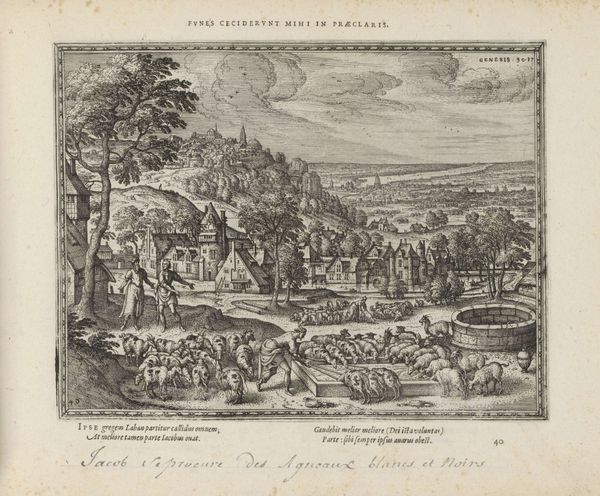
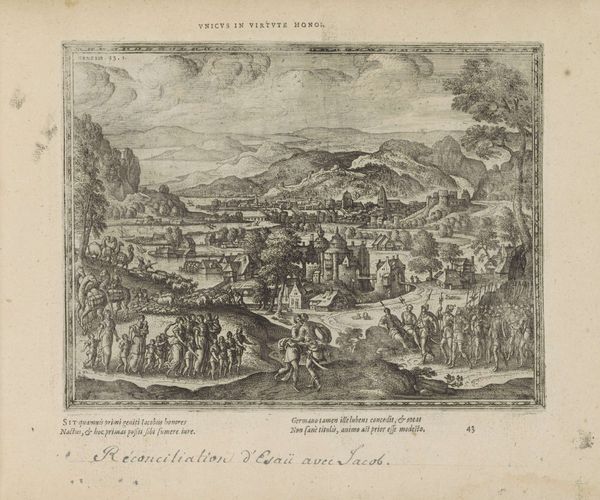
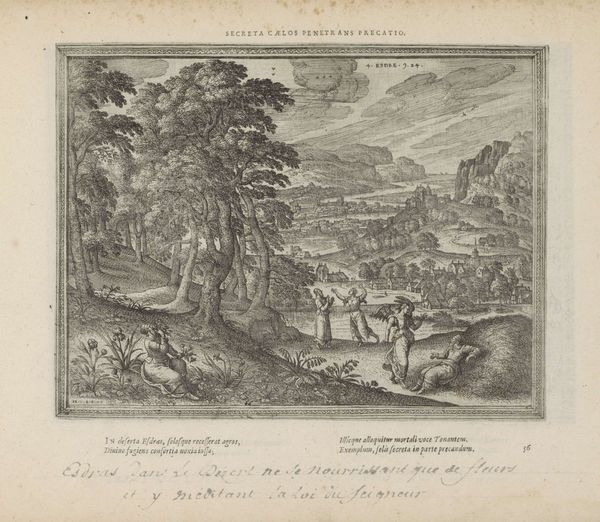
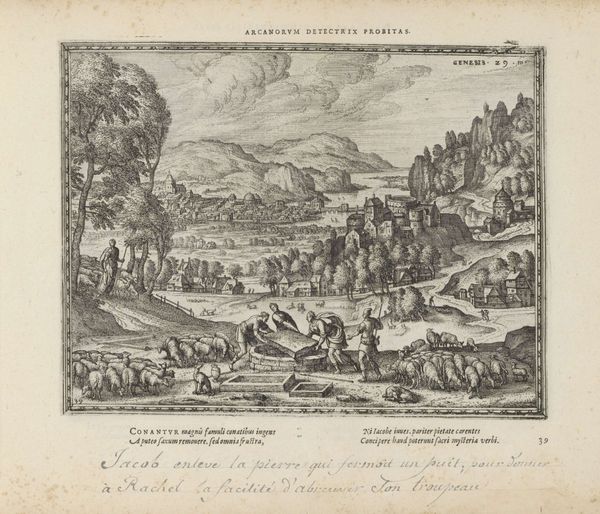
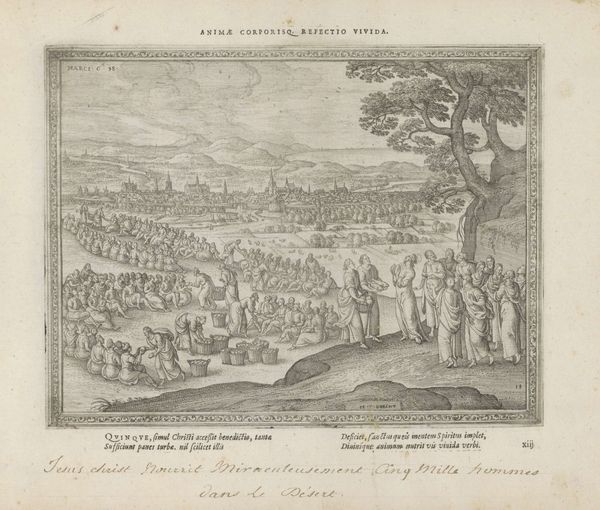
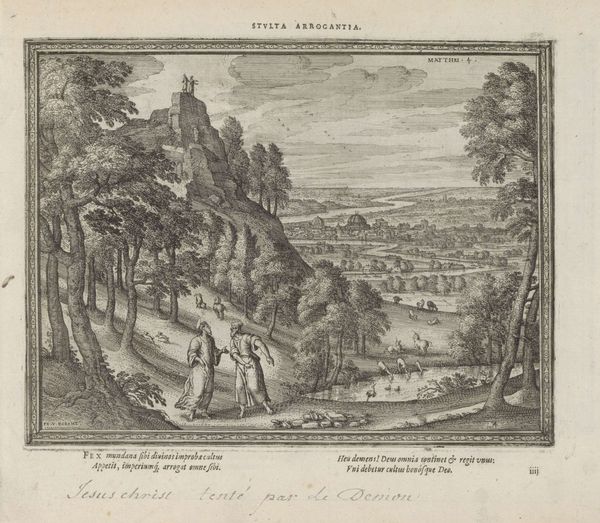
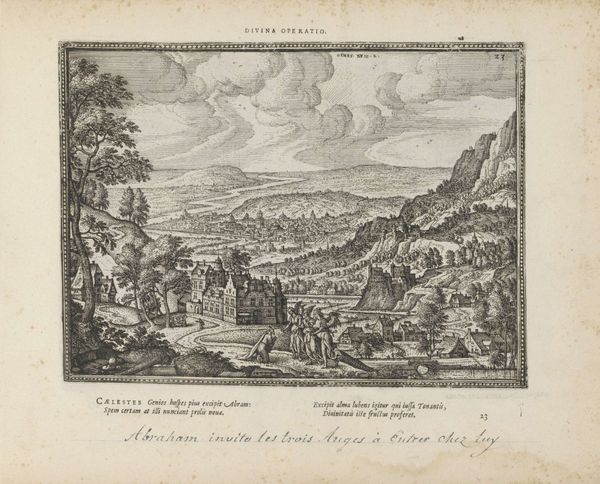
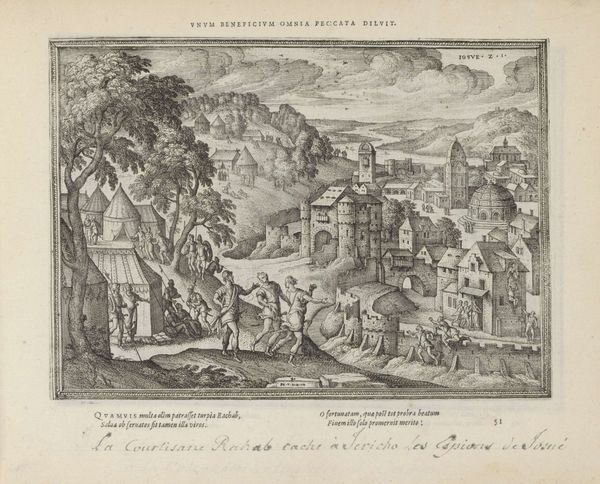
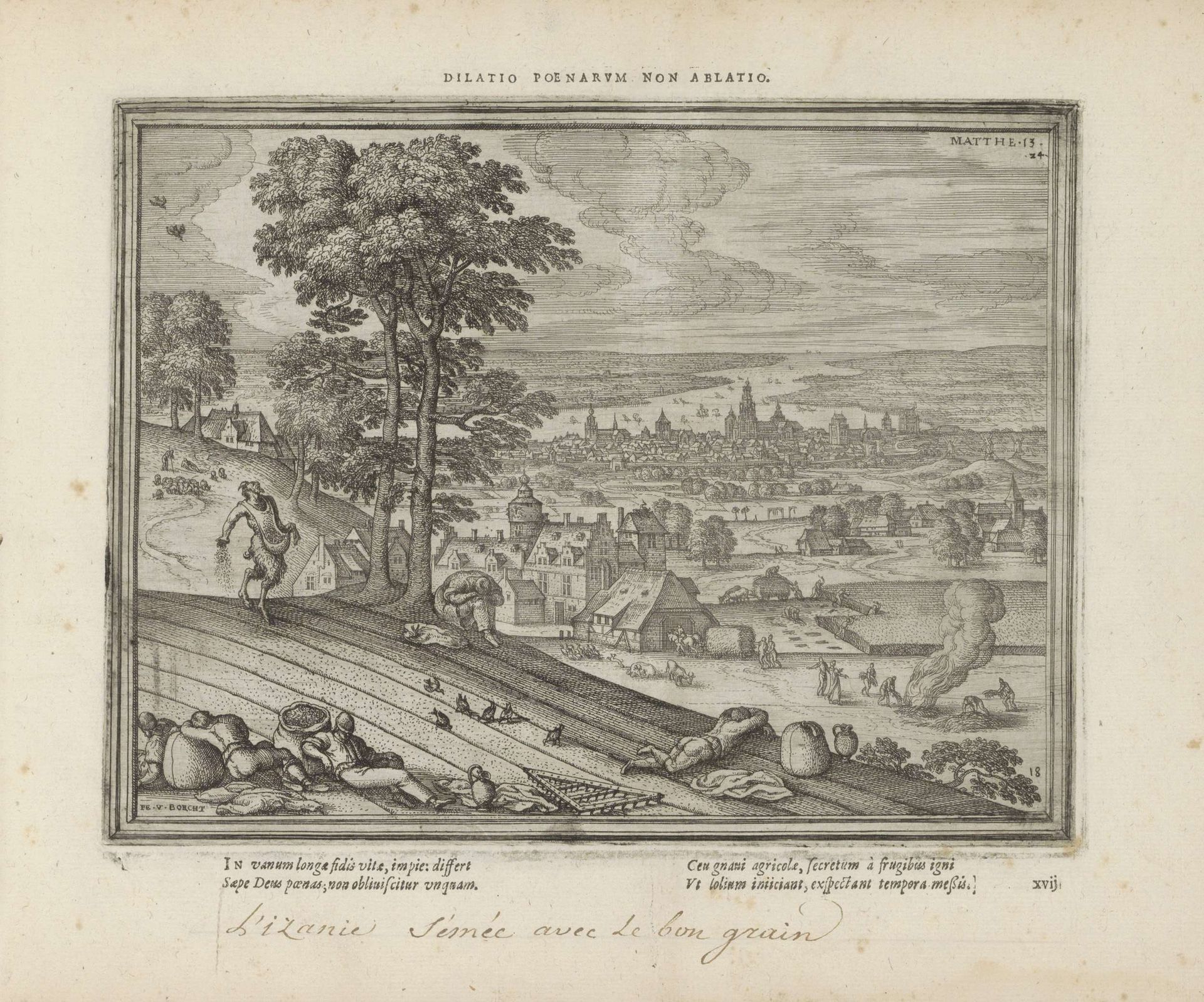
Pieter van der Borcht created this print, "Landschap met de gelijkenis van het onkruid onder het graan", or "Landscape with the parable of the weeds among the wheat" with an engraving. It's now held at the Rijksmuseum. The image visualizes a biblical parable from the Gospel of Matthew, which warns against the deceptive appearance of evil within the righteous. This was made in the context of the 16th-century Netherlands, a society fraught with religious and political conflict. Van der Borcht’s work is not merely a religious illustration; the landscape format suggests a commentary on the social structures of his time. The detailed depiction of labor and leisure across the social classes shows the visual codes that affirmed social hierarchies. The city in the background and the agricultural landscape in the foreground create meaning through cultural references and historical associations. Further understanding of this artwork requires research into the theological debates and social tensions in the Netherlands during the Reformation. The study of such prints allows us to appreciate the public role of art in shaping moral and political attitudes.
Landschap met de gelijkenis van het onkruid onder het graan 1582 - 1613

Pieter van der (I) Borcht
1545 - 1608Location
RijksmuseumArtwork details
- Medium
- print, engraving
- Dimensions
- height 190 mm, width 248 mm
- Location
- Rijksmuseum
- Copyright
- Rijks Museum: Open Domain
Tags
old engraving style
landscape
genre-painting
history-painting
northern-renaissance
engraving
Comments
No comments
About this artwork
Pieter van der Borcht created this print, "Landschap met de gelijkenis van het onkruid onder het graan", or "Landscape with the parable of the weeds among the wheat" with an engraving. It's now held at the Rijksmuseum. The image visualizes a biblical parable from the Gospel of Matthew, which warns against the deceptive appearance of evil within the righteous. This was made in the context of the 16th-century Netherlands, a society fraught with religious and political conflict. Van der Borcht’s work is not merely a religious illustration; the landscape format suggests a commentary on the social structures of his time. The detailed depiction of labor and leisure across the social classes shows the visual codes that affirmed social hierarchies. The city in the background and the agricultural landscape in the foreground create meaning through cultural references and historical associations. Further understanding of this artwork requires research into the theological debates and social tensions in the Netherlands during the Reformation. The study of such prints allows us to appreciate the public role of art in shaping moral and political attitudes.
Comments
No comments