About this artwork
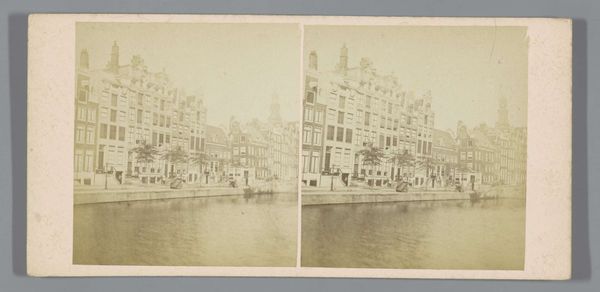
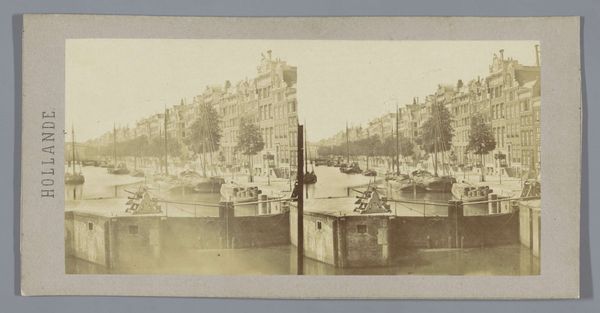
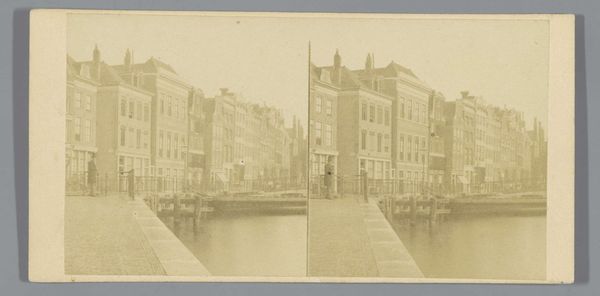
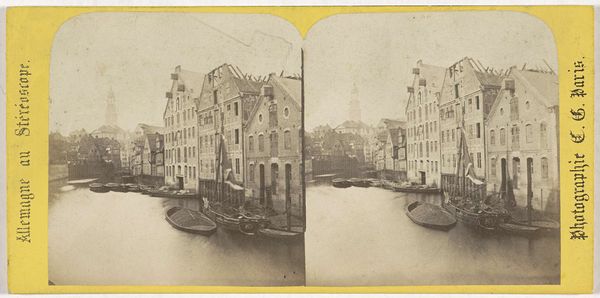
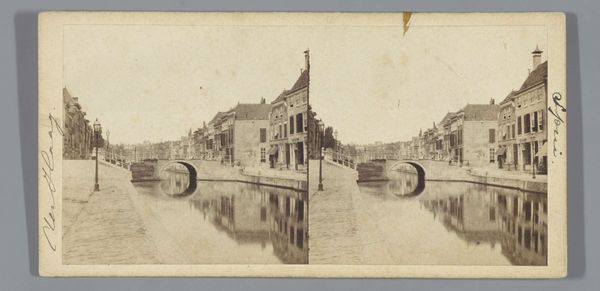
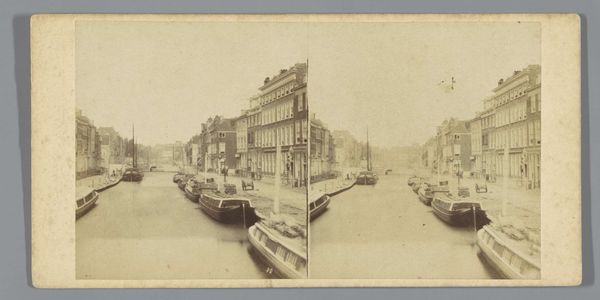
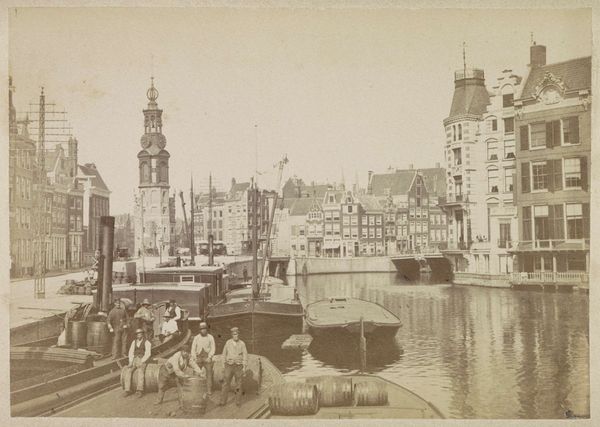
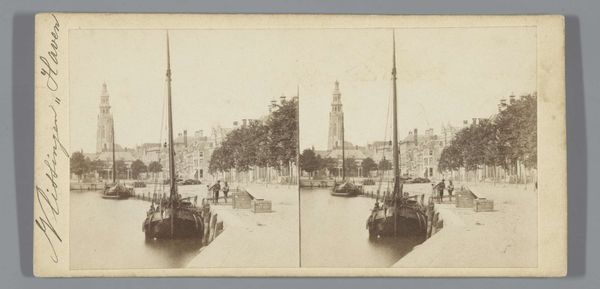
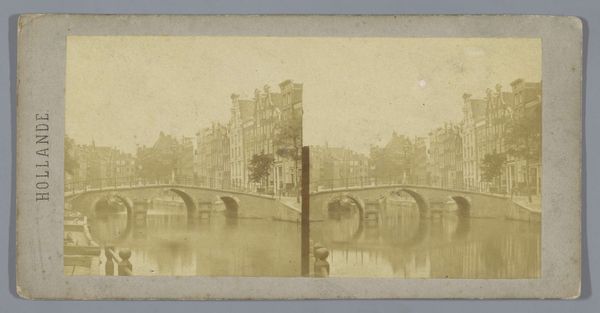
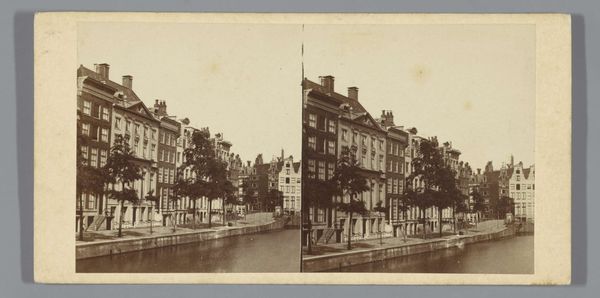
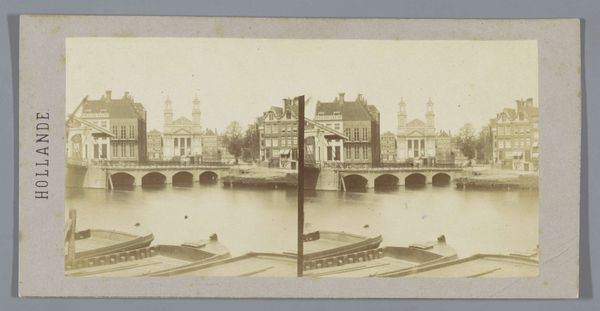
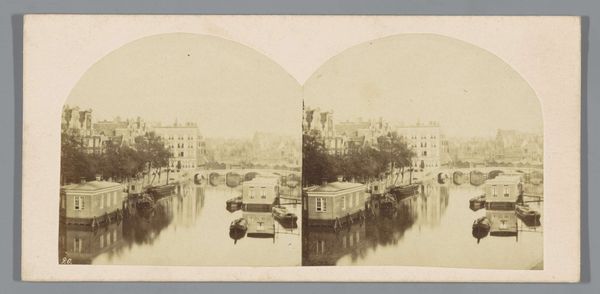
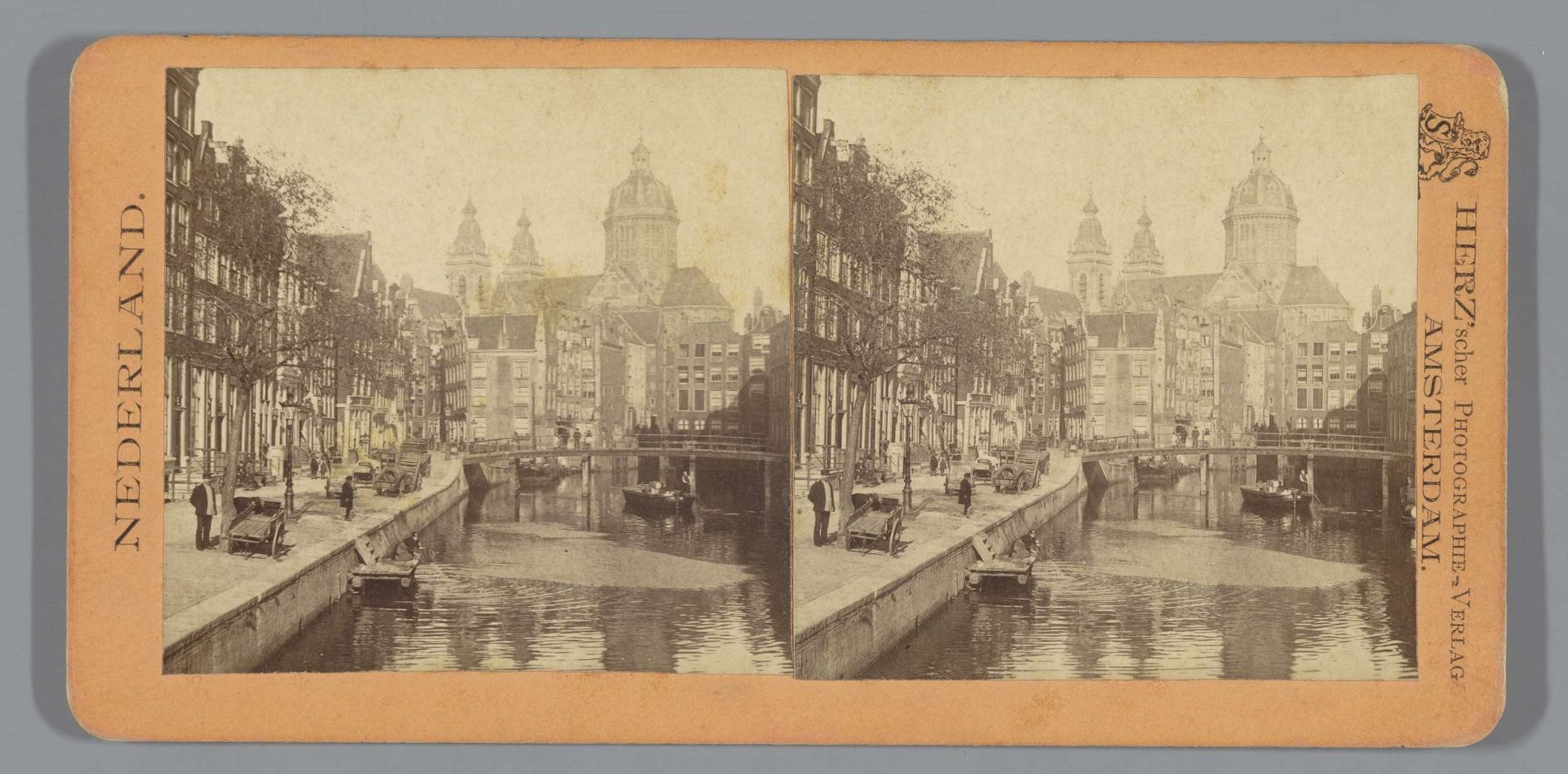
Sigmund Löw created this stereo card photograph of the Oudezijds Voorburgwal canal and the Sint-Nicolaaskerk in Amsterdam. Stereo cards like this one gained popularity in the late 19th century as a form of mass media, offering a glimpse into different parts of the world. Here, Löw presents a serene view of Amsterdam, emphasizing its architectural harmony. The Sint-Nicolaaskerk, a prominent landmark, is framed by the canal and surrounding buildings. This image subtly reinforces the city's identity and cultural pride. Stereo cards were often produced by commercial studios, such as the one that Löw worked for, and distributed widely. These images played a role in shaping perceptions of different cultures and places. By studying these photographs, alongside archival documents, we can gain insights into the social and cultural values of the time, and the ways in which institutions disseminated them. This helps us to understand the public role of art and visual imagery in shaping our understanding of the world.

Artwork details
- Medium
- photography
- Dimensions
- height 87 mm, width 180 mm
- Copyright
- Rijks Museum: Open Domain
Tags
16_19th-century
photography
19th century
cityscape
realism
Comments
No comments
About this artwork
Sigmund Löw created this stereo card photograph of the Oudezijds Voorburgwal canal and the Sint-Nicolaaskerk in Amsterdam. Stereo cards like this one gained popularity in the late 19th century as a form of mass media, offering a glimpse into different parts of the world. Here, Löw presents a serene view of Amsterdam, emphasizing its architectural harmony. The Sint-Nicolaaskerk, a prominent landmark, is framed by the canal and surrounding buildings. This image subtly reinforces the city's identity and cultural pride. Stereo cards were often produced by commercial studios, such as the one that Löw worked for, and distributed widely. These images played a role in shaping perceptions of different cultures and places. By studying these photographs, alongside archival documents, we can gain insights into the social and cultural values of the time, and the ways in which institutions disseminated them. This helps us to understand the public role of art and visual imagery in shaping our understanding of the world.
Comments
No comments