1875 - 1934
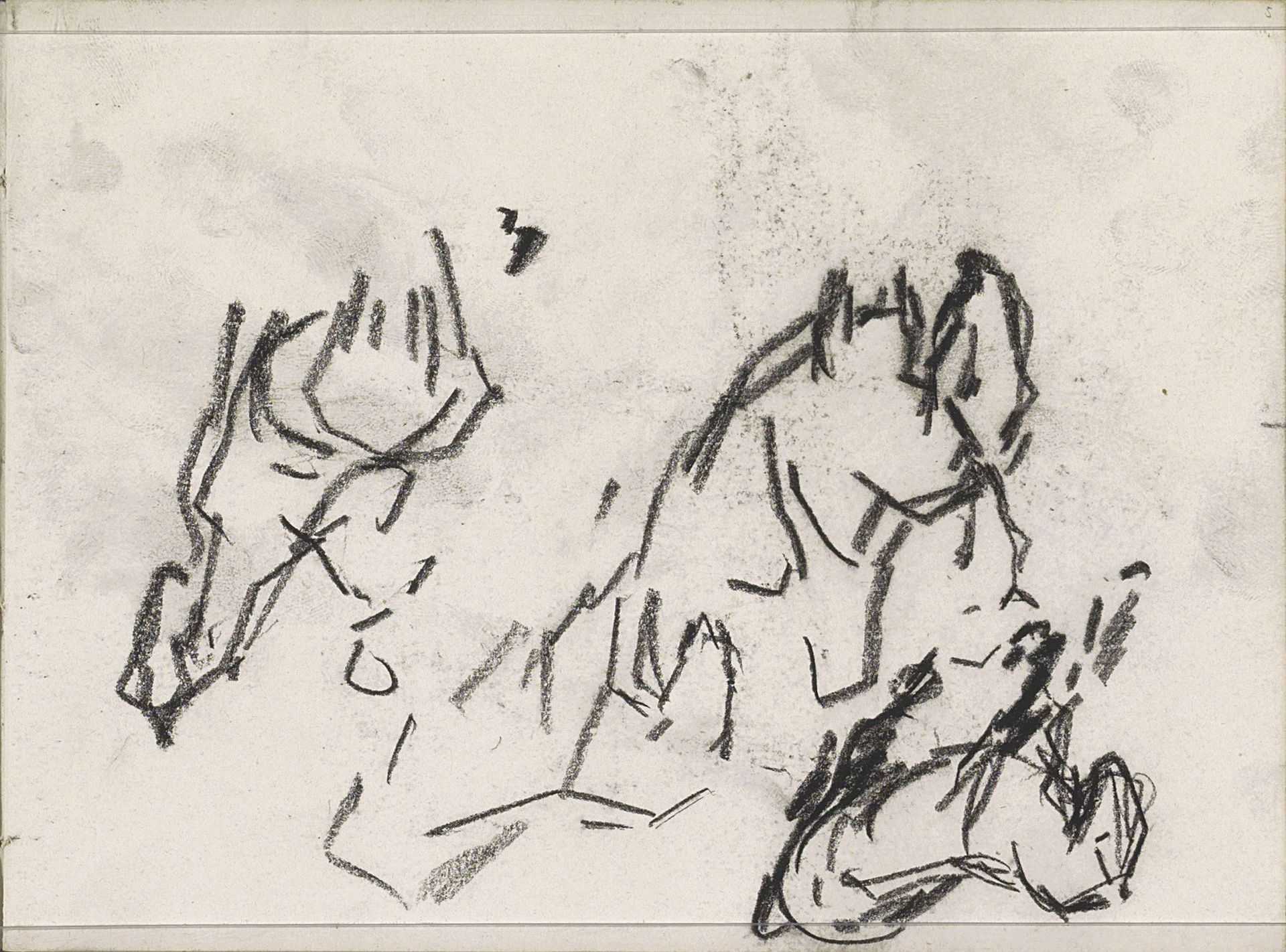
Paarden

Isaac Israels
1865 - 1934Location
RijksmuseumListen to curator's interpretation
Curatorial notes
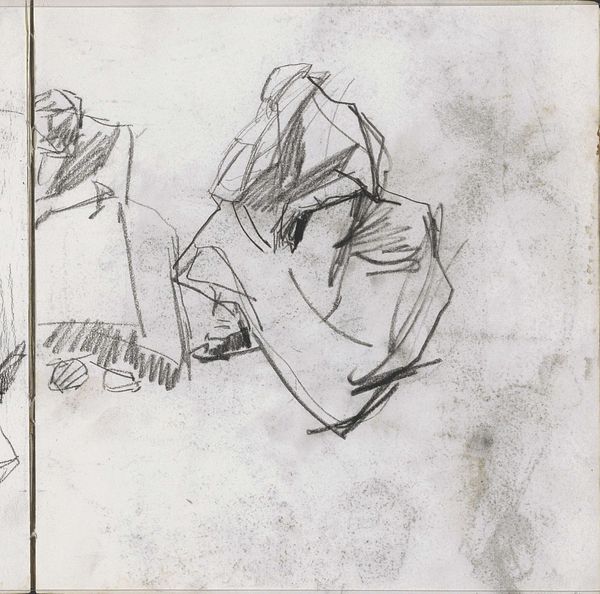
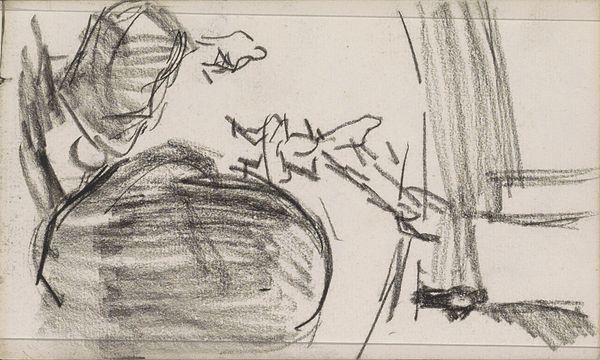
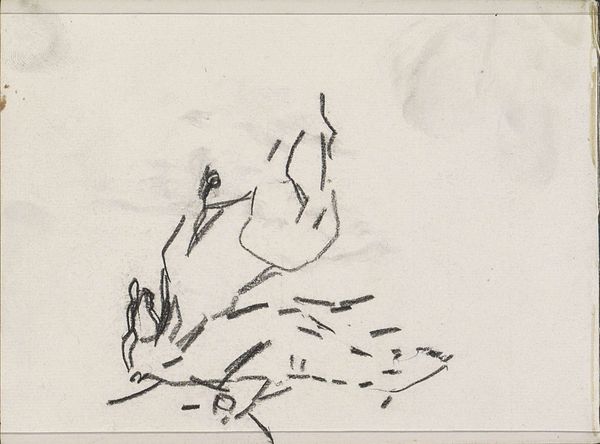
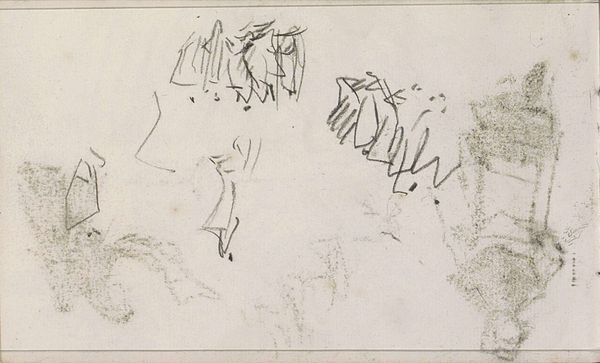
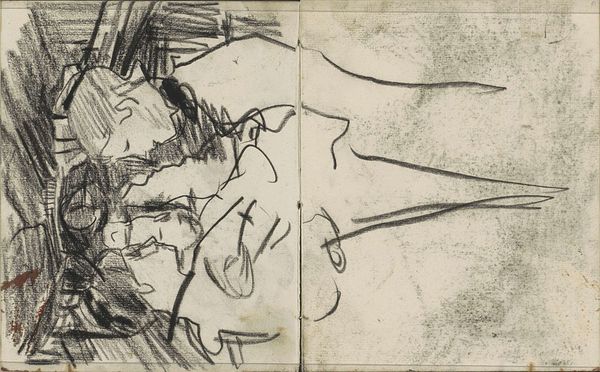
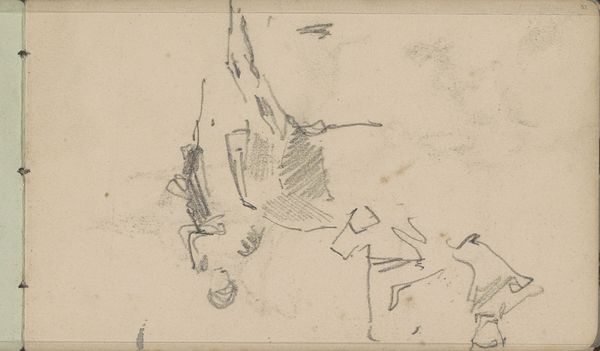
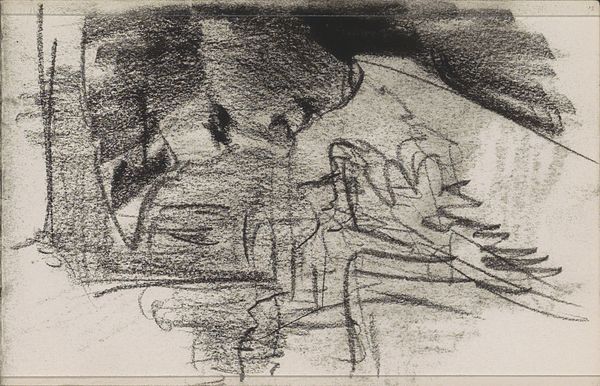
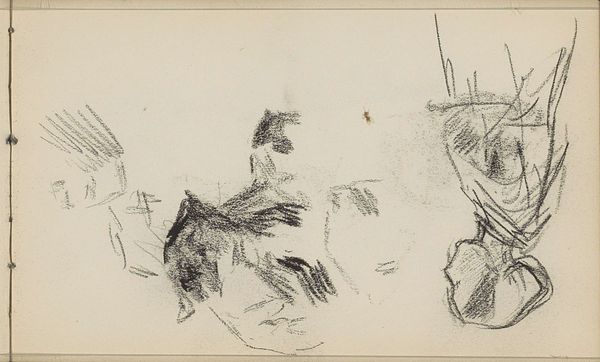
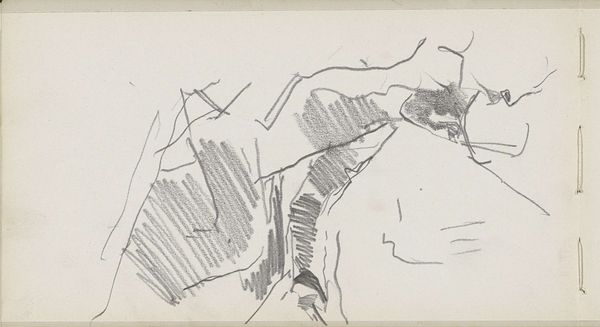
Editor: Here we have Isaac Israels' "Paarden," a graphite drawing from between 1875 and 1934. It looks almost unfinished, just quick lines suggesting the forms of horses. What do you see in this piece? Curator: The incomplete nature is key. Think about what the horse has meant across cultures – nobility, power, freedom, even death. These sketched lines, capturing a momentary impression of the animals, remind us that such potent symbols are always in flux, always being redefined. What aspects strike you most? Editor: I'm intrigued by how little detail there is, yet I still get a sense of movement. Curator: Precisely! That’s the power of suggestion. Israels taps into our pre-existing knowledge, our inherited understanding of “horse,” and allows us to complete the image. Each viewer carries a memory, a cultural weight, that informs their understanding. Do you think the absence of background detail adds to this? Editor: Definitely. It's like they exist outside of any specific time or place, almost archetypal. So the image’s meaning shifts, then, based on the viewer's cultural background? Curator: Exactly. For someone with no experience of horses, the drawing might convey only abstract shapes, lacking that connection to the deeper symbolism. But for others, these simple lines trigger a wealth of associations and emotions that are anything but abstract. Editor: That’s a completely different way to think about a drawing, to see how symbols and collective memories impact how the art work communicates meaning. Curator: Indeed. And that interaction—between the artwork, cultural memory, and the viewer—is where much of the art’s power resides. I'm leaving with an exciting new perspective on realism itself.