1764
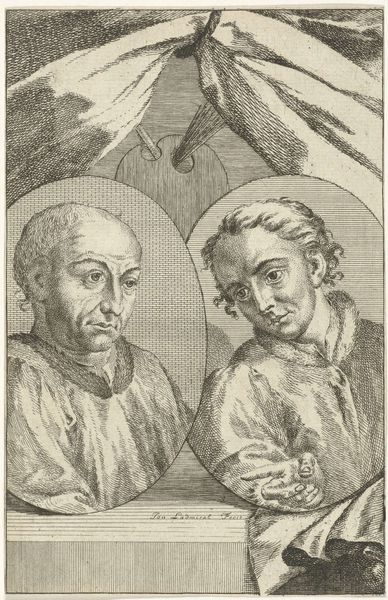
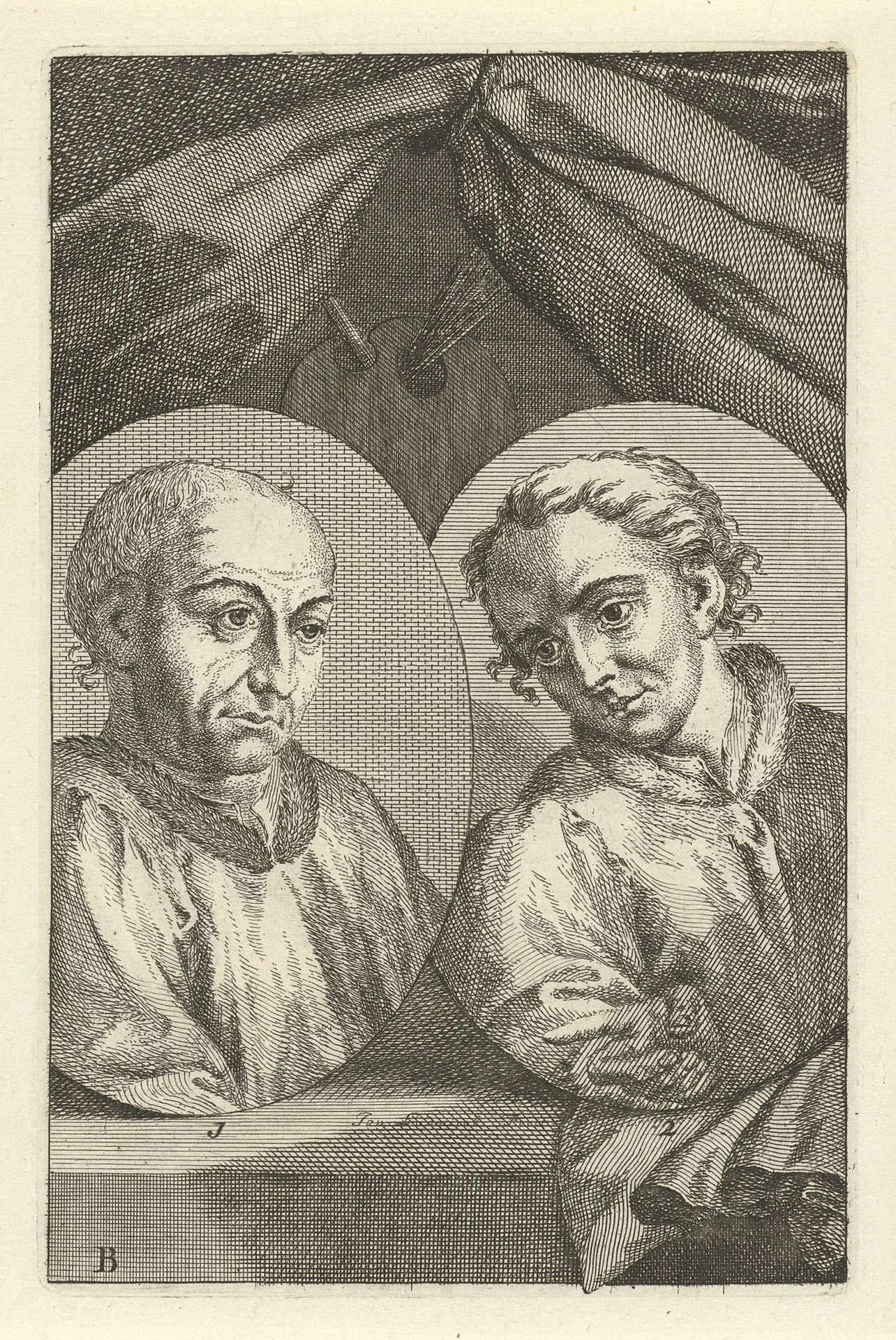
Dubbelportret van Jan en Hubert van Eyck

Listen to curator's interpretation
Curatorial notes
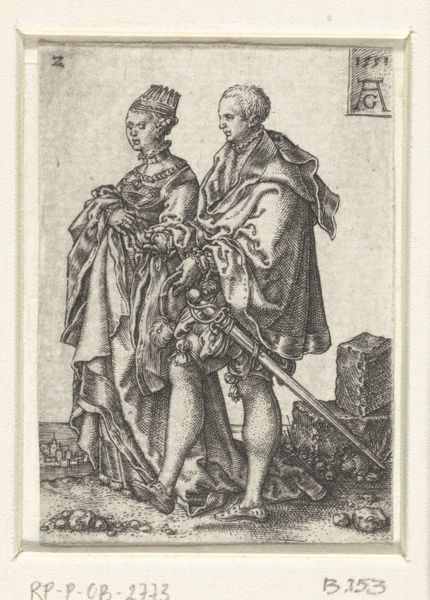
This is Jan l'Admiral's rendering of the van Eyck brothers. Immediately striking is the contrast between the two figures: one old, severe, and the other more youthful and contemplative. But let us look closer at the motif of the folded hands of the younger brother. It is a gesture that speaks volumes. Think of similar gestures across cultures, from praying figures in medieval art, each iteration charged with the weight of human emotion. The hands, intertwined, capture a moment of introspection. Gestures like these trigger something primal. They act as a bridge across time, each reappearance resonating with our collective memory. Observe how the interpretation of folded hands has shifted. Is it reverence, quiet defiance, or perhaps a hidden tension? The gesture echoes, taking on new meanings, yet always hinting at the underlying human condition. Such imagery engages viewers on a subconscious level, demonstrating that these emotional and psychological aspects are a powerful force. The progression of this symbol is non-linear and cyclical; it resurfaces, evolves, and takes on new meanings in different historical contexts.