About this artwork
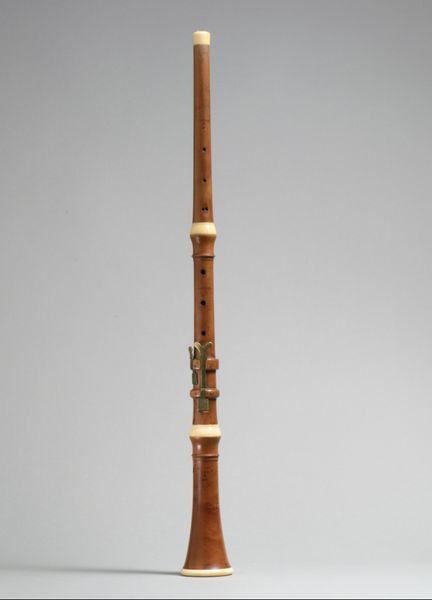
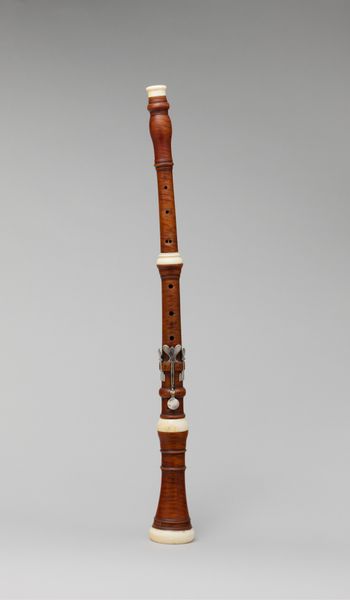
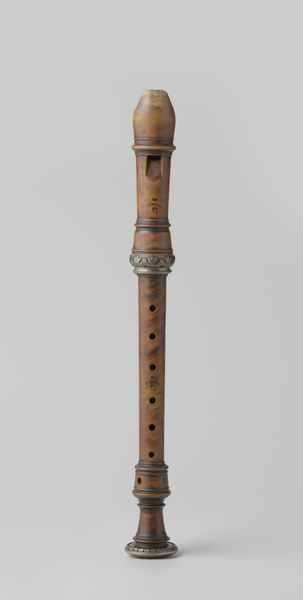
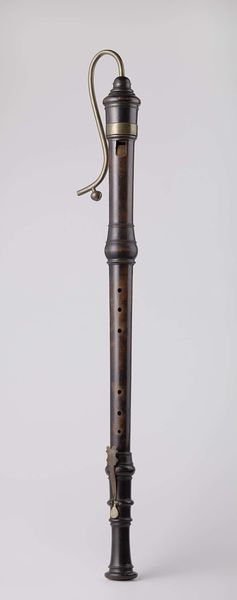
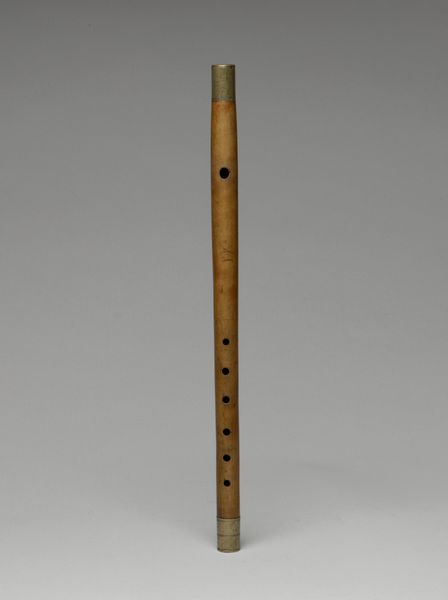
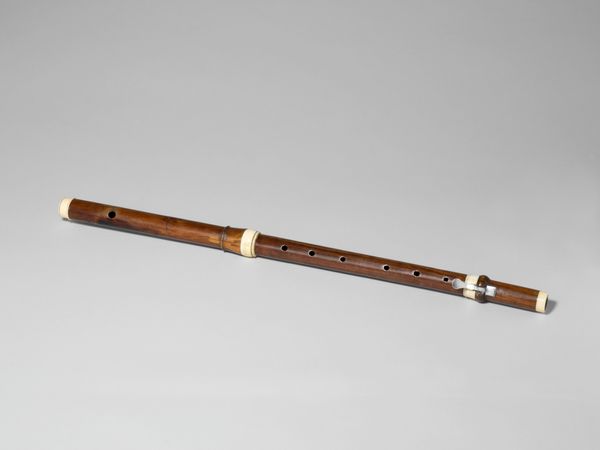
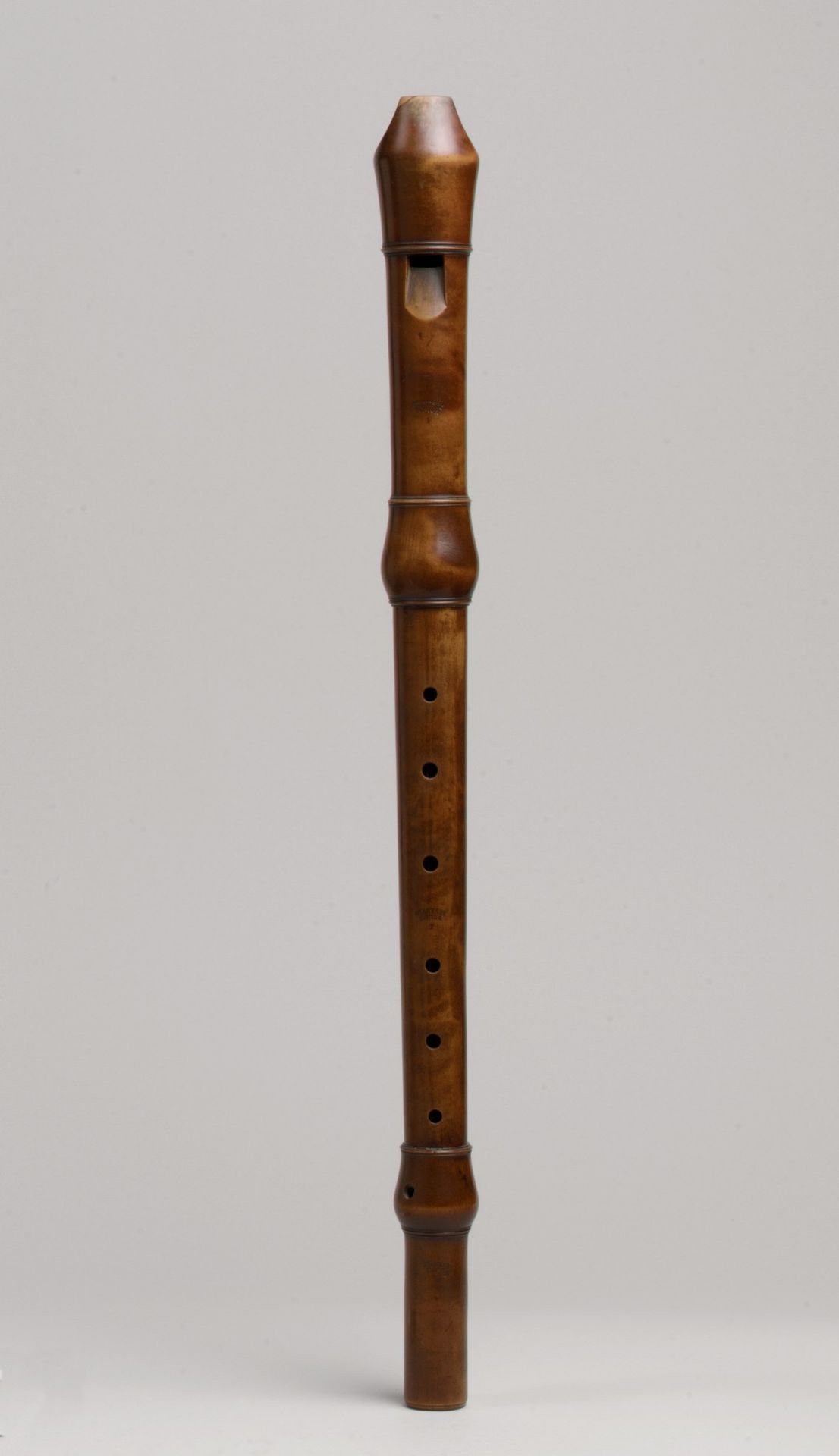
The Metropolitan Museum of Art holds this "Alto Recorder in F" made by Thomas Stanesby Jr. At first glance, the instrument strikes a chord through its simple yet elegant form. The warm, brown hue of the wood invites us to trace the smooth, cylindrical body of the recorder. Note how the precision-placed finger holes punctuate its surface, each a carefully considered void within the solid form. The recorder's design reflects the era’s focus on symmetry and proportion. The instrument is divided into distinct sections, each articulated by subtle changes in diameter. These divisions aren't merely decorative; they reflect an understanding of acoustics, a harmony between form and function. Consider the intentionality behind the recorder's design. It is not only a tool for producing music, but also an expression of cultural values. It stands as a testament to the intersection of art, science, and the human desire for harmony. Each element serves a purpose, creating a unified whole. The recorder invites ongoing examination of sound and symbol.
Alto Recorder in F
1745 - 1755

Thomas Stanesby Jr.
@thomasstanesbyjr
The Metropolitan Museum of Art
Metropolitan Museum of Art, New York, NYArtwork details
- Medium
- wood
- Dimensions
- Overall: 49.6cm (19 1/2in.)
- Location
- Metropolitan Museum of Art, New York, NY
- Copyright
- Public Domain
Tags
Comments
Share your thoughts
About this artwork
The Metropolitan Museum of Art holds this "Alto Recorder in F" made by Thomas Stanesby Jr. At first glance, the instrument strikes a chord through its simple yet elegant form. The warm, brown hue of the wood invites us to trace the smooth, cylindrical body of the recorder. Note how the precision-placed finger holes punctuate its surface, each a carefully considered void within the solid form. The recorder's design reflects the era’s focus on symmetry and proportion. The instrument is divided into distinct sections, each articulated by subtle changes in diameter. These divisions aren't merely decorative; they reflect an understanding of acoustics, a harmony between form and function. Consider the intentionality behind the recorder's design. It is not only a tool for producing music, but also an expression of cultural values. It stands as a testament to the intersection of art, science, and the human desire for harmony. Each element serves a purpose, creating a unified whole. The recorder invites ongoing examination of sound and symbol.
Comments
Share your thoughts