
Curatorial notes
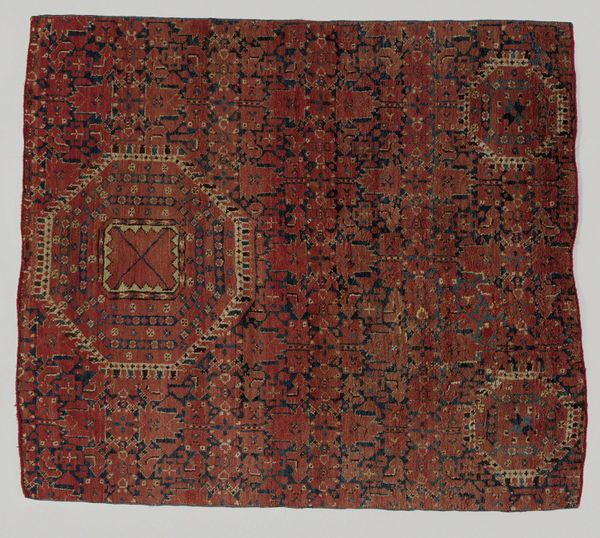
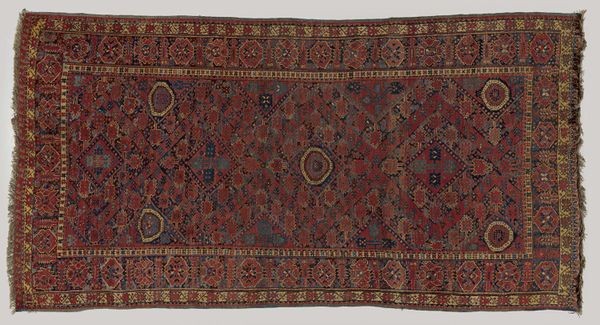
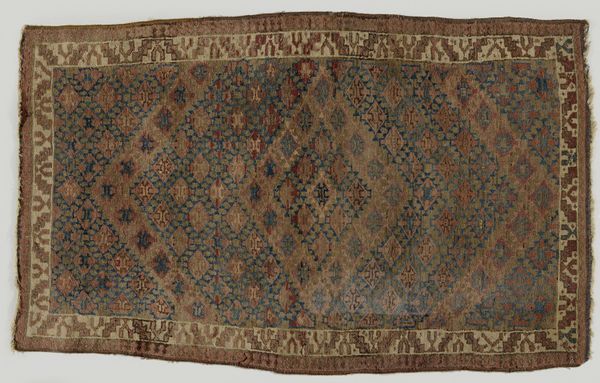
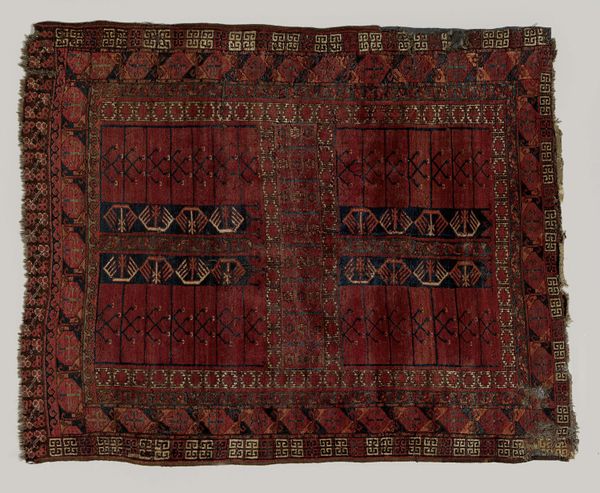
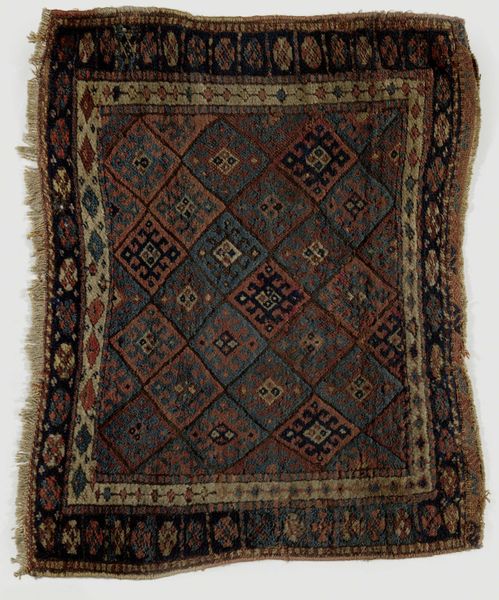
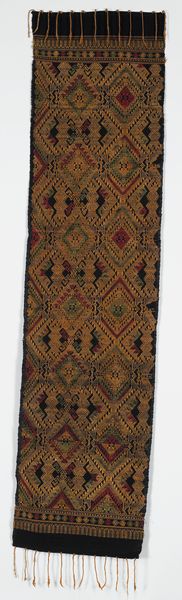
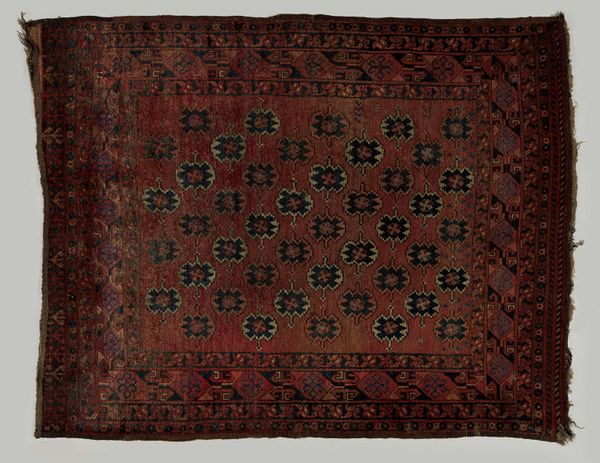
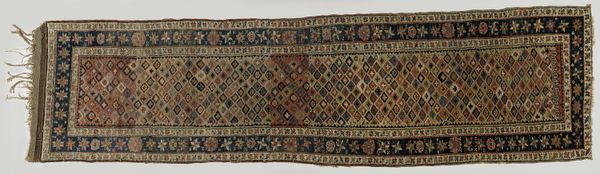
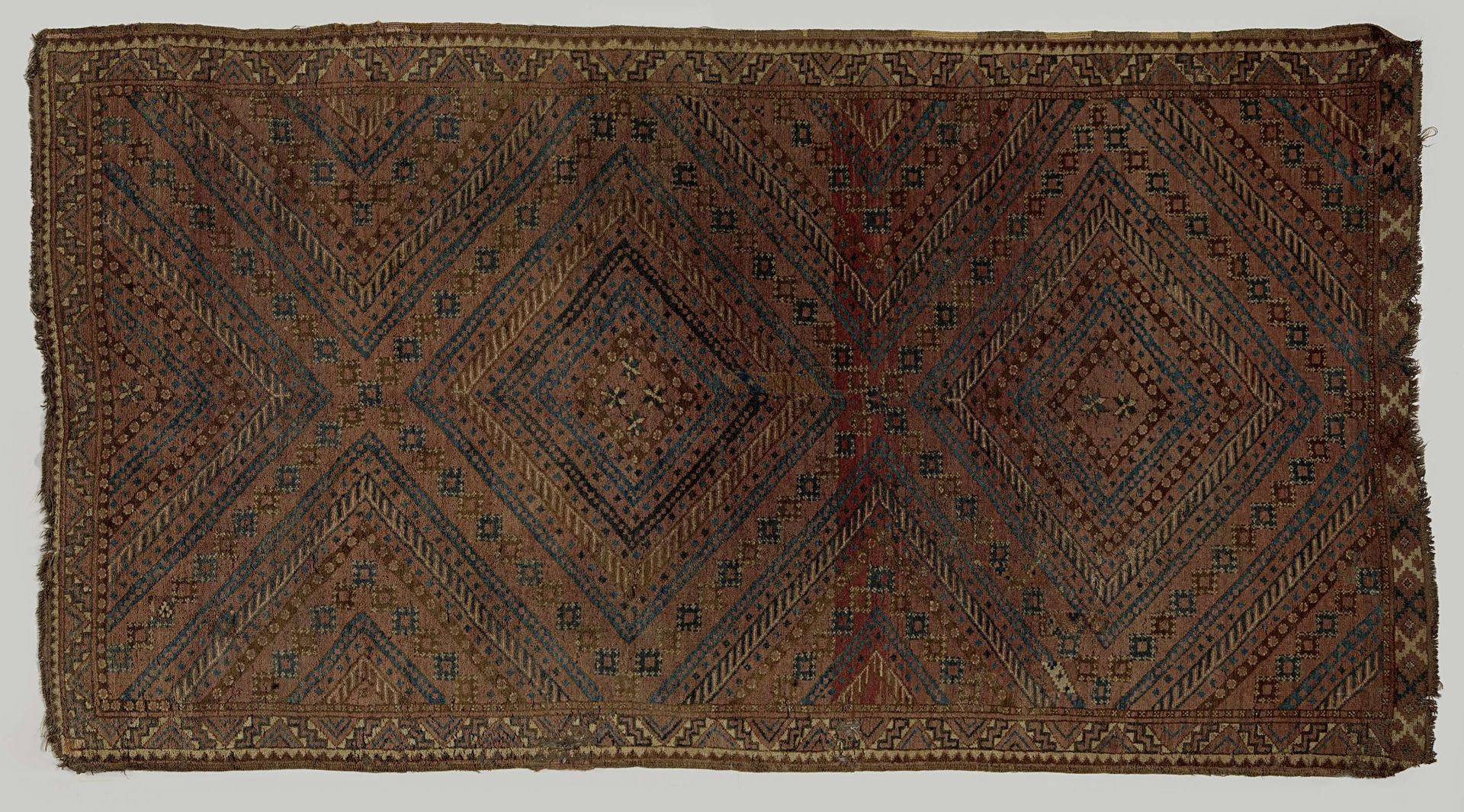
This carpet was woven by the Ersari people, presenting us with a rich array of symbols passed down through generations. Dominating the field are the repeating diamond motifs, perhaps representing stylized renditions of family emblems. This emphasis on geometric patterns speaks to a deeper cultural impulse, a way of ordering the world. These shapes echo across time in numerous cultures – from ancient Mesopotamian textiles to modern-day decorative arts. The diamond is not merely a shape; it's a vessel of meaning. It might symbolize protection, abundance, or even the eyes of ancestral spirits watching over the community. Think about the lozenge patterns found in Paleolithic art, often interpreted as symbols of fertility or the divine feminine. Over millennia, this form has resurfaced, each time imbued with fresh cultural significance while retaining echoes of its ancient origins. The power of the diamond resides in its continuous renewal, as if the collective unconscious perpetually seeks to express fundamental truths through this timeless symbol.