About this artwork
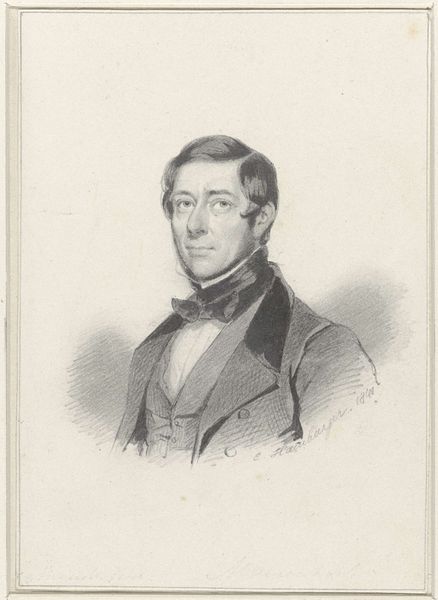
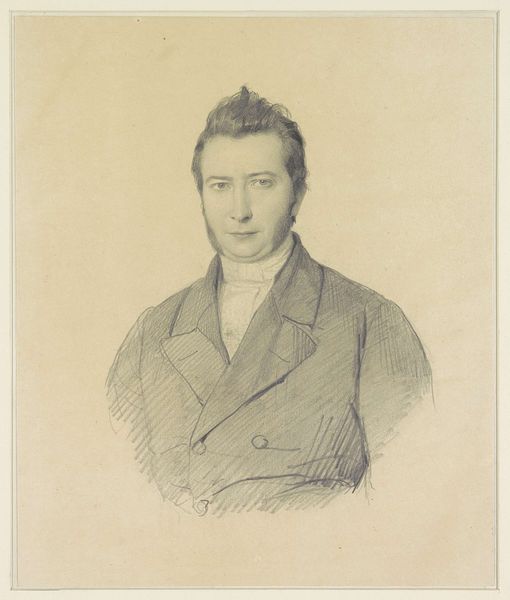
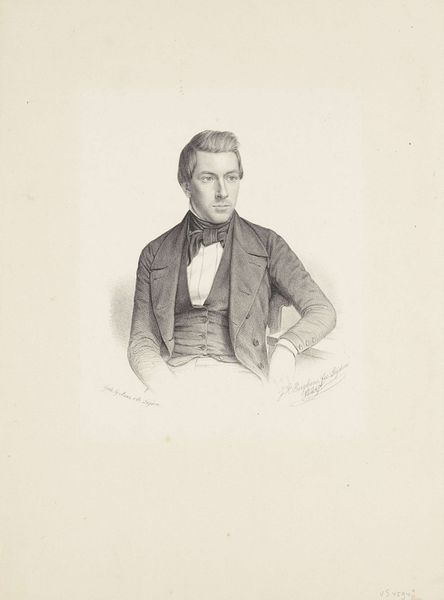
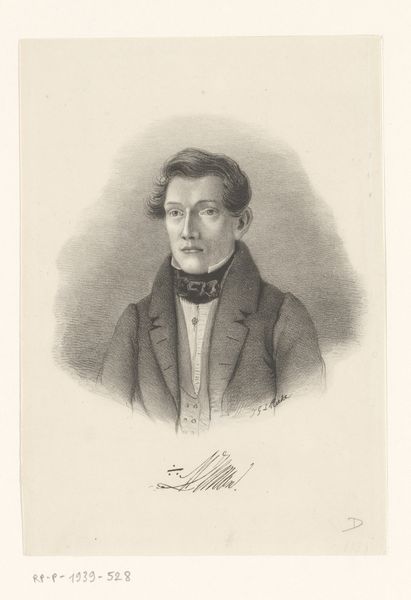
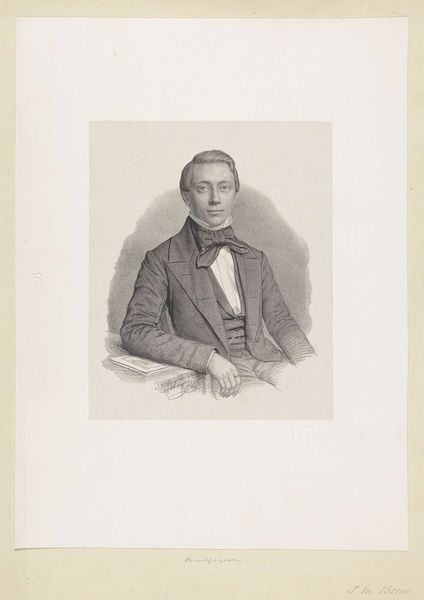
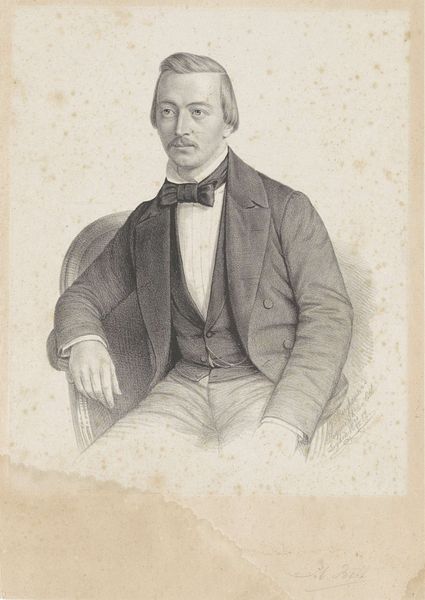
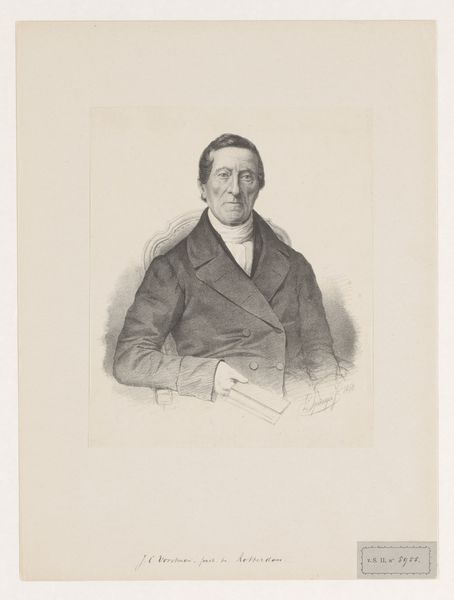
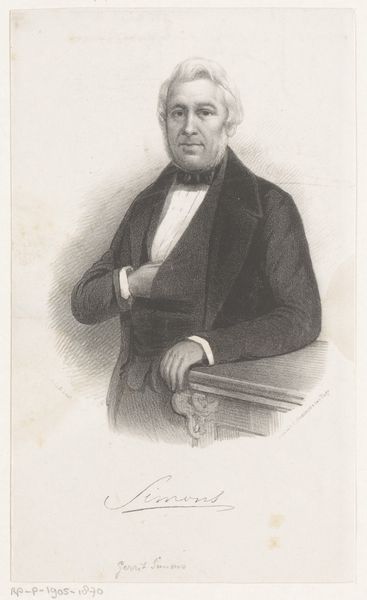
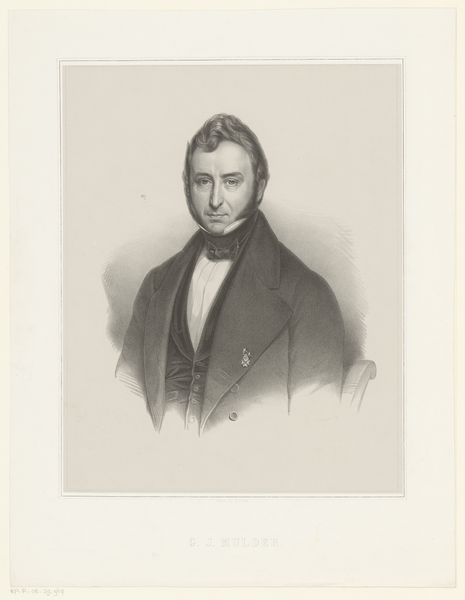
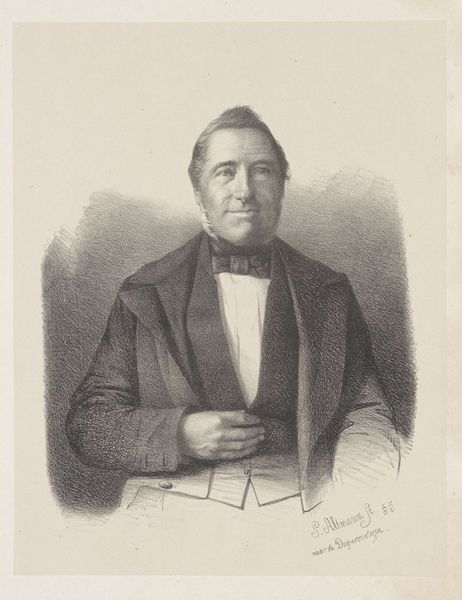
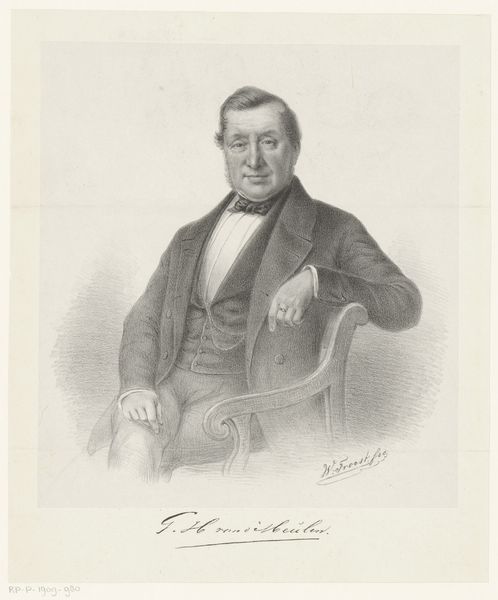
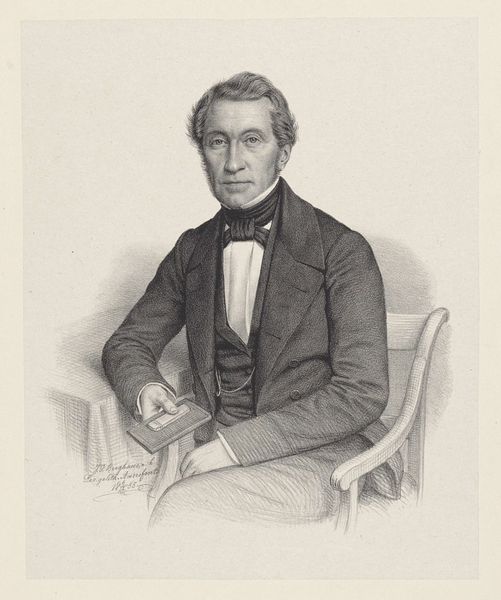
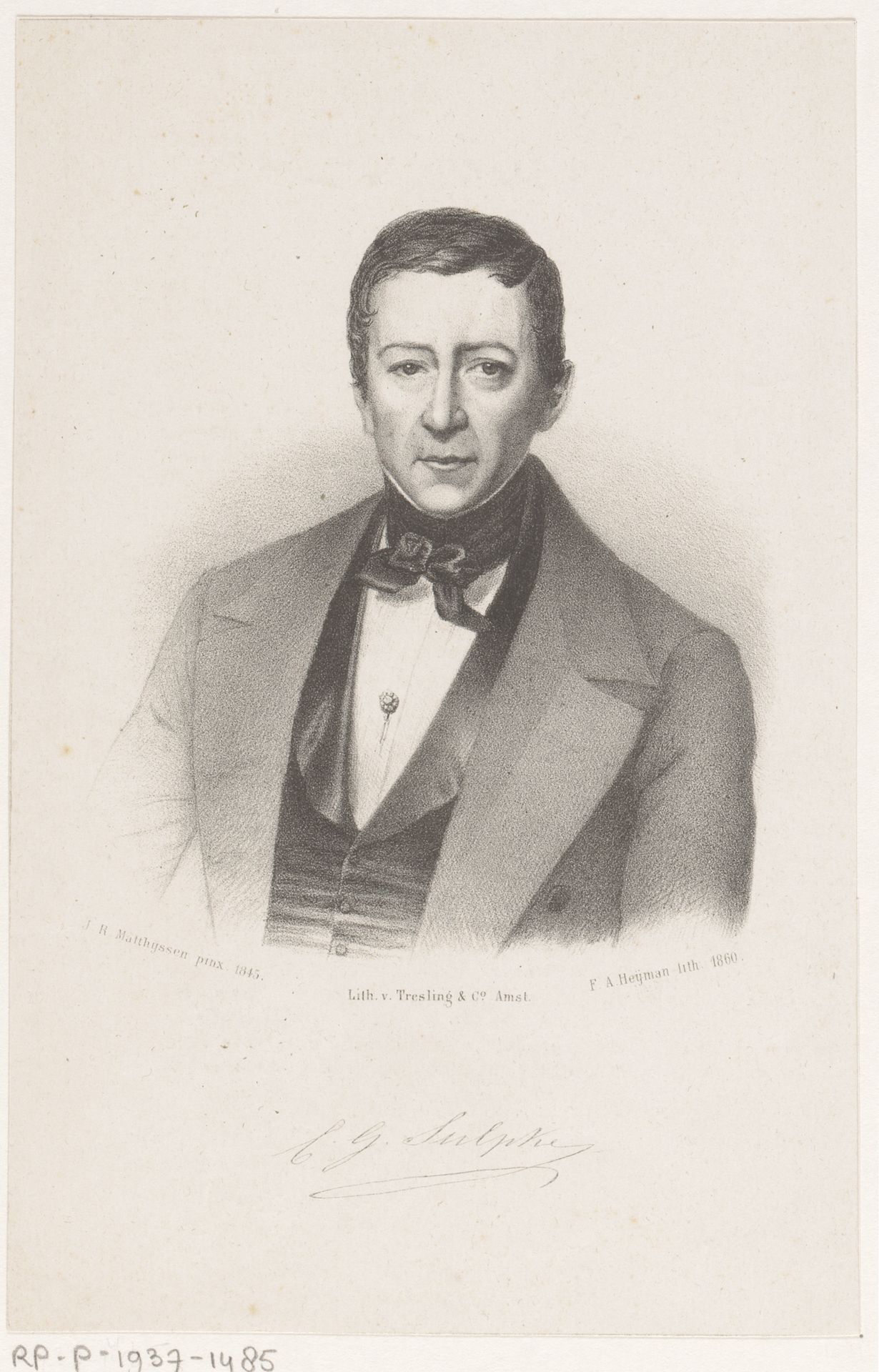
Frederik August Heyman created this lithograph titled "Portret van Cristiaan George Sulpke" sometime in the mid-19th century. As portraiture became more accessible to the middle class, it also became an important marker of social status. Heyman’s portrait captures Sulpke in a way that reinforces his position in society, and presents him as a figure of importance. The formal attire and the carefully rendered features speak to the subject's refined status and the conventions of power. Yet, in its realism, the lithograph presents a subtle democratization of portraiture compared to the grandeur of painted portraits of the aristocracy. What does it mean to capture someone’s identity through an image, and how does that image then circulate in the public sphere? This portrait invites us to reflect on how we perceive and portray each other, and the stories we tell about ourselves and others.

Artwork details
- Dimensions
- height 195 mm, width 126 mm
- Location
- Rijksmuseum
- Copyright
- Rijks Museum: Open Domain
Comments
Share your thoughts
About this artwork
Frederik August Heyman created this lithograph titled "Portret van Cristiaan George Sulpke" sometime in the mid-19th century. As portraiture became more accessible to the middle class, it also became an important marker of social status. Heyman’s portrait captures Sulpke in a way that reinforces his position in society, and presents him as a figure of importance. The formal attire and the carefully rendered features speak to the subject's refined status and the conventions of power. Yet, in its realism, the lithograph presents a subtle democratization of portraiture compared to the grandeur of painted portraits of the aristocracy. What does it mean to capture someone’s identity through an image, and how does that image then circulate in the public sphere? This portrait invites us to reflect on how we perceive and portray each other, and the stories we tell about ourselves and others.
Comments
Share your thoughts