About this artwork
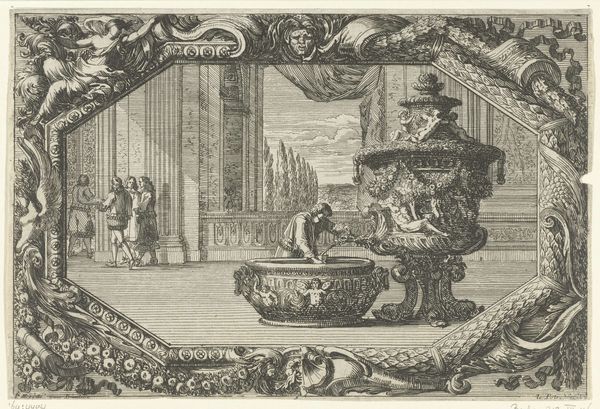
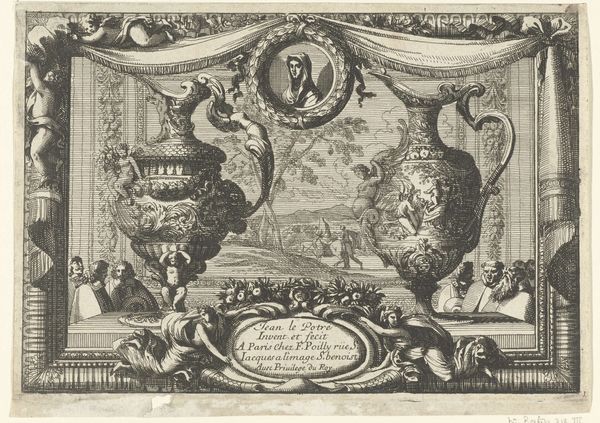
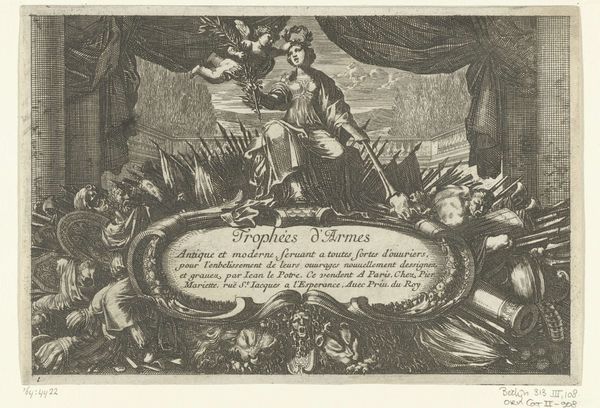
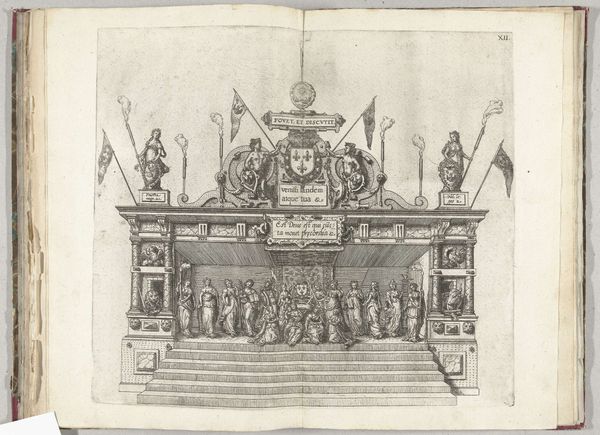
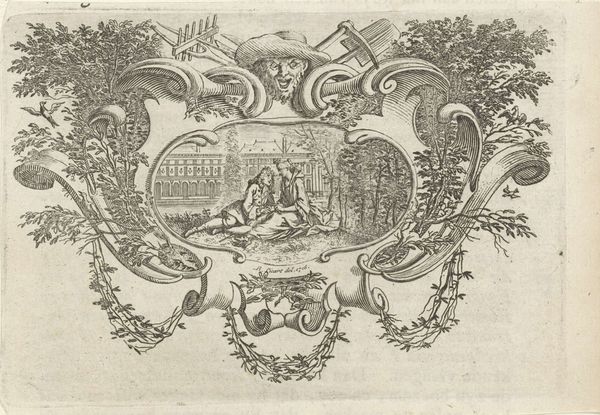
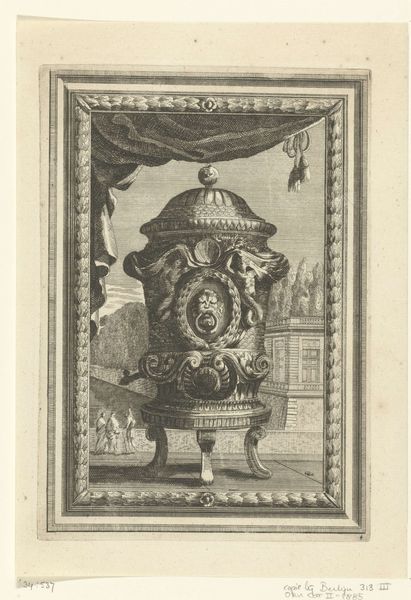
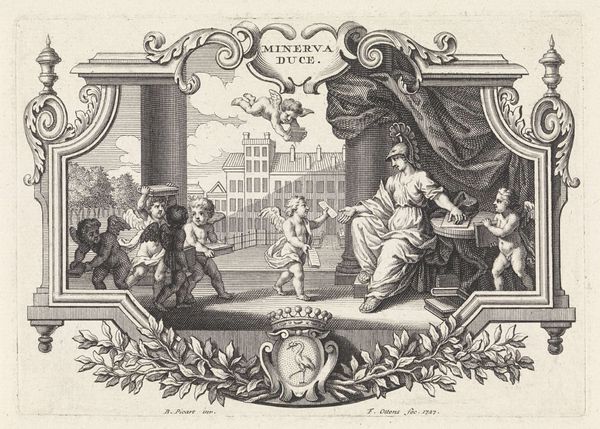
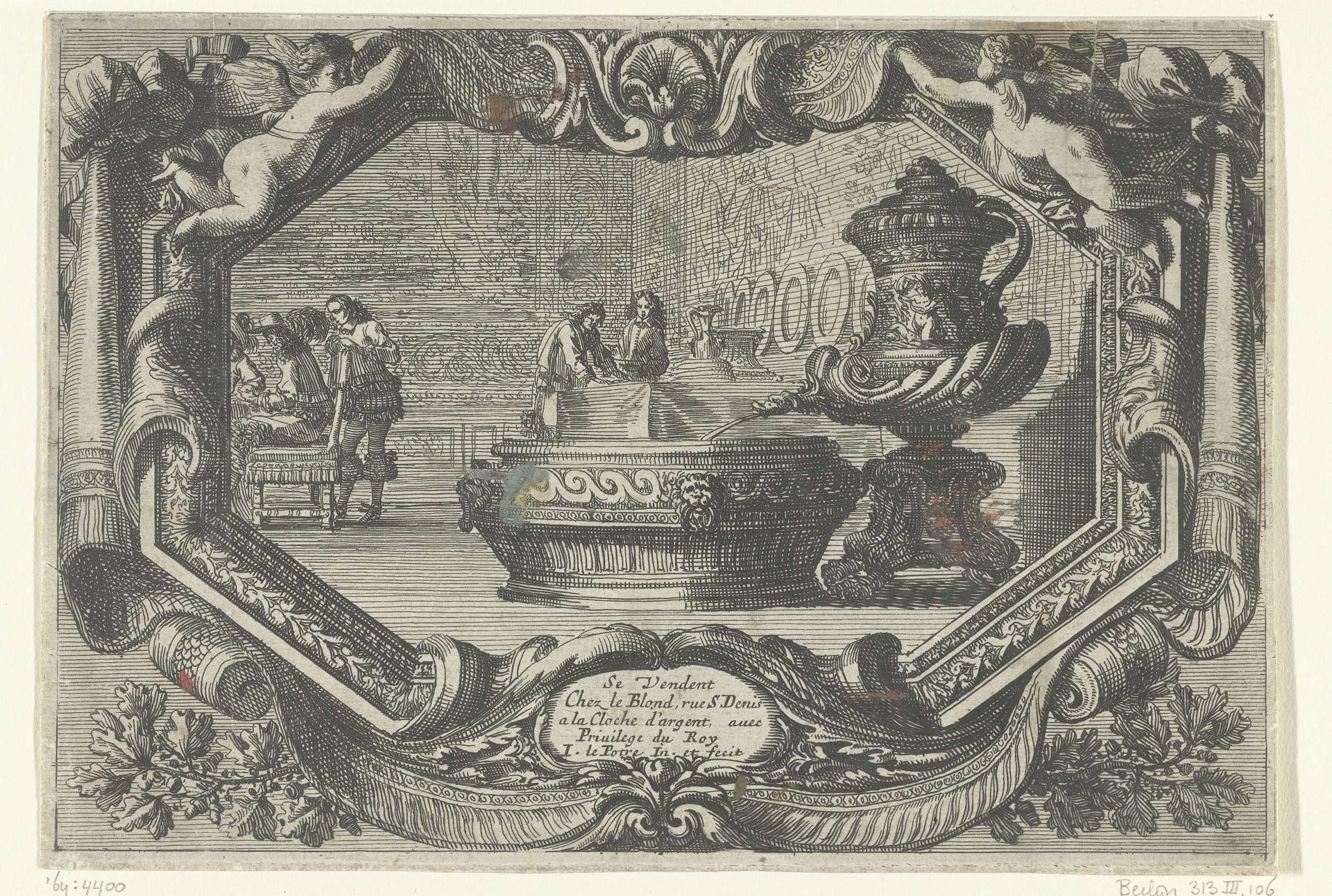
Jean Lepautre made this print of mobile water fountains in France sometime in the mid-17th century. Lepautre was a designer and engraver, and his prints often served as models for other artists and artisans. This particular print is an advertisement for a series of fountains and water basins, and it reflects the growing interest in elaborate garden design among the French aristocracy at the time. The print gives us a glimpse into the world of courtly life, where extravagant displays of wealth and power were commonplace. The fountains themselves are ornate and decorative, with classical motifs and intricate carvings. They’re set within an even more elaborate frame with cherubs and cartouches, signaling the importance of aristocratic patronage in the arts at this time. To understand more about the social conditions that shaped this image, we could look at period documents such as royal inventories, garden designs, and even personal letters. By studying these sources, we can gain a richer understanding of the cultural and institutional context in which Lepautre's print was created.
Titelblad: Mobiele waterfonteinen en waterbassins in cartouches c. 1650 - 1657

Jean Lepautre
1618 - 1682Location
RijksmuseumArtwork details
- Medium
- drawing, print, engraving
- Dimensions
- height 149 mm, width 217 mm
- Location
- Rijksmuseum
- Copyright
- Rijks Museum: Open Domain
Tags
drawing
baroque
pen drawing
figuration
line
genre-painting
engraving
Comments
No comments
About this artwork
Jean Lepautre made this print of mobile water fountains in France sometime in the mid-17th century. Lepautre was a designer and engraver, and his prints often served as models for other artists and artisans. This particular print is an advertisement for a series of fountains and water basins, and it reflects the growing interest in elaborate garden design among the French aristocracy at the time. The print gives us a glimpse into the world of courtly life, where extravagant displays of wealth and power were commonplace. The fountains themselves are ornate and decorative, with classical motifs and intricate carvings. They’re set within an even more elaborate frame with cherubs and cartouches, signaling the importance of aristocratic patronage in the arts at this time. To understand more about the social conditions that shaped this image, we could look at period documents such as royal inventories, garden designs, and even personal letters. By studying these sources, we can gain a richer understanding of the cultural and institutional context in which Lepautre's print was created.
Comments
No comments