About this artwork
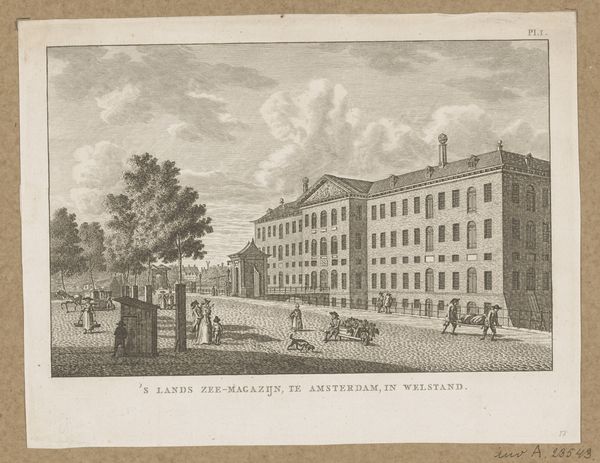
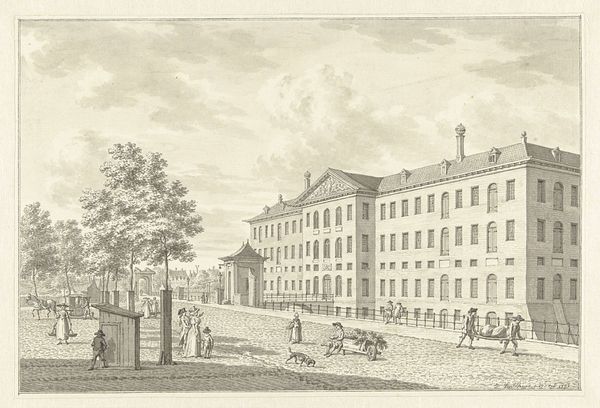
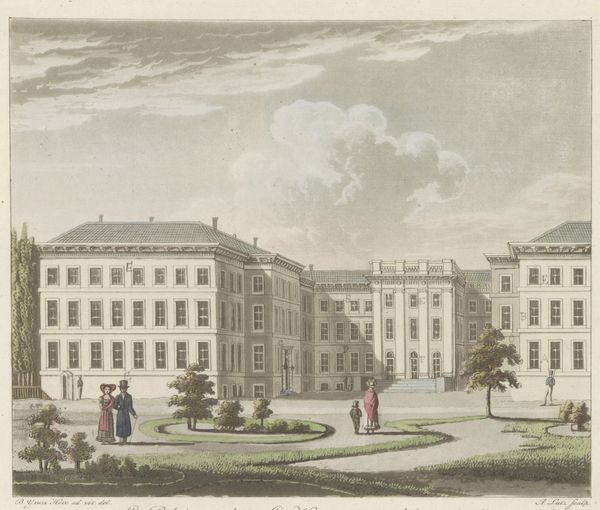
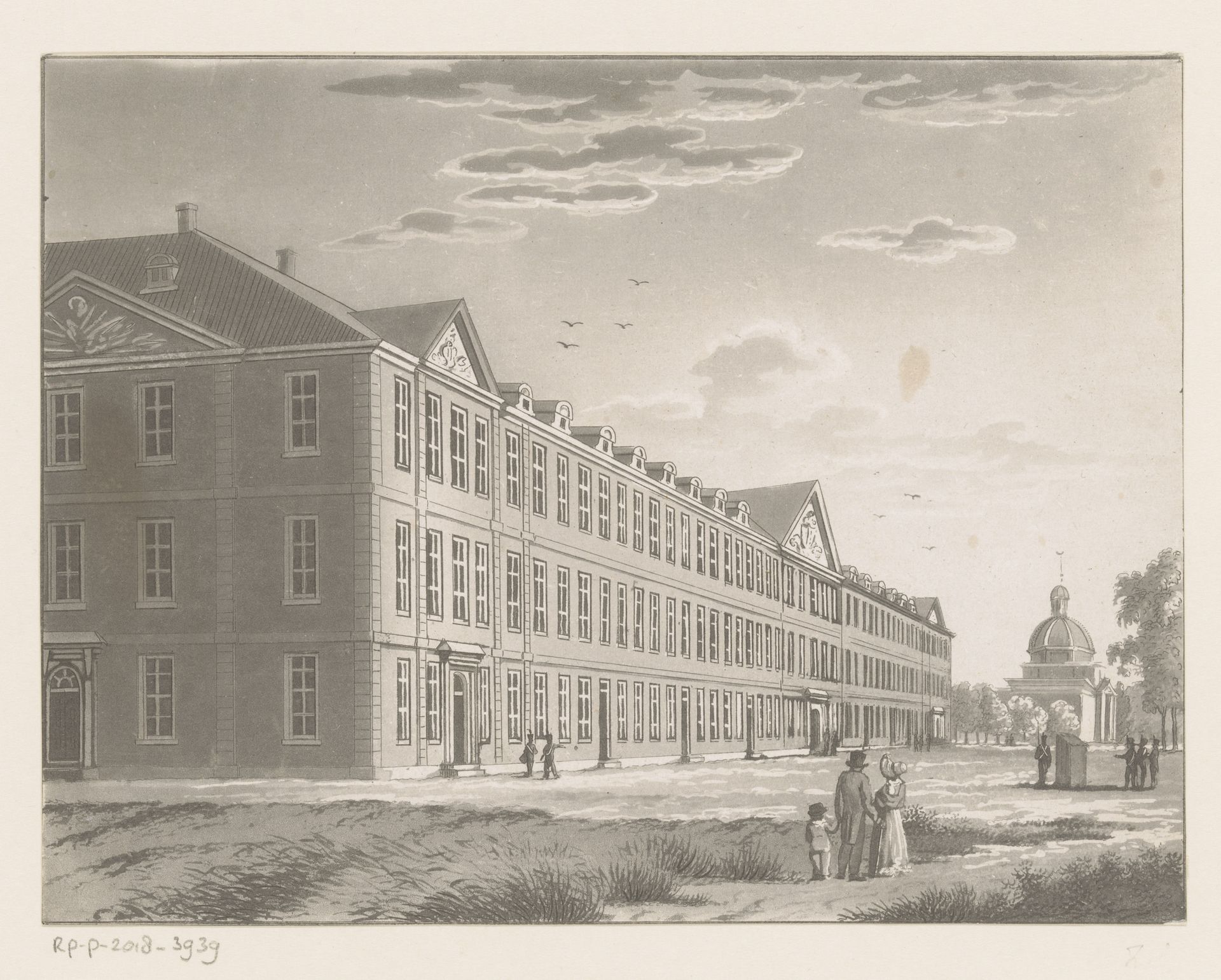
Cornelis de Kruyff made this print of the Oranje-Nassau Barracks in Amsterdam, using etching and possibly other techniques. It is a vision of institutional order, rendered in careful detail. The print, while seemingly a straightforward depiction, is a product of its time. Made in the early 19th century, it reflects the values of the Dutch Kingdom, which had just been established after the Napoleonic era. The imposing architecture of the barracks speaks to the state's power. The presence of citizens strolling in the foreground suggests an acceptance of, or perhaps an imposed harmony between, the military and civilian life. Was the artist commissioned to create this image, and if so, what was its intended use? Was it meant to project strength, stability, or a sense of national pride? These are the questions that a social historian might ask. By consulting period documents we can better understand the relationship between the state, its military, and the public perception thereof. The meaning of art is always bound to its social and institutional context.
Gezicht op de Oranje-Nassau Kazerne te Amsterdam
1825

Cornelis de Kruyff
1774 - 1828Location
RijksmuseumArtwork details
- Medium
- print, engraving
- Dimensions
- height 136 mm, width 180 mm
- Location
- Rijksmuseum
- Copyright
- Rijks Museum: Open Domain
Tags
Comments
Share your thoughts
About this artwork
Cornelis de Kruyff made this print of the Oranje-Nassau Barracks in Amsterdam, using etching and possibly other techniques. It is a vision of institutional order, rendered in careful detail. The print, while seemingly a straightforward depiction, is a product of its time. Made in the early 19th century, it reflects the values of the Dutch Kingdom, which had just been established after the Napoleonic era. The imposing architecture of the barracks speaks to the state's power. The presence of citizens strolling in the foreground suggests an acceptance of, or perhaps an imposed harmony between, the military and civilian life. Was the artist commissioned to create this image, and if so, what was its intended use? Was it meant to project strength, stability, or a sense of national pride? These are the questions that a social historian might ask. By consulting period documents we can better understand the relationship between the state, its military, and the public perception thereof. The meaning of art is always bound to its social and institutional context.
Comments
Share your thoughts