About this artwork
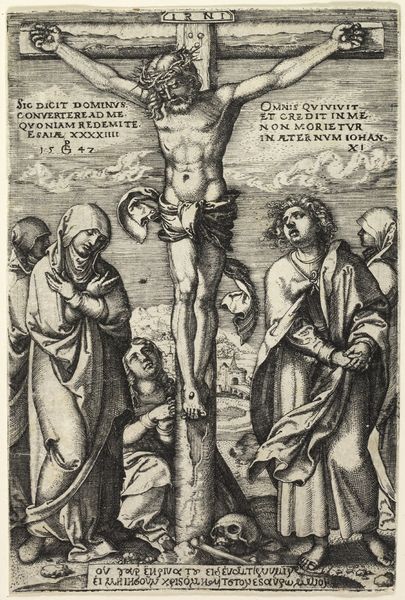
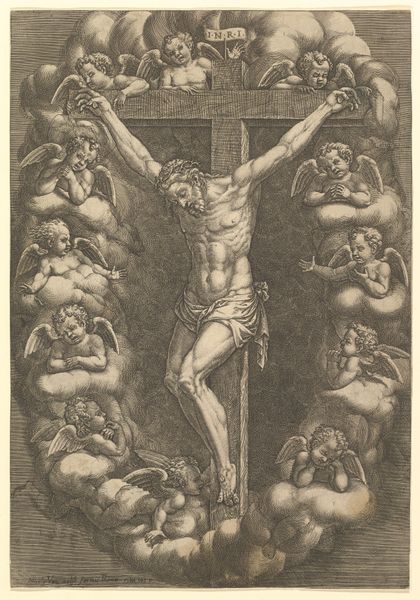
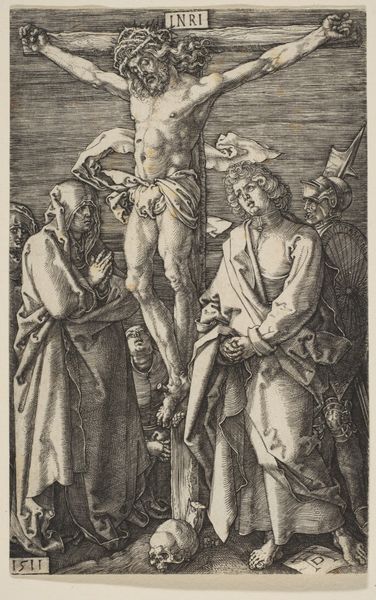
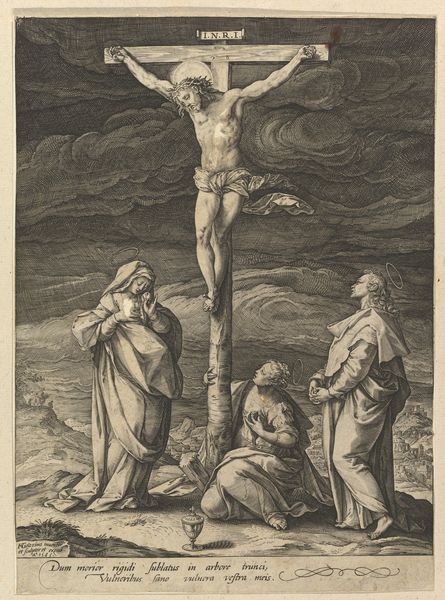
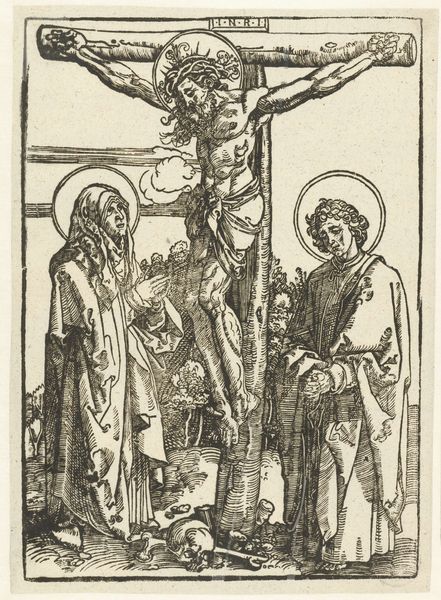
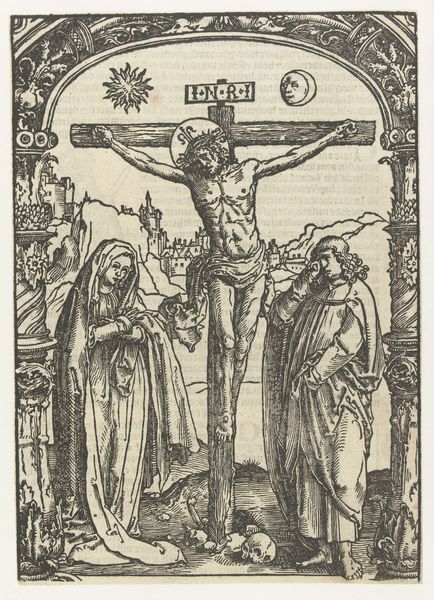
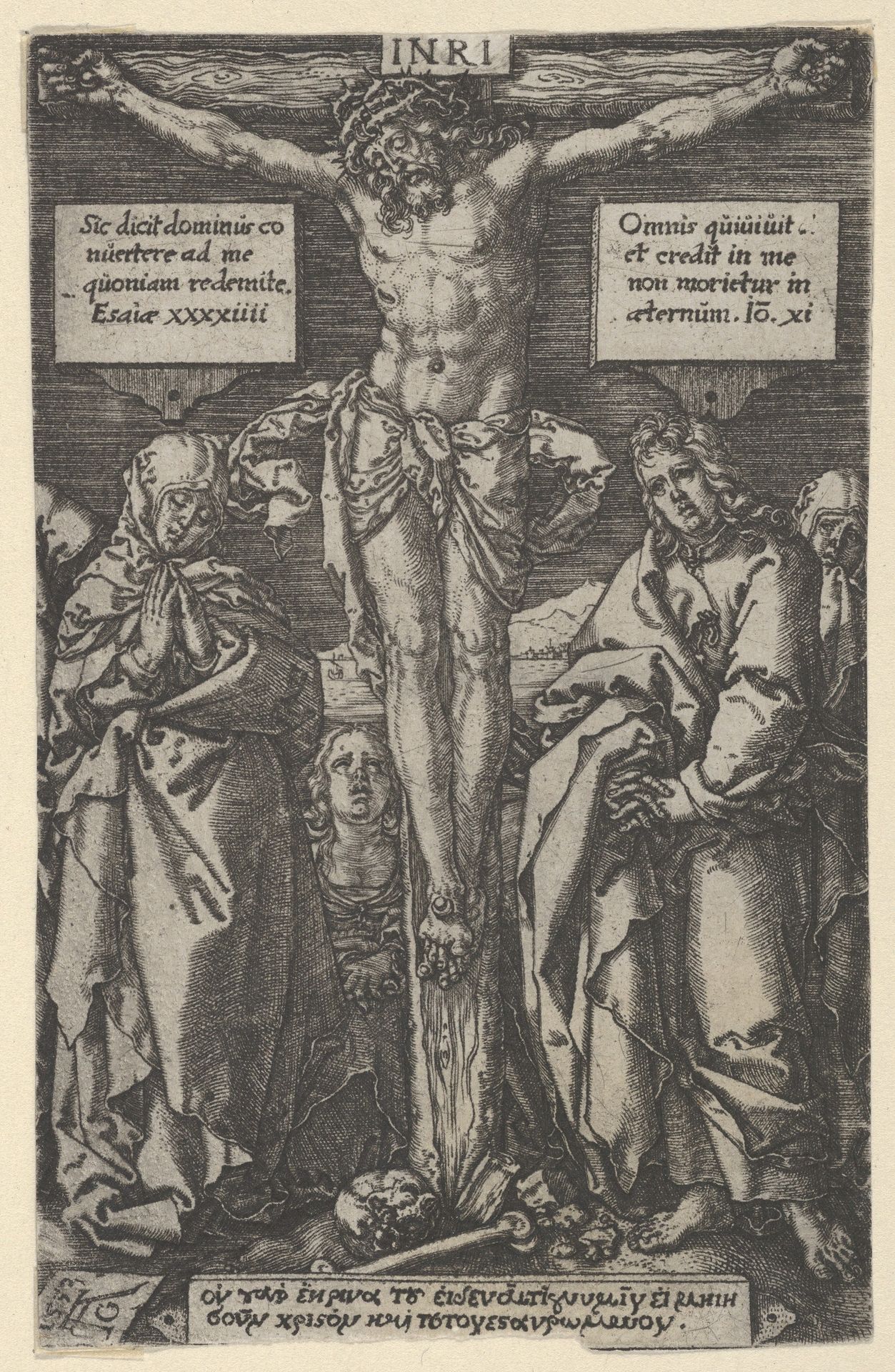
Heinrich Aldegrever made this tiny engraving of Christ on the Cross in Germany, sometime in the first half of the sixteenth century. The image comes to us out of the Protestant Reformation, and we can understand it as a powerful statement of faith for those breaking away from the Catholic Church. The traditional iconography of the crucifixion is here, but it's been sharpened. On either side of Christ are inscriptions in Latin that quote scripture. At the foot of the cross, in even smaller letters, we find biblical texts in Greek. By filling the scene with holy scripture, Aldegrever reinforces the reformed idea that faith comes through the word, not the church. As historians, we can look to religious pamphlets and other printed materials from this period in order to understand the full impact of Aldegrever's print. The meaning of art is always contingent on social context.
Christ on the Cross
1553

Heinrich Aldegrever
1502 - 1561
The Metropolitan Museum of Art
Metropolitan Museum of Art, New York, NYArtwork details
- Medium
- drawing, print, intaglio, engraving
- Dimensions
- Sheet: 4 1/2 × 2 7/8 in. (11.4 × 7.3 cm)
- Location
- Metropolitan Museum of Art, New York, NY
- Copyright
- Public Domain
Tags
Comments
Share your thoughts
About this artwork
Heinrich Aldegrever made this tiny engraving of Christ on the Cross in Germany, sometime in the first half of the sixteenth century. The image comes to us out of the Protestant Reformation, and we can understand it as a powerful statement of faith for those breaking away from the Catholic Church. The traditional iconography of the crucifixion is here, but it's been sharpened. On either side of Christ are inscriptions in Latin that quote scripture. At the foot of the cross, in even smaller letters, we find biblical texts in Greek. By filling the scene with holy scripture, Aldegrever reinforces the reformed idea that faith comes through the word, not the church. As historians, we can look to religious pamphlets and other printed materials from this period in order to understand the full impact of Aldegrever's print. The meaning of art is always contingent on social context.
Comments
Share your thoughts