1529
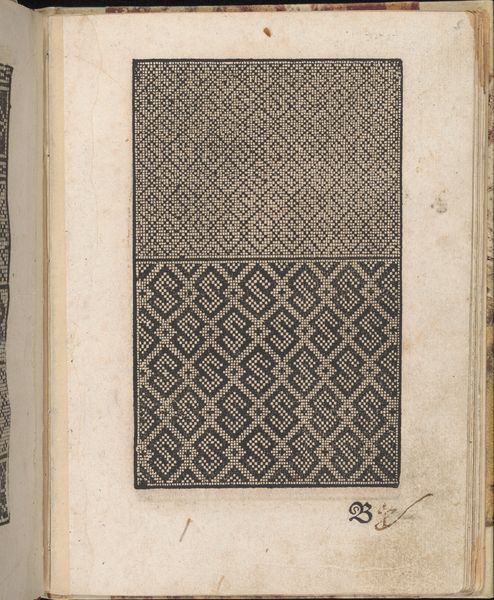
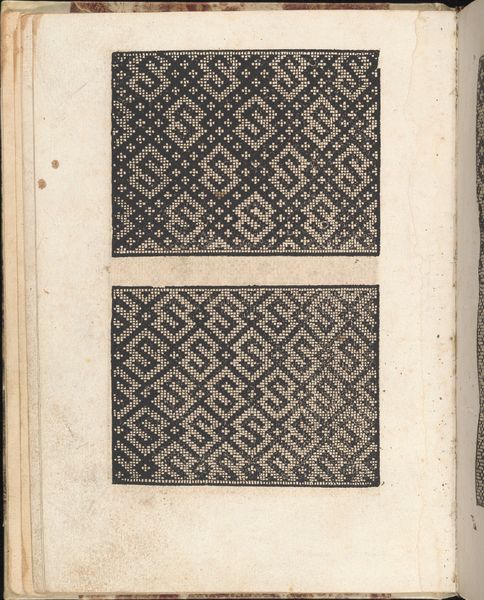
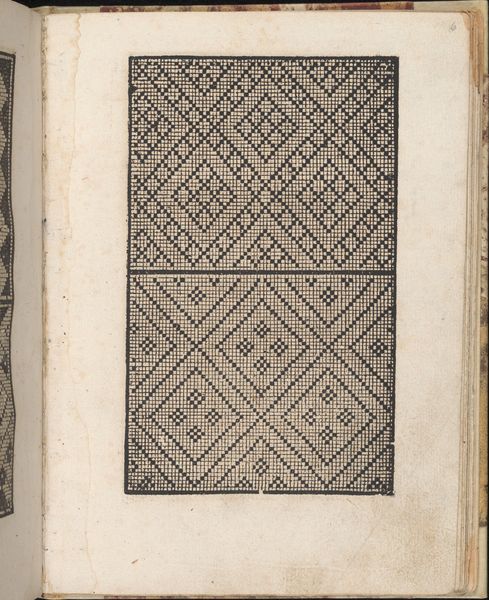
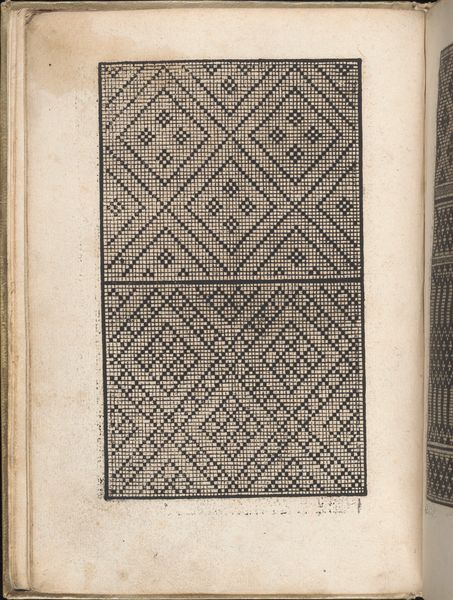
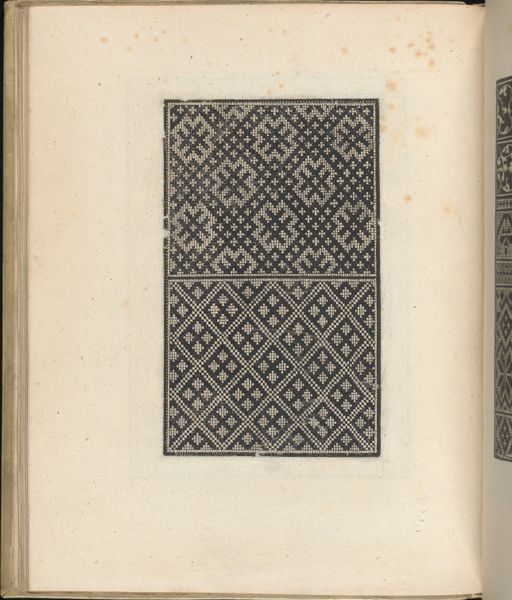
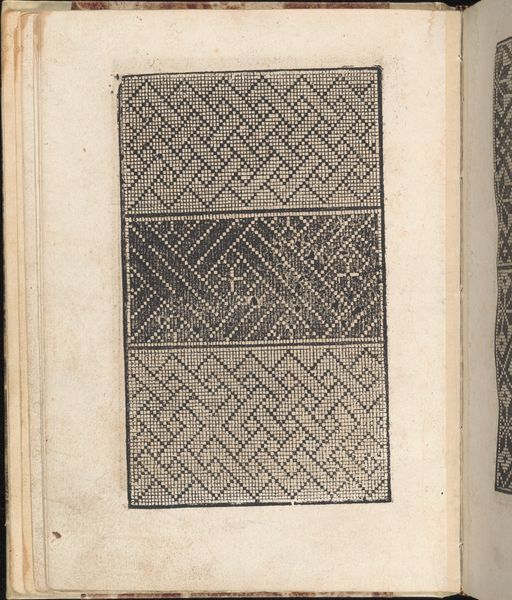
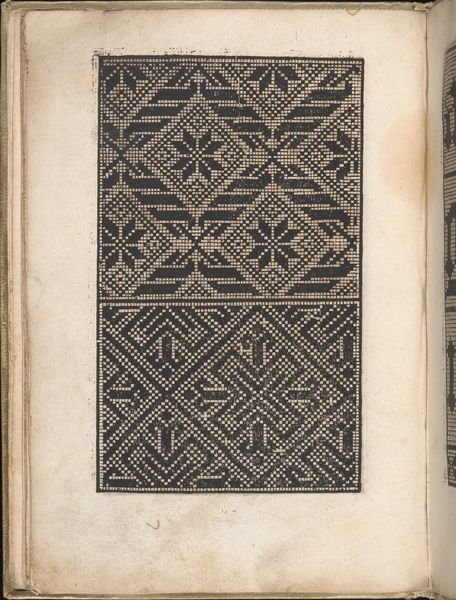
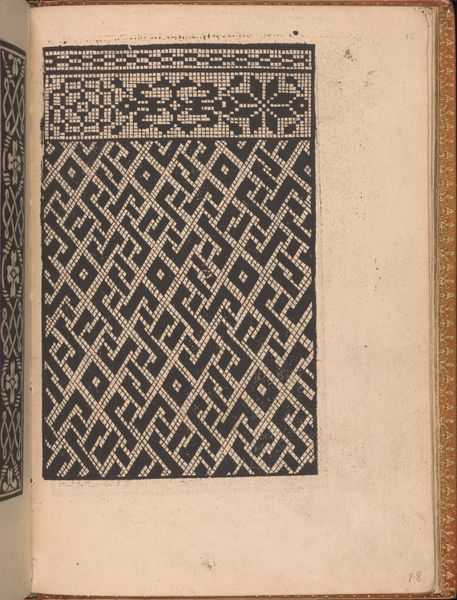
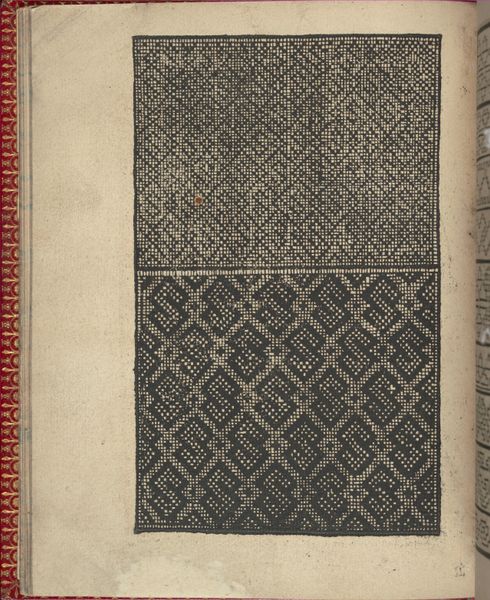
Eyn new kunstlichboich, page 13v


Listen to curator's interpretation
Curatorial notes
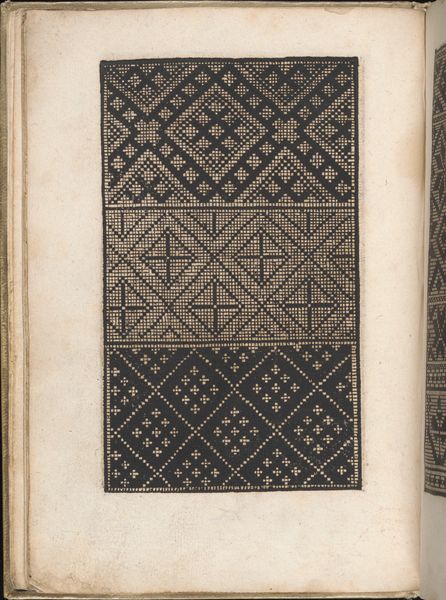
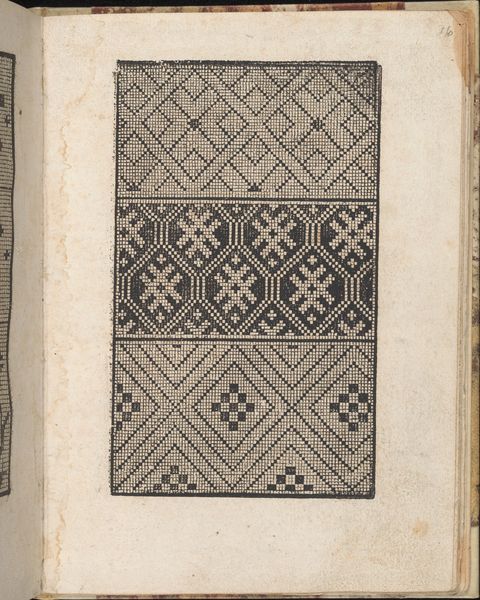
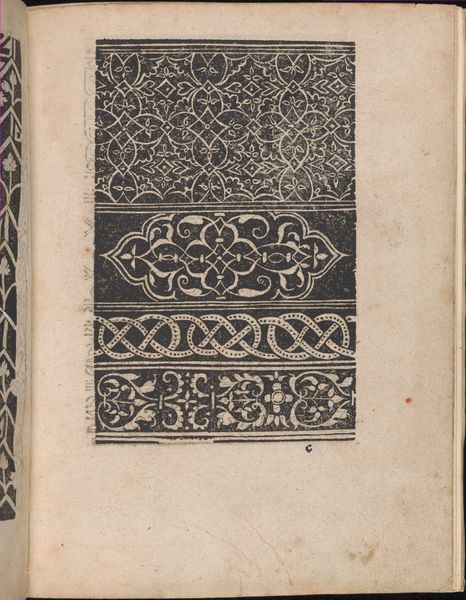
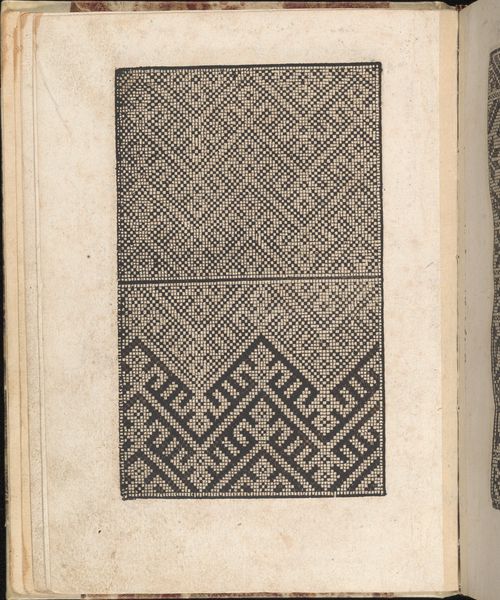
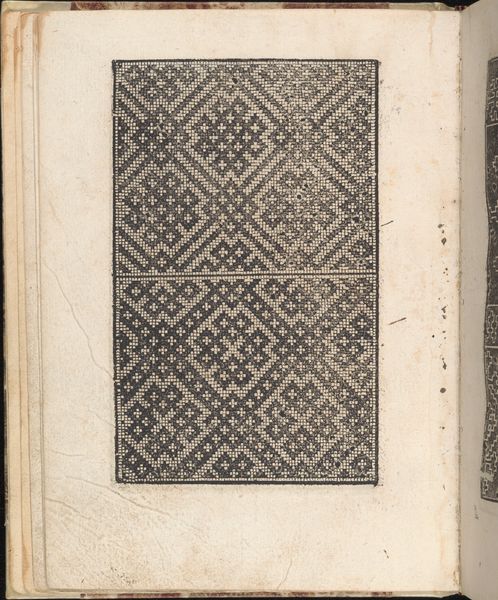
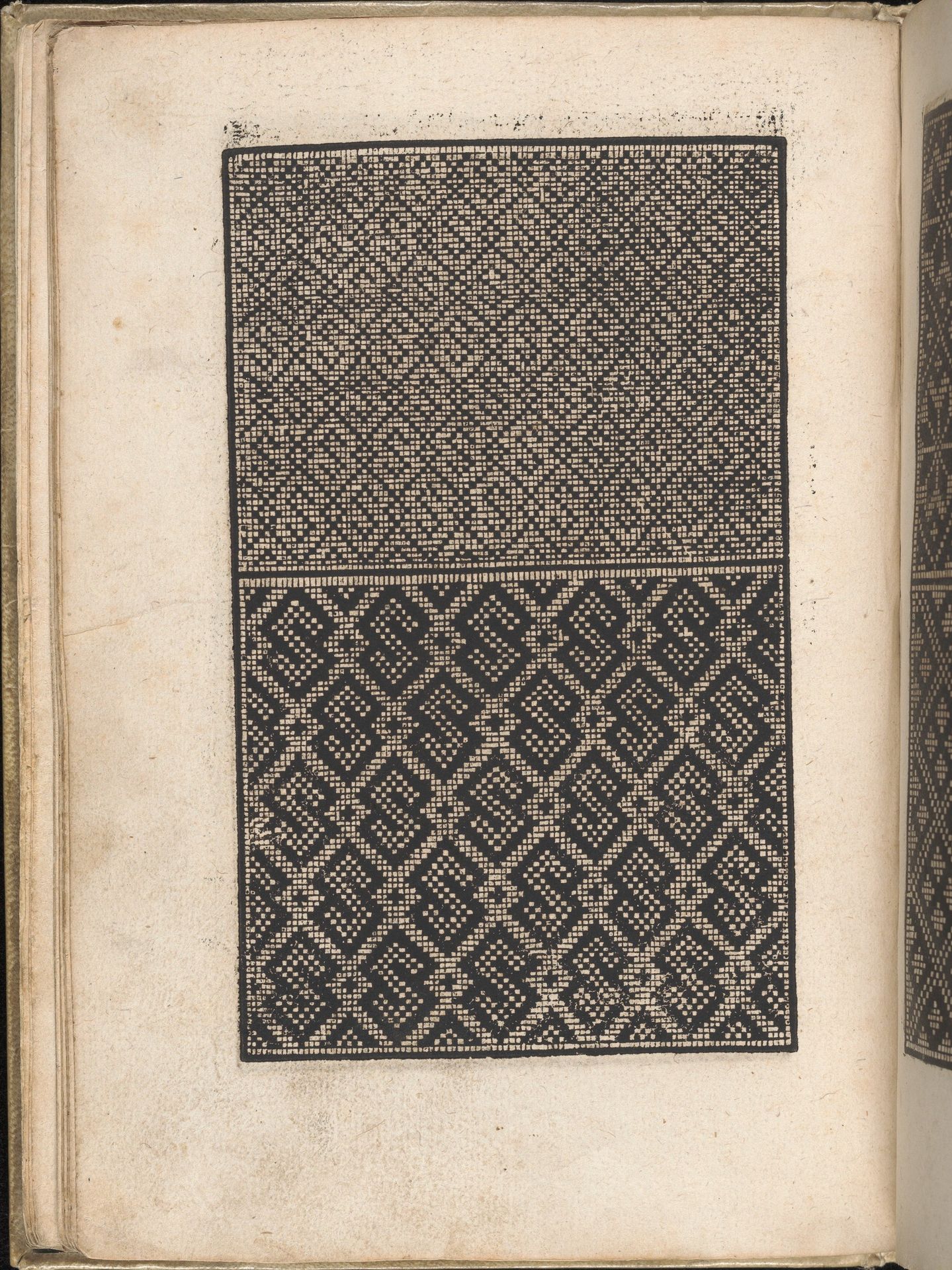
Editor: This is a page from Peter Quentel's "Eyn new kunstlich boich," created in 1529. It’s a drawing, almost a print, made from woodcut. I'm struck by how the geometric patterns are so carefully rendered; the shapes are rigid but captivating. How do you interpret this work? Curator: Well, isn't it amazing? Imagine Quentel hunched over, meticulously carving these tiny patterns. To me, it feels like peeking into a 16th-century mind fascinated by the beauty of order. Think of this as not just decoration, but instruction! These books were how lacemakers, embroiderers, even sculptors learned new patterns. I wonder, what sort of person pored over this book, dreaming of transposing these designs into thread or stone? Editor: That’s fascinating! So, it was a practical guide? I hadn't thought of it that way, but that really clicks into place for me now. Were patterns like these common at the time? Curator: Hugely! Ornamentation was everything, especially geometric motifs. They appear everywhere, from clothing to architecture. Now, what’s really interesting is how this echoes broader concerns – the cosmos, mathematics, the idea of a divinely ordered world made visible in these repeating forms. I find myself contemplating, how many tablecloths, gowns, and cathedrals owe a secret debt to this unassuming little book? Editor: Wow. I’ll definitely see pattern design differently from now on! Thanks for shedding light on something so seemingly simple and showing its broader cultural connections. Curator: My pleasure! And you've reminded me that even the most functional objects can hold profound beauty and reflect larger cultural anxieties and aspirations.