About this artwork
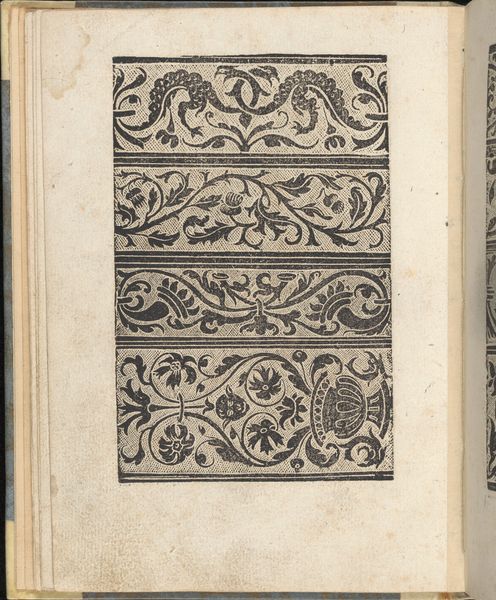
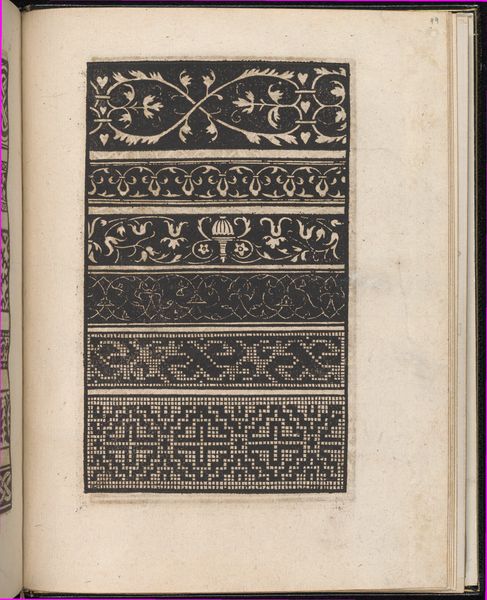
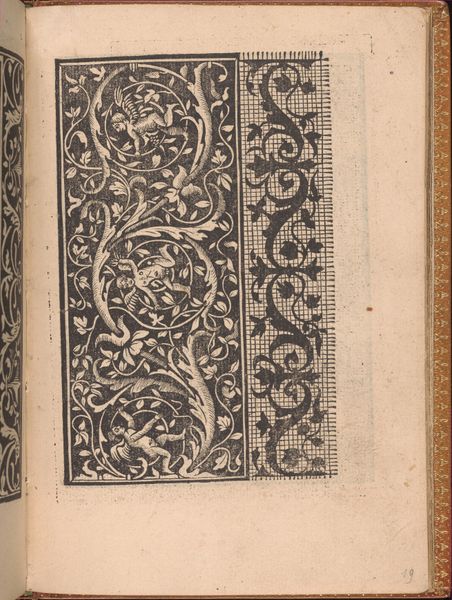
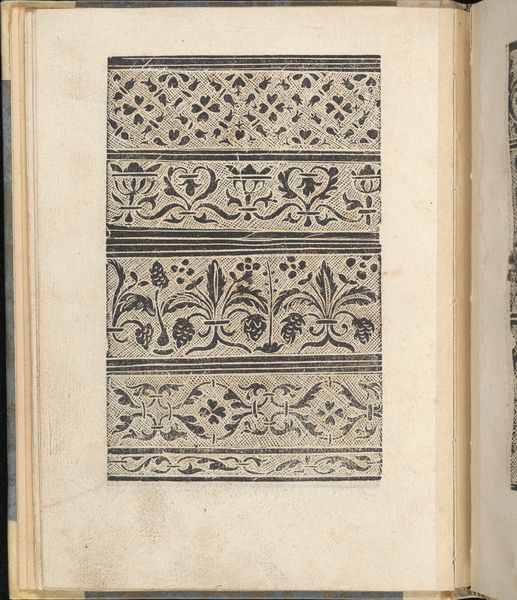
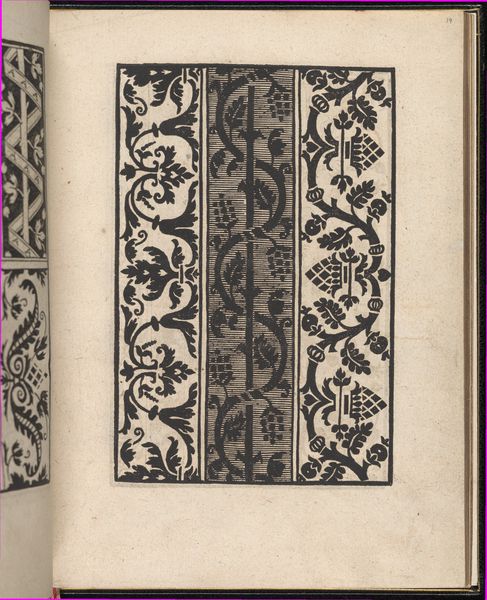
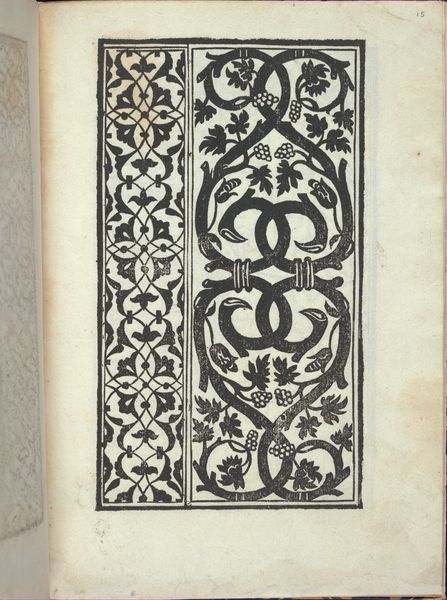
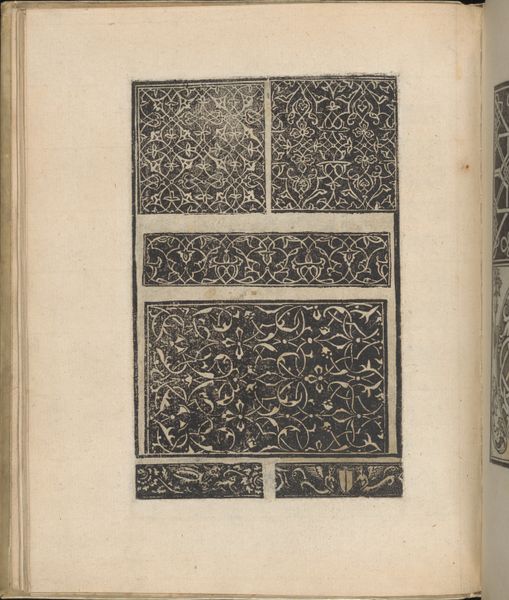
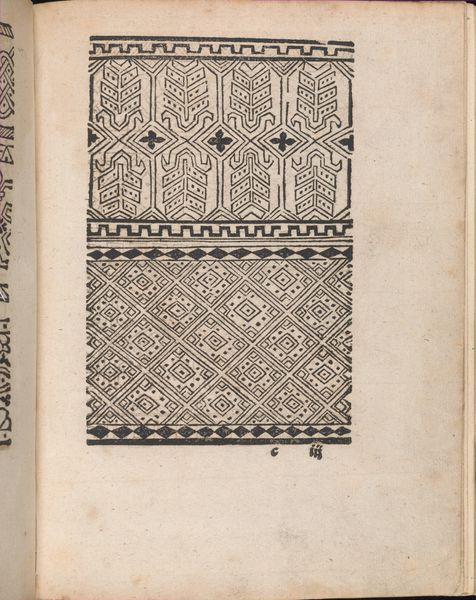
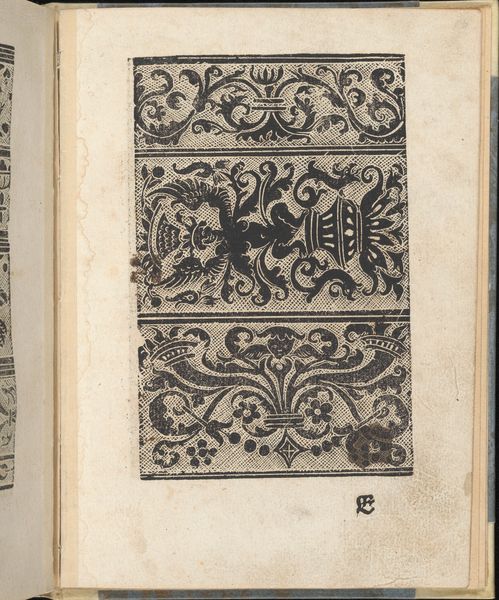
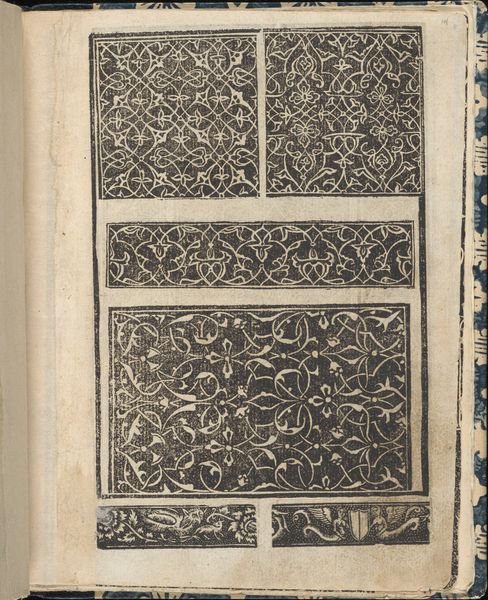
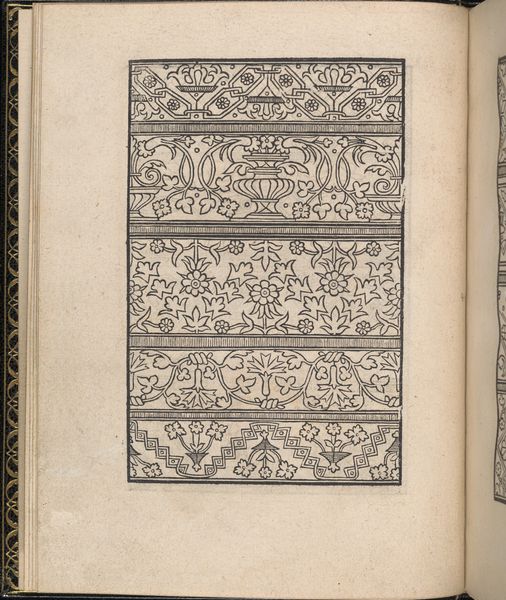
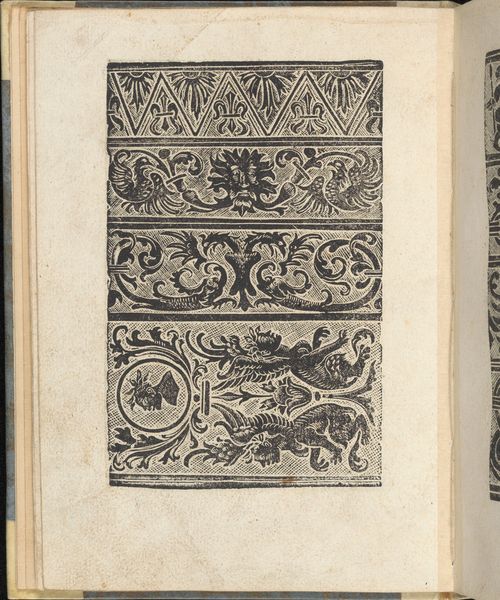
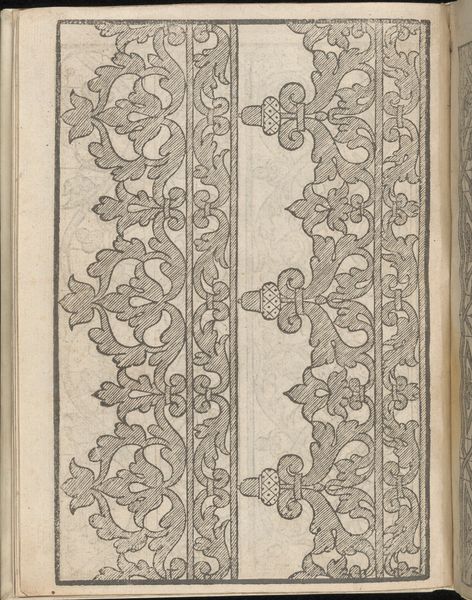
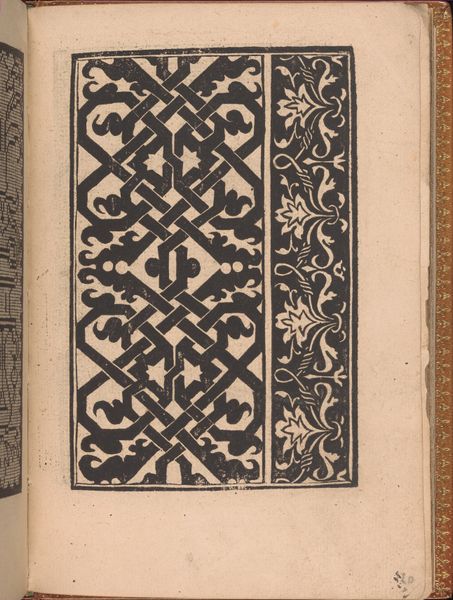
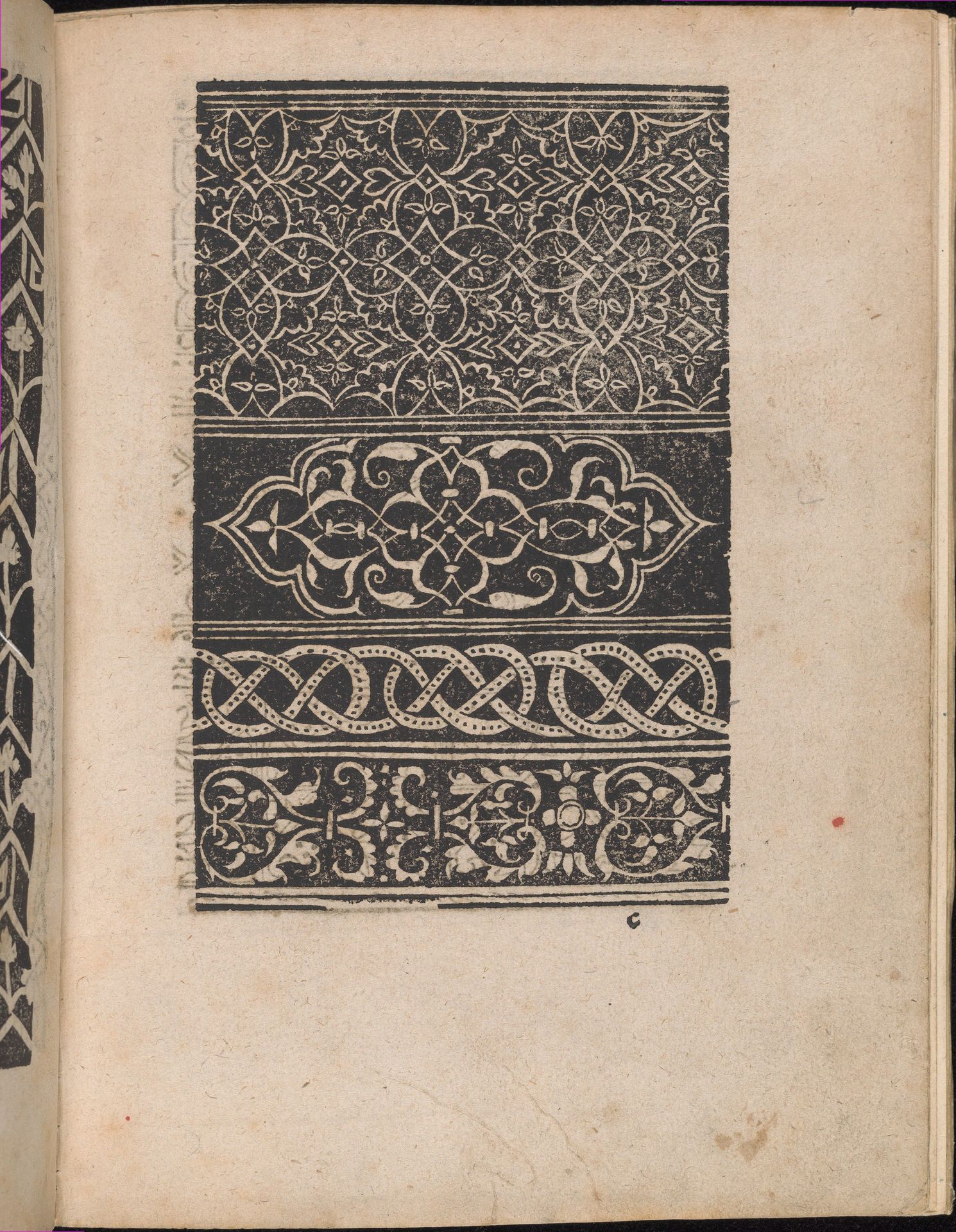
This is page 9r from *Modelbuch aller Art Nehens vn Stickens*, or model-book for all kinds of sewing and embroidery, printed in the mid-16th century by Christian Egenolff. The book is full of intricate patterns, created using woodcut printing – a relatively quick process for disseminating designs to a broad public. Notice the range of geometric and floral motifs. They were likely intended as templates for embroiderers, who would have translated the designs into stitches using silk or wool threads on linen or velvet. In this period, such pattern books became increasingly popular, enabling the democratization of design across Europe, and offering even modest households the chance to embellish their clothing and domestic textiles. The patterns themselves reflect a dense web of cultural exchange, with motifs drawn from Islamic, Italian, and other sources. Consider the labor and skill involved in both the original designs, and their eventual rendering as needlework. This was a proto-industrial moment, where the technologies of reproduction were placed directly in the service of craft.
Modelbuch aller Art Nehens vn Stickens (Page 9r)
1535


Artwork details
- Medium
- drawing, graphic-art, ornament, print, woodcut
- Dimensions
- Overall: 7 5/16 x 5 5/16 in. (18.5 x 13.5 cm)
- Location
- Metropolitan Museum of Art, New York, NY
- Copyright
- Public Domain
Tags
Comments
Share your thoughts
About this artwork
This is page 9r from *Modelbuch aller Art Nehens vn Stickens*, or model-book for all kinds of sewing and embroidery, printed in the mid-16th century by Christian Egenolff. The book is full of intricate patterns, created using woodcut printing – a relatively quick process for disseminating designs to a broad public. Notice the range of geometric and floral motifs. They were likely intended as templates for embroiderers, who would have translated the designs into stitches using silk or wool threads on linen or velvet. In this period, such pattern books became increasingly popular, enabling the democratization of design across Europe, and offering even modest households the chance to embellish their clothing and domestic textiles. The patterns themselves reflect a dense web of cultural exchange, with motifs drawn from Islamic, Italian, and other sources. Consider the labor and skill involved in both the original designs, and their eventual rendering as needlework. This was a proto-industrial moment, where the technologies of reproduction were placed directly in the service of craft.
Comments
Share your thoughts