About this artwork
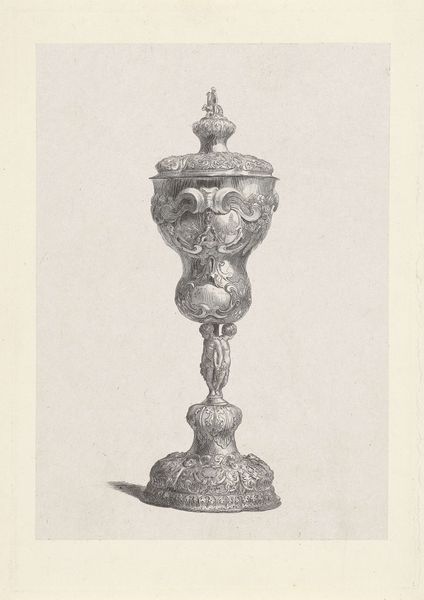
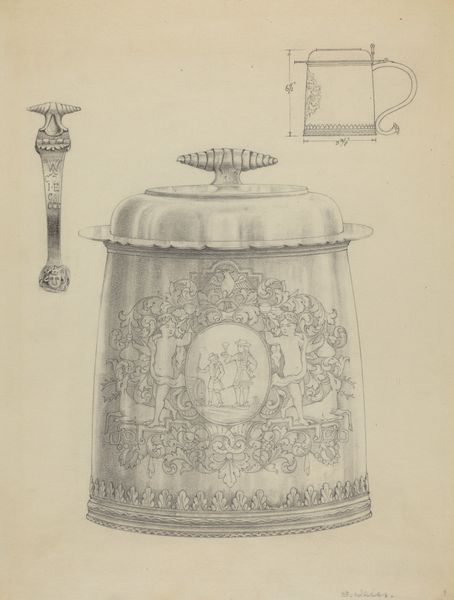
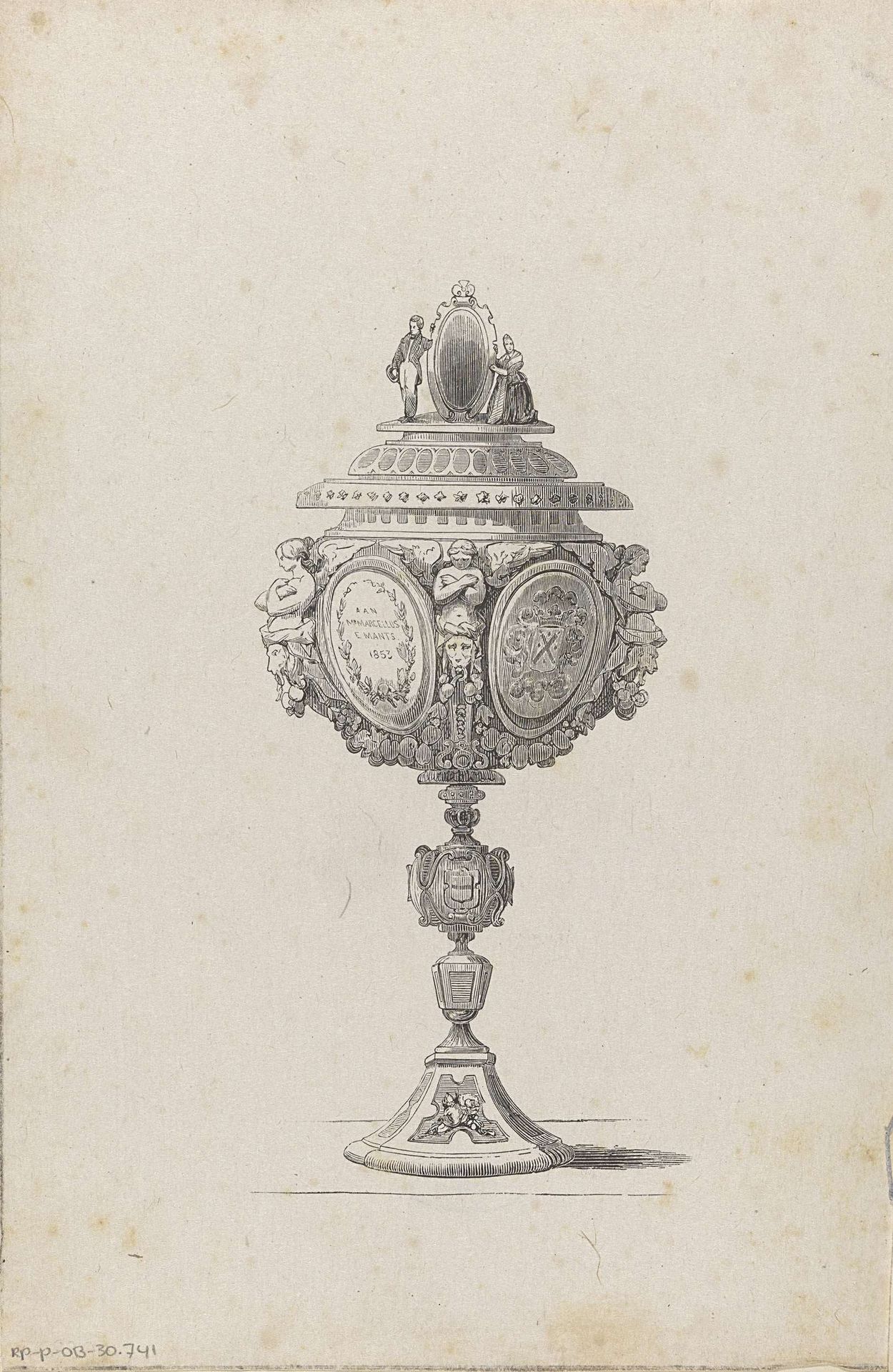
This drawing by Isaac Weissenbruch, depicts the commemorative goblet made for Marcellus Emants’s 50th anniversary as steward of the Burgerweeshuis. Note the cherubic figures that adorn the vessel. These ‘putti’—symbols of innocence and divine love—are a Renaissance appropriation of classical cupids. In ancient Roman art, cupids were associated with Venus, the goddess of love, and represented earthly passion. Over time, these figures have undergone a fascinating metamorphosis, losing their initial ties to pagan sensuality and becoming symbols of Christian charity. Such iconographic shifts reveal our collective unconscious at play—transforming symbols to fit the prevailing moral and spiritual climate. Like palimpsests, these evolving images reflect our changing cultural values, reminding us that art is not static but a living testament to our ever-evolving human experience.
Gedachtenisbeker ter ere van het 50-jarig jubileum van Marcellus Emants als rentmeester van het Burgerweeshuis en de Fundatie van Renswoude te De Haag
1853 - 1855

Isaac Weissenbruch
1826 - 1912Location
RijksmuseumArtwork details
- Medium
- drawing, pencil, engraving
- Dimensions
- height 226 mm, width 152 mm
- Location
- Rijksmuseum
- Copyright
- Rijks Museum: Open Domain
Tags
Comments
Share your thoughts
About this artwork
This drawing by Isaac Weissenbruch, depicts the commemorative goblet made for Marcellus Emants’s 50th anniversary as steward of the Burgerweeshuis. Note the cherubic figures that adorn the vessel. These ‘putti’—symbols of innocence and divine love—are a Renaissance appropriation of classical cupids. In ancient Roman art, cupids were associated with Venus, the goddess of love, and represented earthly passion. Over time, these figures have undergone a fascinating metamorphosis, losing their initial ties to pagan sensuality and becoming symbols of Christian charity. Such iconographic shifts reveal our collective unconscious at play—transforming symbols to fit the prevailing moral and spiritual climate. Like palimpsests, these evolving images reflect our changing cultural values, reminding us that art is not static but a living testament to our ever-evolving human experience.
Comments
Share your thoughts