About this artwork
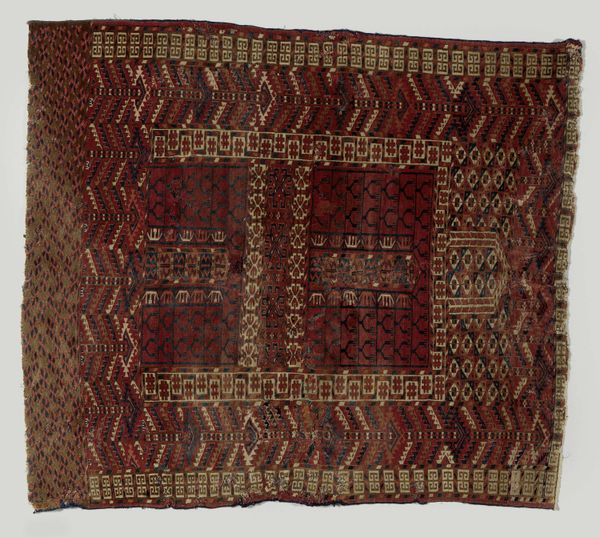
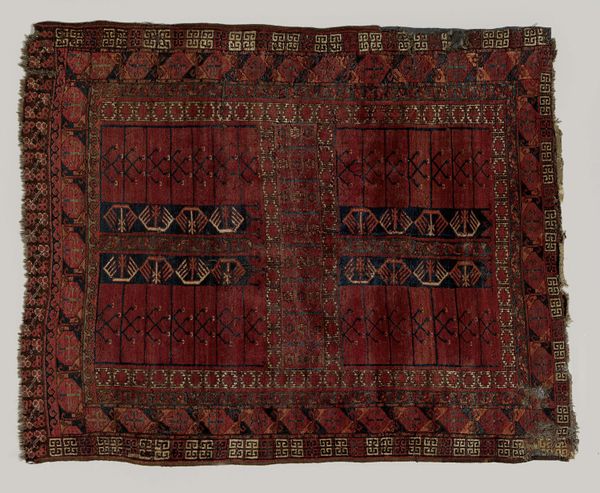
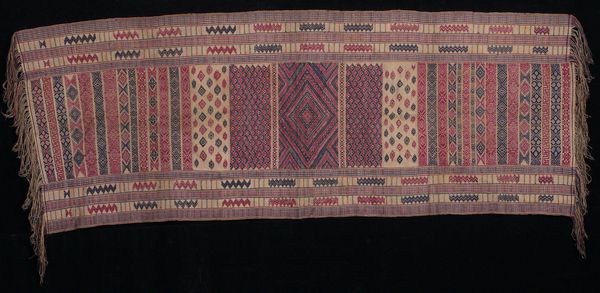
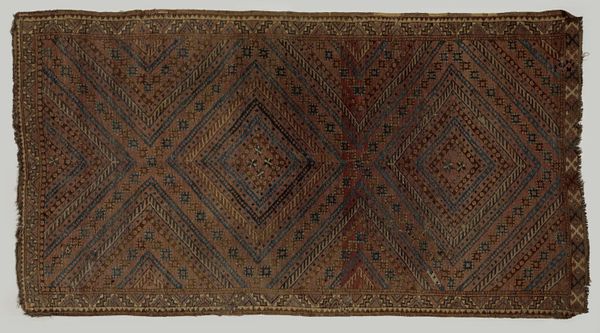
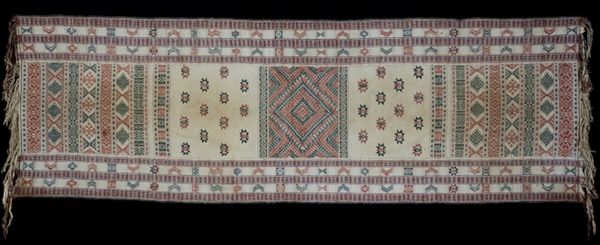
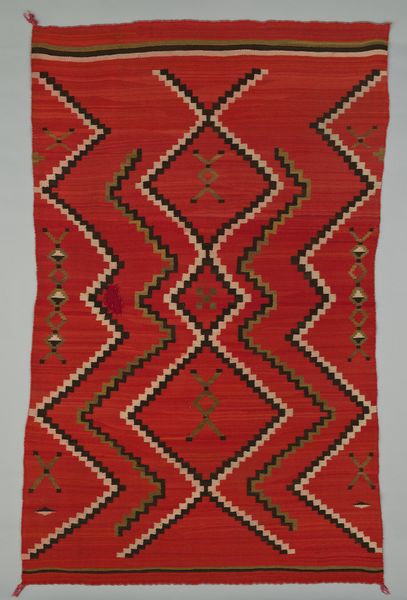
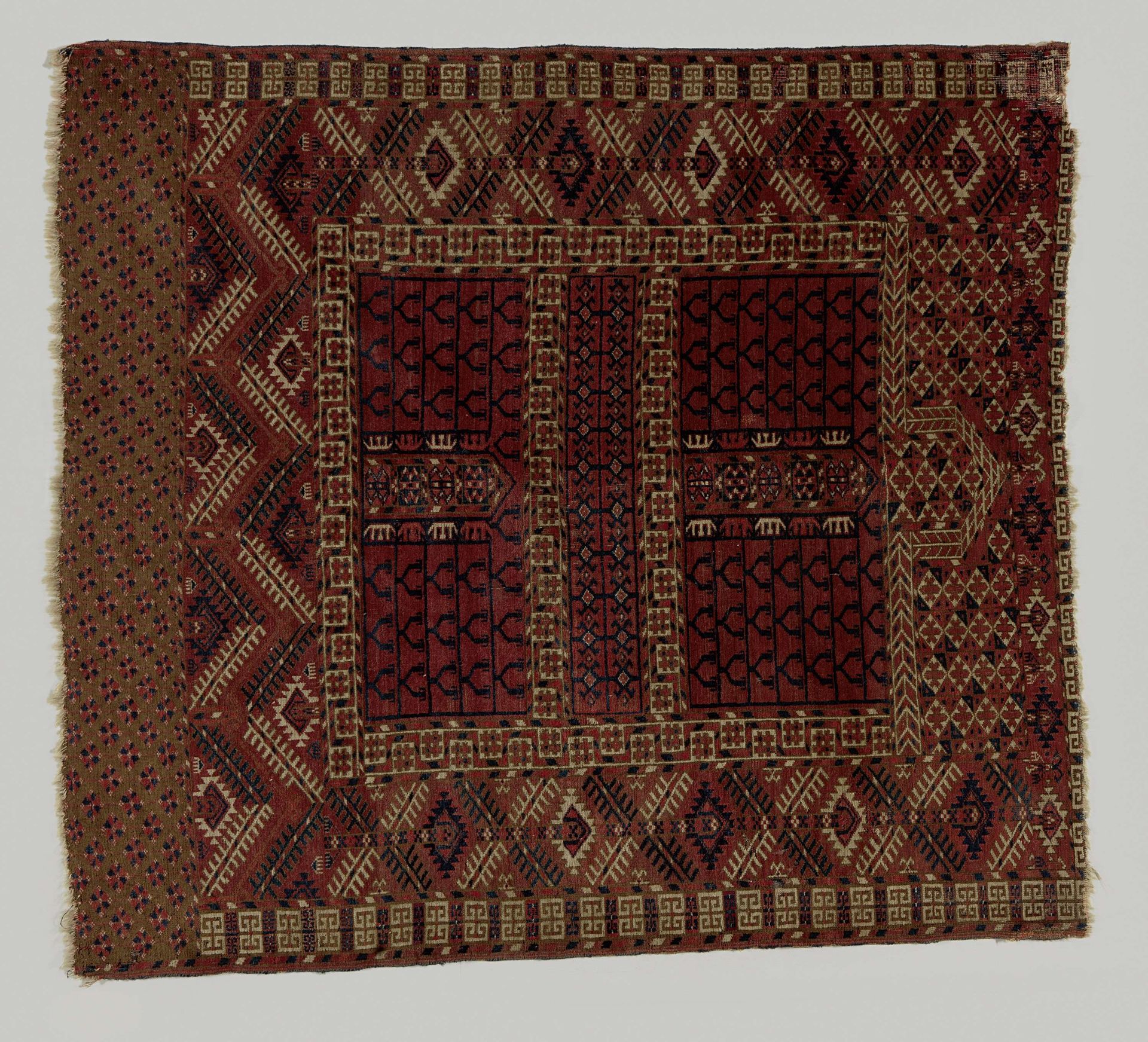
This Oosters Tapijt was crafted by the Tekke people, its patterns speaking volumes. Dominating the design are geometric motifs, particularly diamonds and angular meanders, which resonate deeply within the cultural context of nomadic tribes. Consider how similar geometric patterns appear on ancient Greek pottery, or the textiles of pre-Columbian America. While geographically distant, they share a common thread: a universal human desire to impose order and meaning onto the world through symbolic representation. The diamond motif, for instance, might symbolize the eye, protection, or even fertility, its meaning shifting with each culture. Such symbols are not mere decoration; they engage viewers on a subconscious level, stirring collective memories and primal emotions. These patterns may evolve, take on new forms, but they are never truly lost. They resurface, transformed, in different historical contexts, each iteration adding another layer to their already rich tapestry of meaning.

Artwork details
- Medium
- weaving, textile
- Dimensions
- height 133 cm, width 121 cm
- Copyright
- Rijks Museum: Open Domain
Tags
Comments
Share your thoughts
About this artwork
This Oosters Tapijt was crafted by the Tekke people, its patterns speaking volumes. Dominating the design are geometric motifs, particularly diamonds and angular meanders, which resonate deeply within the cultural context of nomadic tribes. Consider how similar geometric patterns appear on ancient Greek pottery, or the textiles of pre-Columbian America. While geographically distant, they share a common thread: a universal human desire to impose order and meaning onto the world through symbolic representation. The diamond motif, for instance, might symbolize the eye, protection, or even fertility, its meaning shifting with each culture. Such symbols are not mere decoration; they engage viewers on a subconscious level, stirring collective memories and primal emotions. These patterns may evolve, take on new forms, but they are never truly lost. They resurface, transformed, in different historical contexts, each iteration adding another layer to their already rich tapestry of meaning.
Comments
Share your thoughts