About this artwork
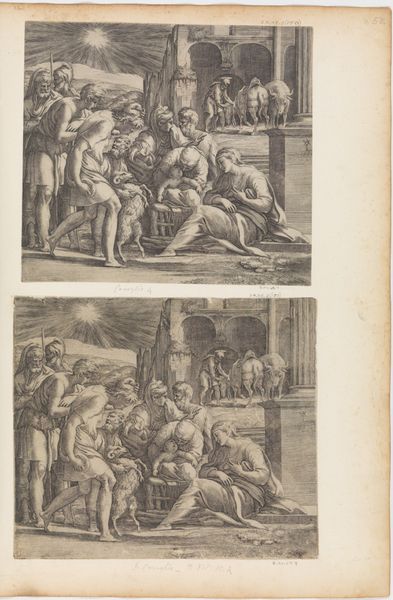
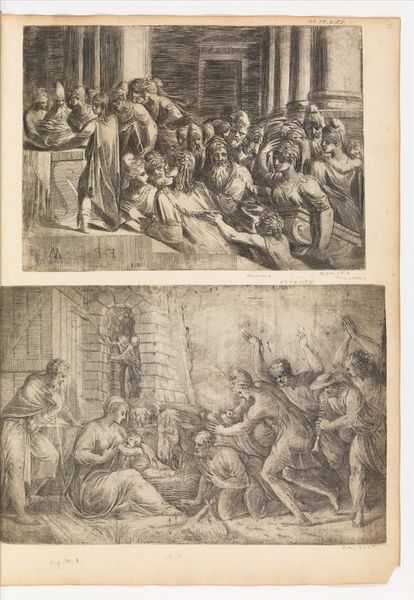
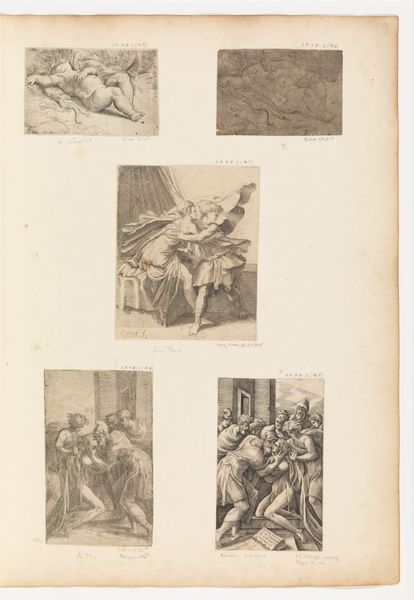
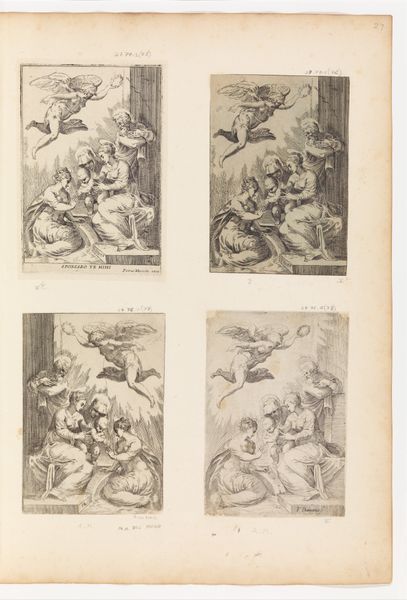
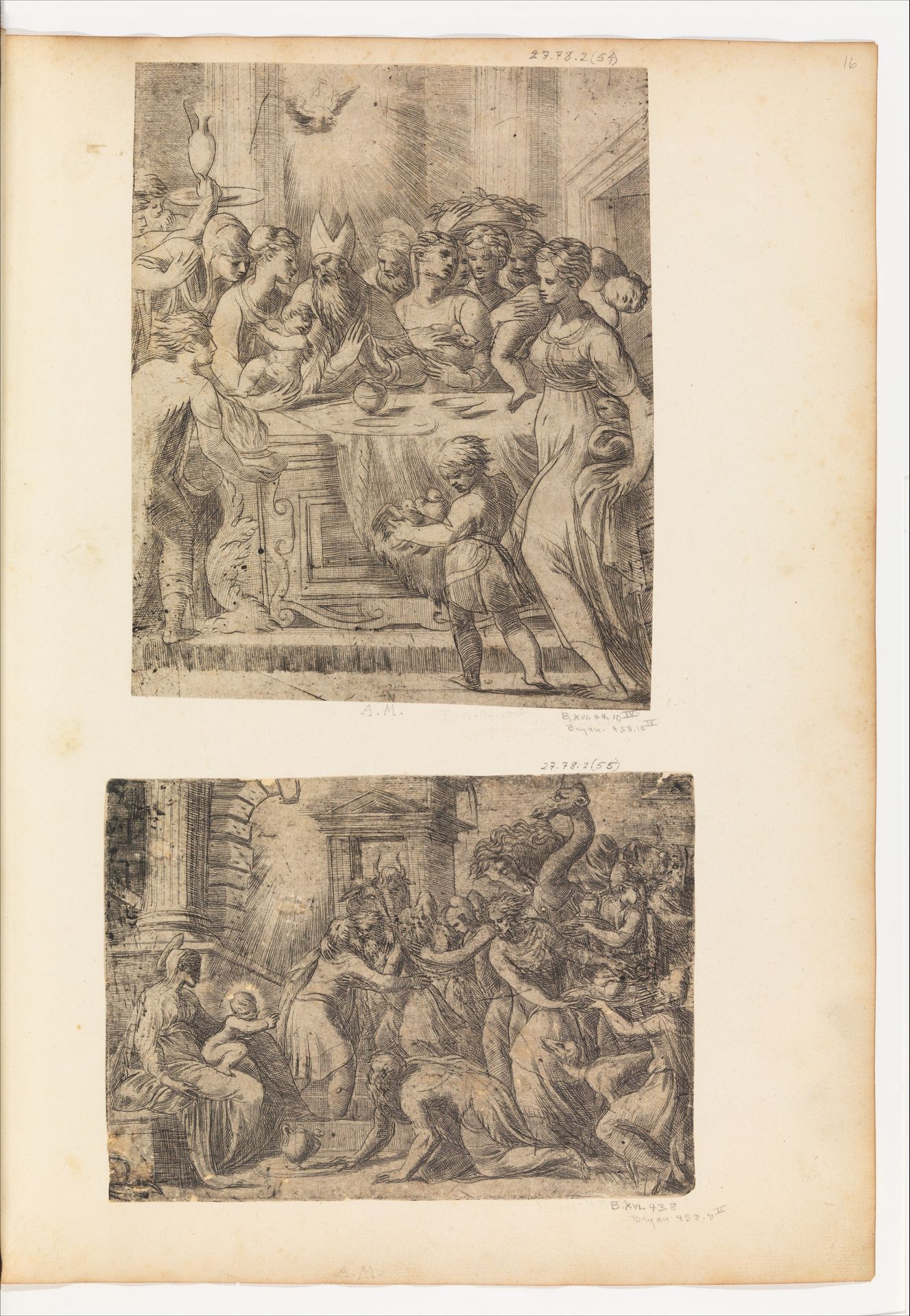
Andrea Schiavone created "The Adoration of the Magi" in the 16th century, an etching that visualizes a key episode in the New Testament. Schiavone, working amidst the artistic ferment of Renaissance Venice, brings a distinctive approach to this well-known scene. The print reflects the cultural moment in which it was created. As Europe expanded its reach through trade and colonization, encounters with diverse cultures reshaped how Europeans understood the world. The three magi, traditionally depicted as representatives of different continents, pay homage to the infant Jesus. Schiavone highlights the act of honoring the divine infant, drawing parallels to the political dynamics of the time. The act of kneeling becomes a gesture loaded with meaning, reflecting social hierarchies, and acknowledging political power. Note the emotional intimacy Schiavone captures, turning a religious scene into a poignant reflection on power, reverence, and the intersection of cultures in a rapidly changing world.
The Adoration of the Magi
1537 - 1551

Andrea Schiavone (Andrea Meldola)
1510 - 1563
The Metropolitan Museum of Art
Metropolitan Museum of Art, New York, NYArtwork details
- Medium
- drawing, print, intaglio, engraving
- Location
- Metropolitan Museum of Art, New York, NY
- Copyright
- Public Domain
Tags
Comments
Share your thoughts
About this artwork
Andrea Schiavone created "The Adoration of the Magi" in the 16th century, an etching that visualizes a key episode in the New Testament. Schiavone, working amidst the artistic ferment of Renaissance Venice, brings a distinctive approach to this well-known scene. The print reflects the cultural moment in which it was created. As Europe expanded its reach through trade and colonization, encounters with diverse cultures reshaped how Europeans understood the world. The three magi, traditionally depicted as representatives of different continents, pay homage to the infant Jesus. Schiavone highlights the act of honoring the divine infant, drawing parallels to the political dynamics of the time. The act of kneeling becomes a gesture loaded with meaning, reflecting social hierarchies, and acknowledging political power. Note the emotional intimacy Schiavone captures, turning a religious scene into a poignant reflection on power, reverence, and the intersection of cultures in a rapidly changing world.
Comments
Share your thoughts