About this artwork
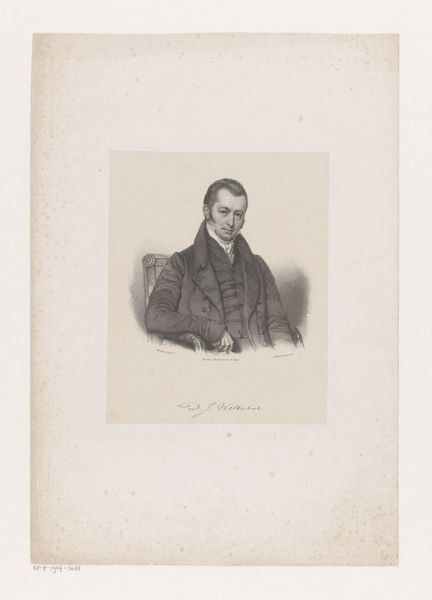
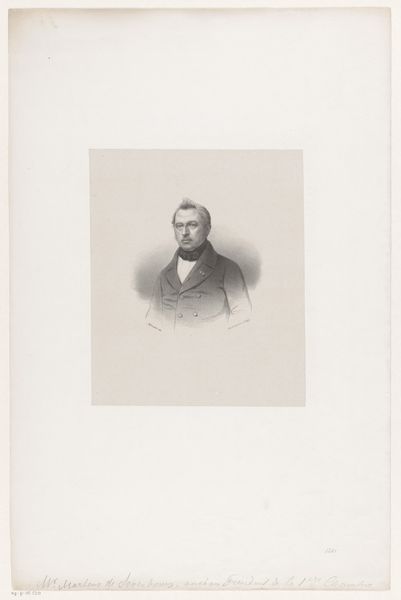
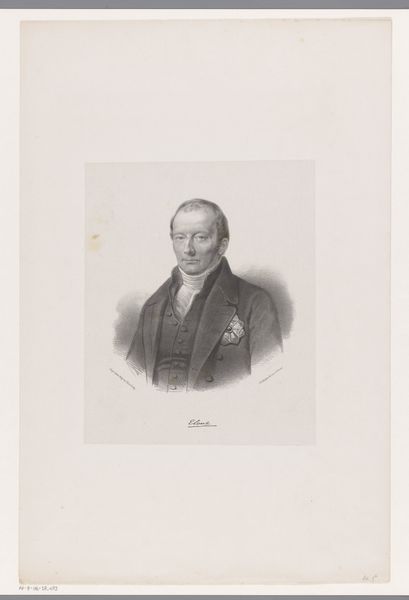
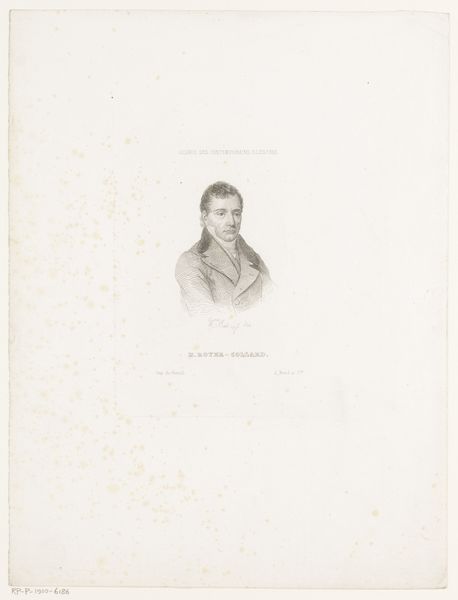
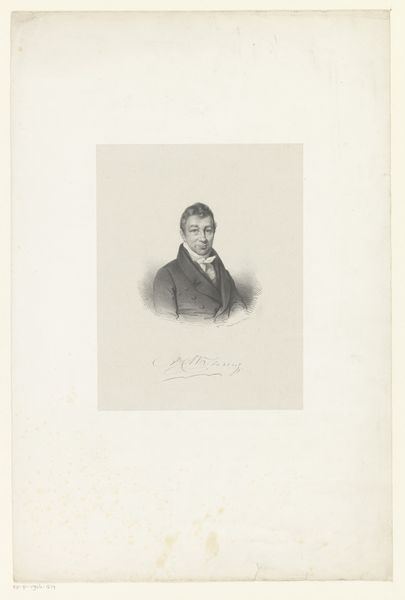
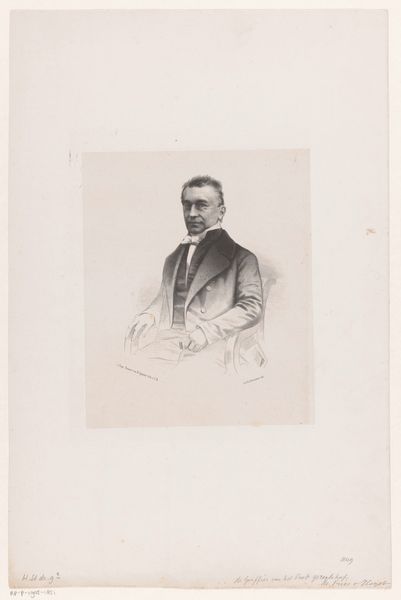
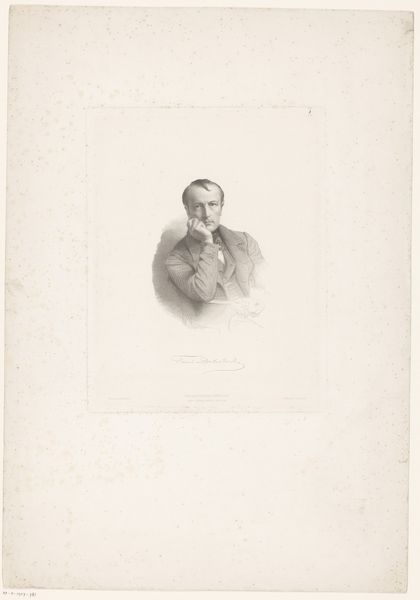
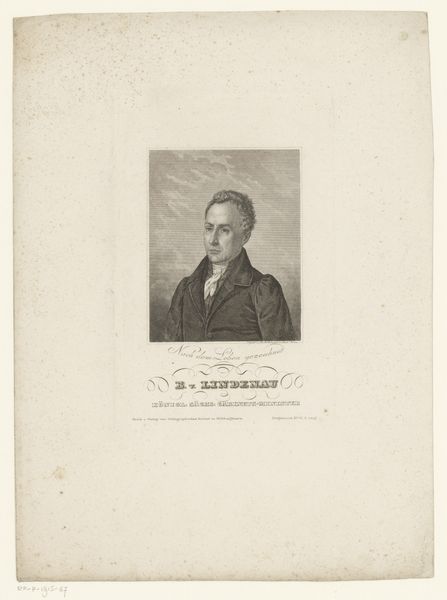
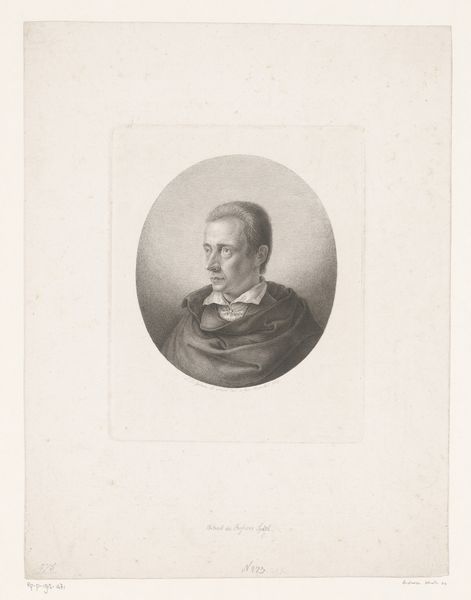
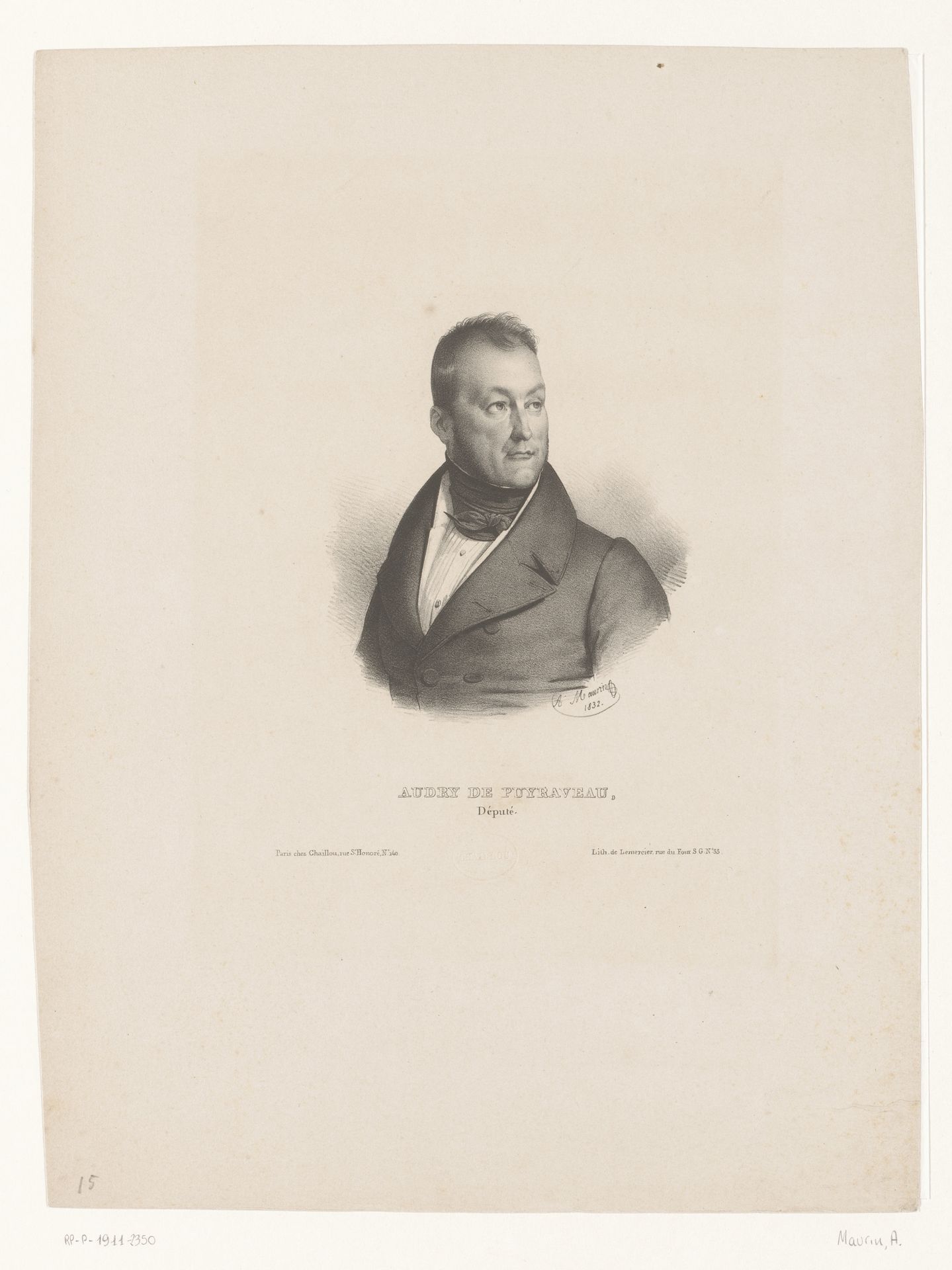
This portrait of Pierre-François Audry de Puyraveau was made by Antoine Maurin. The subject stands in profile with his head turned to the right, a pose that has ancient roots. Consider the Roman busts, where the turned head isn’t merely a physical orientation, but an indication of thoughtfulness, leadership, and engagement with the world. This motif is deeply embedded in our collective consciousness. We see its echoes in Renaissance portraits, in Neoclassical sculptures, and even in modern photography. The turn of the head carries a psychoanalytic weight. It's not just about seeing, but about contemplating, judging, and deciding. Subconsciously, we respond to this, interpreting it as a sign of intellectual and emotional depth. Such symbols are not static; they evolve. The portrait is a cultural palimpsest, where each layer of history adds a new dimension of meaning. This image is part of a larger, ever-evolving narrative, constantly reshaped by cultural memory and the passage of time.
Portret van Pierre-François Audry de Puyraveau
1832

Antoine Maurin
1793 - 1860Location
RijksmuseumArtwork details
- Medium
- drawing, pencil
- Dimensions
- height 332 mm, width 254 mm
- Location
- Rijksmuseum
- Copyright
- Rijks Museum: Open Domain
Tags
portrait
pencil drawn
drawing
pencil sketch
pencil drawing
romanticism
pencil
academic-art
Comments
Be the first to share your thoughts about this work.
About this artwork
This portrait of Pierre-François Audry de Puyraveau was made by Antoine Maurin. The subject stands in profile with his head turned to the right, a pose that has ancient roots. Consider the Roman busts, where the turned head isn’t merely a physical orientation, but an indication of thoughtfulness, leadership, and engagement with the world. This motif is deeply embedded in our collective consciousness. We see its echoes in Renaissance portraits, in Neoclassical sculptures, and even in modern photography. The turn of the head carries a psychoanalytic weight. It's not just about seeing, but about contemplating, judging, and deciding. Subconsciously, we respond to this, interpreting it as a sign of intellectual and emotional depth. Such symbols are not static; they evolve. The portrait is a cultural palimpsest, where each layer of history adds a new dimension of meaning. This image is part of a larger, ever-evolving narrative, constantly reshaped by cultural memory and the passage of time.
Comments
Be the first to share your thoughts about this work.