About this artwork
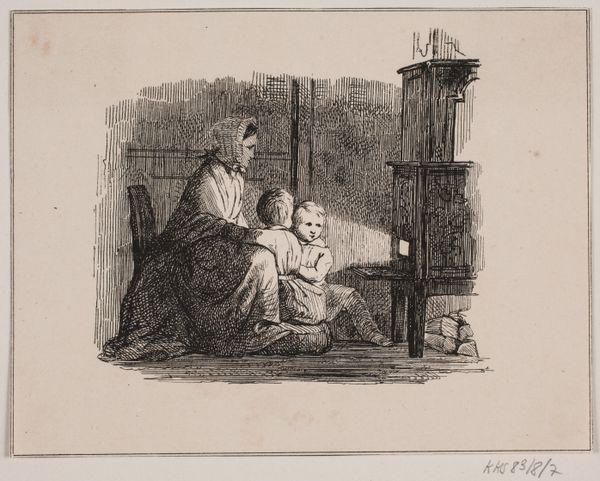
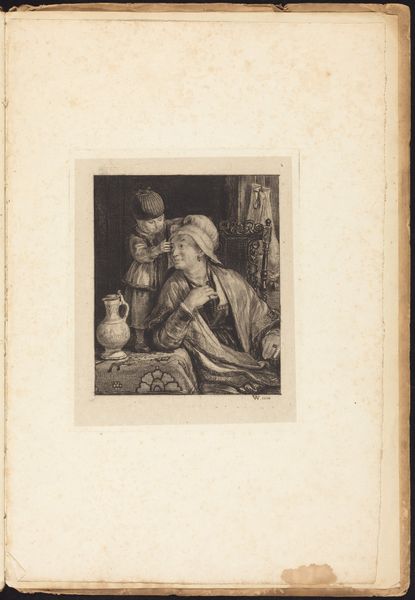
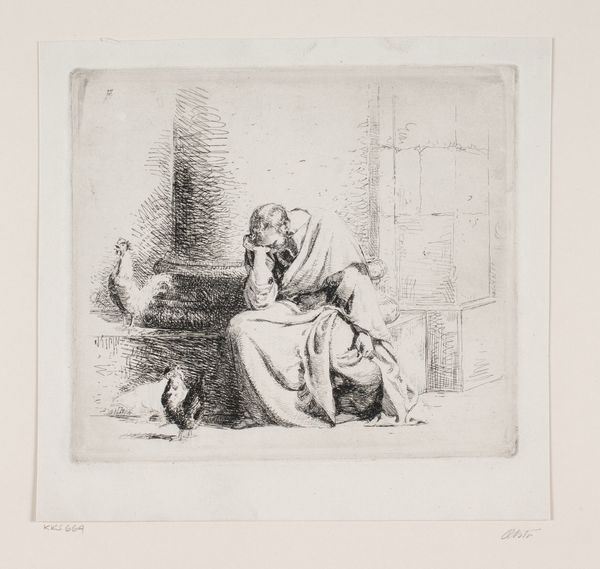
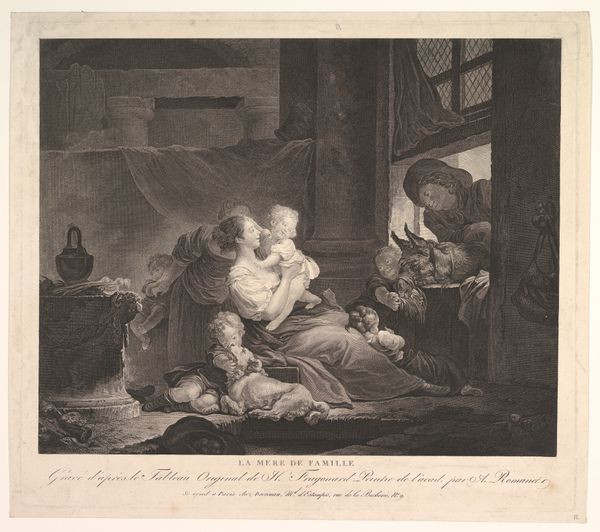
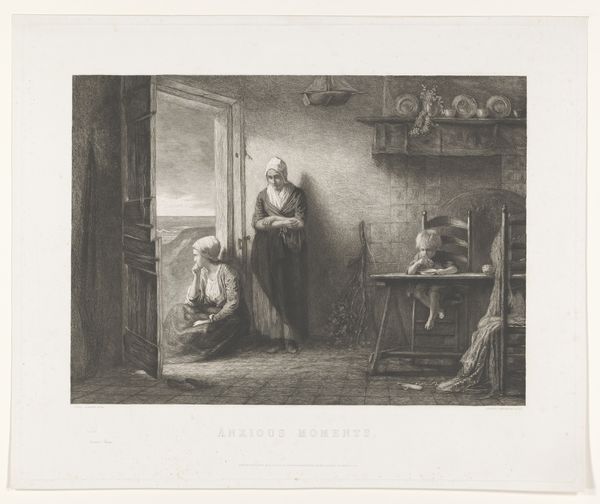
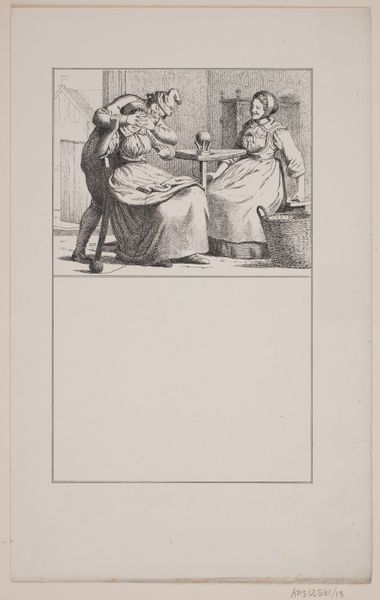
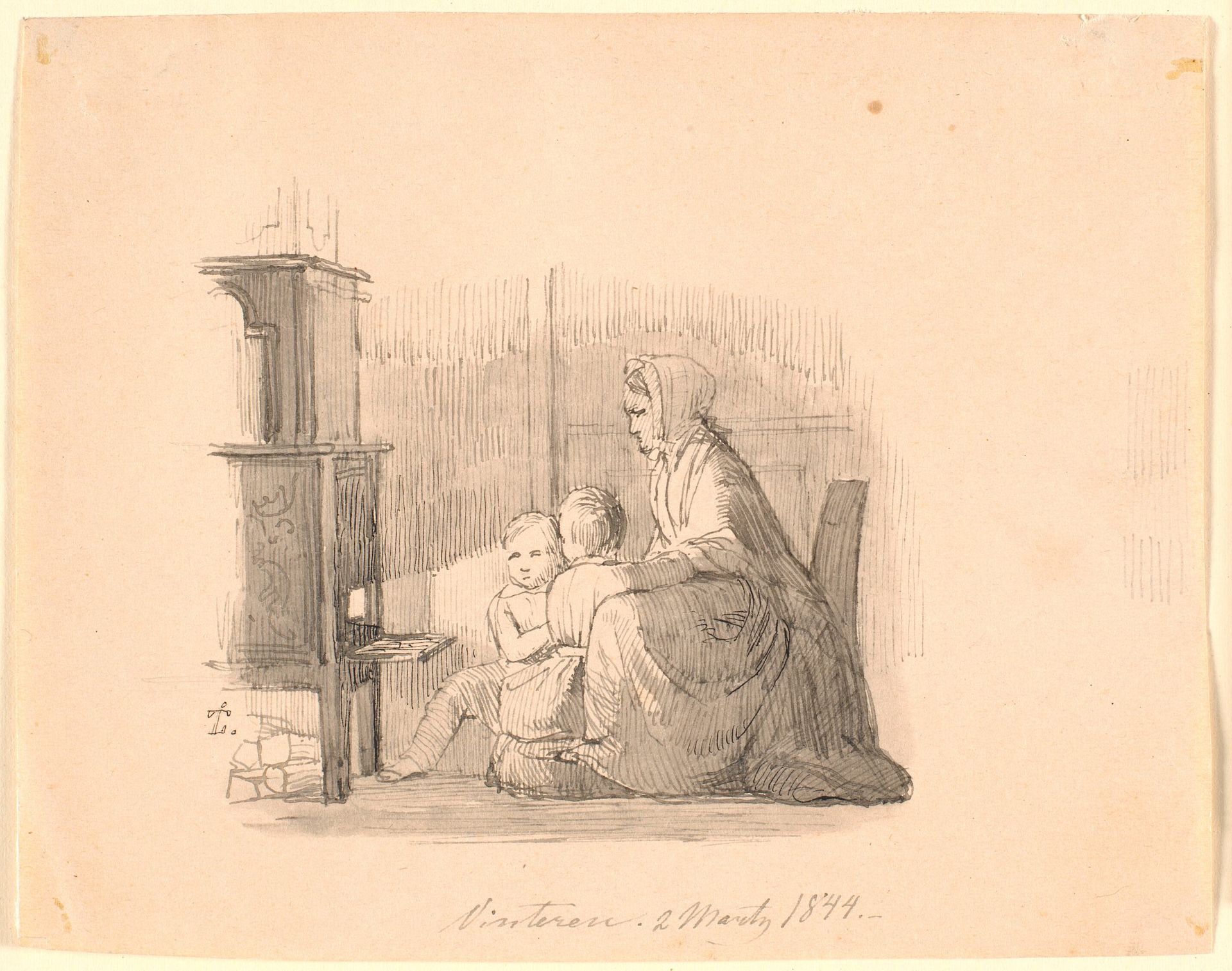
Johan Thomas Lundbye made this illustration called “Winter” in 1844 as an illustration for Kaalund's "Fabler for Børn". The artwork shows an interior with a grandmother sitting close to two children, with a stove to the left. It offers a glimpse into the domestic life of 19th-century Denmark, a period marked by growing nationalism and a focus on folk traditions. The scene is intimate and warm, in contrast to the harsh Scandinavian winters. Lundbye, associated with the Danish Golden Age, often infused his art with nationalistic sentiments. This piece, though simple, resonates with the era's idealization of family values. The presence of the stove suggests a communal space, where stories and traditions are passed down. To fully understand this work, we might look at children's literature and social history, exploring themes of family, childhood, and national identity. This illustration is more than just an image; it's a cultural artifact reflecting the values of its time.
Vinteren. Illustration til Kaalunds "Fabler for Børn". Se kommentar fra arkkatalog.
1844


Artwork details
- Medium
- drawing, pencil
- Dimensions
- 112 mm (height) x 141 mm (width) (bladmaal)
- Location
- SMK - Statens Museum for Kunst
Tags
drawing
narrative-art
pen sketch
pencil sketch
romanticism
pencil
genre-painting
Comments
Be the first to share your thoughts about this work.
About this artwork
Johan Thomas Lundbye made this illustration called “Winter” in 1844 as an illustration for Kaalund's "Fabler for Børn". The artwork shows an interior with a grandmother sitting close to two children, with a stove to the left. It offers a glimpse into the domestic life of 19th-century Denmark, a period marked by growing nationalism and a focus on folk traditions. The scene is intimate and warm, in contrast to the harsh Scandinavian winters. Lundbye, associated with the Danish Golden Age, often infused his art with nationalistic sentiments. This piece, though simple, resonates with the era's idealization of family values. The presence of the stove suggests a communal space, where stories and traditions are passed down. To fully understand this work, we might look at children's literature and social history, exploring themes of family, childhood, and national identity. This illustration is more than just an image; it's a cultural artifact reflecting the values of its time.
Comments
Be the first to share your thoughts about this work.