About this artwork
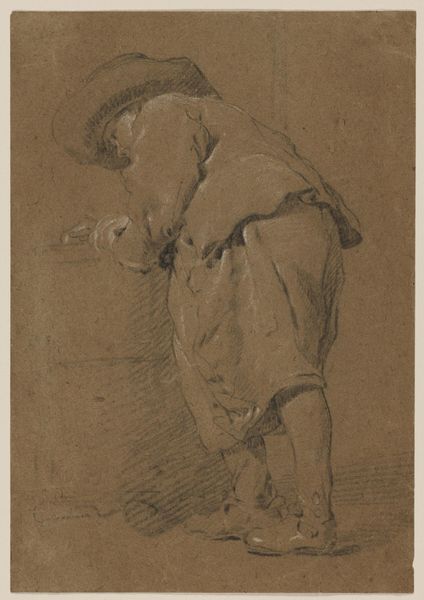
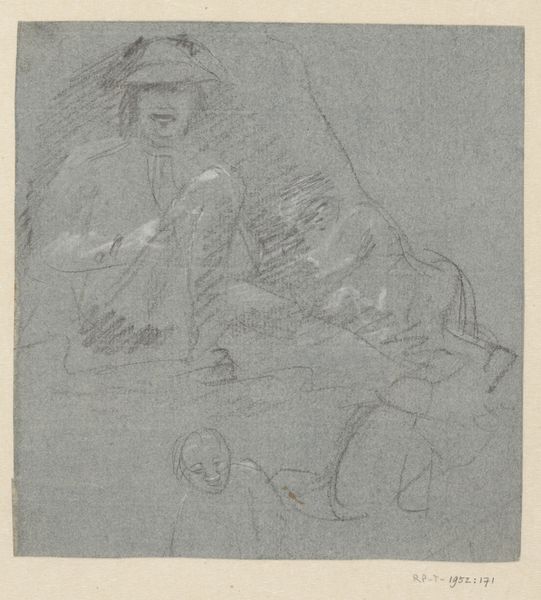
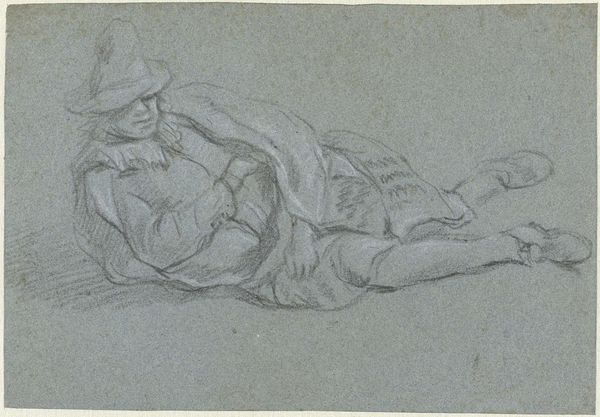
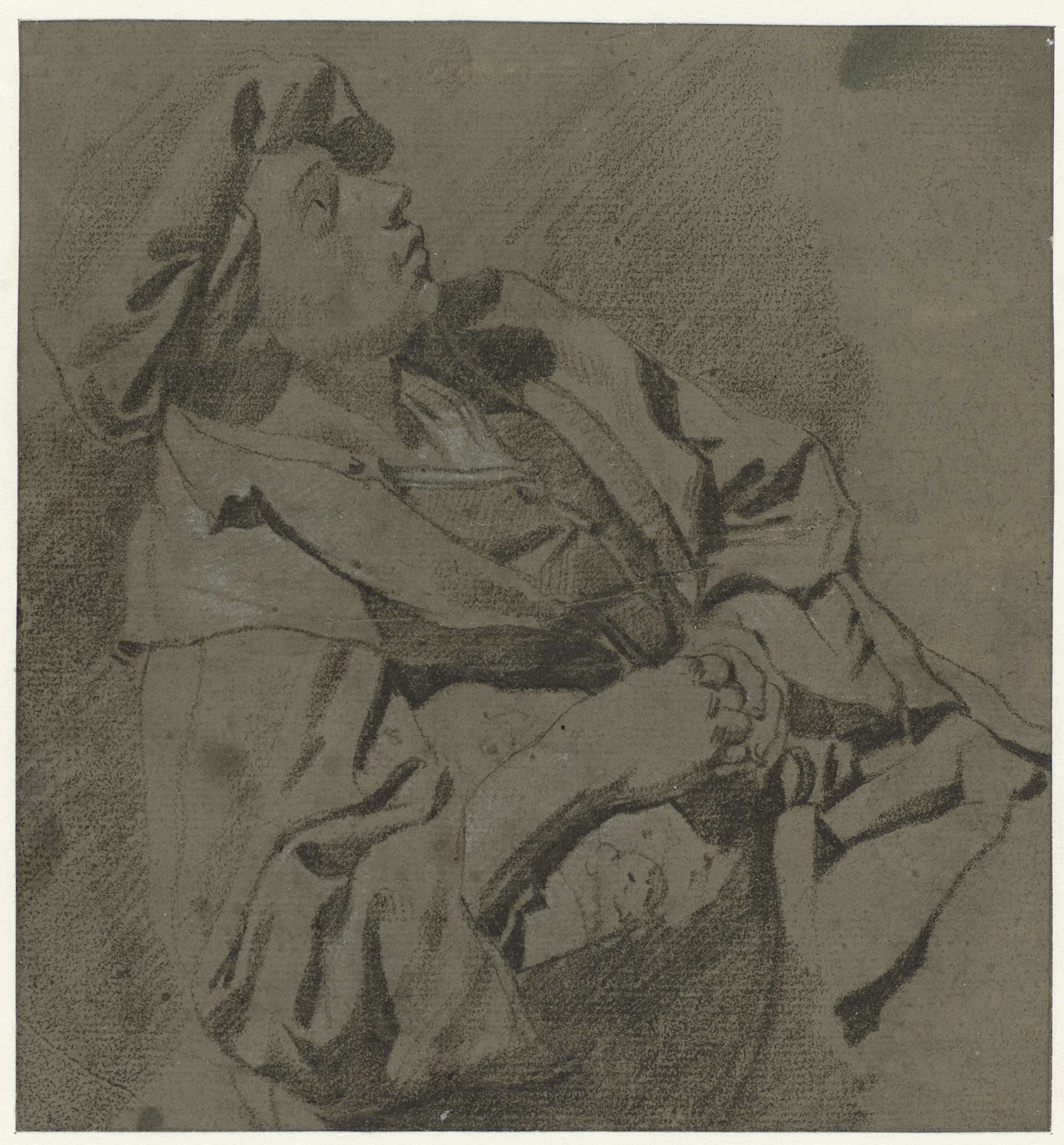
"Boy in a Beret, Leaning Back" is a small drawing made by Cornelis Bega, an artist active during the Dutch Golden Age. Bega, like many of his contemporaries, was interested in depicting everyday life. This work offers an intimate glimpse into the life of a young man, his gaze directed upwards. The beret suggests a certain class identity, possibly of someone involved in the arts or a craftsman. During the 17th century, the Netherlands experienced significant social stratification. So the relaxed pose of the boy might be a subtle commentary on social mobility and the changing roles within Dutch society. This drawing invites us to reflect on the lives of ordinary people during the Dutch Golden Age. It is a sensitive portrayal that captures a moment of quiet contemplation. The artist may have wanted to show an alternative narrative to the traditional representations of wealth, status, and power. It speaks to the power of art to find beauty and meaning in the everyday, offering a poignant reflection on identity, class, and the human condition.

Artwork details
- Medium
- drawing, pencil
- Dimensions
- height 156 mm, width 145 mm
- Location
- Rijksmuseum
- Copyright
- Rijks Museum: Open Domain
Tags
Comments
Share your thoughts
About this artwork
"Boy in a Beret, Leaning Back" is a small drawing made by Cornelis Bega, an artist active during the Dutch Golden Age. Bega, like many of his contemporaries, was interested in depicting everyday life. This work offers an intimate glimpse into the life of a young man, his gaze directed upwards. The beret suggests a certain class identity, possibly of someone involved in the arts or a craftsman. During the 17th century, the Netherlands experienced significant social stratification. So the relaxed pose of the boy might be a subtle commentary on social mobility and the changing roles within Dutch society. This drawing invites us to reflect on the lives of ordinary people during the Dutch Golden Age. It is a sensitive portrayal that captures a moment of quiet contemplation. The artist may have wanted to show an alternative narrative to the traditional representations of wealth, status, and power. It speaks to the power of art to find beauty and meaning in the everyday, offering a poignant reflection on identity, class, and the human condition.
Comments
Share your thoughts