About this artwork
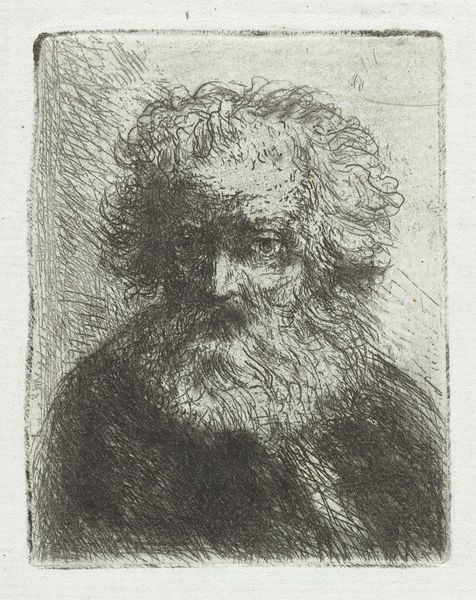
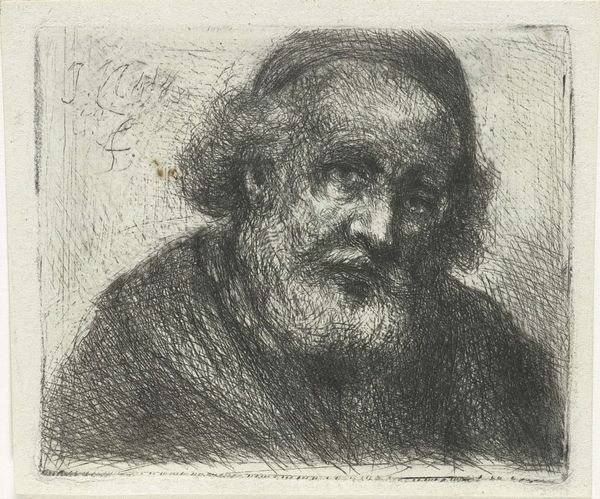
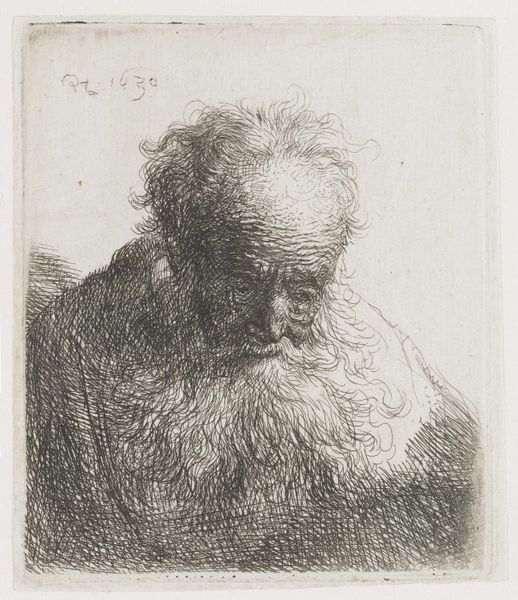
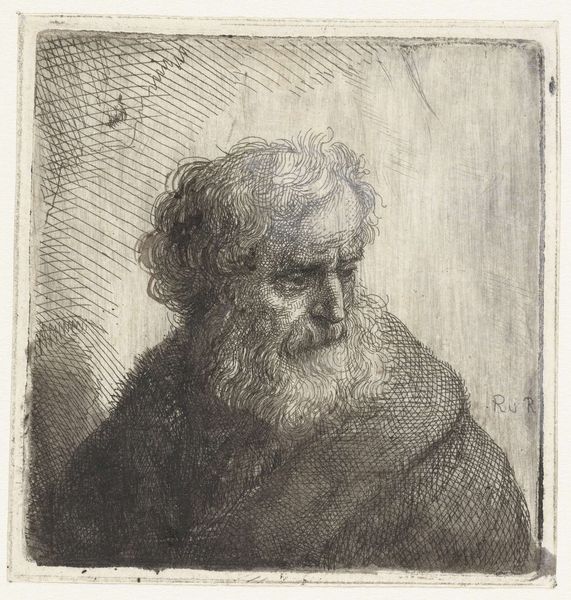
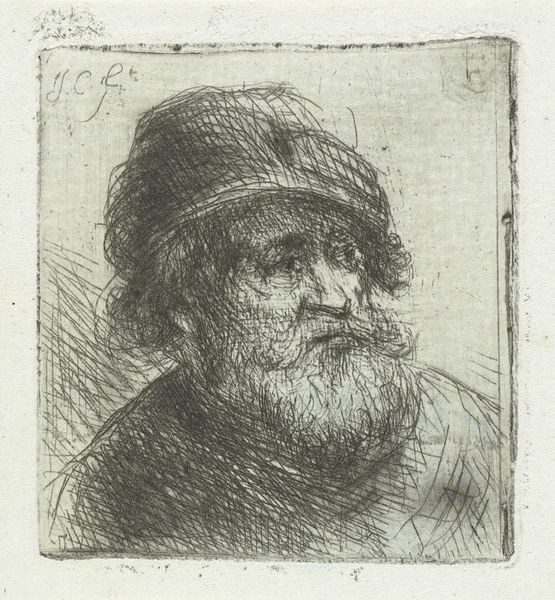
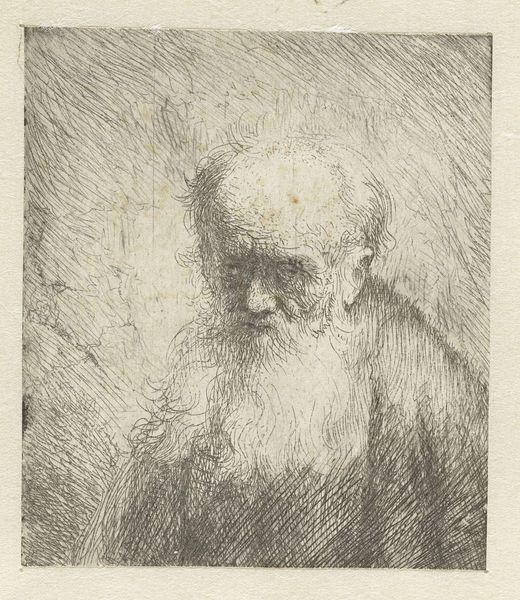
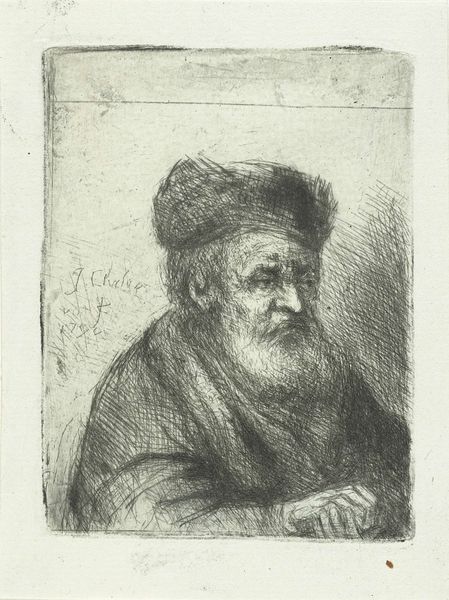
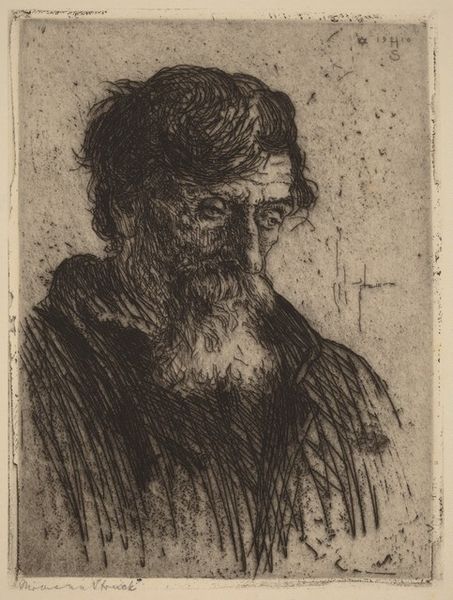
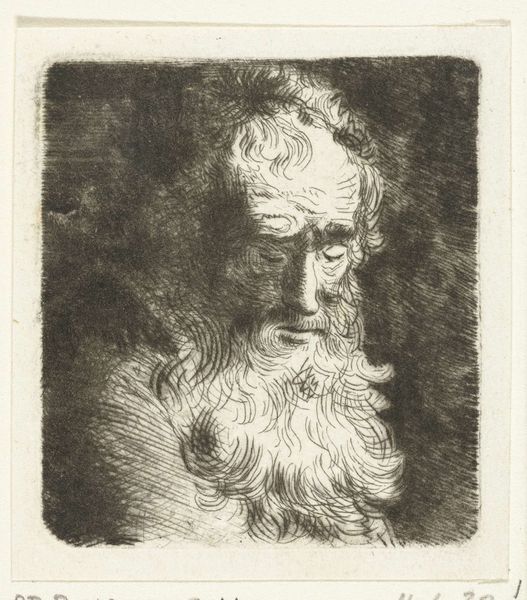
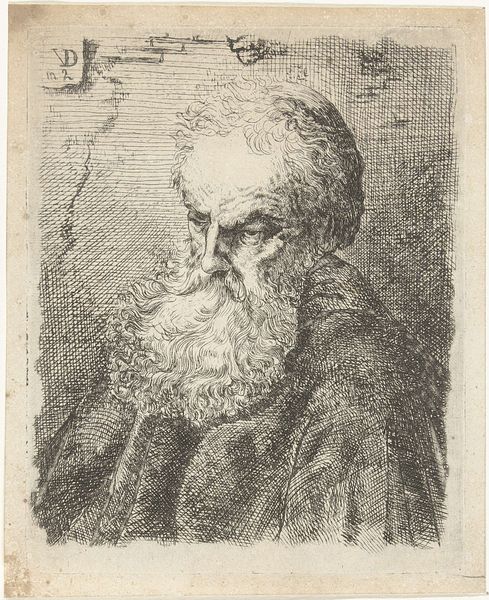
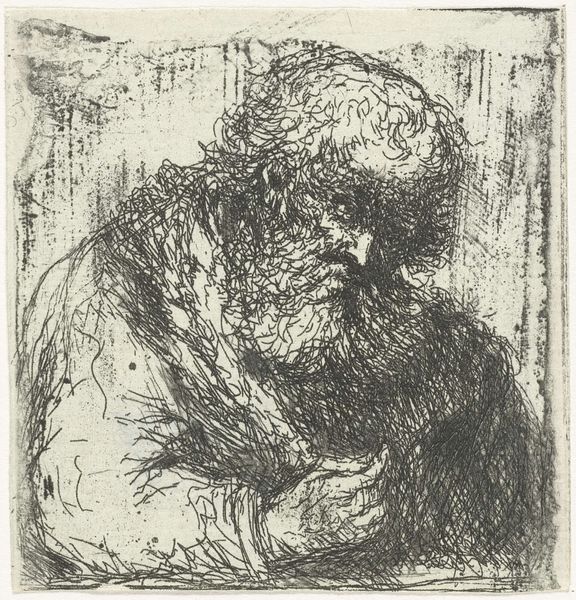
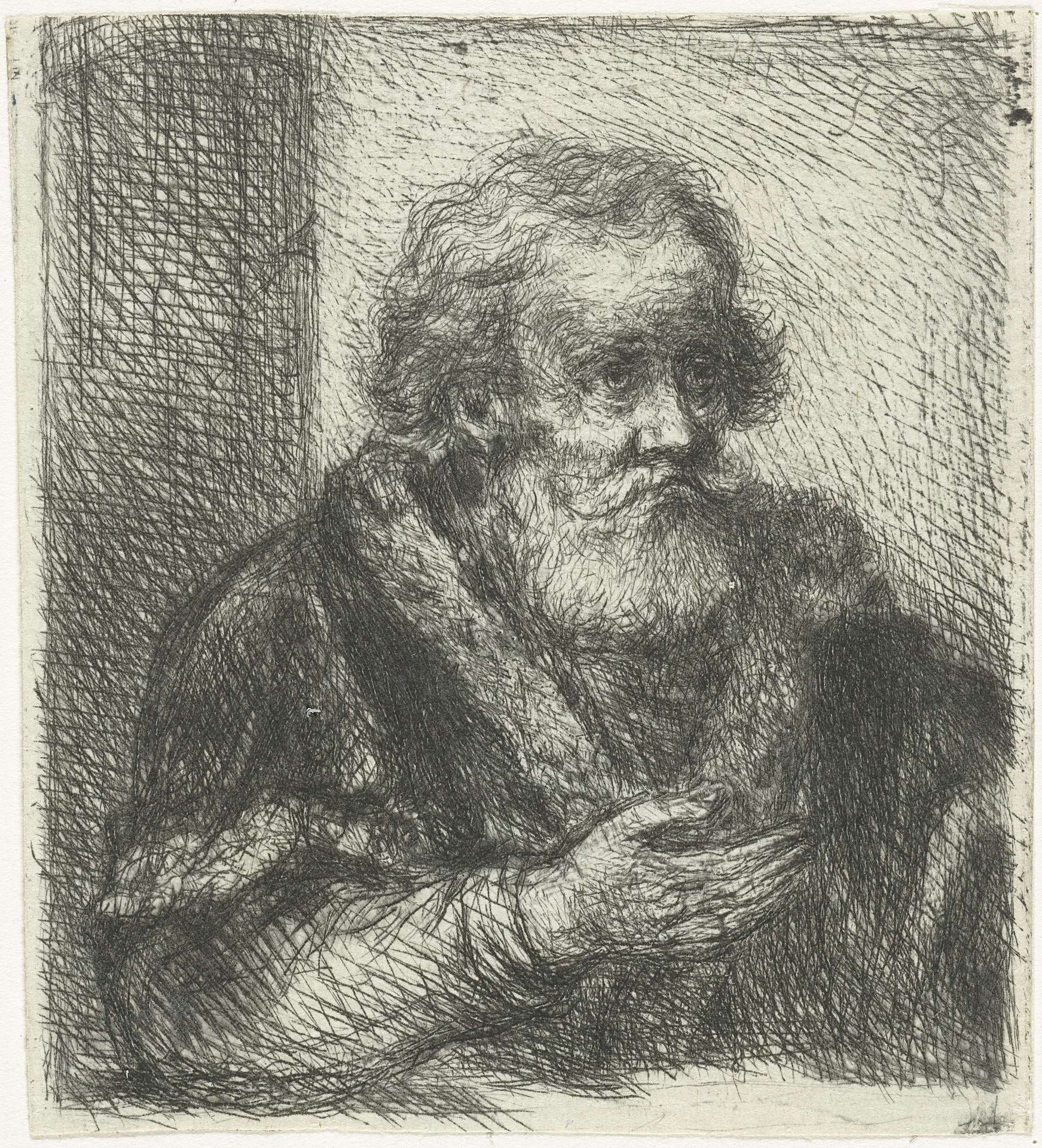
This etching of an old man was made by Jan Chalon sometime in the late 18th century. The artist used a metal plate to make this print. To create such a piece, a metal plate is coated with a waxy, acid-resistant substance, then the artist draws through the coating with a sharp needle, exposing the metal. The plate is then dipped in acid, which bites into the exposed lines. This process can be repeated to deepen certain lines, creating a tonal range. Finally, the plate is inked and wiped clean, leaving ink only in the etched lines. The process demands the artist to have an immense attention to detail, creating a remarkable sense of depth and texture. The cross-hatching technique— layering lines at different angles— adds to the sense of volume and shadow, giving the old man's face and robe a tactile quality. What Chalon is really showing us is how the labor of careful mark-making can achieve powerful expressive effects. It’s a potent reminder that art’s value isn’t just in the image represented, but also in the intensive skill involved in its production.

Artwork details
- Dimensions
- height 74 mm, width 68 mm
- Copyright
- Rijks Museum: Open Domain
Comments
Share your thoughts
About this artwork
This etching of an old man was made by Jan Chalon sometime in the late 18th century. The artist used a metal plate to make this print. To create such a piece, a metal plate is coated with a waxy, acid-resistant substance, then the artist draws through the coating with a sharp needle, exposing the metal. The plate is then dipped in acid, which bites into the exposed lines. This process can be repeated to deepen certain lines, creating a tonal range. Finally, the plate is inked and wiped clean, leaving ink only in the etched lines. The process demands the artist to have an immense attention to detail, creating a remarkable sense of depth and texture. The cross-hatching technique— layering lines at different angles— adds to the sense of volume and shadow, giving the old man's face and robe a tactile quality. What Chalon is really showing us is how the labor of careful mark-making can achieve powerful expressive effects. It’s a potent reminder that art’s value isn’t just in the image represented, but also in the intensive skill involved in its production.
Comments
Share your thoughts