About this artwork
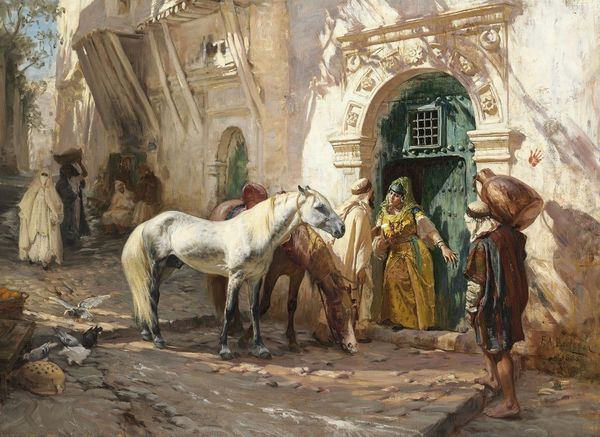
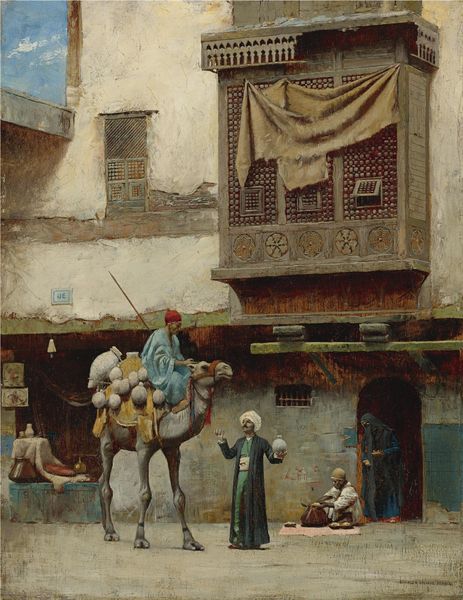
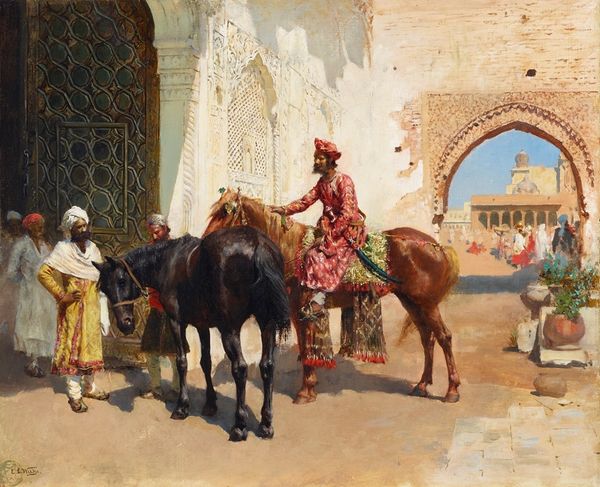
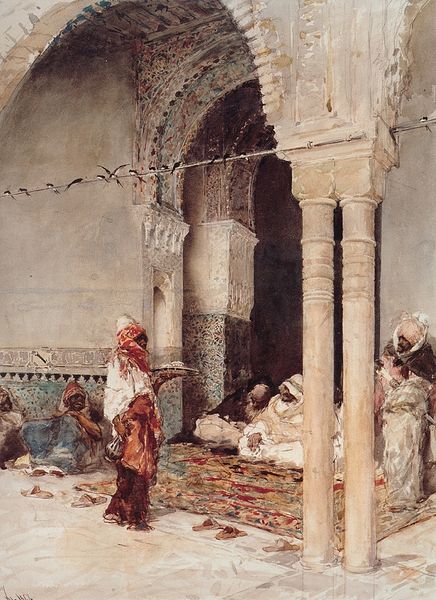
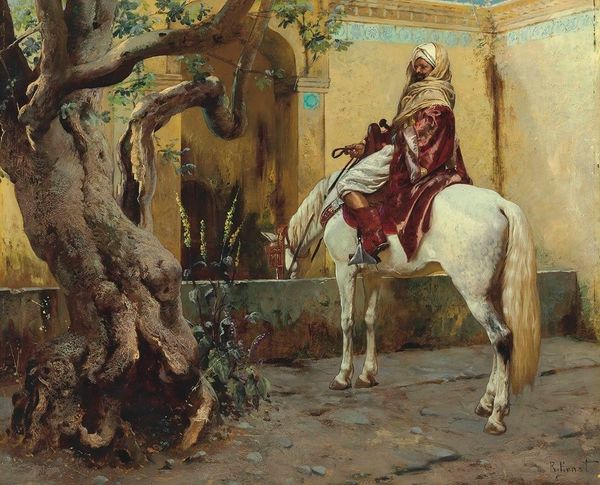
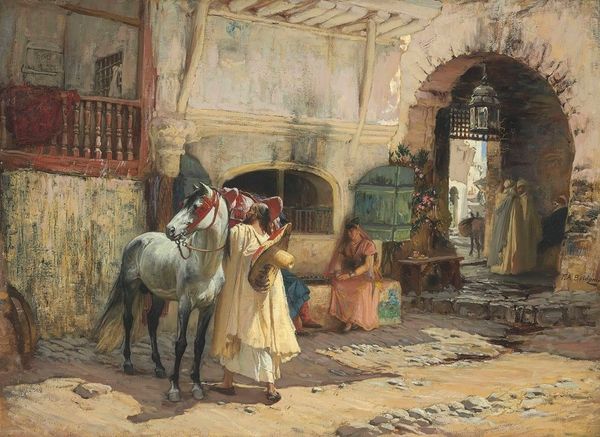
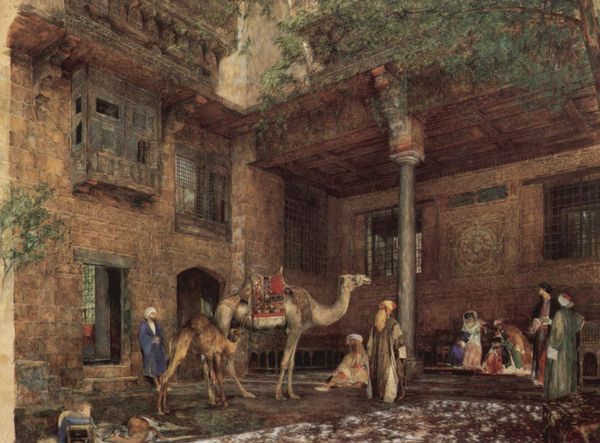
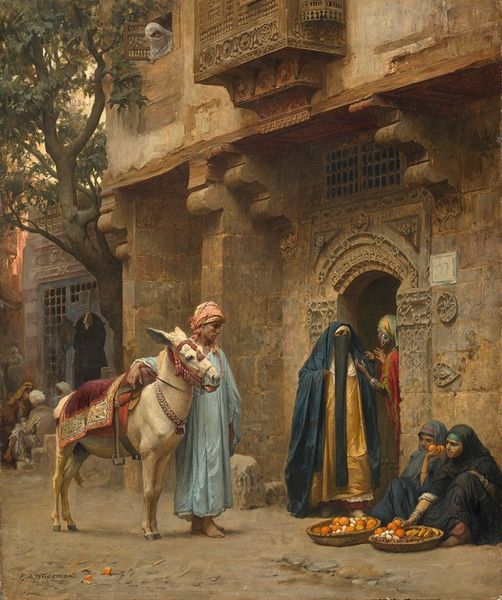
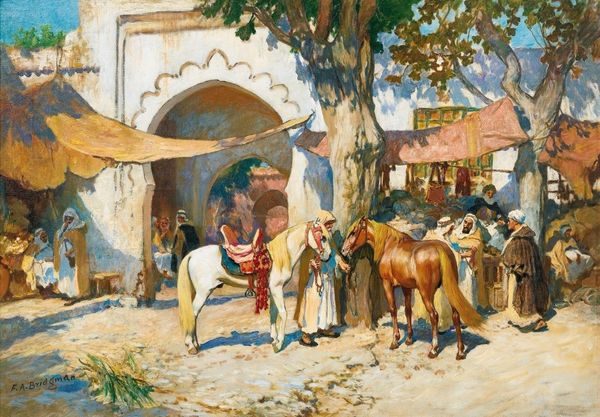
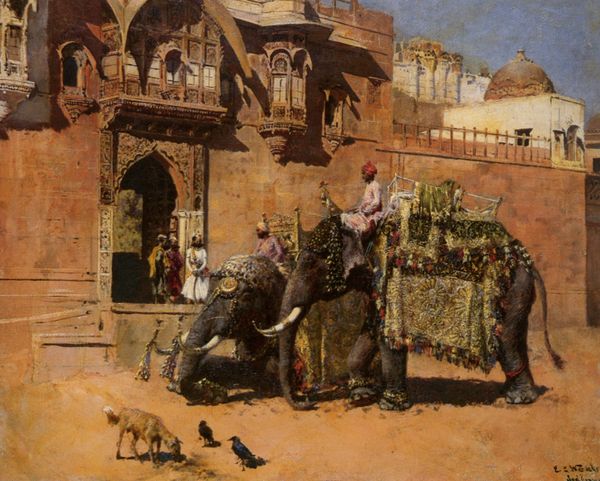
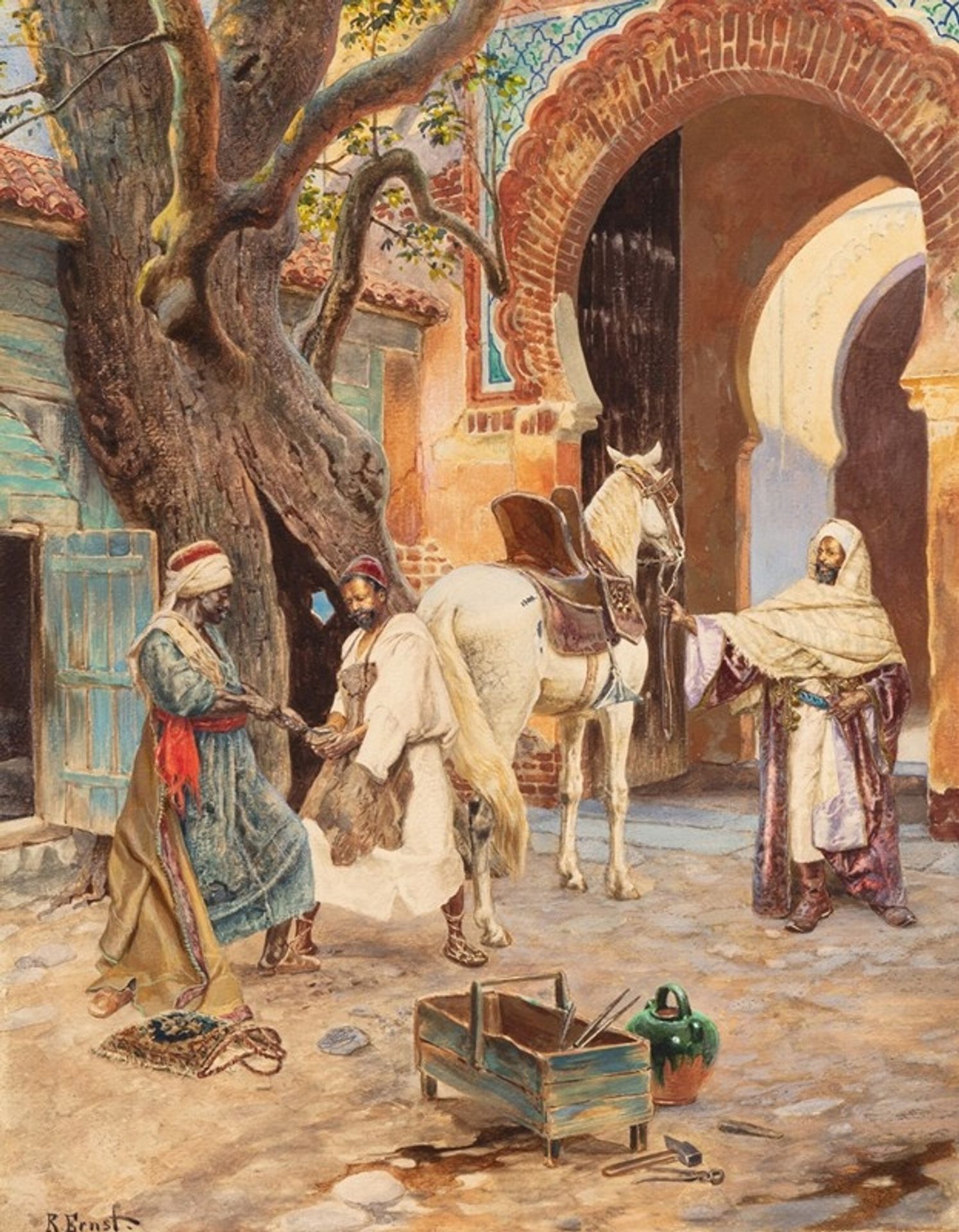
Rudolf Ernst, an Austrian artist, painted “The Farrier” during a period when Orientalism gripped the European artistic imagination. Ernst, like many of his contemporaries, never actually visited the places he depicted. Instead he constructed these scenes from afar, reflecting fantasies about the East. What we see here are his projections of cultural difference, distilled through a European lens. The transaction between the figures carries an emotional weight beyond a simple economic exchange. The painting invites us to consider the power dynamics inherent in such representations. These Orientalist paintings often served as vehicles for projecting Western desires, fears, and fantasies onto the cultures and peoples of the Middle East and North Africa. “The Farrier” becomes more than just a snapshot of a scene, it reflects the complex interplay of cultural imagination, artistic license, and the politics of representation.

Artwork details
- Medium
- painting, watercolor
- Copyright
- Public Domain: Artvee
Tags
Comments
Share your thoughts
About this artwork
Rudolf Ernst, an Austrian artist, painted “The Farrier” during a period when Orientalism gripped the European artistic imagination. Ernst, like many of his contemporaries, never actually visited the places he depicted. Instead he constructed these scenes from afar, reflecting fantasies about the East. What we see here are his projections of cultural difference, distilled through a European lens. The transaction between the figures carries an emotional weight beyond a simple economic exchange. The painting invites us to consider the power dynamics inherent in such representations. These Orientalist paintings often served as vehicles for projecting Western desires, fears, and fantasies onto the cultures and peoples of the Middle East and North Africa. “The Farrier” becomes more than just a snapshot of a scene, it reflects the complex interplay of cultural imagination, artistic license, and the politics of representation.
Comments
Share your thoughts