1650 - 1700
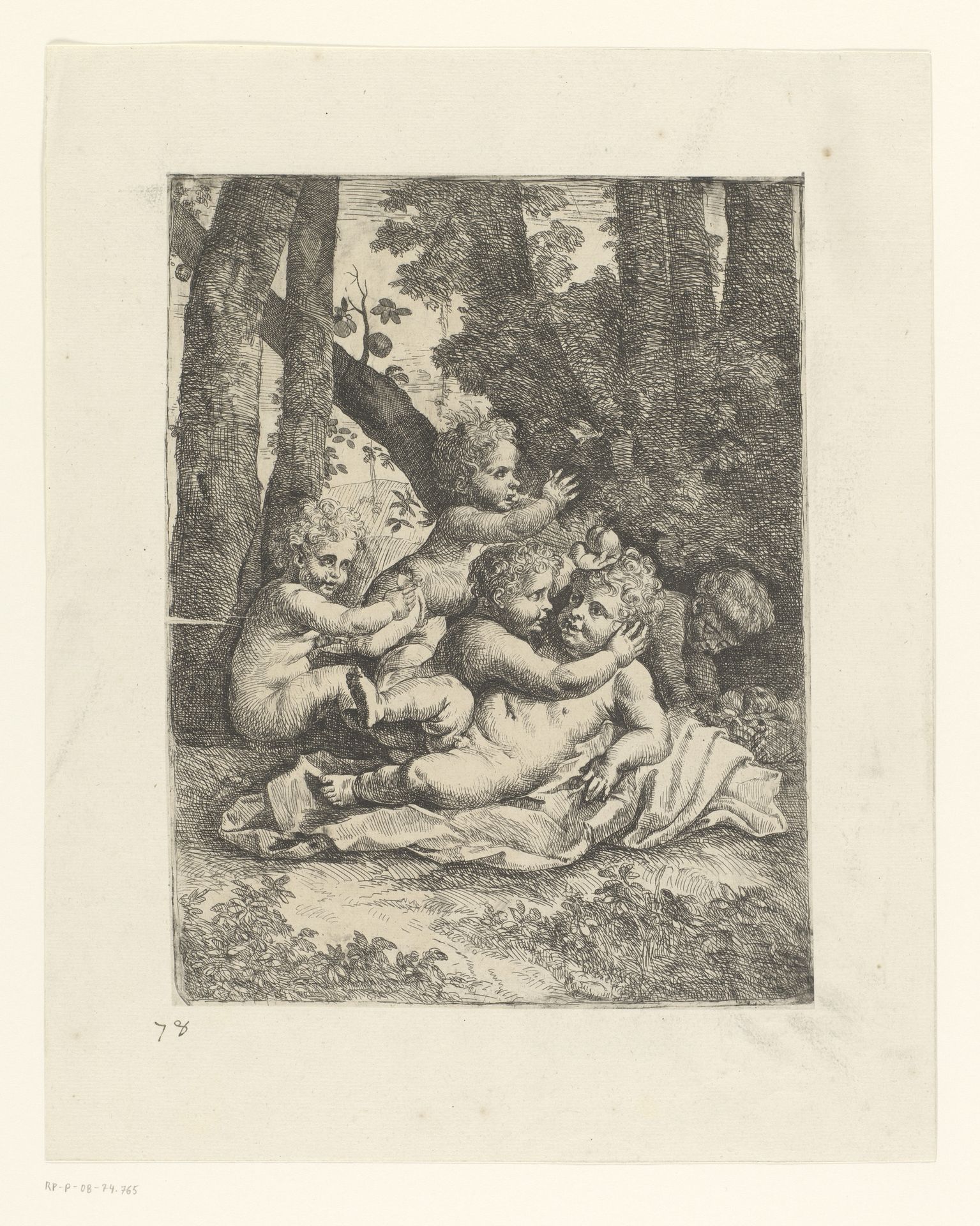
Vijf spelende putti

Anonymous
@anonymousLocation
RijksmuseumListen to curator's interpretation
Curatorial notes
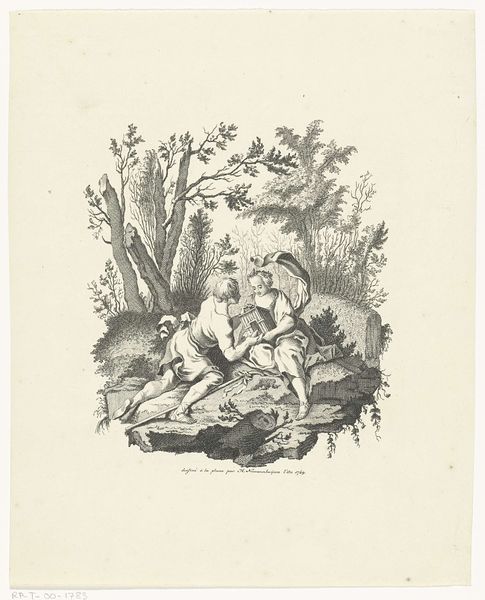
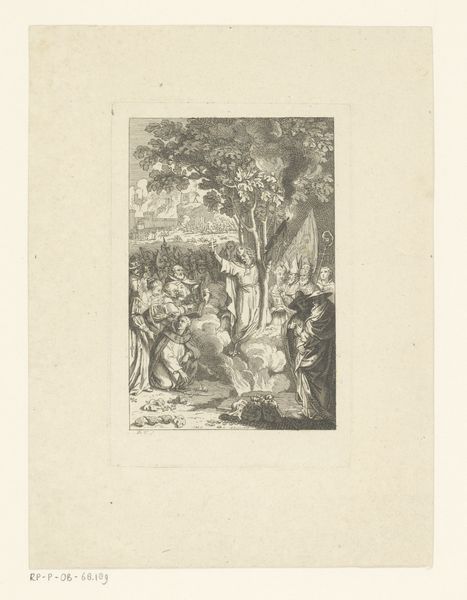
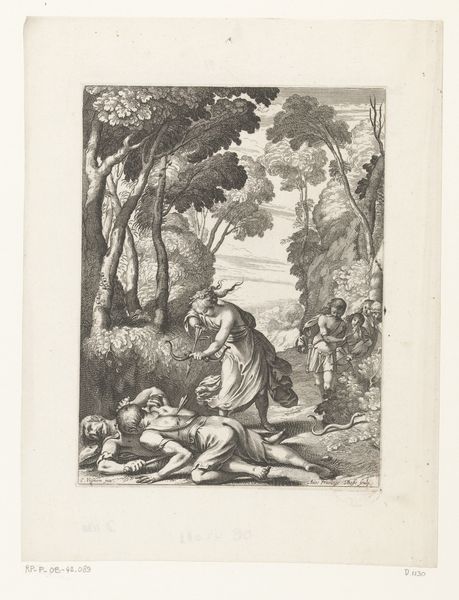
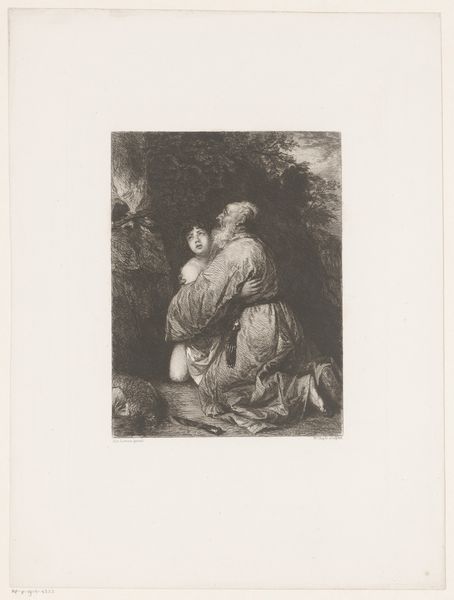
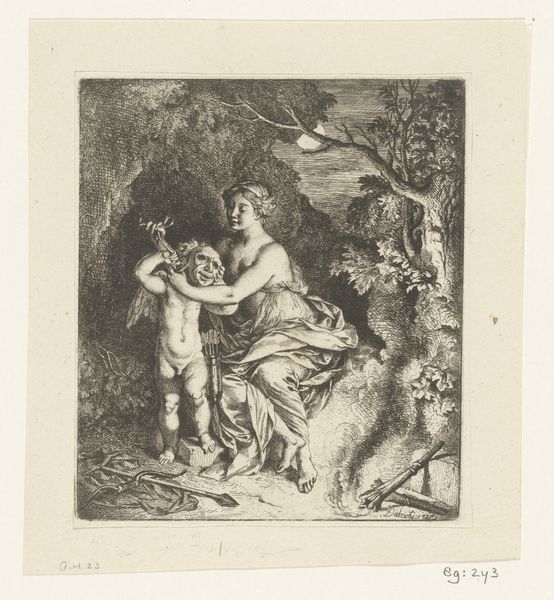
Curator: Here we have "Five Playing Putti," an engraving from the period of 1650 to 1700, created by an anonymous artist and currently held in the collection of the Rijksmuseum. Editor: The overwhelming first impression is chaos, beautifully rendered chaos. It's like a cherubic rugby scrum in the middle of a rather grim forest! Curator: It's a classic example of Baroque exuberance applied to a more intimate, genre scene. Note how the artist uses densely packed lines to create a sense of depth, almost overcrowding, to amplify the feeling of playful interaction. This artwork reflects a broader trend during that era to create visually engaging depictions of everyday life, injected with allegorical elements. Editor: Everyday life of little cherubs? I'm wondering what they're even playing. The light and shade are dramatic but the mood is a little dark. I'm seeing a sort of mischievous energy there, and perhaps also commentary on the burdens of childhood or expectations projected onto the innocent? Curator: It is likely this artwork was made as part of a larger series, a decorative print aimed towards the wealthier merchant class. The “playfulness” that is depicted echoes broader notions of "innocence" and moral lessons within a secularising society that had fewer commissions from the church for devotional artworks. Editor: "Innocence" in a shadowy forest! I do see how these playful subjects and use of print would lend this artwork to mass appeal to a growing art market outside the church! Curator: It invites us to think about how ideas of childhood and innocence are constructed and visually presented in art, revealing underlying assumptions about the role of play and morality in shaping individuals, especially as capitalism arose and the art markets opened more than ever before! Editor: A valuable insight. Even seemingly lighthearted imagery can be weighed down with social, cultural and art historical nuance!