About this artwork
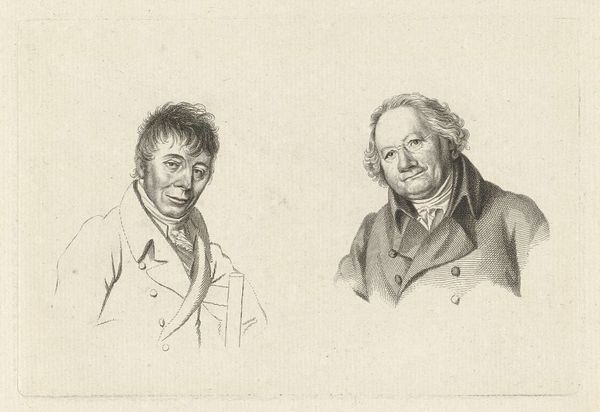
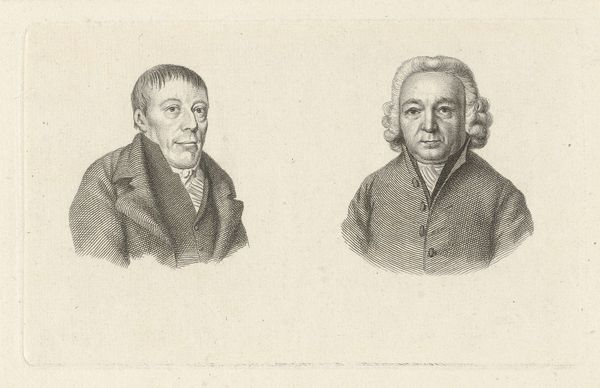
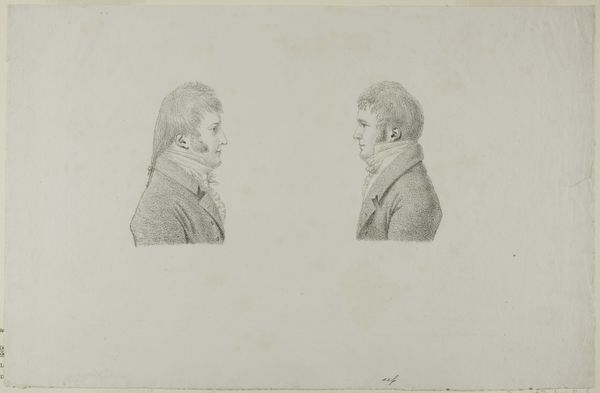
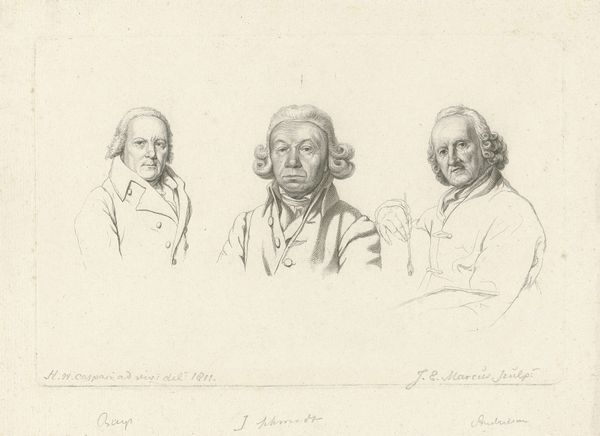
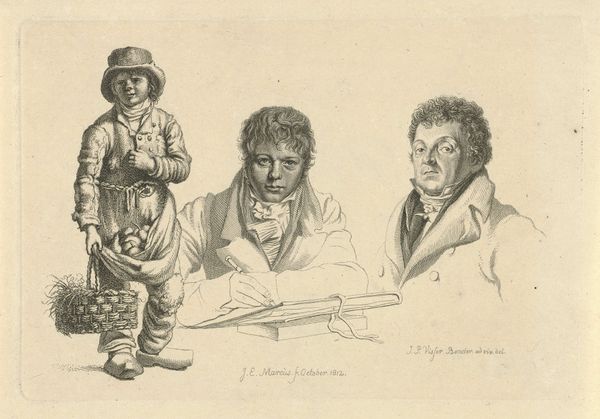
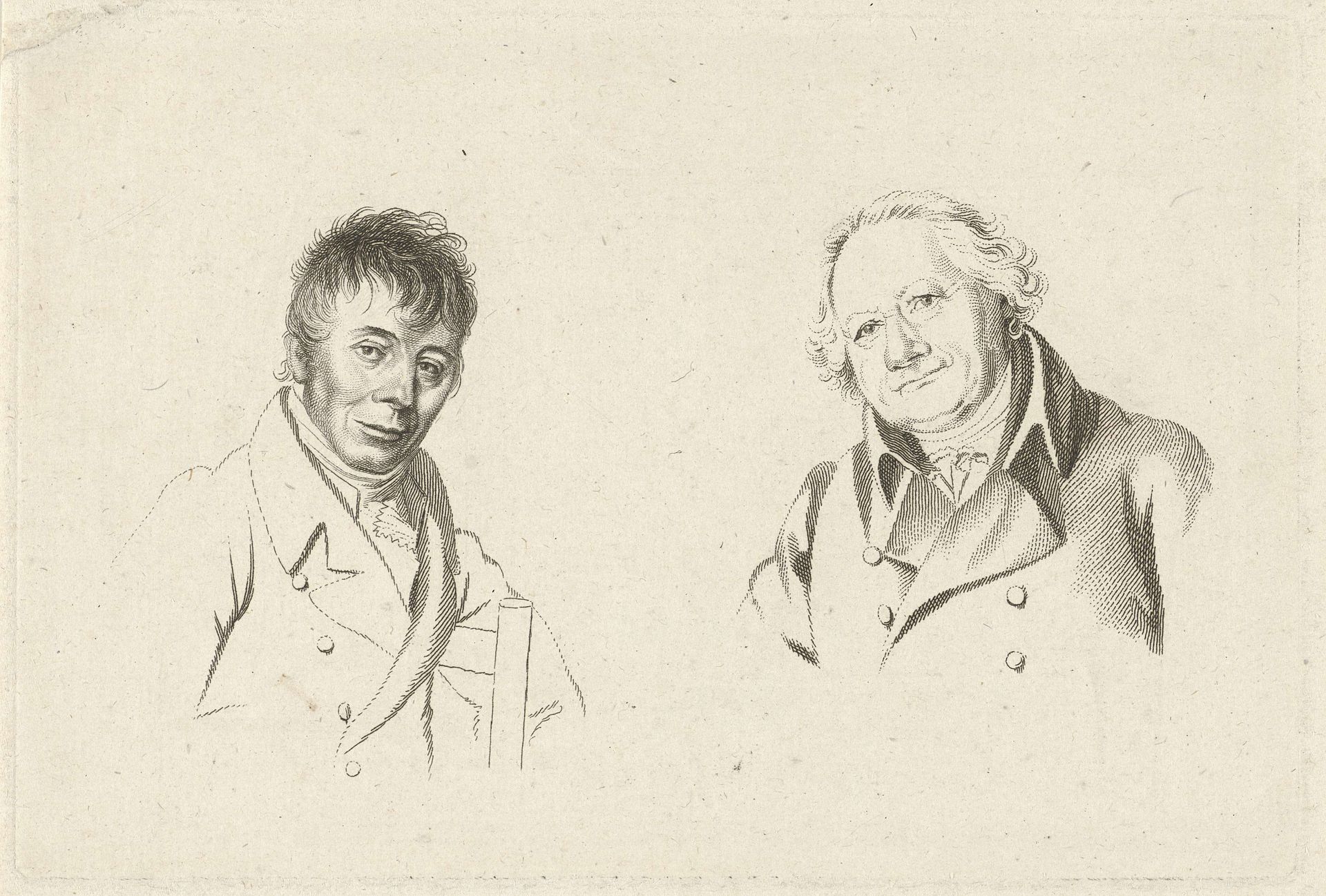
This image shows a print of Daniël Dupré and Christiaan Welmeer, made by Jacob Ernst Marcus. In the late 1700s, Europe was undergoing major political and social upheaval. In the Netherlands, the Patriot movement sought democratic reforms, challenging the established order of the Dutch Republic. Prints like this one played a crucial role in disseminating ideas and shaping public opinion. They enabled the circulation of images and information among a wider audience at a time when literacy rates were rising and political consciousness was growing. Here, the subjects are depicted with a sense of dignity and respect, which reflects the values of the Enlightenment and the Patriot movement. The artist’s technique helps to create a sense of immediacy. To understand the historical context, art historians consult a variety of sources, including newspapers, pamphlets, and personal letters. Art isn't just about aesthetics; it's a reflection of the society that produces it.
Portretten van Daniël Dupré en Christiaan Welmeer
1813

Jacob Ernst Marcus
1774 - 1826Location
RijksmuseumArtwork details
- Medium
- drawing, paper, ink
- Dimensions
- height 124 mm, width 186 mm
- Location
- Rijksmuseum
- Copyright
- Rijks Museum: Open Domain
Tags
Comments
Share your thoughts
About this artwork
This image shows a print of Daniël Dupré and Christiaan Welmeer, made by Jacob Ernst Marcus. In the late 1700s, Europe was undergoing major political and social upheaval. In the Netherlands, the Patriot movement sought democratic reforms, challenging the established order of the Dutch Republic. Prints like this one played a crucial role in disseminating ideas and shaping public opinion. They enabled the circulation of images and information among a wider audience at a time when literacy rates were rising and political consciousness was growing. Here, the subjects are depicted with a sense of dignity and respect, which reflects the values of the Enlightenment and the Patriot movement. The artist’s technique helps to create a sense of immediacy. To understand the historical context, art historians consult a variety of sources, including newspapers, pamphlets, and personal letters. Art isn't just about aesthetics; it's a reflection of the society that produces it.
Comments
Share your thoughts