About this artwork
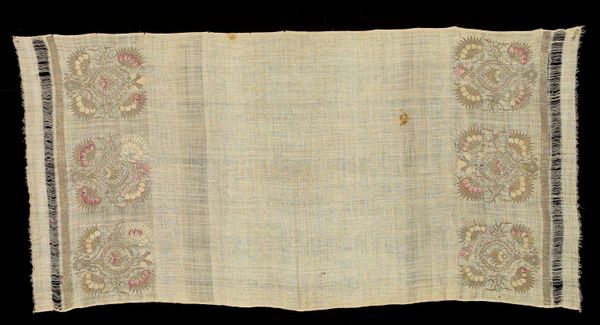
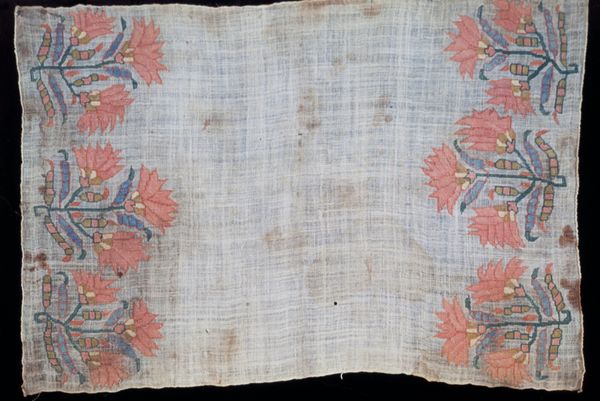
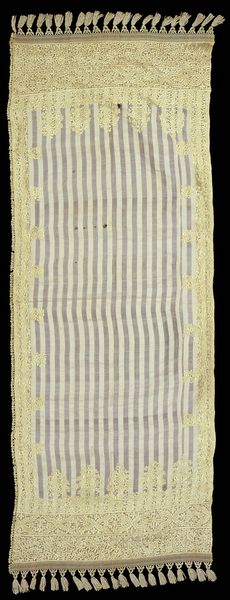
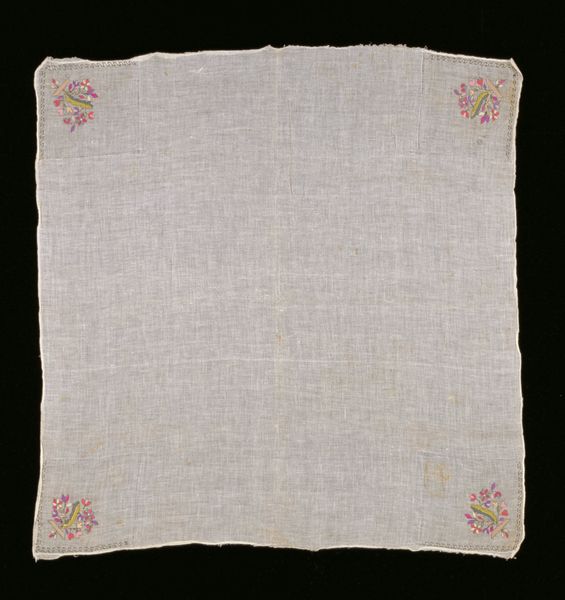
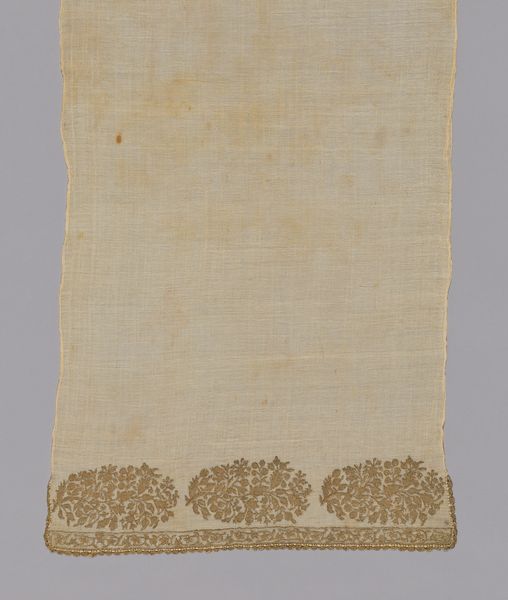
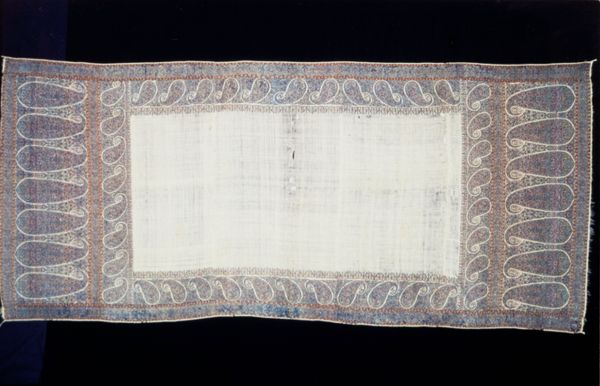
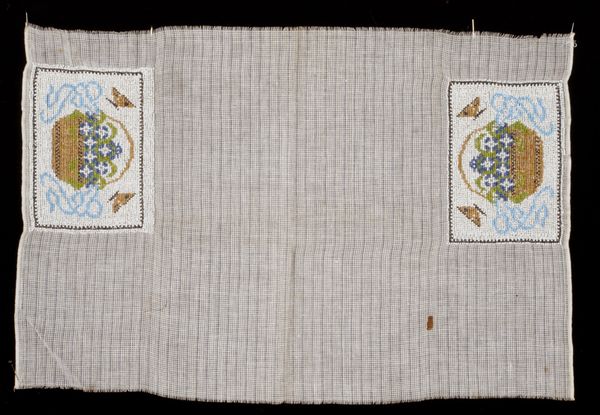
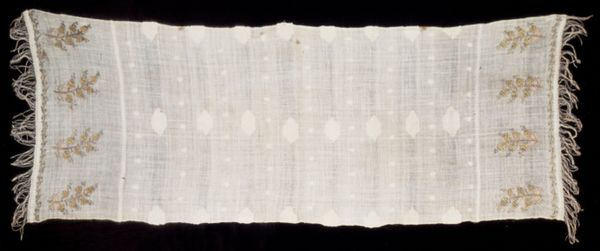
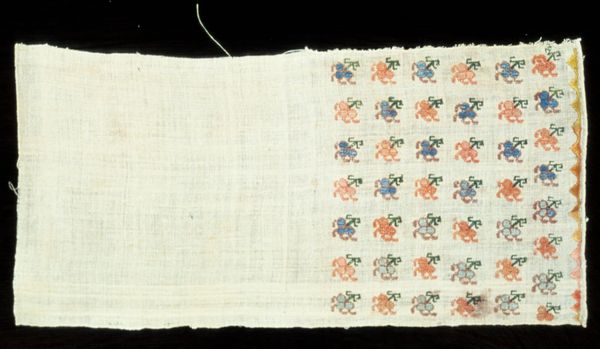
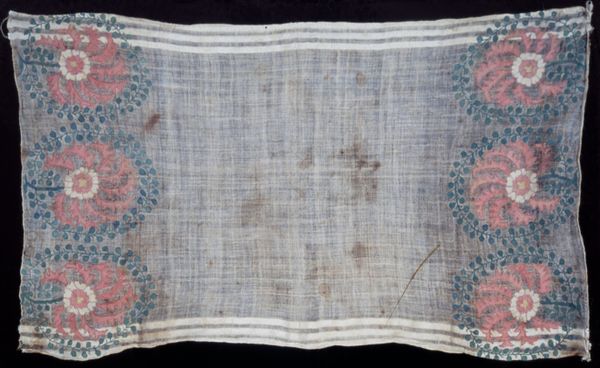
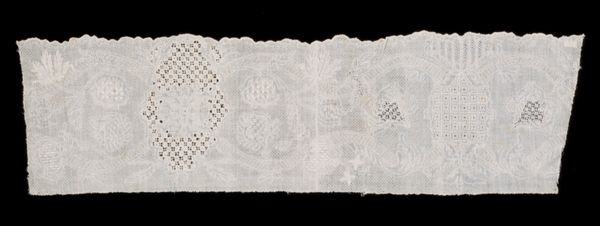
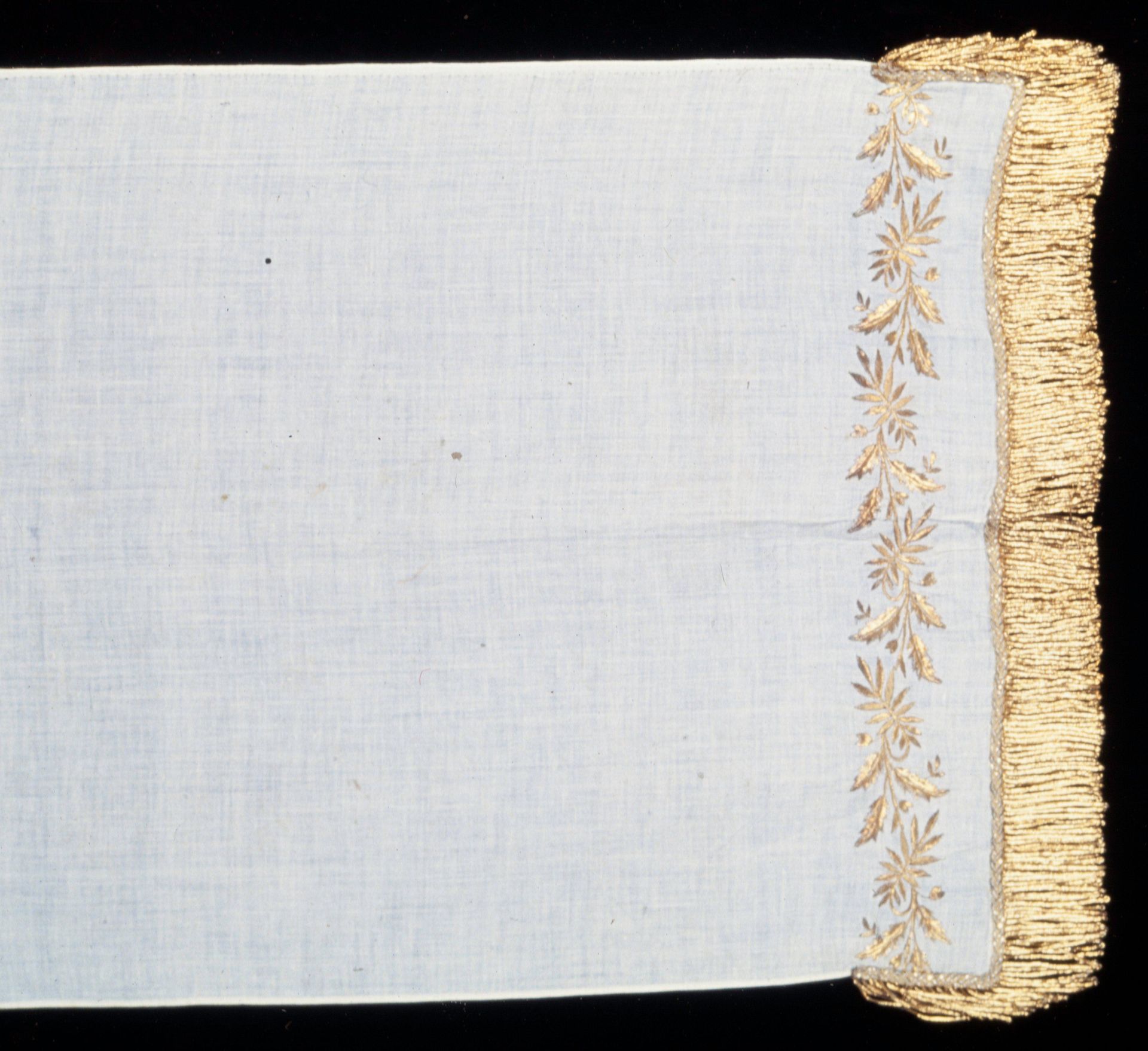
This linen towel with gold thread embroidery and fringe was made by an anonymous artist, at an unknown date. Its cultural context is revealed by its material. Linen, a textile made from flax, has a long and complex history. For centuries, it was more than just a practical fabric; it was a symbol of status, purity, and luxury. In many societies, linen production and trade were highly regulated, reflecting its economic and cultural importance. The delicate gold thread embroidery on this towel suggests it was likely intended for special occasions or to indicate the owner’s wealth and refinement. When studying an artwork like this, we might research the history of textile production, trade routes, and sumptuary laws to gain a deeper understanding of its place in society. The meaning of art depends so much on its social and institutional context.
Linen Towel
19th-20th century


Artwork details
- Medium
- fibre-art, weaving, textile
- Dimensions
- 62 x 18 in. (157.48 x 45.7 cm)
- Location
- Minneapolis Institute of Art
- Copyright
- Public Domain
Tags
Comments
Share your thoughts
About this artwork
This linen towel with gold thread embroidery and fringe was made by an anonymous artist, at an unknown date. Its cultural context is revealed by its material. Linen, a textile made from flax, has a long and complex history. For centuries, it was more than just a practical fabric; it was a symbol of status, purity, and luxury. In many societies, linen production and trade were highly regulated, reflecting its economic and cultural importance. The delicate gold thread embroidery on this towel suggests it was likely intended for special occasions or to indicate the owner’s wealth and refinement. When studying an artwork like this, we might research the history of textile production, trade routes, and sumptuary laws to gain a deeper understanding of its place in society. The meaning of art depends so much on its social and institutional context.
Comments
Share your thoughts