About this artwork
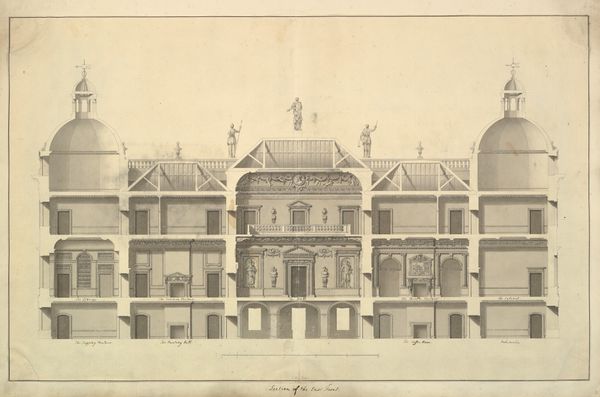
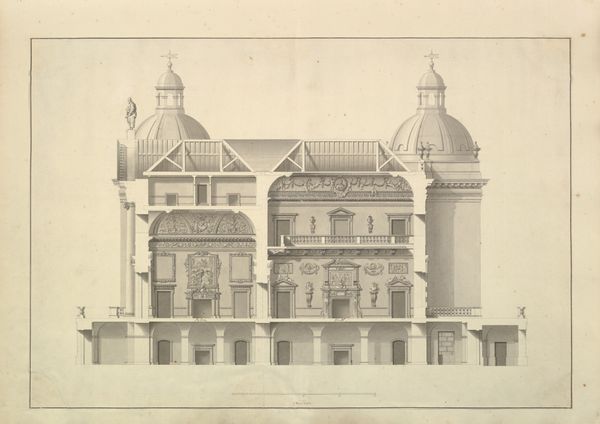
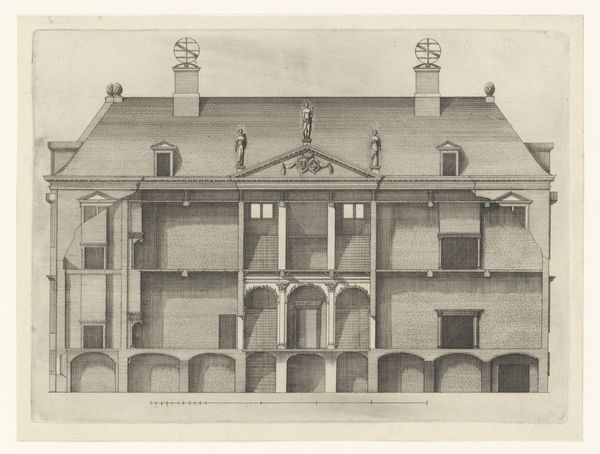
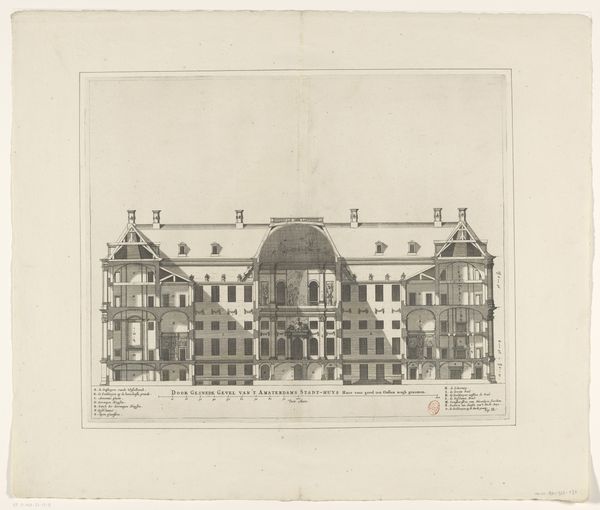
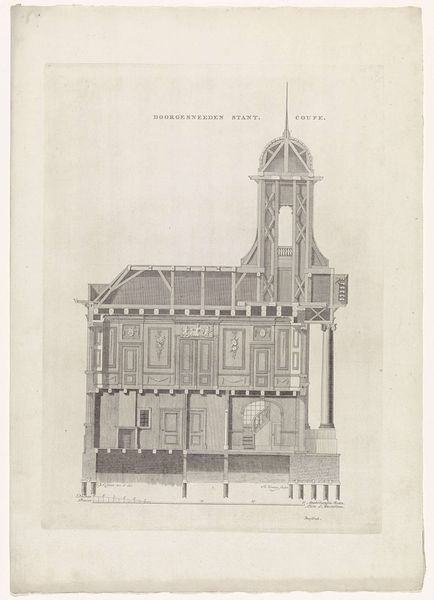
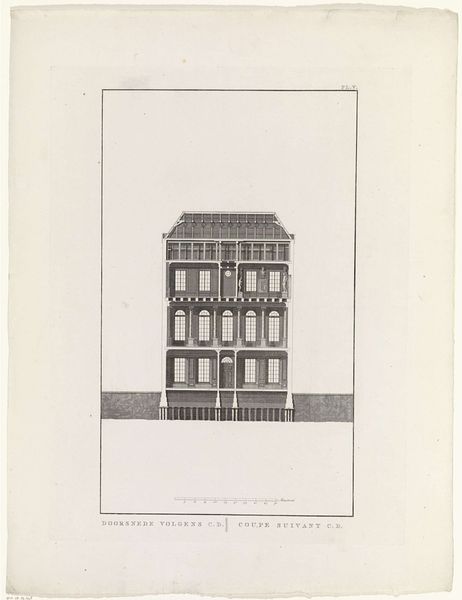
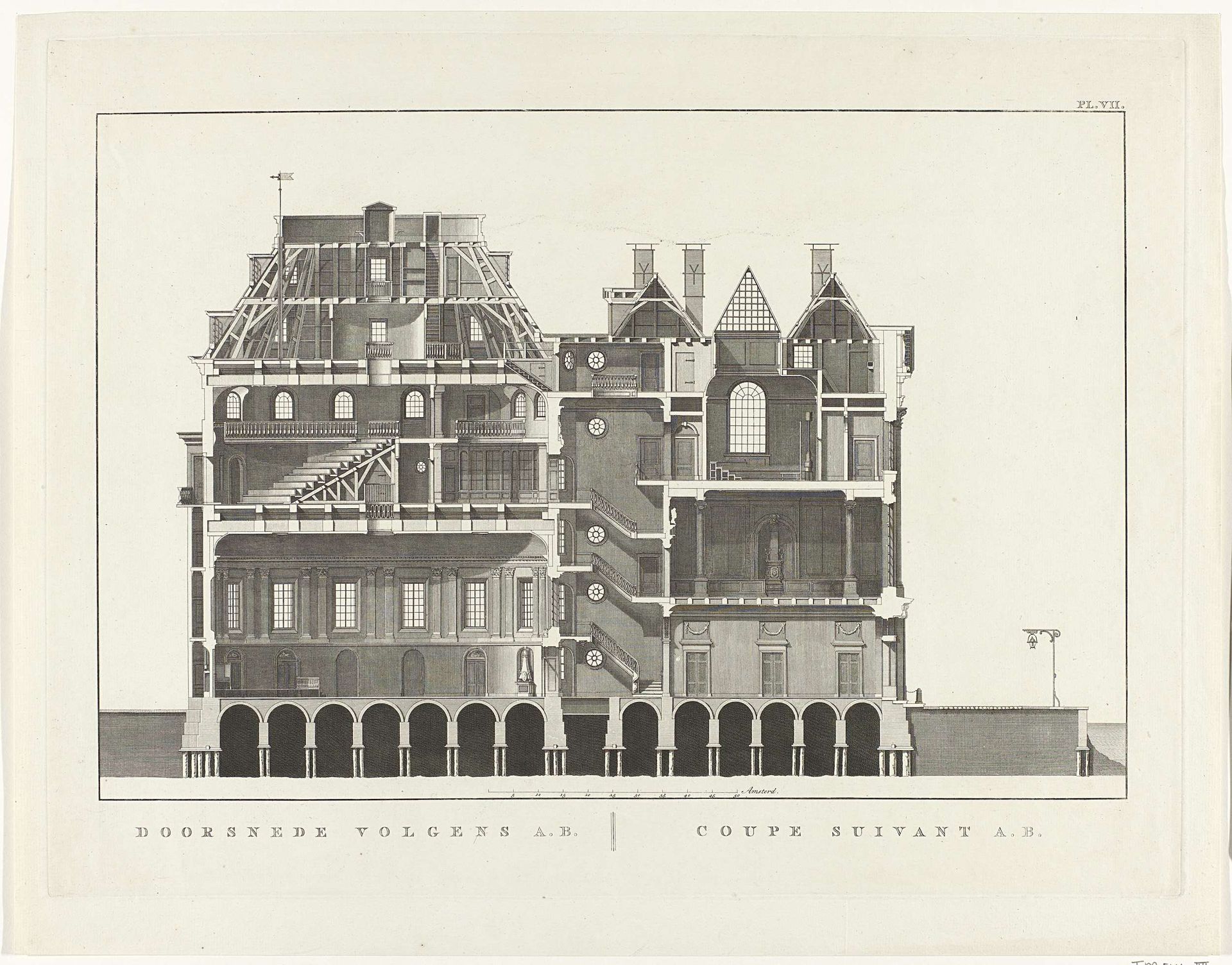
This is Noach van der Meer II's "Doorsnede van Felix Meritis te Amsterdam," an undated print offering a cross-section of Amsterdam's Felix Meritis building. The late 18th century, when Van der Meer was active, was a time of intellectual ferment in Europe, embodying the Enlightenment ideals of reason and progress. This building was the physical embodiment of those ideals. It provided a space for scientific, artistic, and intellectual exchange. Consider, however, who had access to such spaces. This print, like the building itself, would have been primarily the domain of the privileged. It speaks to the power dynamics inherent in the pursuit of knowledge. Van der Meer's detailed rendering invites us to consider the architecture not just as a structure, but as a stage upon which social and intellectual dramas unfolded, often excluding marginalized voices. Think about whose stories are missing from this picture. While we admire the precision of the architecture, let’s also remember the importance of spaces that foster truly inclusive dialogue.
Doorsnede van Felix Meritis te Amsterdam (Pl. VII) 1789 - 1791

Noach van der (II) Meer
1741 - 1822Location
RijksmuseumArtwork details
- Medium
- drawing, print, engraving, architecture
- Dimensions
- height 414 mm, width 545 mm
- Location
- Rijksmuseum
- Copyright
- Rijks Museum: Open Domain
Tags
architectural sketch
drawing
neoclacissism
architectural drawing
architecture drawing
cityscape
engraving
architecture
Comments
No comments
About this artwork
This is Noach van der Meer II's "Doorsnede van Felix Meritis te Amsterdam," an undated print offering a cross-section of Amsterdam's Felix Meritis building. The late 18th century, when Van der Meer was active, was a time of intellectual ferment in Europe, embodying the Enlightenment ideals of reason and progress. This building was the physical embodiment of those ideals. It provided a space for scientific, artistic, and intellectual exchange. Consider, however, who had access to such spaces. This print, like the building itself, would have been primarily the domain of the privileged. It speaks to the power dynamics inherent in the pursuit of knowledge. Van der Meer's detailed rendering invites us to consider the architecture not just as a structure, but as a stage upon which social and intellectual dramas unfolded, often excluding marginalized voices. Think about whose stories are missing from this picture. While we admire the precision of the architecture, let’s also remember the importance of spaces that foster truly inclusive dialogue.
Comments
No comments