About this artwork
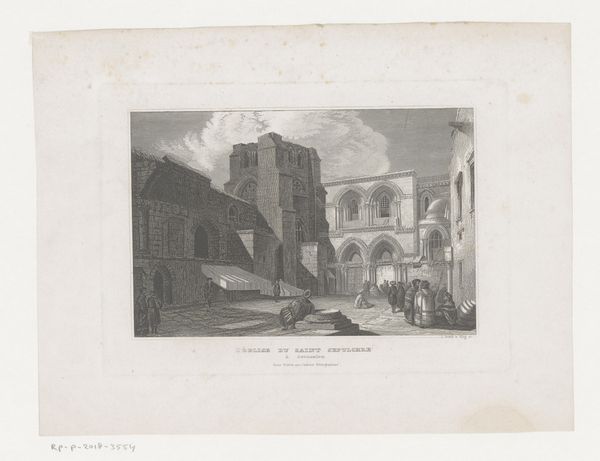
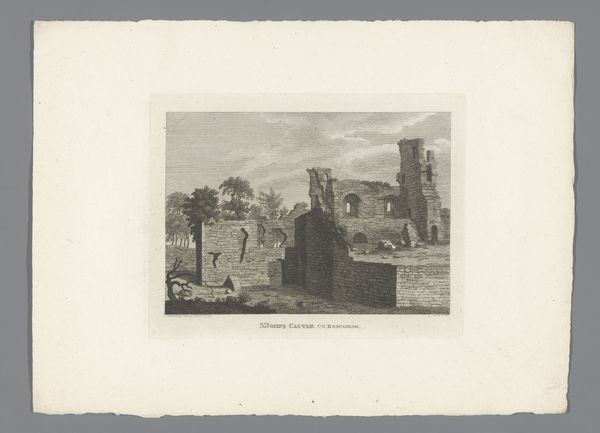
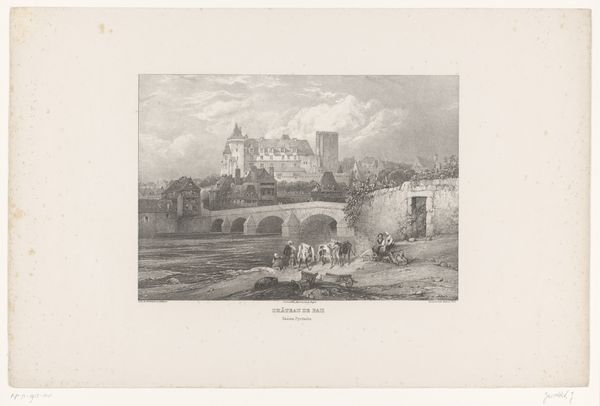
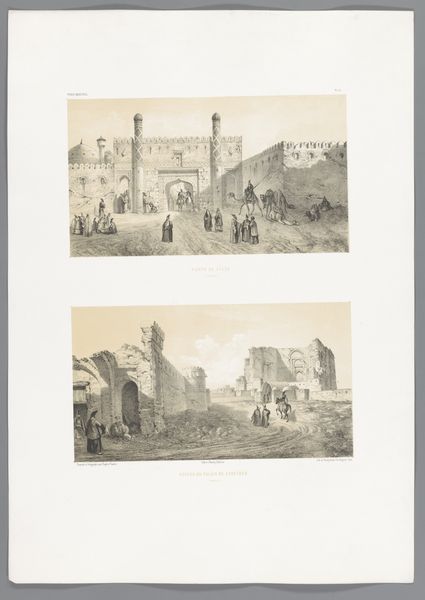
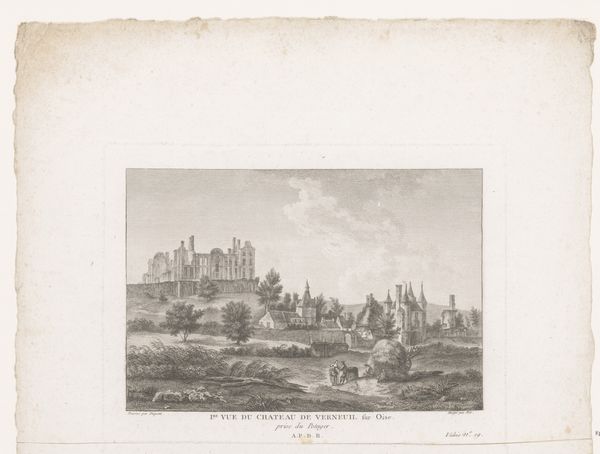
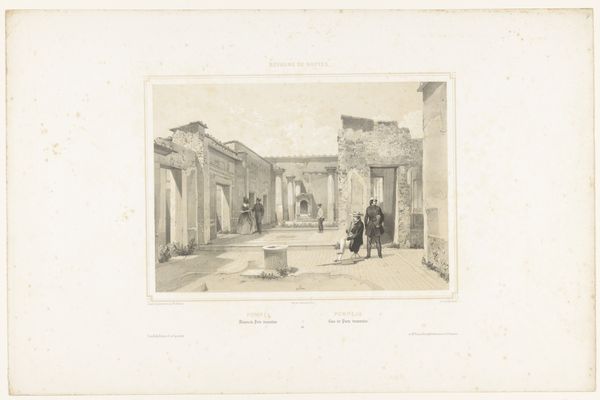
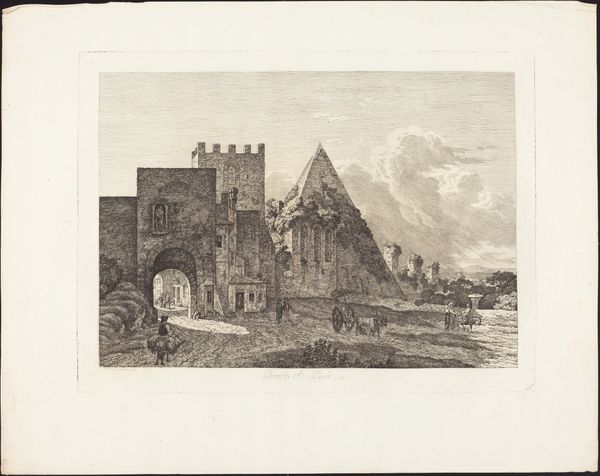
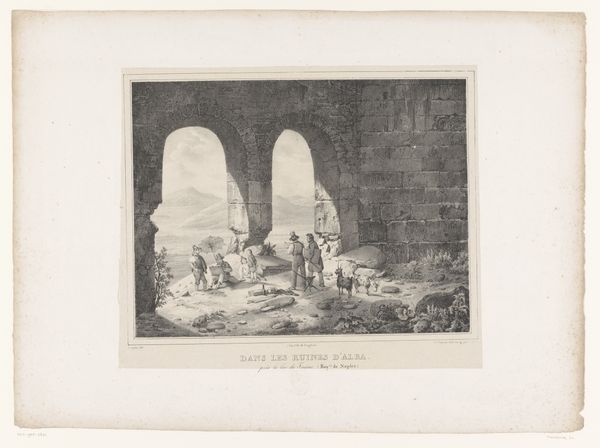
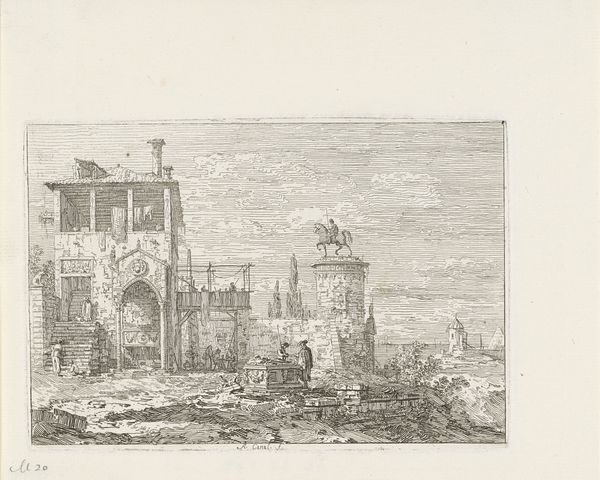
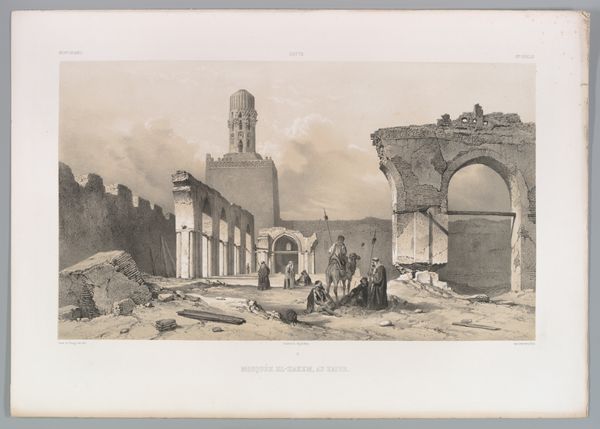
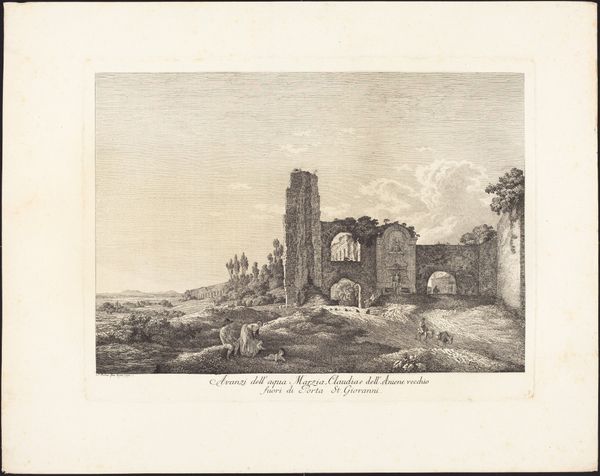
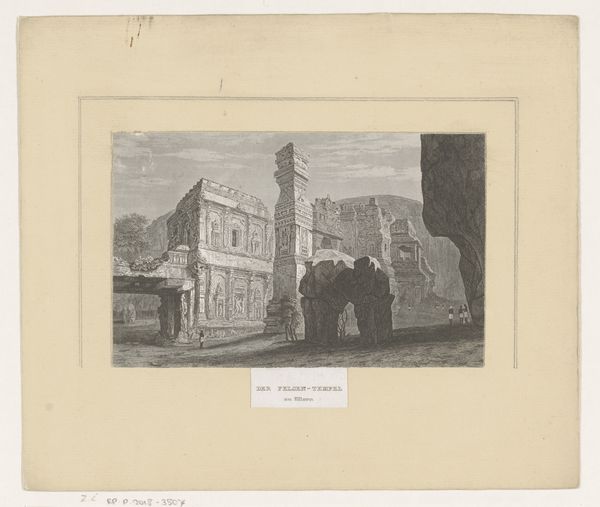
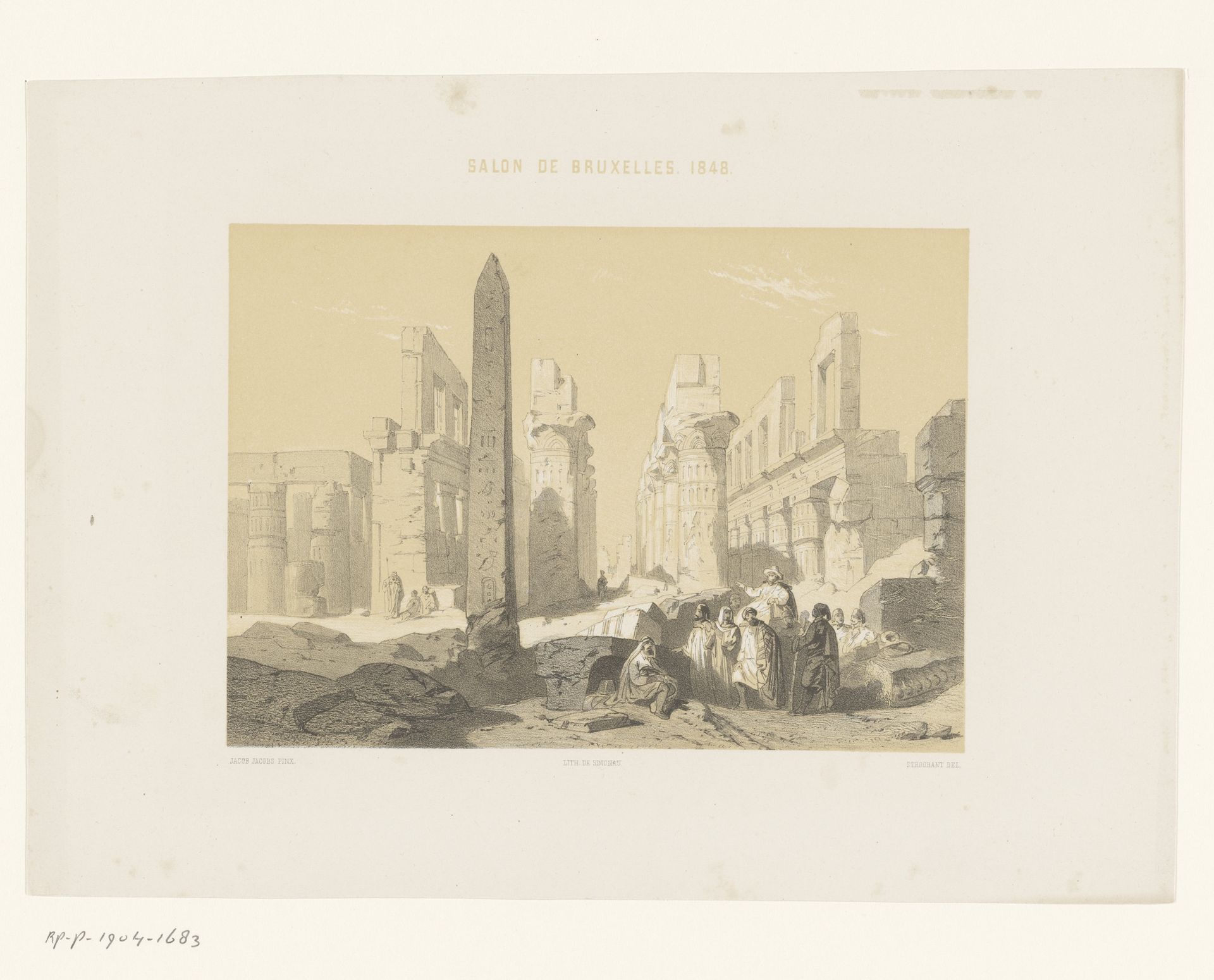
François Stroobant's rendering of Egyptian ruins captures a stark scene dominated by vertical thrusts of ancient architecture set against the pale sky. Linear precision defines the fragmented pillars and obelisks, creating a powerful contrast between human presence and monumental decay. The composition reflects early 19th-century interests in the sublime and the picturesque. The decaying structures evoke a sense of time's relentless passage. The people among the ruins serve as a scale for the enormity of the architectural remains. Stroobant’s skillful rendering of light and shadow enhances the play between form and absence. This aesthetic approach invites contemplation on the nature of civilization and history, prompting us to consider how we assign value and meaning to cultural relics. The ruin becomes a signifier, laden with narratives about power and temporality.
Man in een draagstoel bezoekt Egyptische ruïnes
1848 - 1904

François Stroobant
1819 - 1916Location
RijksmuseumArtwork details
- Dimensions
- height 219 mm, width 302 mm
- Location
- Rijksmuseum
- Copyright
- Rijks Museum: Open Domain
Tags
Comments
Share your thoughts
About this artwork
François Stroobant's rendering of Egyptian ruins captures a stark scene dominated by vertical thrusts of ancient architecture set against the pale sky. Linear precision defines the fragmented pillars and obelisks, creating a powerful contrast between human presence and monumental decay. The composition reflects early 19th-century interests in the sublime and the picturesque. The decaying structures evoke a sense of time's relentless passage. The people among the ruins serve as a scale for the enormity of the architectural remains. Stroobant’s skillful rendering of light and shadow enhances the play between form and absence. This aesthetic approach invites contemplation on the nature of civilization and history, prompting us to consider how we assign value and meaning to cultural relics. The ruin becomes a signifier, laden with narratives about power and temporality.
Comments
Share your thoughts