About this artwork
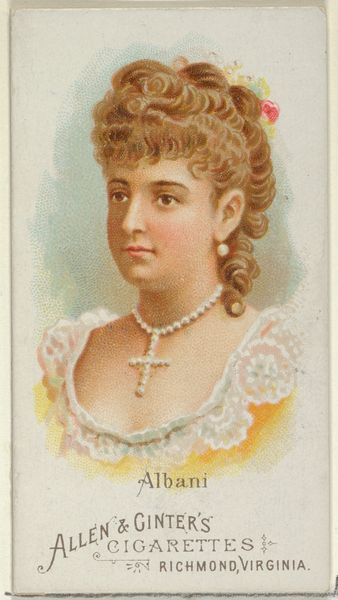
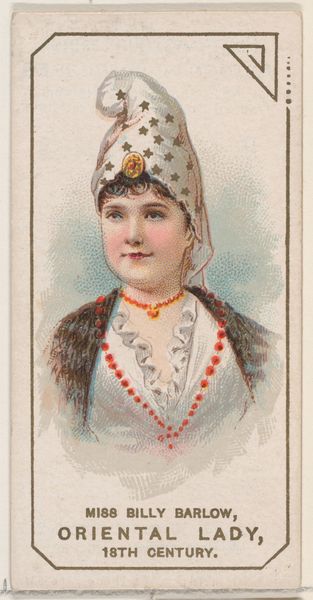
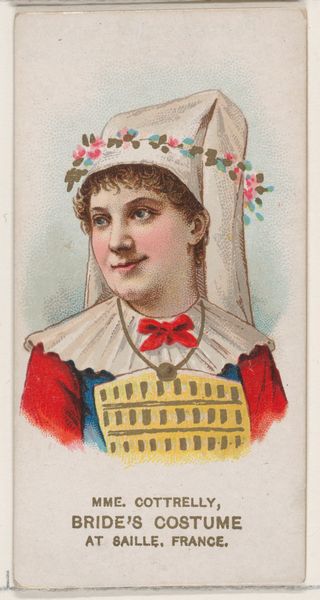
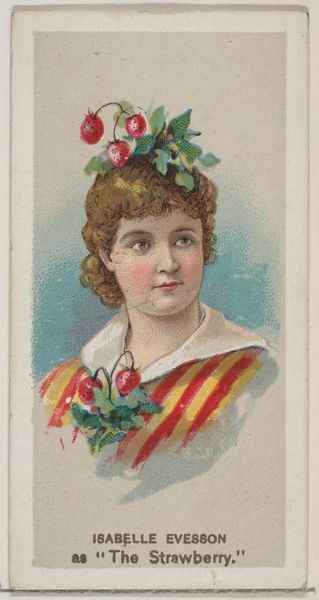
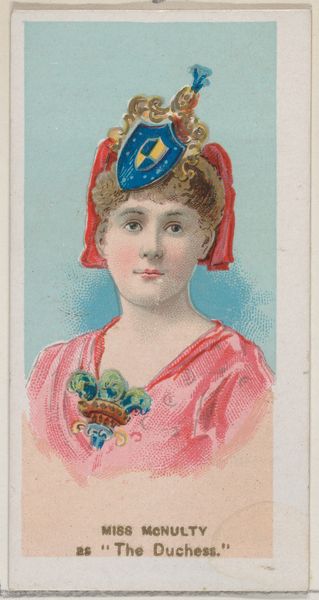
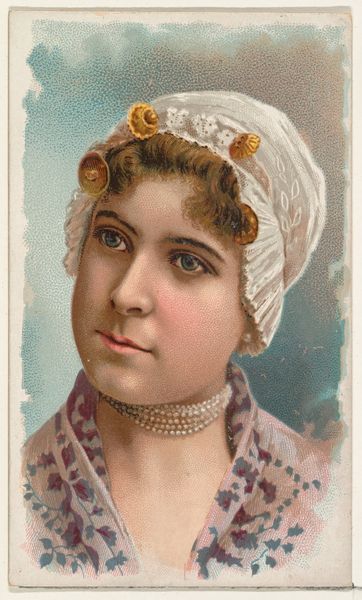
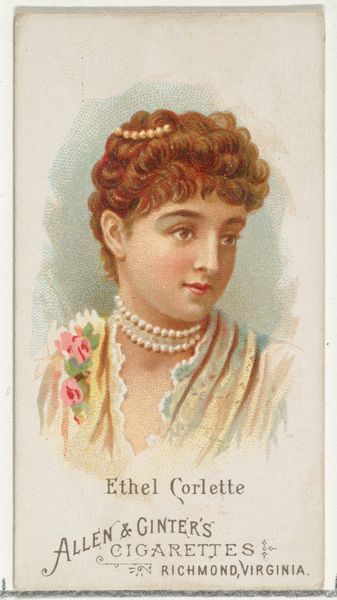
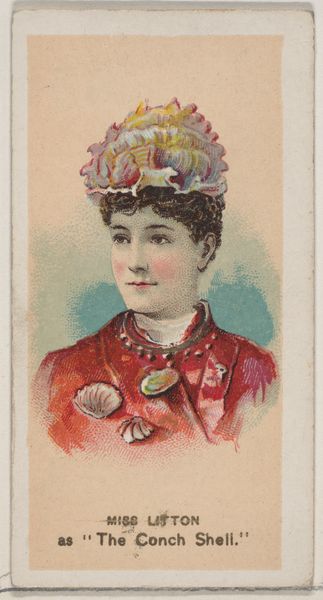
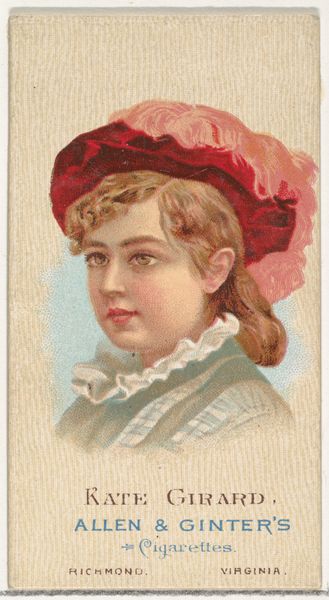
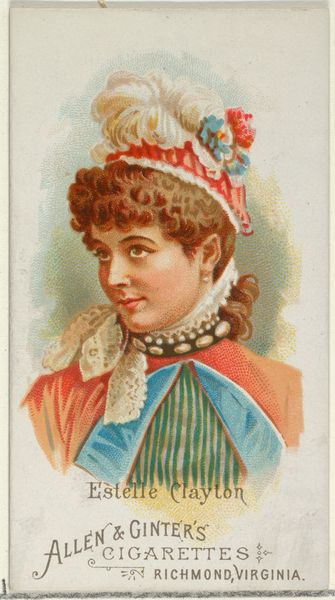
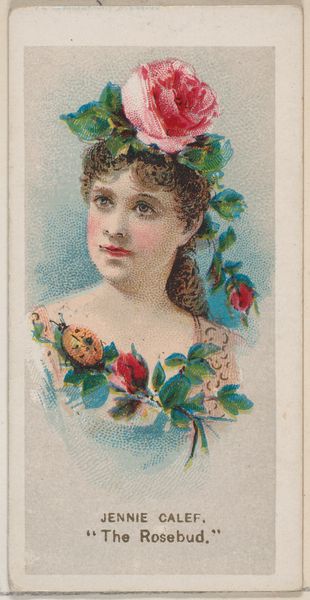
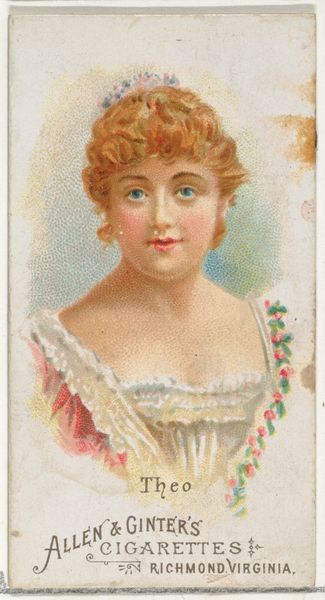
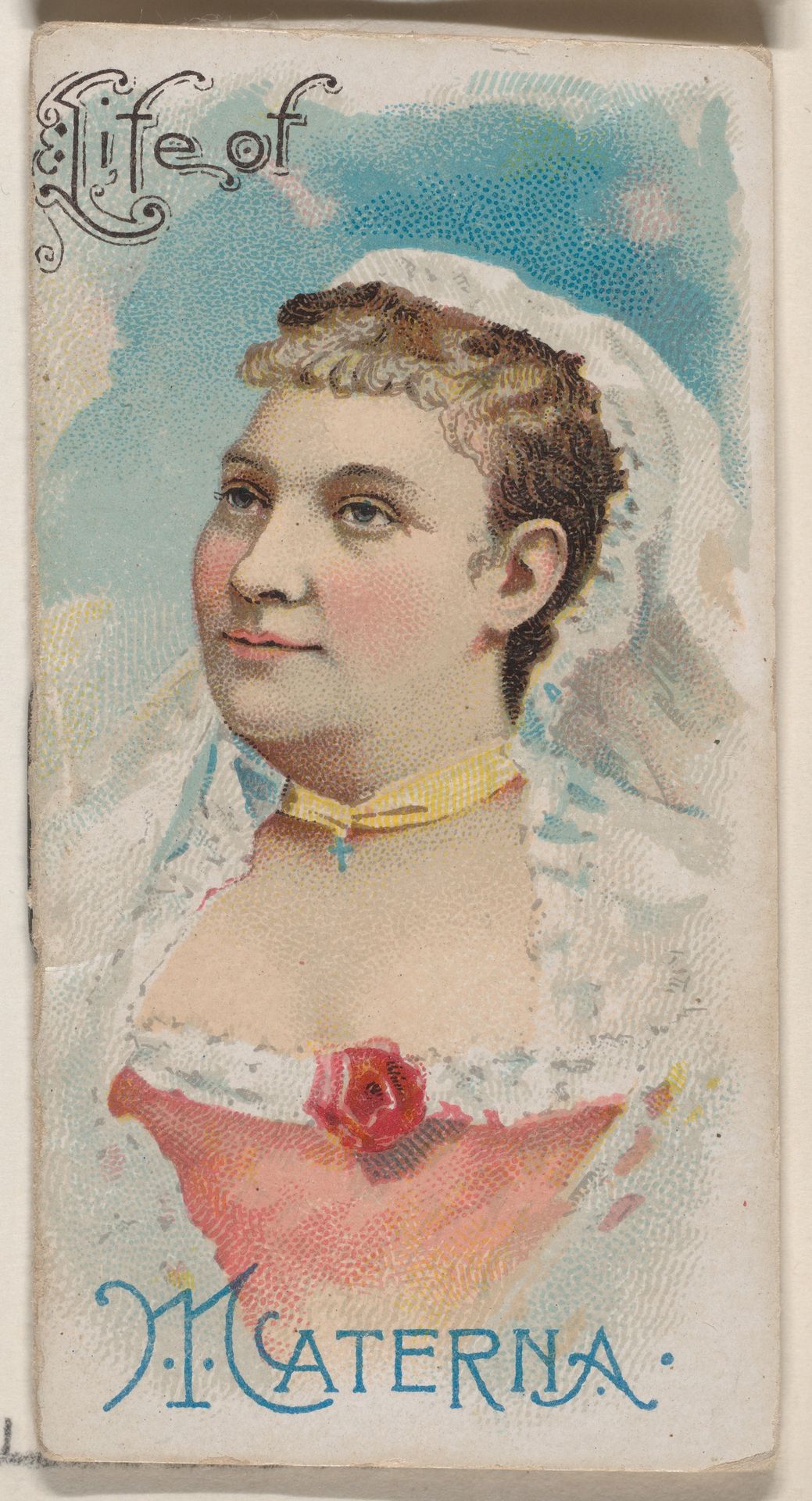
This small chromolithograph of Amalia Materna was produced in the United States around 1890 by W. Duke, Sons & Co. as part of a series of collectible cards included in Duke brand cigarettes. These cards offer a window into the cultural values and aspirations of the late 19th century. The series, titled "Histories of Poor Boys and Famous People," reflects a widespread fascination with upward mobility and the celebration of individuals who rose from humble beginnings to achieve fame and success. Materna, a celebrated operatic soprano, embodies this ideal, her image carefully crafted to project respectability and talent. Examining ephemera such as these cards helps us understand the social and economic contexts in which art and celebrity were consumed, revealing the complex interplay between commerce, culture, and the construction of identity. Cigarette cards are now a valuable resource to the cultural historian.
Life of Amalia Materna, from the Histories of Poor Boys and Famous People series of booklets (N79) for Duke brand cigarettes 1888

W. Duke, Sons & Co.
1870 - 1920
The Metropolitan Museum of Art
Metropolitan Museum of Art, New York, NYArtwork details
- Medium
- drawing, print
- Dimensions
- Overall (Booklet closed): 2 3/4 × 1 1/2 in. (7 × 3.8 cm) Overall (Booklet open): 2 3/4 × 2 7/8 in. (7 × 7.3 cm)
- Location
- Metropolitan Museum of Art, New York, NY
- Copyright
- Public Domain
Tags
drawing
possibly oil pastel
handmade artwork painting
oil painting
acrylic on canvas
coloured pencil
coffee painting
men
animal drawing portrait
watercolour bleed
watercolour illustration
watercolor
Comments
No comments
About this artwork
This small chromolithograph of Amalia Materna was produced in the United States around 1890 by W. Duke, Sons & Co. as part of a series of collectible cards included in Duke brand cigarettes. These cards offer a window into the cultural values and aspirations of the late 19th century. The series, titled "Histories of Poor Boys and Famous People," reflects a widespread fascination with upward mobility and the celebration of individuals who rose from humble beginnings to achieve fame and success. Materna, a celebrated operatic soprano, embodies this ideal, her image carefully crafted to project respectability and talent. Examining ephemera such as these cards helps us understand the social and economic contexts in which art and celebrity were consumed, revealing the complex interplay between commerce, culture, and the construction of identity. Cigarette cards are now a valuable resource to the cultural historian.
Comments
No comments