About this artwork
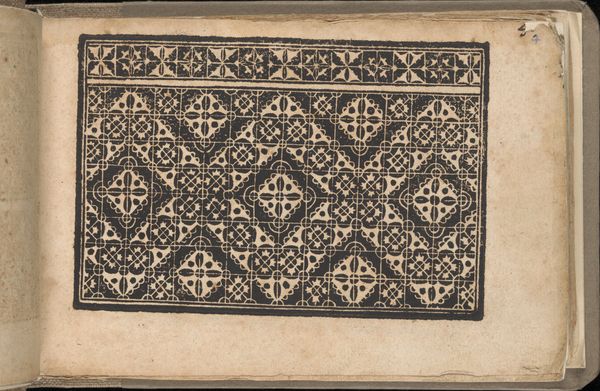
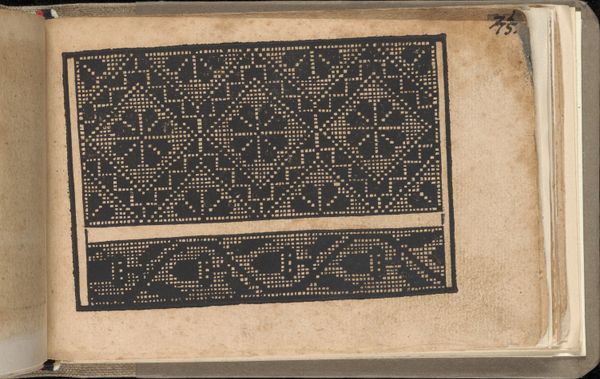
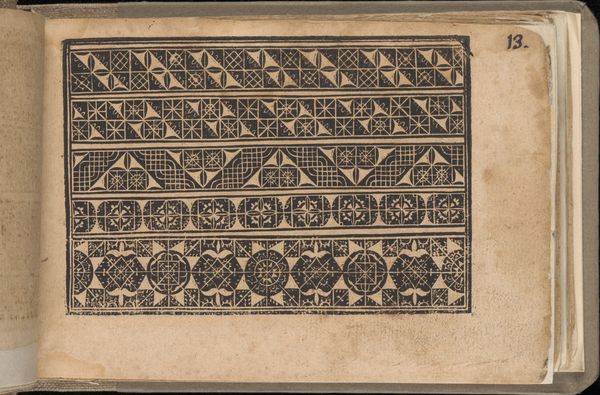
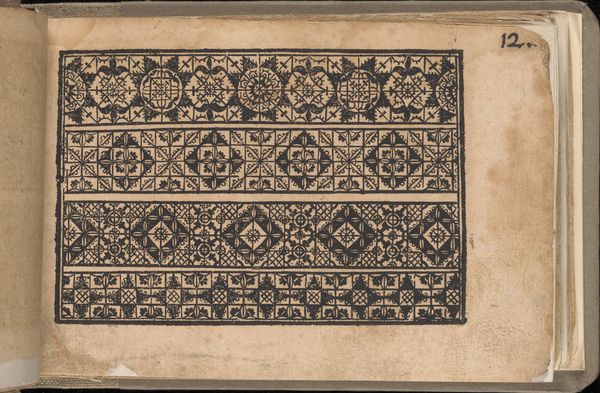
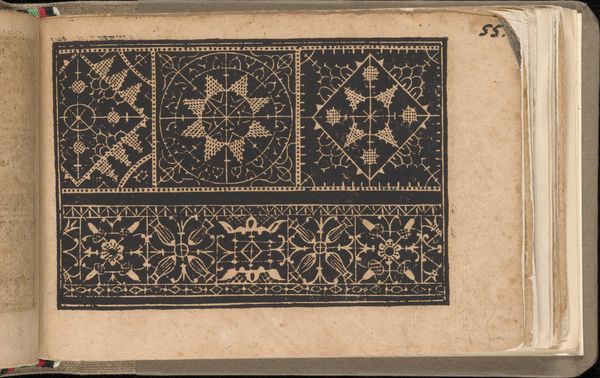
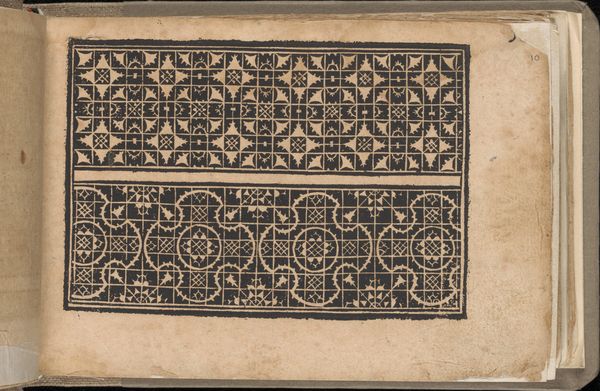
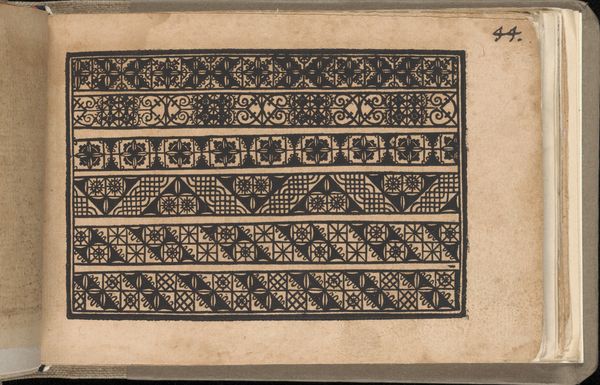
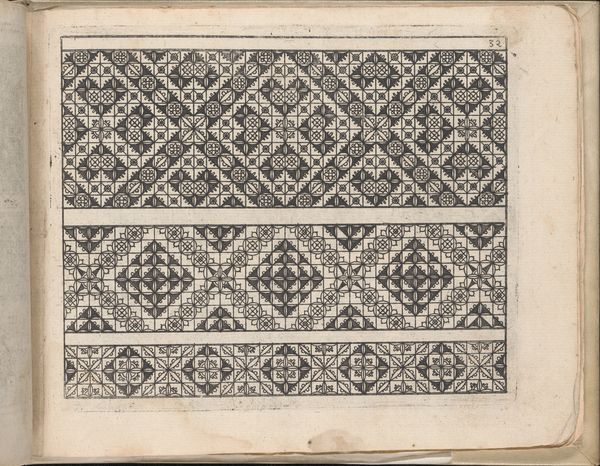
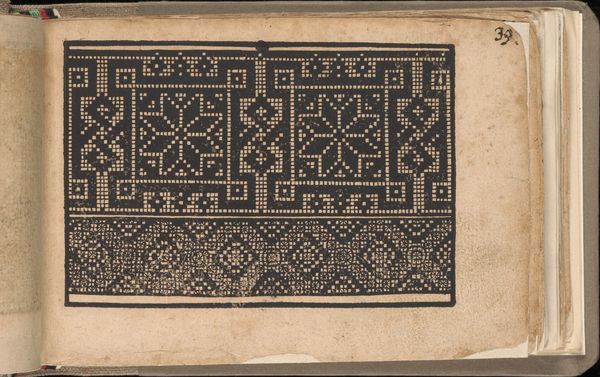
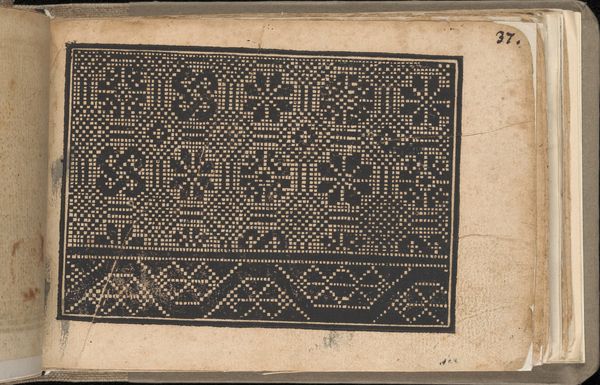
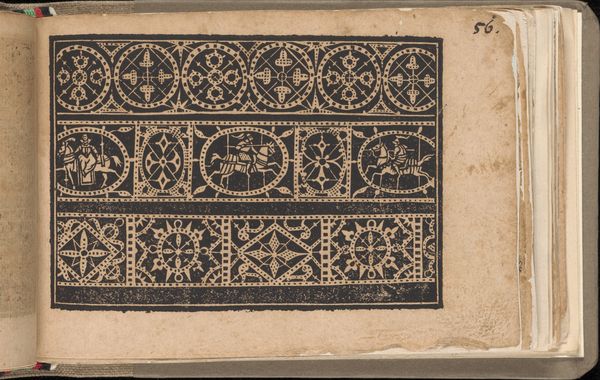
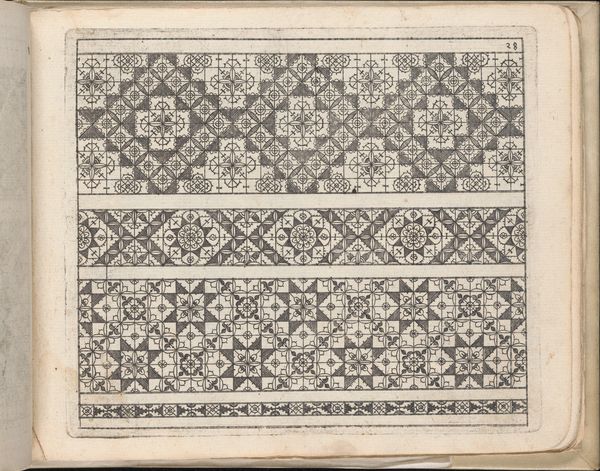
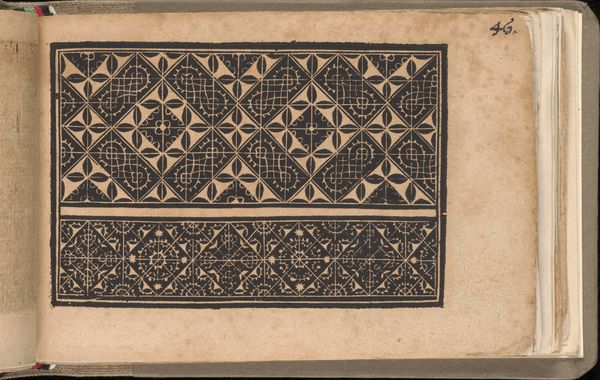
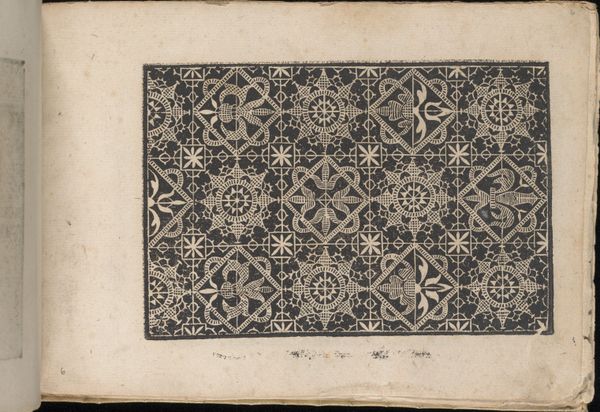
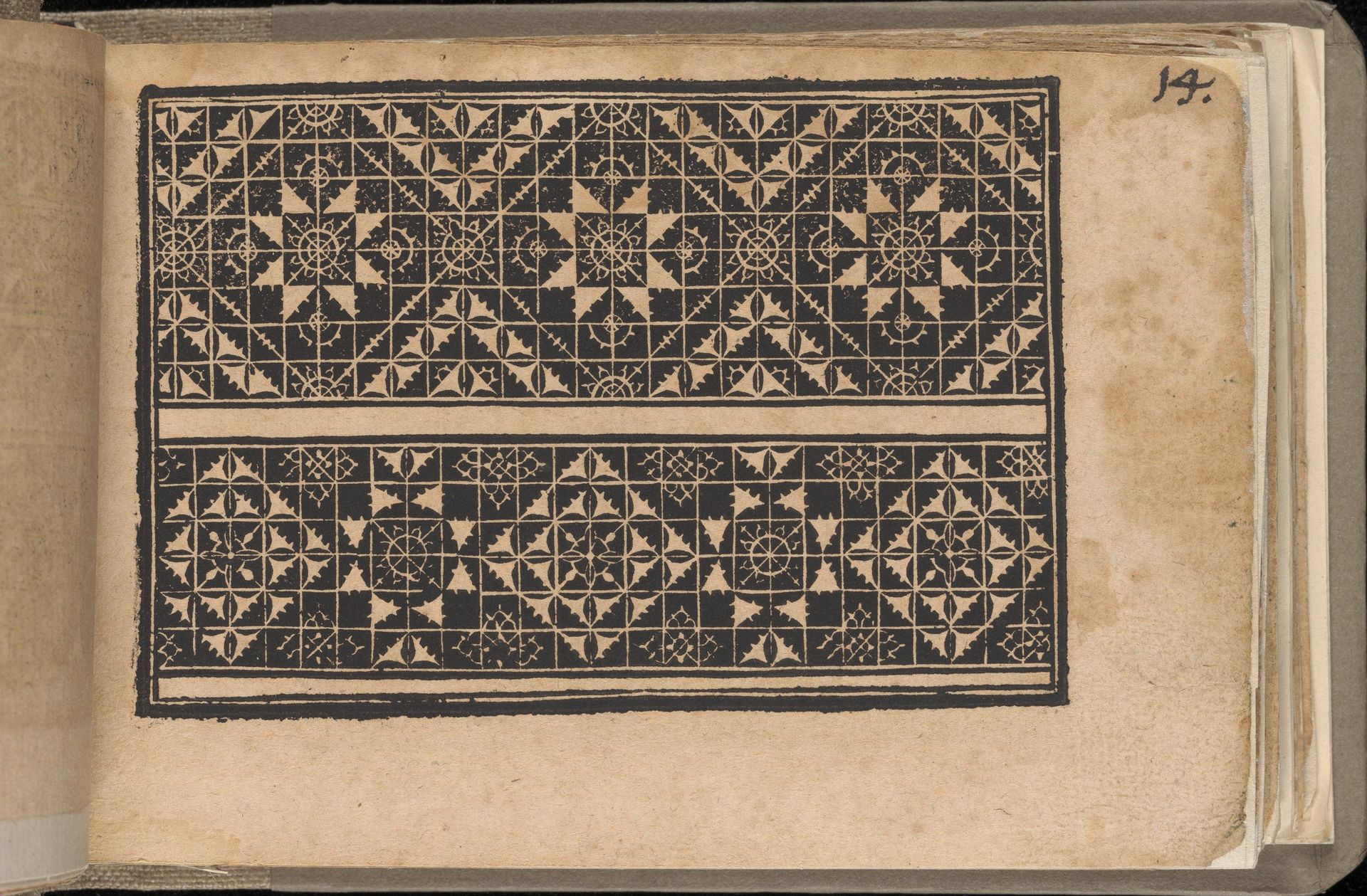
This page, from the early 17th century, is a woodcut on paper, made by Sigismundus Latomus. It's a model book design, and it shows us the labor and skill involved in the textile arts of the time. Consider the process: First, the design was meticulously carved into a block of wood. Then, ink was applied, and the image transferred to paper. Look at the incredible level of detail, the geometric complexity of the patterns. The visual impact depends on the direct, forceful contrast of black ink on the page. These weren't just abstract exercises, of course. They were meant to guide the hands of embroiderers and lacemakers. They were crucial to the fashion economy. By understanding the making, we can appreciate how pattern books like this one blurred the lines between art, craft, and commerce. They remind us that design, even when printed on paper, is meant to be activated in the world, in the skilled hands of makers.
Schön newes Modelbuch (Page 14r) 1608


Artwork details
- Medium
- drawing, graphic-art, ornament, print, woodcut
- Dimensions
- Overall: 4 1/2 x 6 11/16 in. (11.5 x 17 cm)
- Location
- Metropolitan Museum of Art, New York, NY
- Copyright
- Public Domain
Tags
drawing
graphic-art
ornament
medieval
book
geometric
woodcut
northern-renaissance
Comments
No comments
About this artwork
This page, from the early 17th century, is a woodcut on paper, made by Sigismundus Latomus. It's a model book design, and it shows us the labor and skill involved in the textile arts of the time. Consider the process: First, the design was meticulously carved into a block of wood. Then, ink was applied, and the image transferred to paper. Look at the incredible level of detail, the geometric complexity of the patterns. The visual impact depends on the direct, forceful contrast of black ink on the page. These weren't just abstract exercises, of course. They were meant to guide the hands of embroiderers and lacemakers. They were crucial to the fashion economy. By understanding the making, we can appreciate how pattern books like this one blurred the lines between art, craft, and commerce. They remind us that design, even when printed on paper, is meant to be activated in the world, in the skilled hands of makers.
Comments
No comments