About this artwork
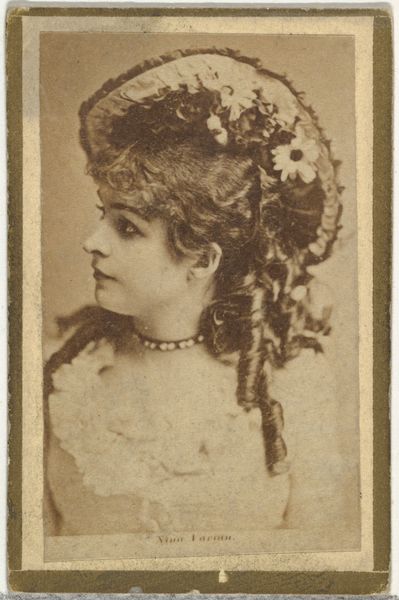
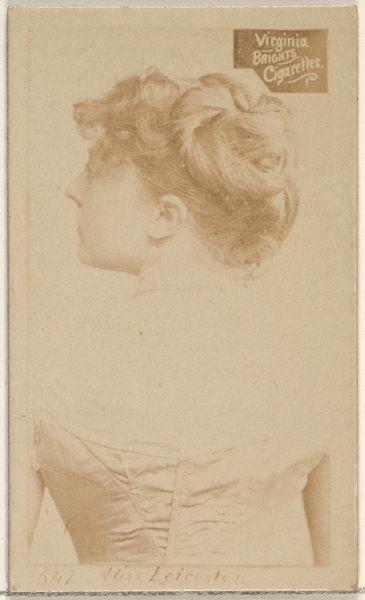
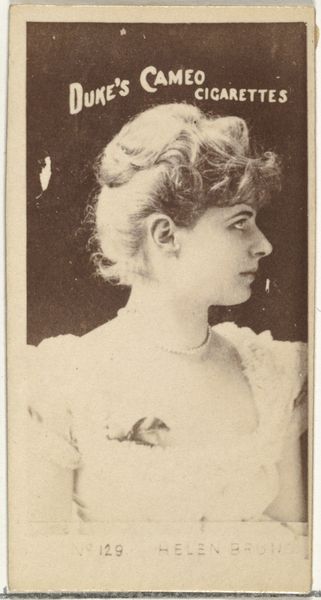
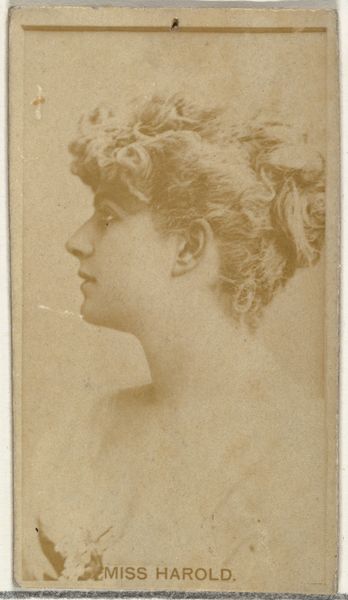
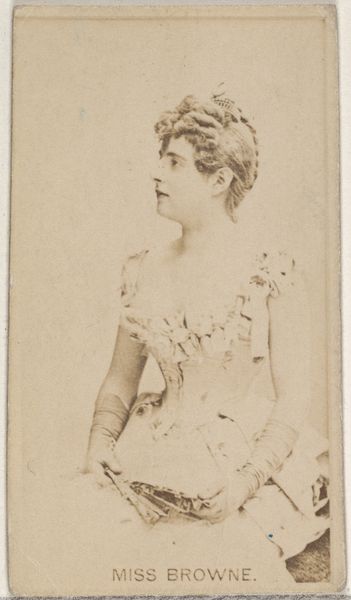
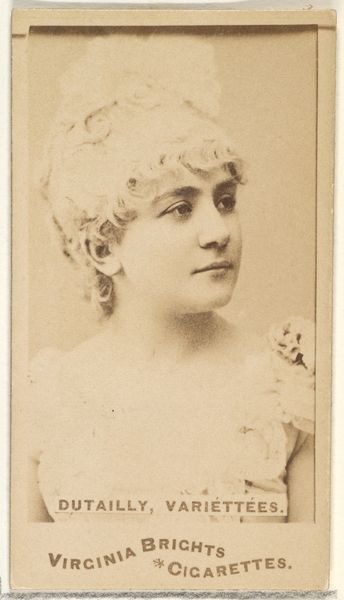
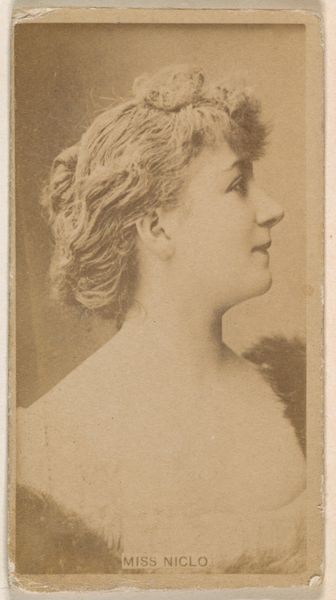
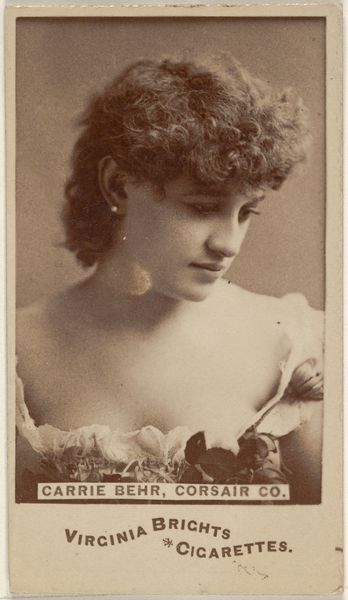
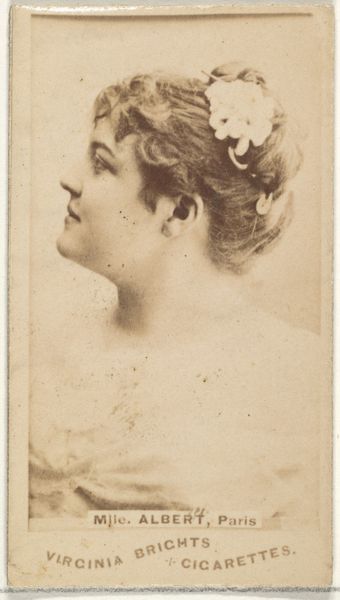
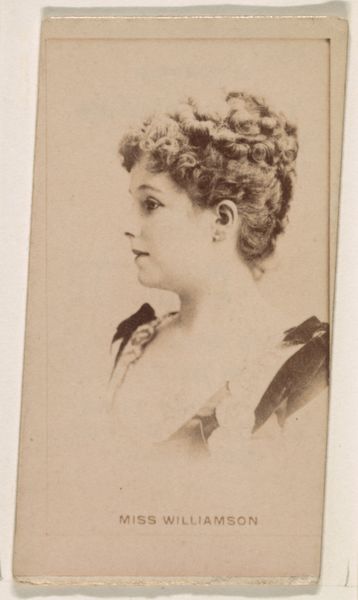
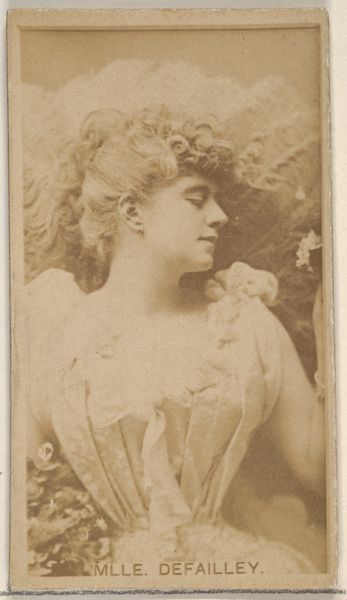
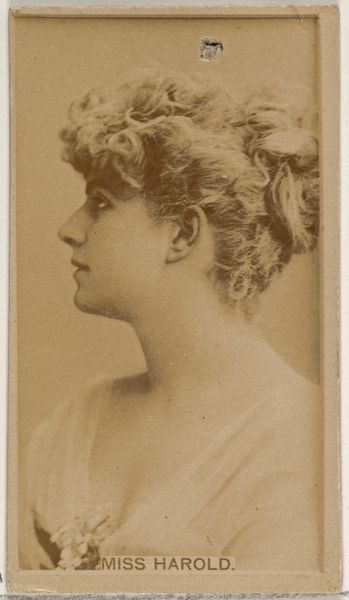
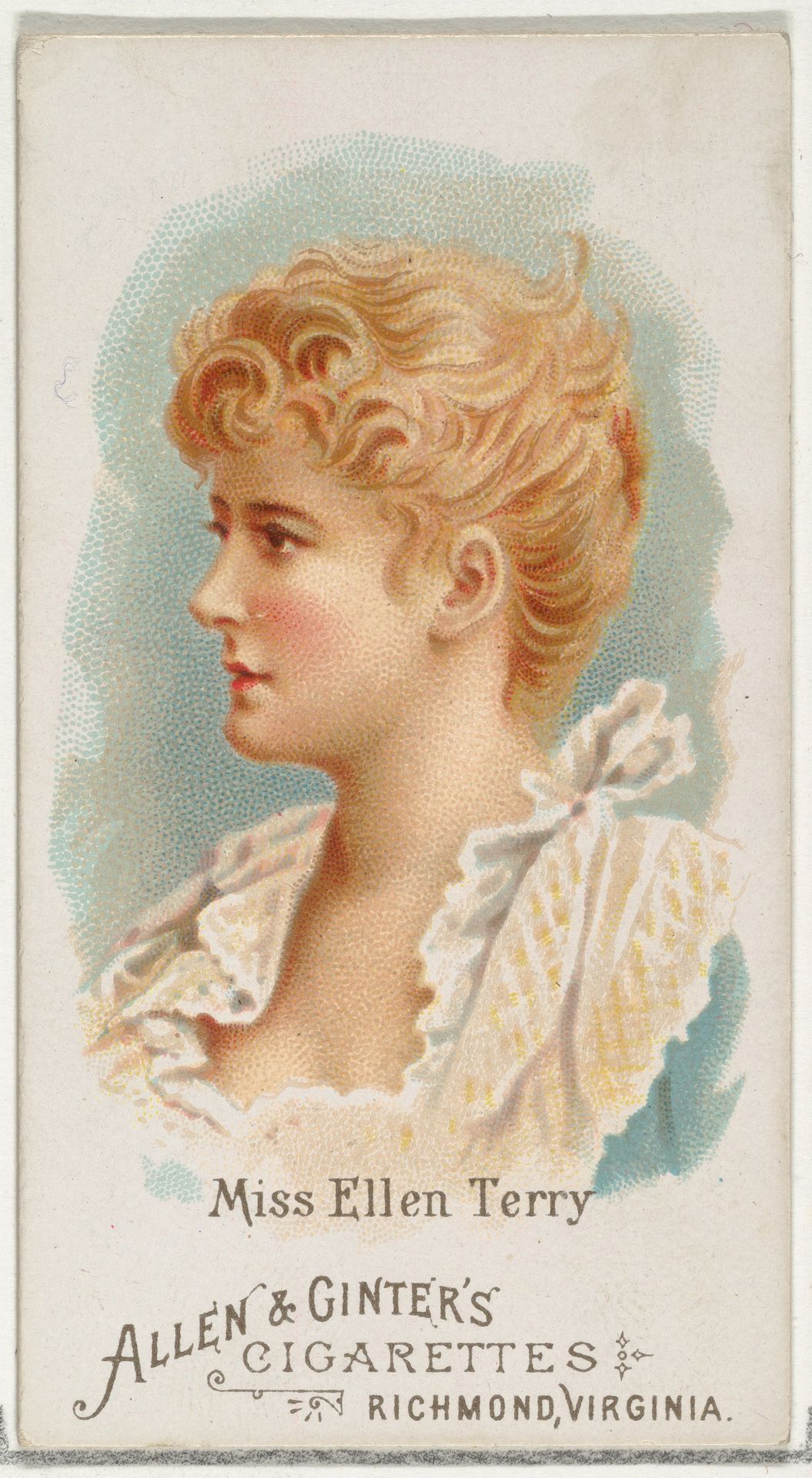
This small chromolithograph of Miss Ellen Terry was produced as a promotional insert for Allen & Ginter Cigarettes. Chromolithography was a commercial printing technique capable of rendering full-color images quickly and cheaply. Consider the cultural context: mass-produced images like this one helped to fuel a burgeoning consumer culture. Allen & Ginter commodified beauty, associating the allure of famous women with the pleasure of smoking. The image itself, made of paper and ink, belies the complex industrial processes behind its creation. This would have involved teams of designers, engravers, and printers working in a factory setting. The final product was distributed far and wide, tucked into cigarette packs, turning the traditionally skilled crafts of printing into a cog within a larger machine of capitalist production. Looking at the card, we can begin to question traditional hierarchies separating art and commerce. The image may be small and mass-produced, yet it reflects larger trends in labor, politics, and consumption that continue to shape our world today.
Miss Ellen Terry, from World's Beauties, Series 1 (N26) for Allen & Ginter Cigarettes
1888


Artwork details
- Medium
- drawing, print
- Dimensions
- Sheet: 2 3/4 x 1 1/2 in. (7 x 3.8 cm)
- Location
- Metropolitan Museum of Art, New York, NY
- Copyright
- Public Domain
Tags
Comments
Share your thoughts
About this artwork
This small chromolithograph of Miss Ellen Terry was produced as a promotional insert for Allen & Ginter Cigarettes. Chromolithography was a commercial printing technique capable of rendering full-color images quickly and cheaply. Consider the cultural context: mass-produced images like this one helped to fuel a burgeoning consumer culture. Allen & Ginter commodified beauty, associating the allure of famous women with the pleasure of smoking. The image itself, made of paper and ink, belies the complex industrial processes behind its creation. This would have involved teams of designers, engravers, and printers working in a factory setting. The final product was distributed far and wide, tucked into cigarette packs, turning the traditionally skilled crafts of printing into a cog within a larger machine of capitalist production. Looking at the card, we can begin to question traditional hierarchies separating art and commerce. The image may be small and mass-produced, yet it reflects larger trends in labor, politics, and consumption that continue to shape our world today.
Comments
Share your thoughts