![[Berne] by Adolphe Braun](https://d2w8kbdekdi1gv.cloudfront.net/eyJidWNrZXQiOiAiYXJ0ZXJhLWltYWdlcy1idWNrZXQiLCAia2V5IjogImFydHdvcmtzLzliYWMyYmMzLTIwNjktNGVkOS04ZWJhLTNiNTAxNTlhMzM0Yy85YmFjMmJjMy0yMDY5LTRlZDktOGViYS0zYjUwMTU5YTMzNGNfZnVsbC5qcGciLCAiZWRpdHMiOiB7InJlc2l6ZSI6IHsid2lkdGgiOiAxOTIwLCAiaGVpZ2h0IjogMTkyMCwgImZpdCI6ICJpbnNpZGUifX19)
About this artwork
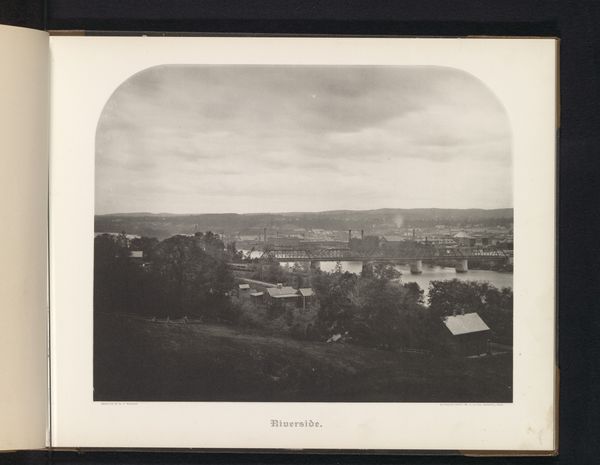
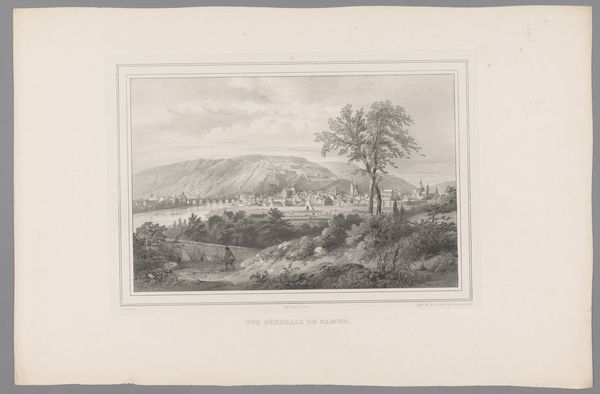
Adolphe Braun captured this panoramic view of Berne with an albumen print, a process that speaks to photography's rapid development in the 19th century. Braun, positioned to capture the city, also framed the image within the growing interest in urban landscapes. Consider the context of the mid-1800s, when photography was not only a technological marvel but also a tool for defining and documenting the world. The medium, then, was largely dominated by men who were shaping the visual narrative of nations and peoples, often reflecting and reinforcing the prevailing power structures. Braun's choice to capture Berne, a picturesque city, also invites a dialogue between the romantic allure of landscape and the burgeoning national identities of the time. The image subtly reflects the increasing organization and documentation of space that characterized modernity, as the camera's gaze contributes to the archive of the world. It offers a serene, almost idealized vision of urban life.
[Berne]
1868 - 1872


Artwork details
- Dimensions
- Approx. 9 x 19
- Location
- Metropolitan Museum of Art, New York, NY
- Copyright
- Public Domain
Comments
Share your thoughts
About this artwork
Adolphe Braun captured this panoramic view of Berne with an albumen print, a process that speaks to photography's rapid development in the 19th century. Braun, positioned to capture the city, also framed the image within the growing interest in urban landscapes. Consider the context of the mid-1800s, when photography was not only a technological marvel but also a tool for defining and documenting the world. The medium, then, was largely dominated by men who were shaping the visual narrative of nations and peoples, often reflecting and reinforcing the prevailing power structures. Braun's choice to capture Berne, a picturesque city, also invites a dialogue between the romantic allure of landscape and the burgeoning national identities of the time. The image subtly reflects the increasing organization and documentation of space that characterized modernity, as the camera's gaze contributes to the archive of the world. It offers a serene, almost idealized vision of urban life.
Comments
Share your thoughts