1835 - 1836
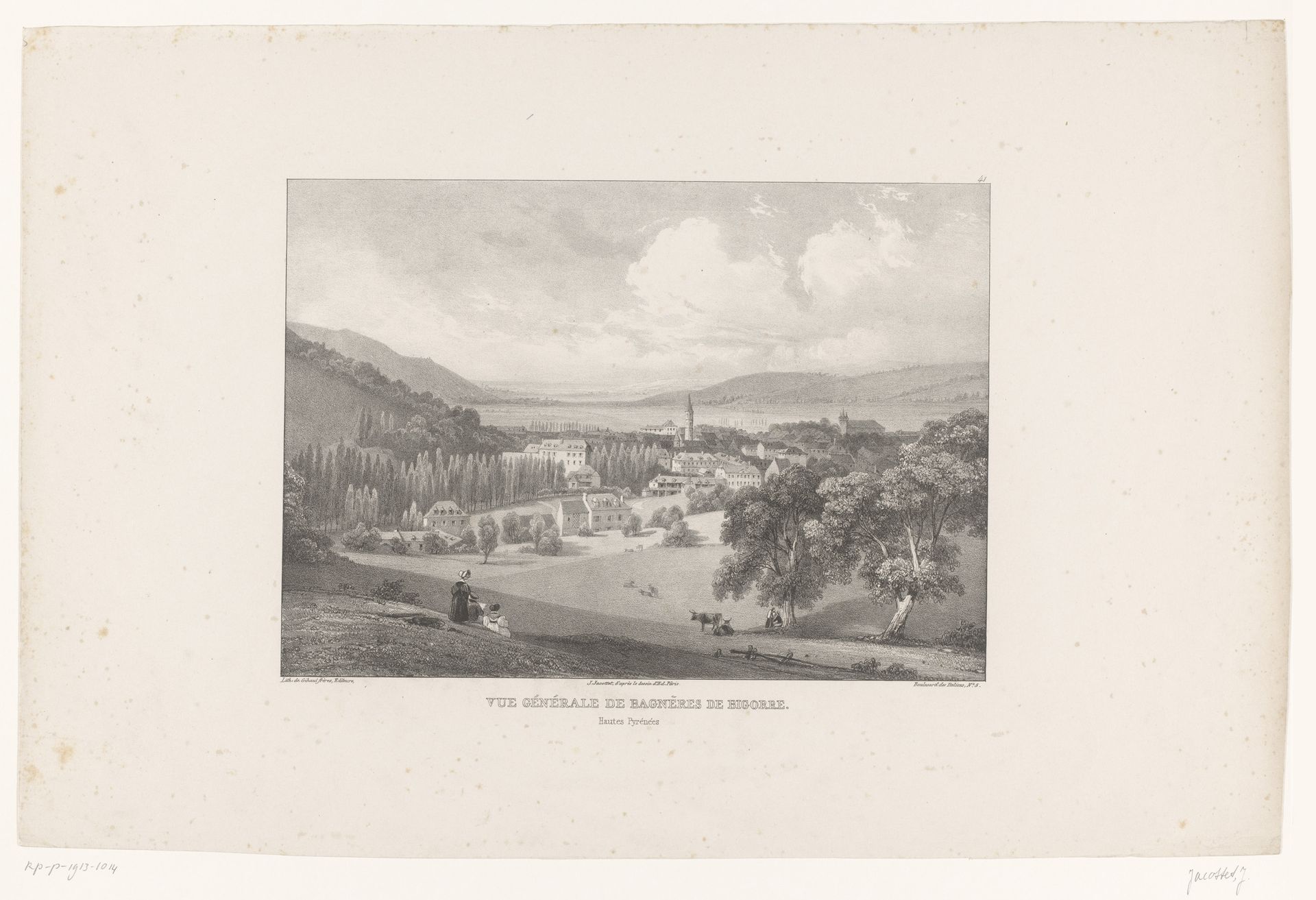
Zicht op Bagnères-de-Bigorre

Louis-Julien Jacottet
@louisjulienjacottetLocation
RijksmuseumListen to curator's interpretation
Curatorial notes
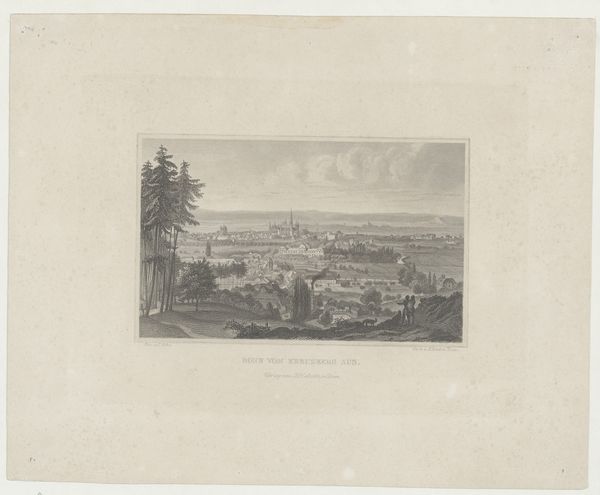
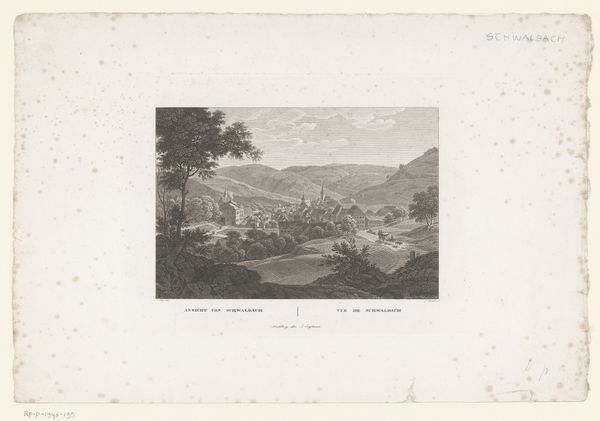
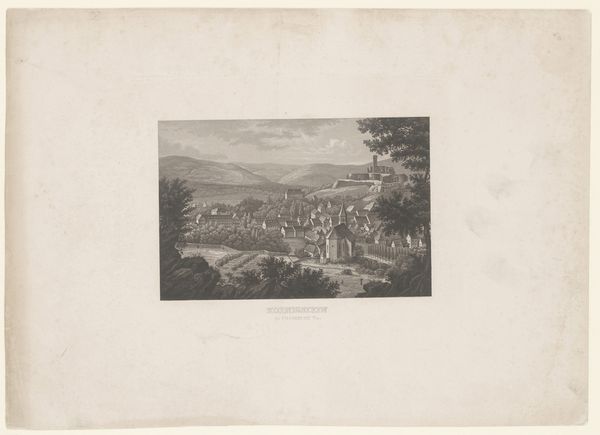
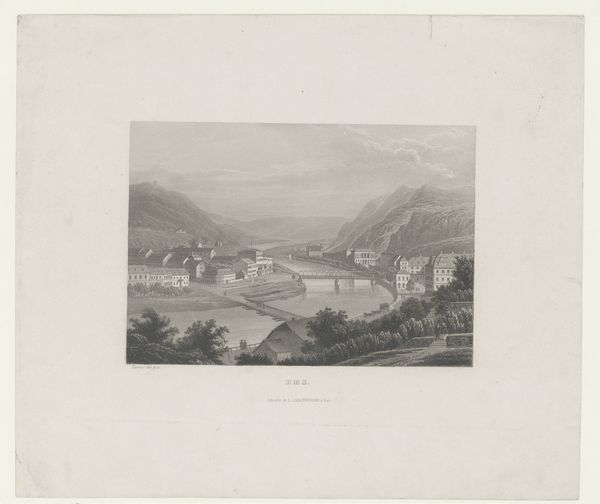
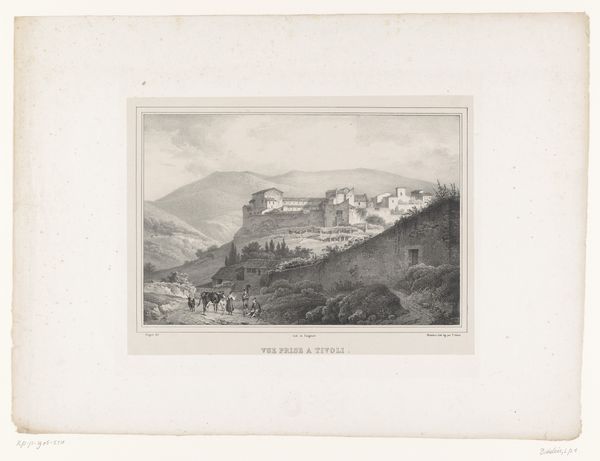
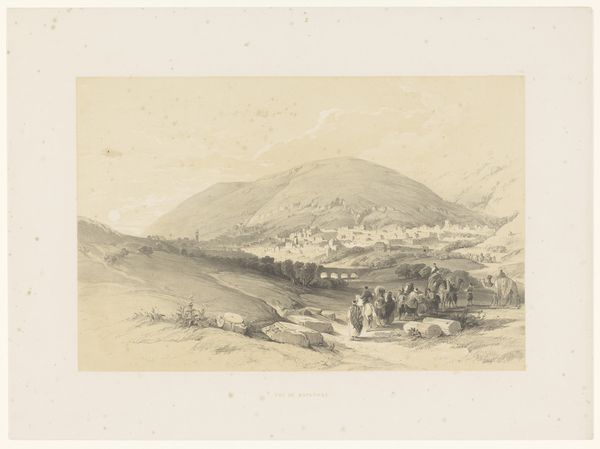
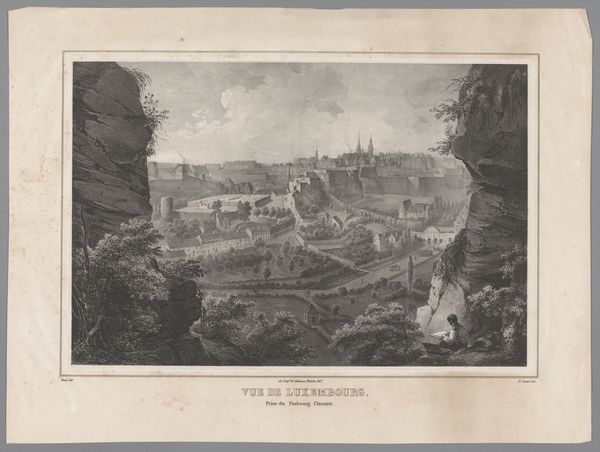
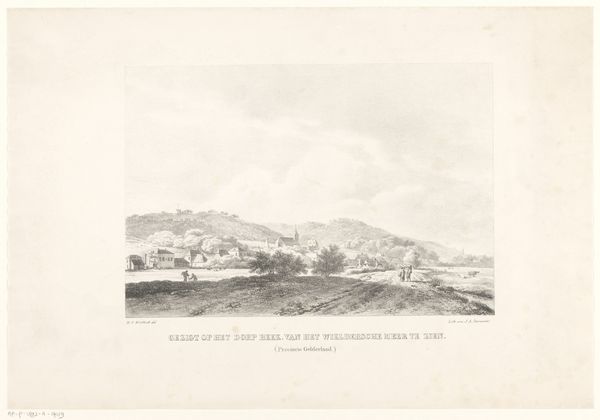
This print, showing a general view of Bagnères-de-Bigorre, was made by Louis-Julien Jacottet. It's a lithograph, meaning it was made by drawing with a greasy crayon on a flat slab of limestone, treating the stone so that ink would adhere only to the drawn lines, and then printing it. The beauty of lithography is that it renders a drawn line with fidelity – but it isn’t exactly drawing, either. It’s a mechanical process, and one that lends itself to the making of multiple impressions. Consider that the scene depicted is one of leisure: a serene landscape with figures at rest. Prints such as this were affordable and were part of a burgeoning tourist industry. Bagnères-de-Bigorre, in the Pyrenees, was known for its thermal baths. This lithograph is as much an advertisement as a work of art. Understanding its means of production helps us to see this image in its full social context.