About this artwork
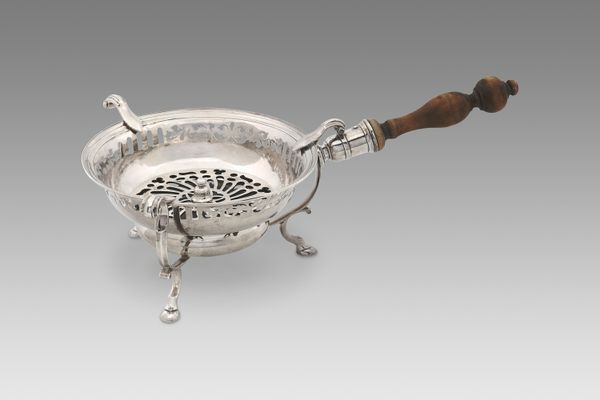
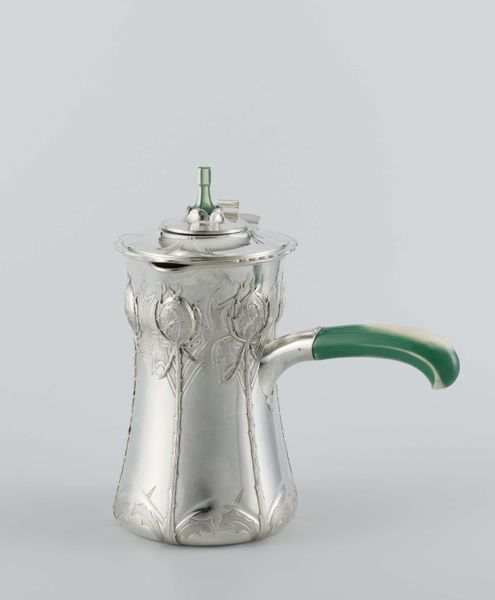
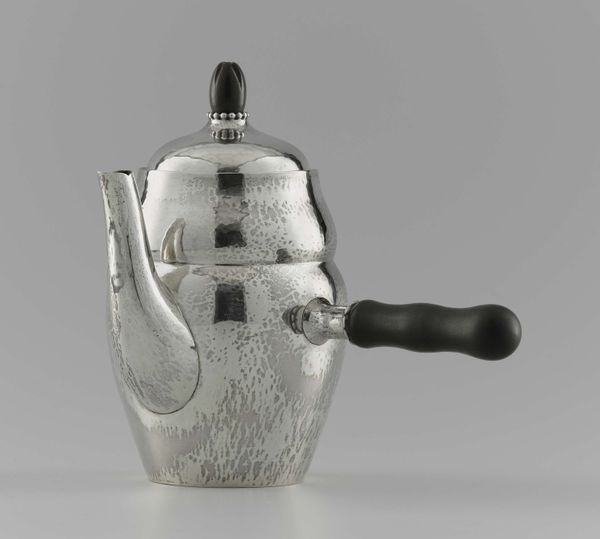
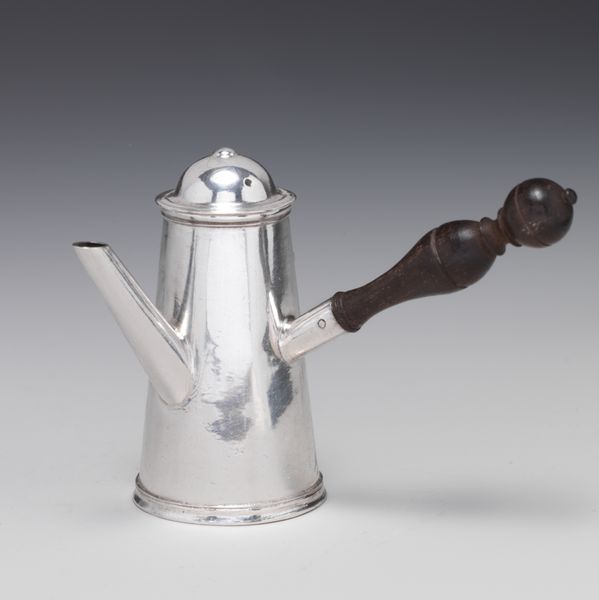
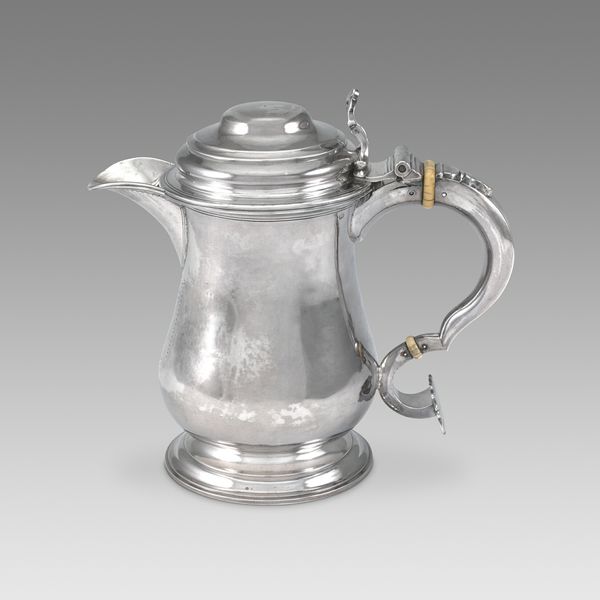
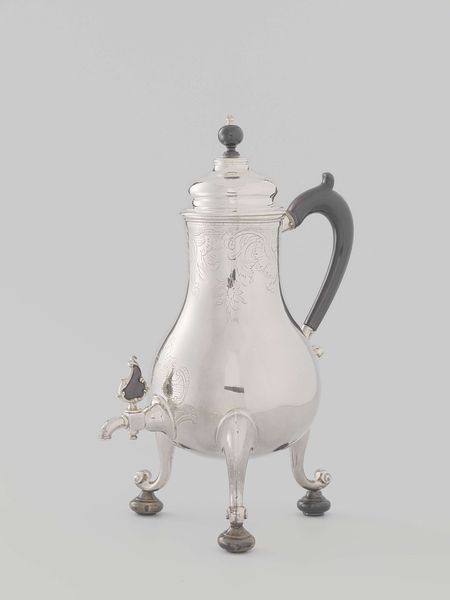
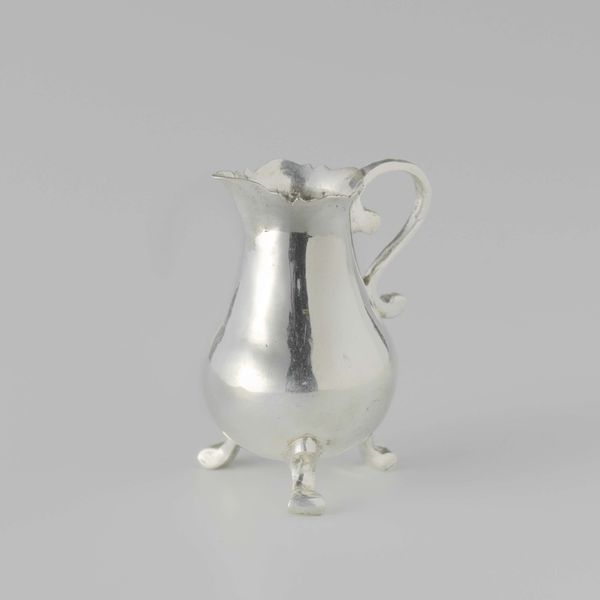
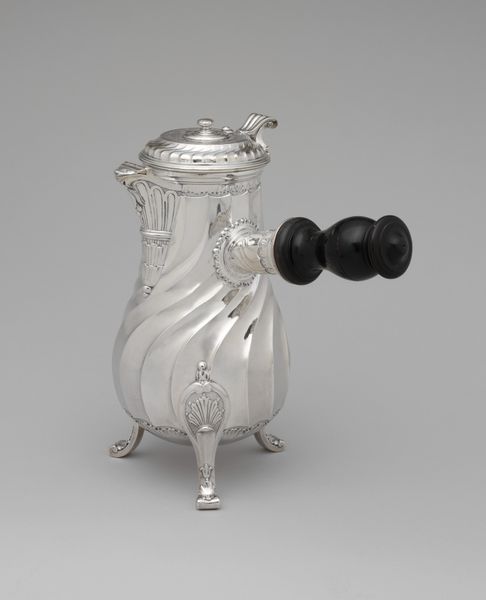
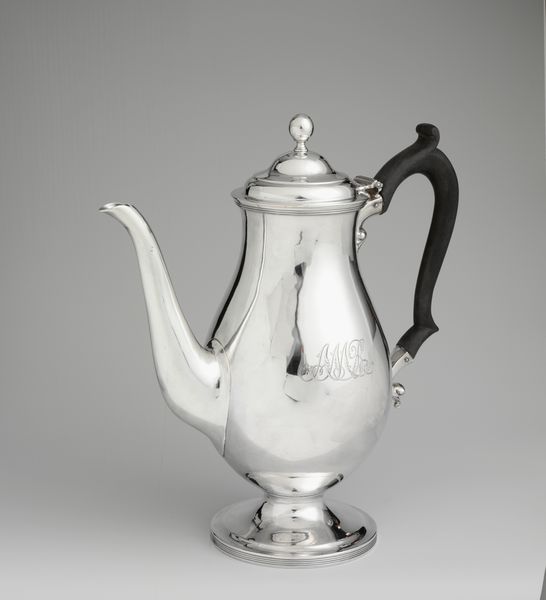
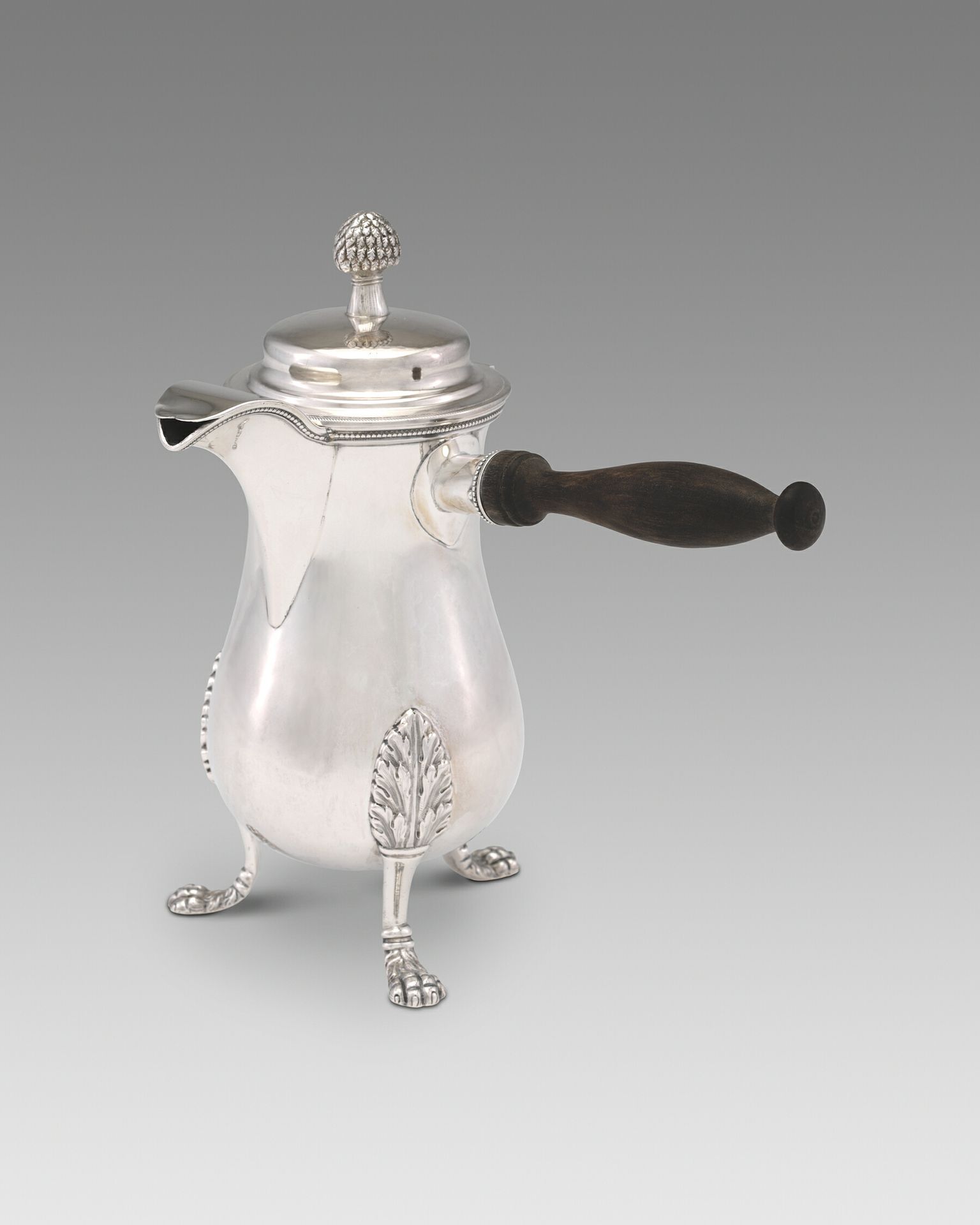
This Chocolate or Coffee Pot was crafted in the mid-19th century by Jehu and W. L. Ward, with careful attention to detail. Note the feet—they are not merely functional, but styled as animalistic paws, a motif echoing ancient mythologies. Consider the pinecone that crowns the lid. The pinecone, an ancient symbol of fertility and eternal life, appears throughout history, from ancient Egypt to the Roman Empire. Across cultures, the pinecone has been linked to enlightenment and spiritual awakening, symbolizing the pineal gland, considered the "third eye". Its recurrence speaks to a deep-seated, collective yearning for understanding and connection. Perhaps this association arose subconsciously for the artists, and for us as well. Such motifs are more than mere decoration; they evoke powerful emotions, speaking to us through the language of symbols that resonate across centuries, a testament to the enduring power of cultural memory.
Chocolate or Coffee Pot 1837 - 1852


Artwork details
- Medium
- silver, metal, ink
- Dimensions
- H.: 21.8 cm (8 9/16 in.)
- Location
- The Art Institute of Chicago
- Copyright
- Public Domain
Tags
silver
metal
vessel
ink
decorative-art
Comments
No comments
About this artwork
This Chocolate or Coffee Pot was crafted in the mid-19th century by Jehu and W. L. Ward, with careful attention to detail. Note the feet—they are not merely functional, but styled as animalistic paws, a motif echoing ancient mythologies. Consider the pinecone that crowns the lid. The pinecone, an ancient symbol of fertility and eternal life, appears throughout history, from ancient Egypt to the Roman Empire. Across cultures, the pinecone has been linked to enlightenment and spiritual awakening, symbolizing the pineal gland, considered the "third eye". Its recurrence speaks to a deep-seated, collective yearning for understanding and connection. Perhaps this association arose subconsciously for the artists, and for us as well. Such motifs are more than mere decoration; they evoke powerful emotions, speaking to us through the language of symbols that resonate across centuries, a testament to the enduring power of cultural memory.
Comments
No comments