About this artwork
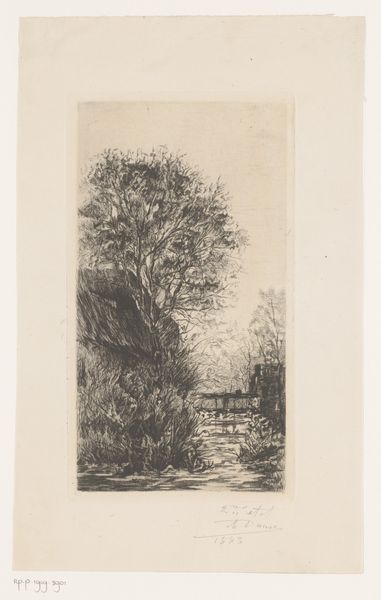
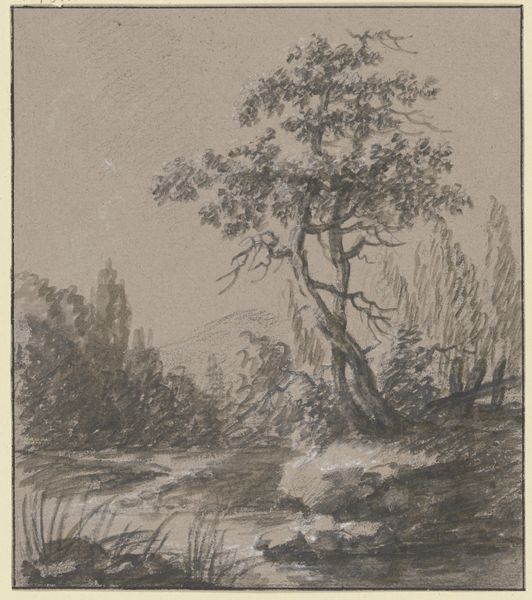
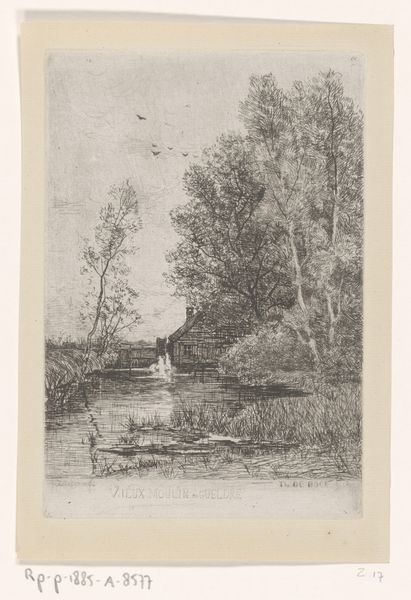
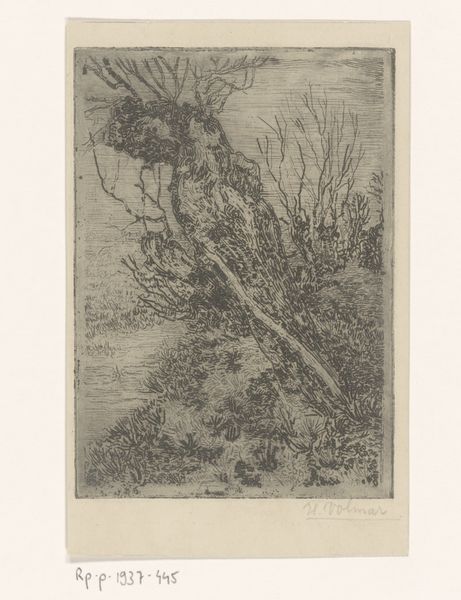
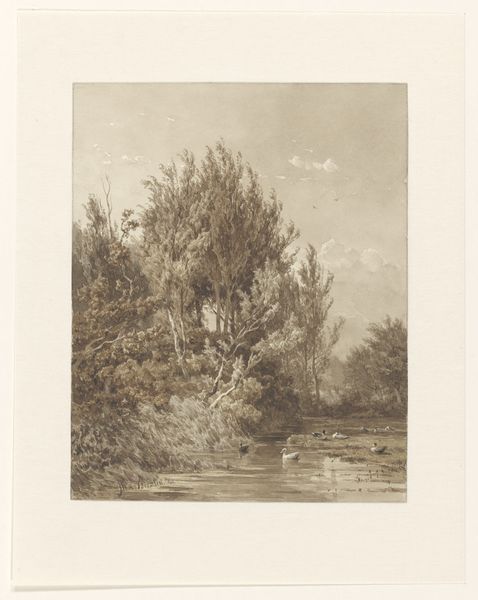
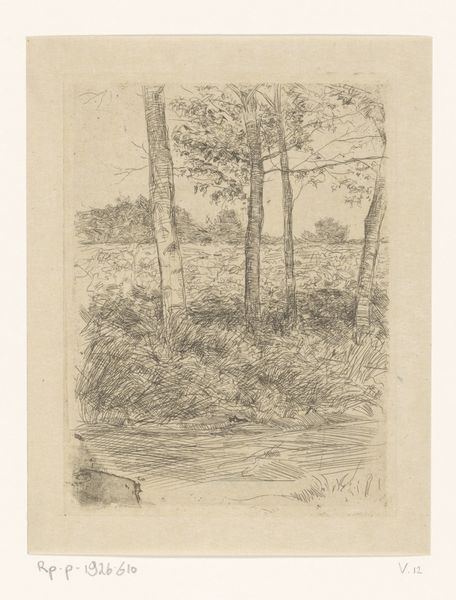
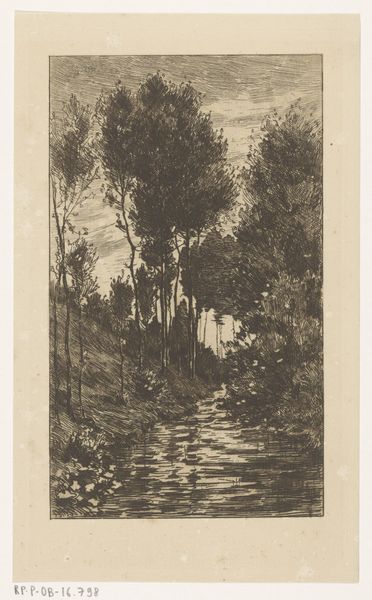
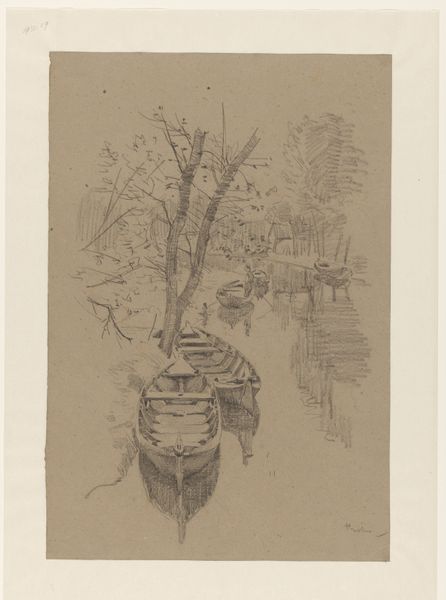
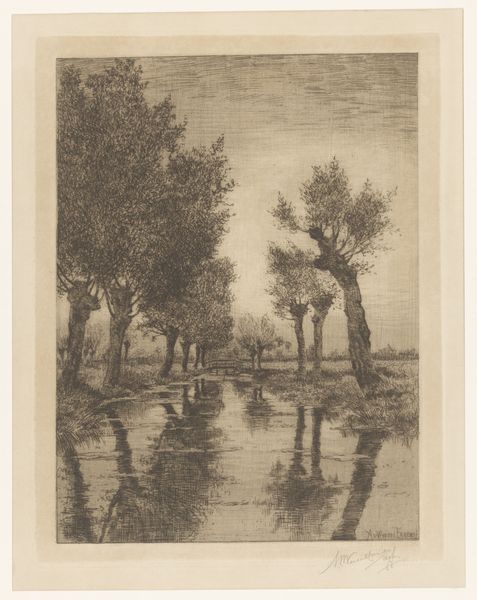
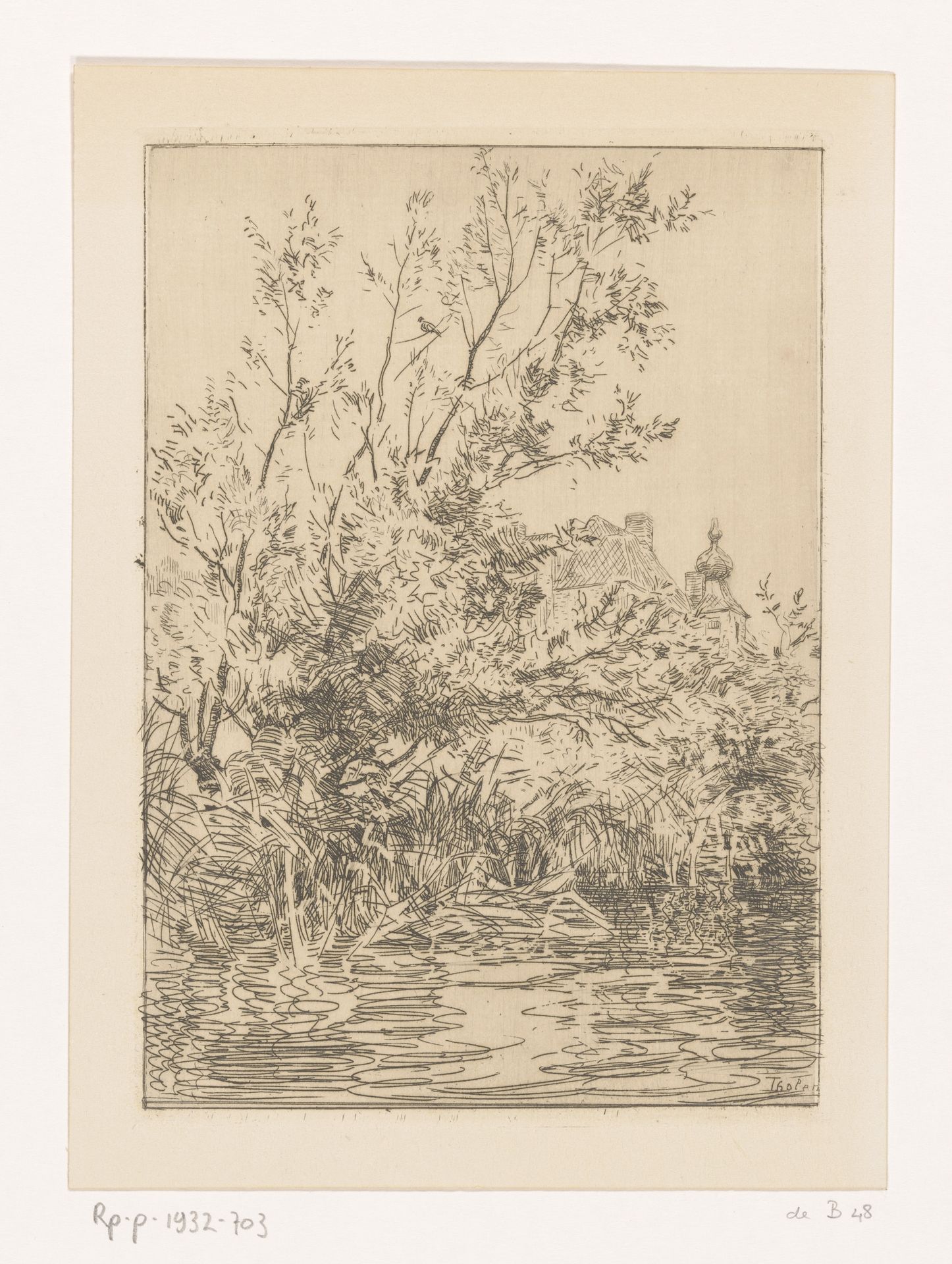
Willem Bastiaan Tholen crafted this artwork, "Willows by the Water, with Cannenburgh Castle Behind," using etching techniques. Here, the willows are prominent, their branches often symbolize resilience, adaptability, and mourning across various cultures. Notice how the castle, partially hidden, suggests a protective presence, yet also hints at seclusion. The image evokes the enduring human connection to nature and the passage of time. The motif of water, life-giving yet also reflective, has appeared in art from ancient Egyptian depictions of the Nile to Renaissance allegories of purity. Consider the way that the fluidity of water mirrors the ever-changing nature of human memory and emotion. The castle and the willows recur as symbols of memory and the subconscious, each revisiting different eras, embodying a psychoanalytic cycle of recurring symbols that engage us on a profoundly subconscious level. These symbols evolve, continuously resurfacing and adopting new meanings across time.
Wilgen aan het water, daarachter kasteel De Cannenburgh
1870 - 1931

Willem Bastiaan Tholen
1860 - 1931Location
RijksmuseumArtwork details
- Dimensions
- height 200 mm, width 140 mm
- Location
- Rijksmuseum
- Copyright
- Rijks Museum: Open Domain
Comments
Be the first to share your thoughts about this work.
About this artwork
Willem Bastiaan Tholen crafted this artwork, "Willows by the Water, with Cannenburgh Castle Behind," using etching techniques. Here, the willows are prominent, their branches often symbolize resilience, adaptability, and mourning across various cultures. Notice how the castle, partially hidden, suggests a protective presence, yet also hints at seclusion. The image evokes the enduring human connection to nature and the passage of time. The motif of water, life-giving yet also reflective, has appeared in art from ancient Egyptian depictions of the Nile to Renaissance allegories of purity. Consider the way that the fluidity of water mirrors the ever-changing nature of human memory and emotion. The castle and the willows recur as symbols of memory and the subconscious, each revisiting different eras, embodying a psychoanalytic cycle of recurring symbols that engage us on a profoundly subconscious level. These symbols evolve, continuously resurfacing and adopting new meanings across time.
Comments
Be the first to share your thoughts about this work.