About this artwork
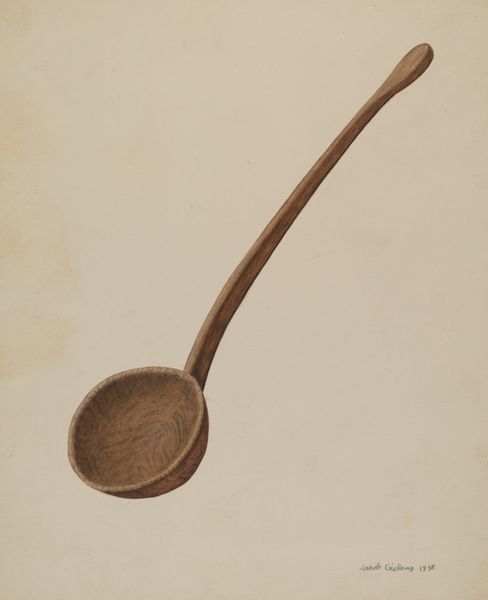
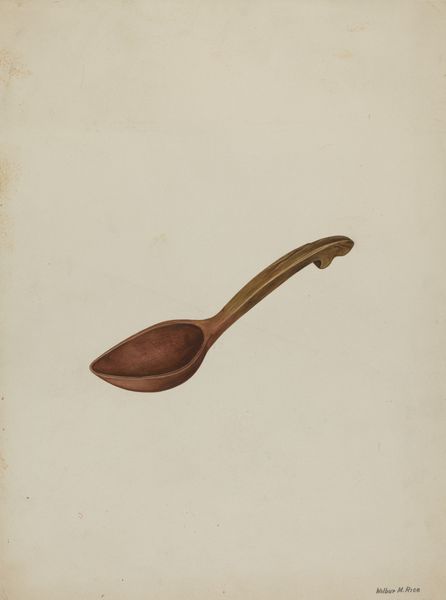
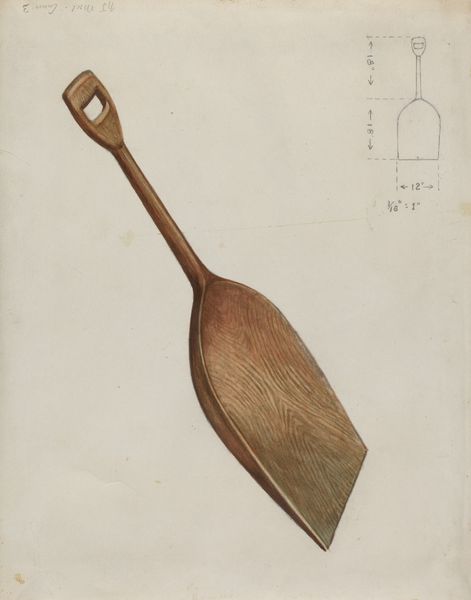
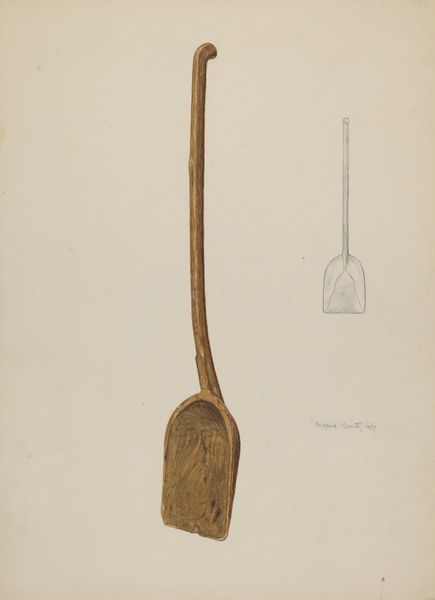
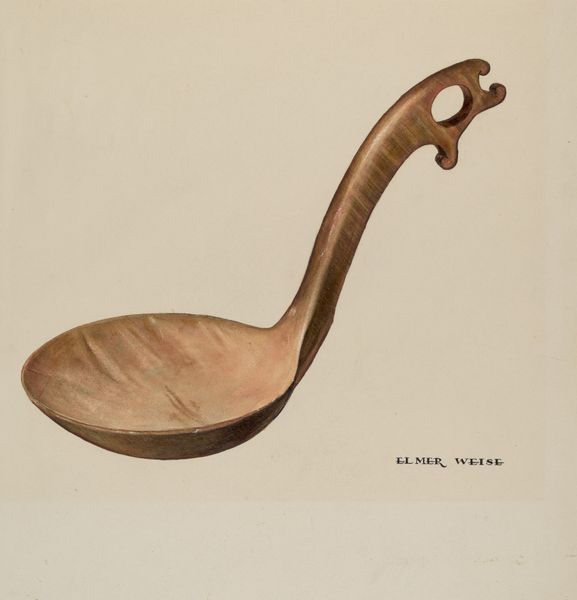
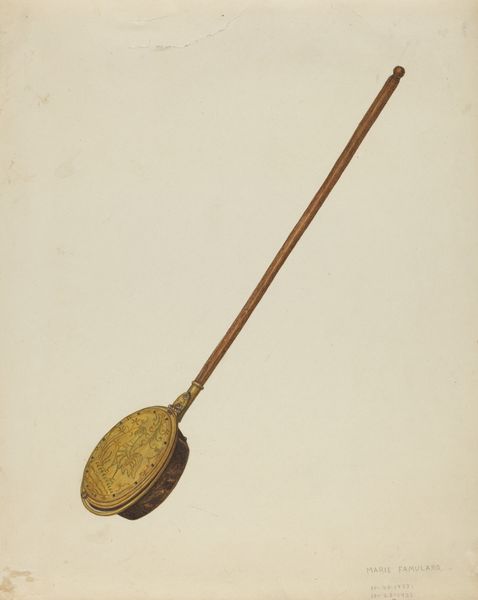
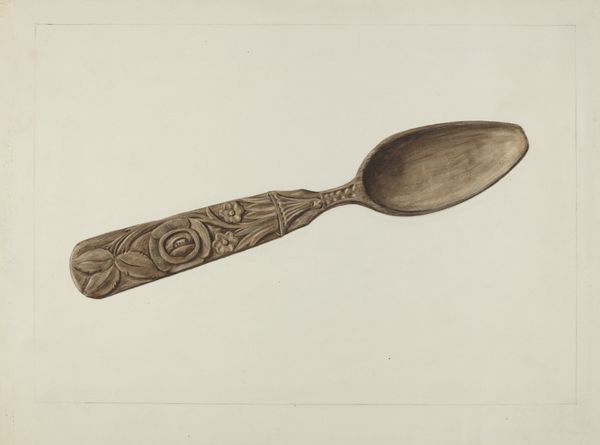
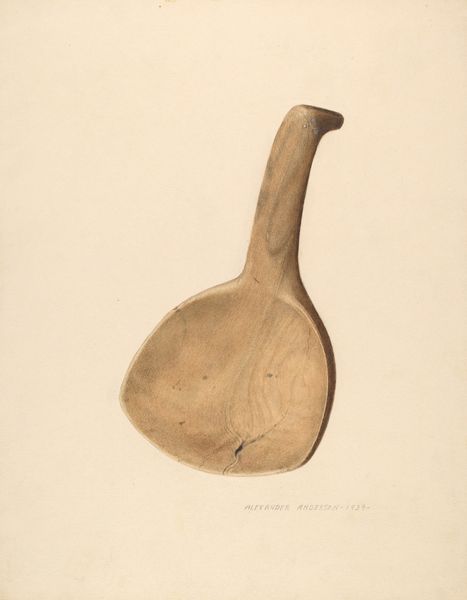
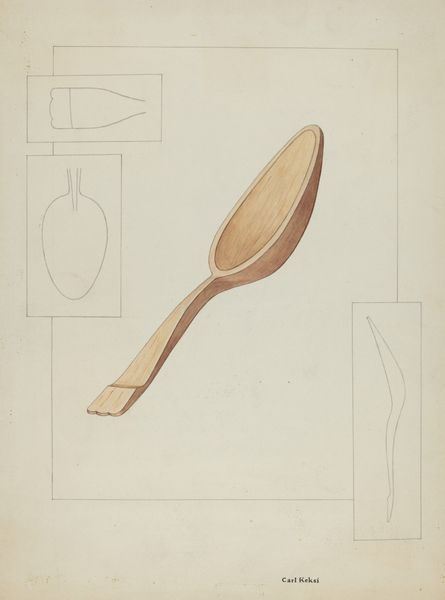
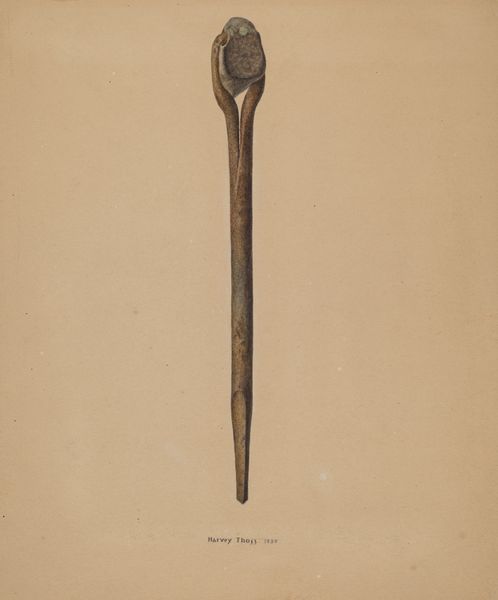
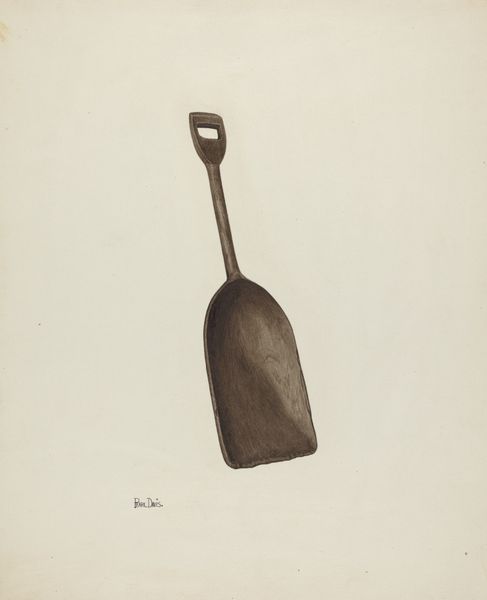
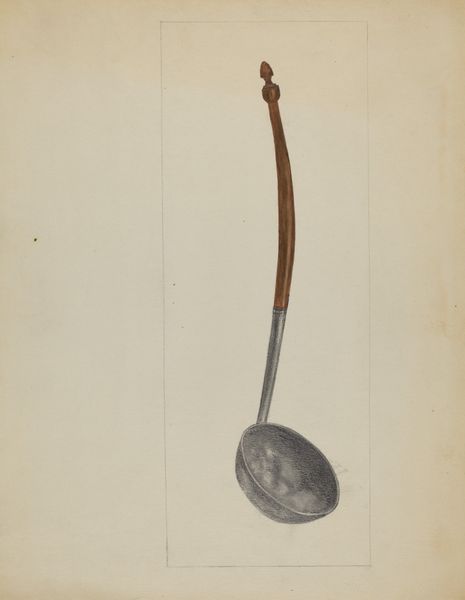
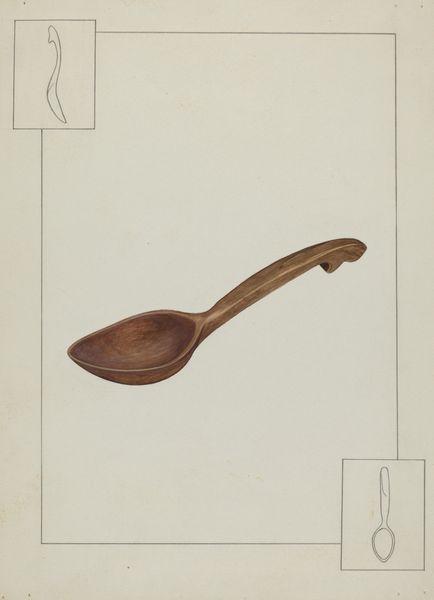
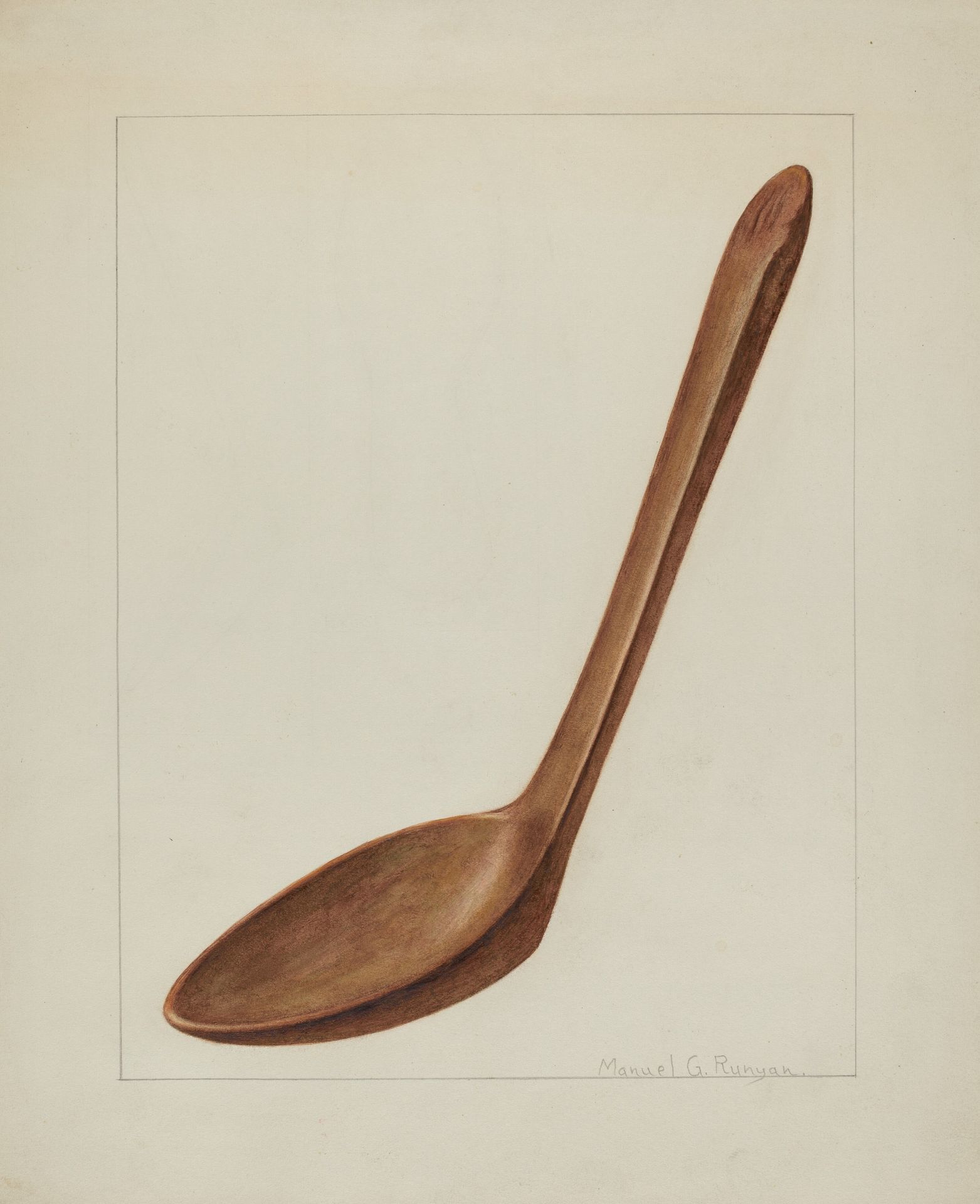
Manuel G. Runyan crafted this image of a wooden spatula, rendering a humble kitchen utensil as a symbol laden with cultural weight. The spatula, at its core, is about transformation – raw ingredients molded into nourishment. Consider the ancient Roman "ligula," a spoon-like tool used in both cooking and medicine. Its presence spans from mundane domestic tasks to sacred healing rituals, echoing the spatula's dual role in feeding and caring. The spatula's form, too, invites reflection. Its gentle curve recalls the maternal embrace, a subconscious link to the nurturing act of feeding and providing comfort. Even today, the spatula remains a staple in kitchens worldwide. Though its materials have evolved, its fundamental purpose persists. Thus, Runyan’s spatula transcends its simple form, resonating with collective memories of sustenance, transformation, and care.


Artwork details
- Medium
- drawing, paper, pencil
- Dimensions
- overall: 28 x 22.9 cm (11 x 9 in.) Original IAD Object: 6 1/2" long; 1 1/8" wide
- Copyright
- National Gallery of Art: CC0 1.0
Tags
Comments
Share your thoughts
About this artwork
Manuel G. Runyan crafted this image of a wooden spatula, rendering a humble kitchen utensil as a symbol laden with cultural weight. The spatula, at its core, is about transformation – raw ingredients molded into nourishment. Consider the ancient Roman "ligula," a spoon-like tool used in both cooking and medicine. Its presence spans from mundane domestic tasks to sacred healing rituals, echoing the spatula's dual role in feeding and caring. The spatula's form, too, invites reflection. Its gentle curve recalls the maternal embrace, a subconscious link to the nurturing act of feeding and providing comfort. Even today, the spatula remains a staple in kitchens worldwide. Though its materials have evolved, its fundamental purpose persists. Thus, Runyan’s spatula transcends its simple form, resonating with collective memories of sustenance, transformation, and care.
Comments
Share your thoughts