About this artwork
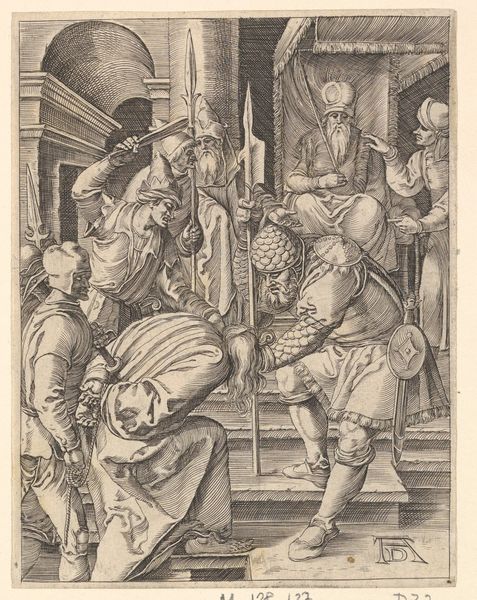
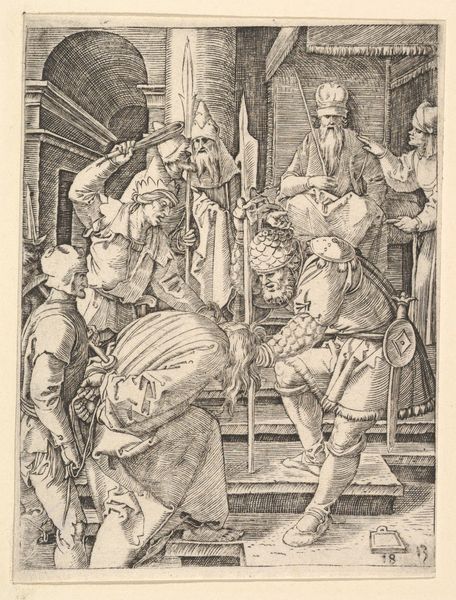
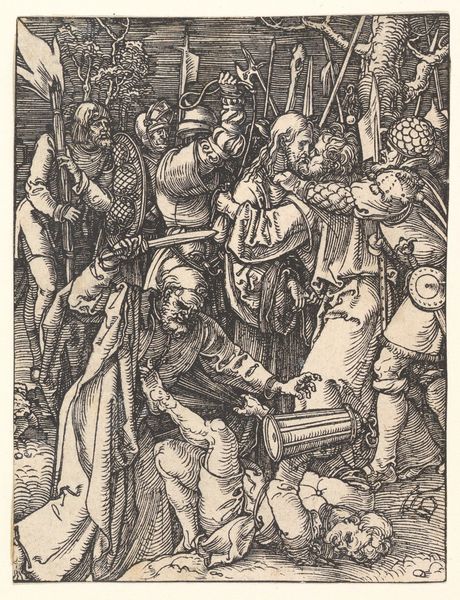
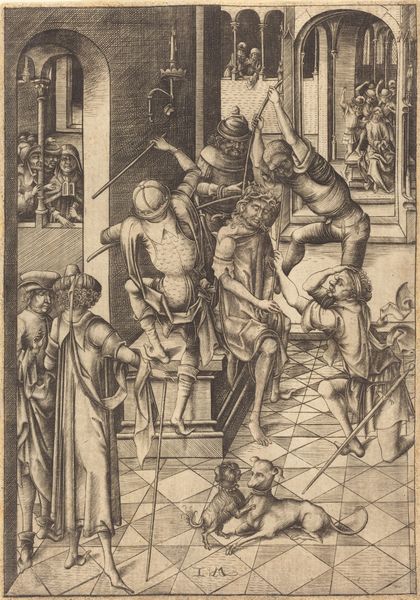
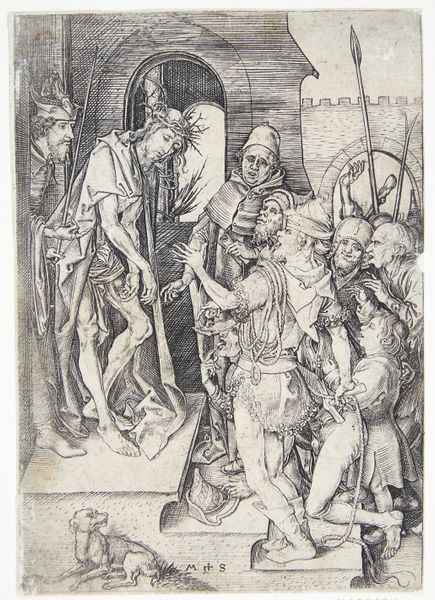
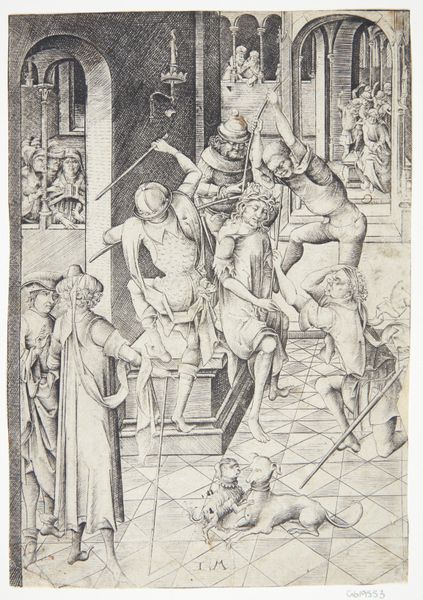
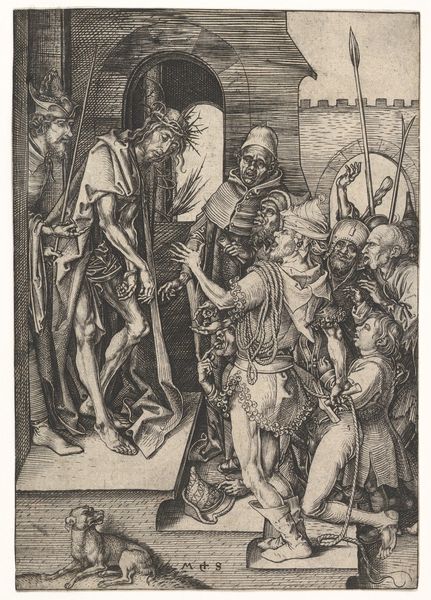
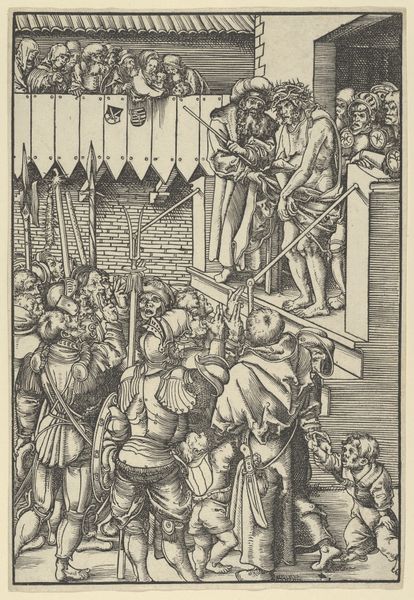
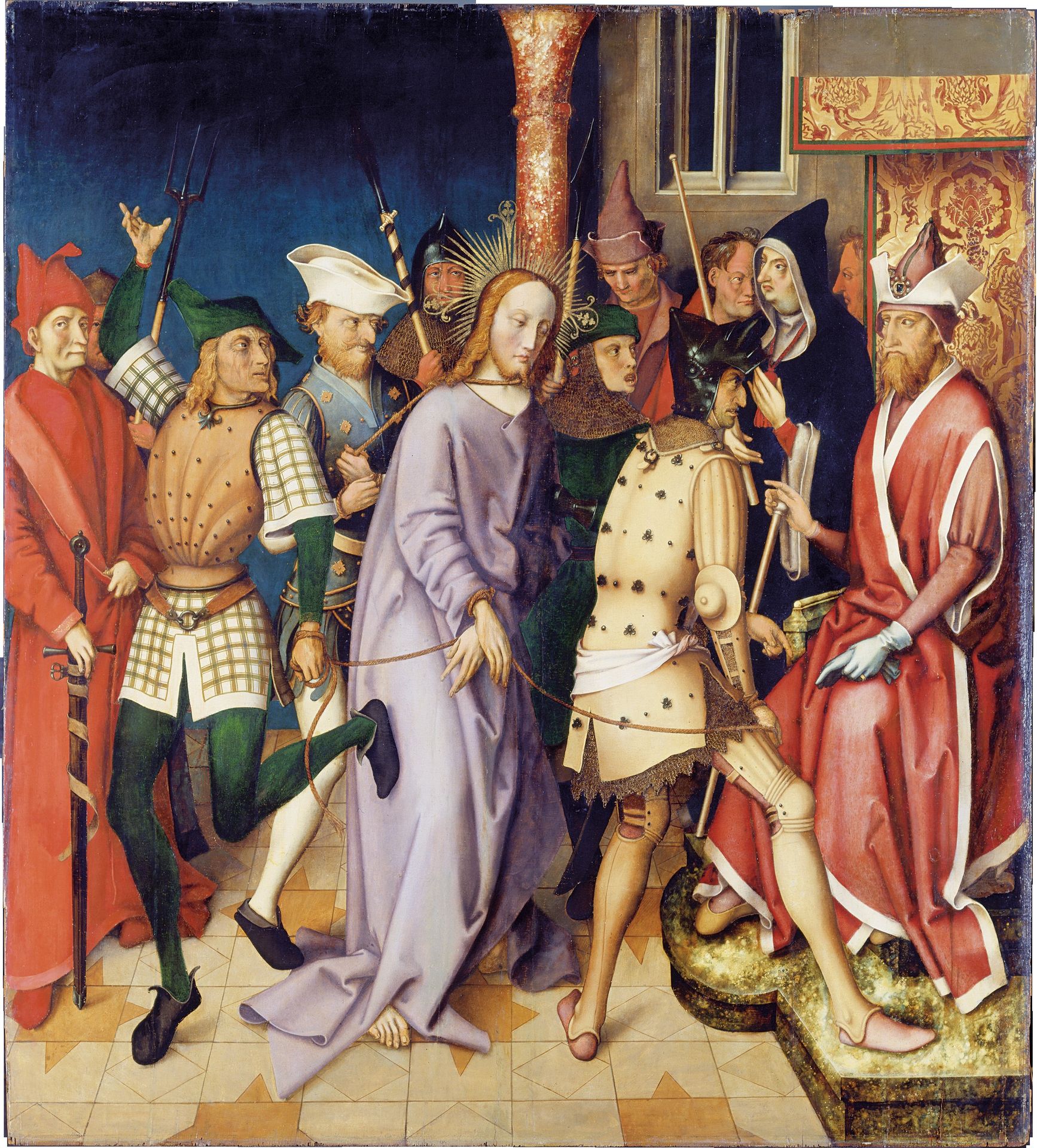
Hans Holbein the Elder painted 'Christ before Pontius Pilate' with oil on wood in the early 16th century. The image shows Christ's trial, but the artist relocates it to his contemporary world. Holbein was working in Germany during the Reformation. Religious art was deeply connected to social and political conflict. The image uses visual codes, cultural references, and historical associations to comment on the social structures of his time. For instance, he dresses the figures in contemporary clothing, blurring the line between the biblical narrative and the present day. This could invite viewers to reflect on the relevance of Christ's teachings to their own society. Was Holbein critiquing the institutions of the church? As art historians, we can examine court records, religious pamphlets, and other period documents. By understanding the institutional context, we can gain a richer understanding of art's meaning as something contingent on social and political structures.
Christ before Pontius Pilate 1501


Artwork details
- Medium
- painting, oil-paint
- Dimensions
- 166.5 x 150.3 x min. 0.4 cm
- Location
- Städel Museum
- Copyright
- Public Domain
Tags
painting
oil-paint
figuration
11_renaissance
oil painting
history-painting
italian-renaissance
Comments
No comments
About this artwork
Hans Holbein the Elder painted 'Christ before Pontius Pilate' with oil on wood in the early 16th century. The image shows Christ's trial, but the artist relocates it to his contemporary world. Holbein was working in Germany during the Reformation. Religious art was deeply connected to social and political conflict. The image uses visual codes, cultural references, and historical associations to comment on the social structures of his time. For instance, he dresses the figures in contemporary clothing, blurring the line between the biblical narrative and the present day. This could invite viewers to reflect on the relevance of Christ's teachings to their own society. Was Holbein critiquing the institutions of the church? As art historians, we can examine court records, religious pamphlets, and other period documents. By understanding the institutional context, we can gain a richer understanding of art's meaning as something contingent on social and political structures.
Comments
No comments