About this artwork
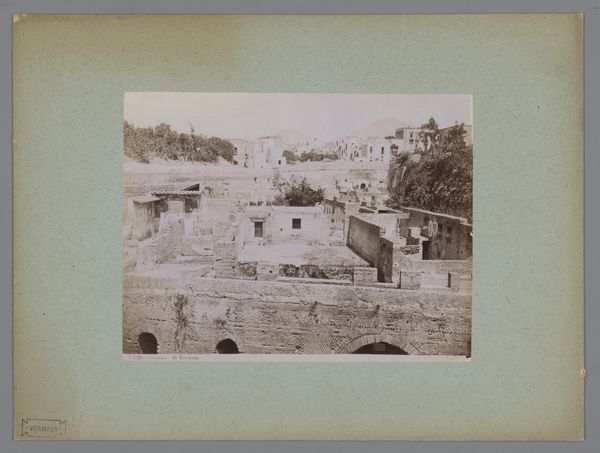
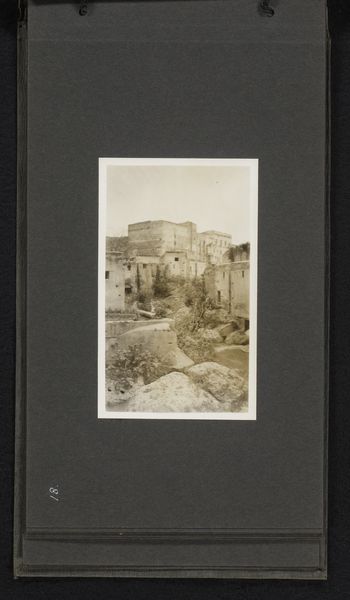
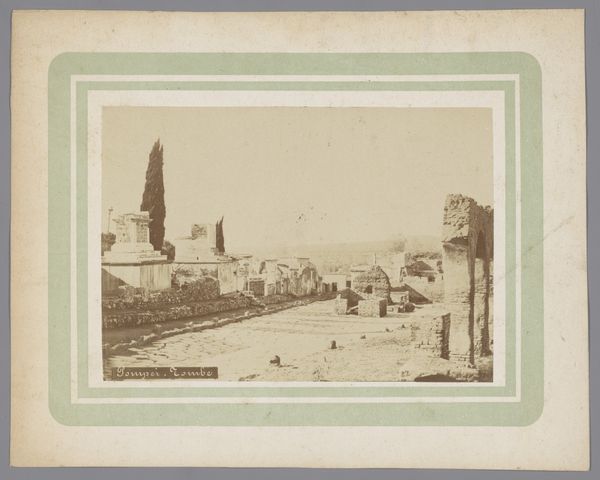
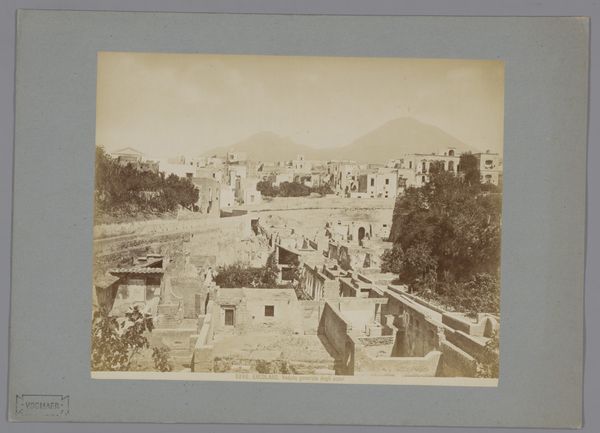
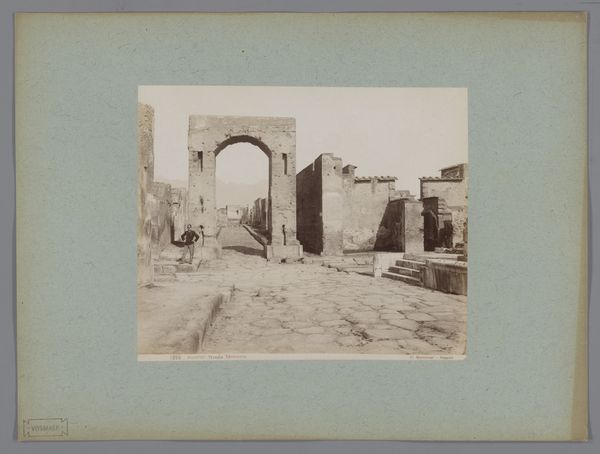
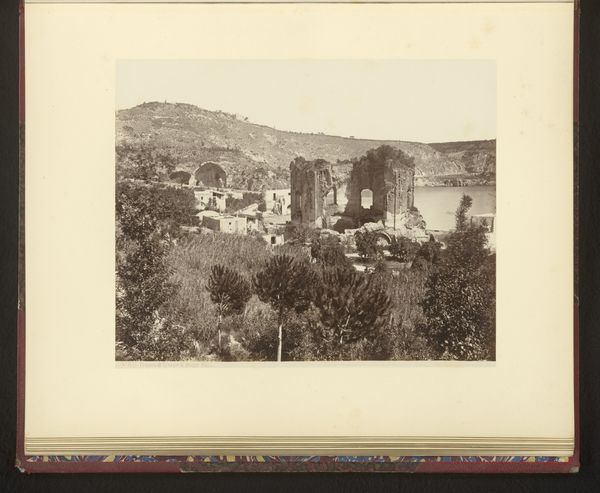
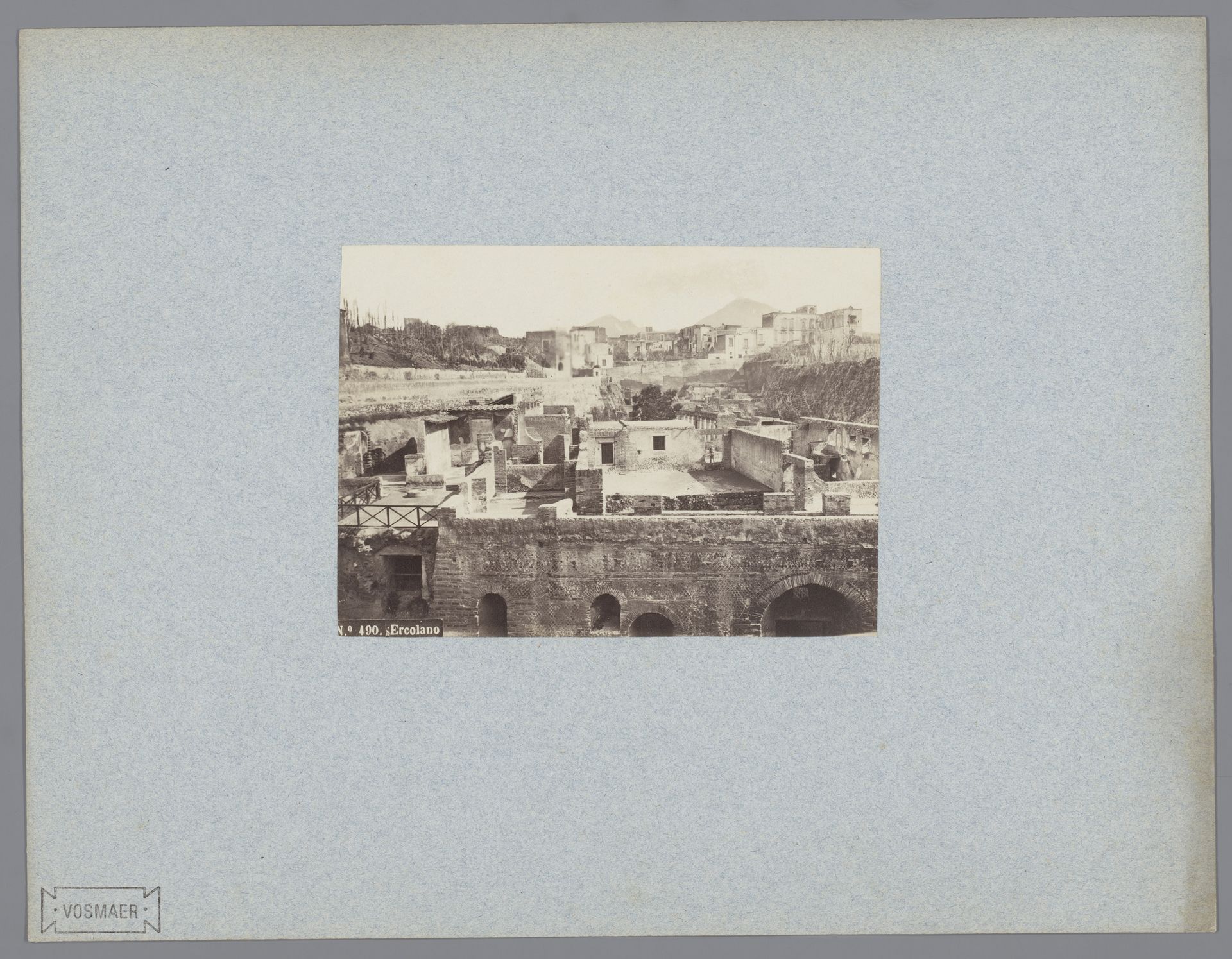
Roberto Rive made this photograph, "Huizen in Herculaneum", at an unknown date, capturing the excavated ruins of a Roman town destroyed by the eruption of Mount Vesuvius in 79 AD. Considered one of the first mass disasters, the ruins of Herculaneum, like Pompeii, offer a glimpse into a specific moment in time. Through Rive’s lens, we are invited to reflect on the lives of those who once inhabited these spaces, preserved under layers of ash. But, photography in the 19th century wasn’t simply about documentation; it was often employed to reinforce colonial narratives and romanticize ancient civilizations. The act of excavation and photography became intertwined with the politics of the time, raising questions about who has the authority to represent history and whose stories are prioritized. As we gaze upon these ruins, let's consider the complexities of history, memory, and representation inherent in this image.

Artwork details
- Medium
- photography, albumen-print
- Dimensions
- height 107 mm, width 147 mm, height 249 mm, width 325 mm
- Location
- Rijksmuseum
- Copyright
- Rijks Museum: Open Domain
Tags
landscape
house
photography
ancient-mediterranean
cityscape
albumen-print
Comments
No comments
About this artwork
Roberto Rive made this photograph, "Huizen in Herculaneum", at an unknown date, capturing the excavated ruins of a Roman town destroyed by the eruption of Mount Vesuvius in 79 AD. Considered one of the first mass disasters, the ruins of Herculaneum, like Pompeii, offer a glimpse into a specific moment in time. Through Rive’s lens, we are invited to reflect on the lives of those who once inhabited these spaces, preserved under layers of ash. But, photography in the 19th century wasn’t simply about documentation; it was often employed to reinforce colonial narratives and romanticize ancient civilizations. The act of excavation and photography became intertwined with the politics of the time, raising questions about who has the authority to represent history and whose stories are prioritized. As we gaze upon these ruins, let's consider the complexities of history, memory, and representation inherent in this image.
Comments
No comments