About this artwork
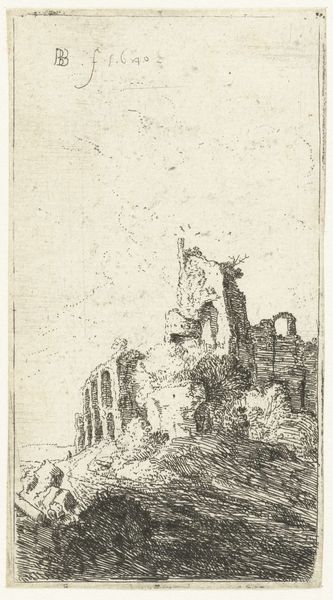
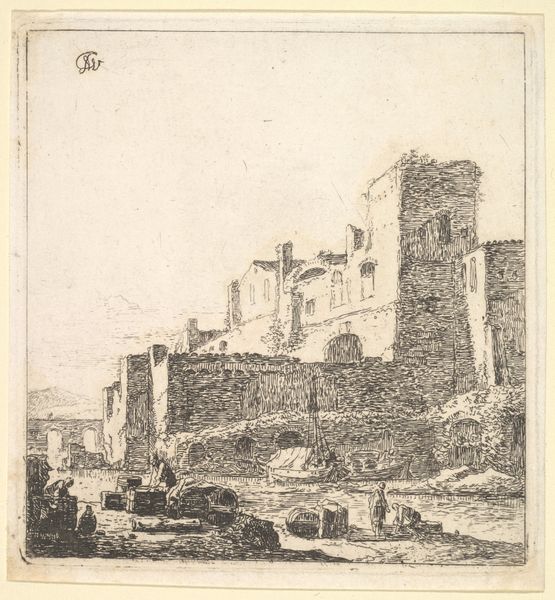
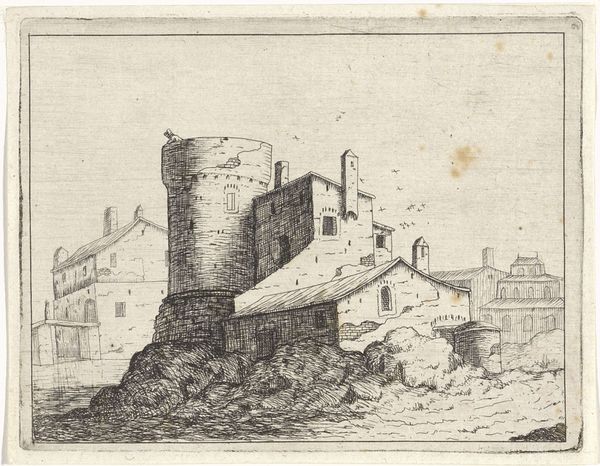
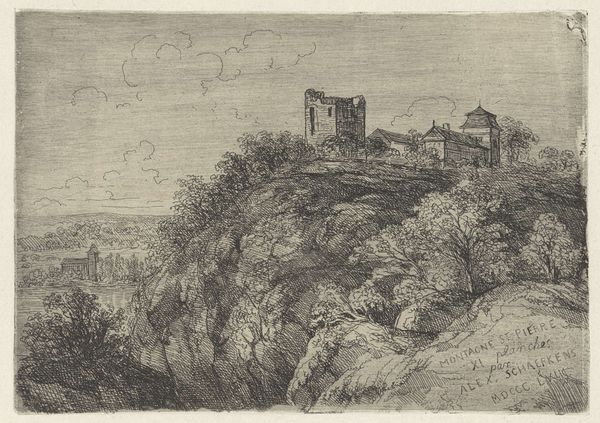
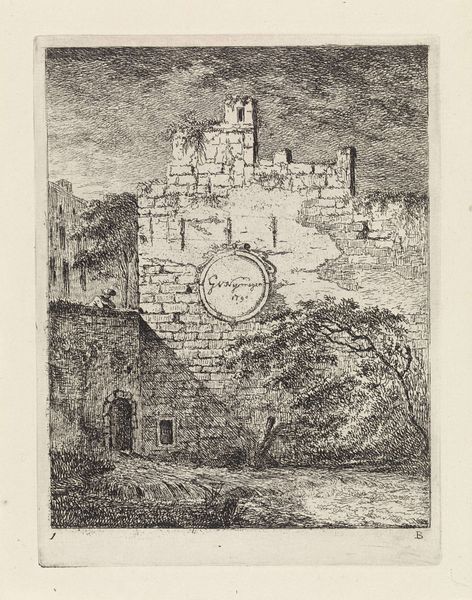
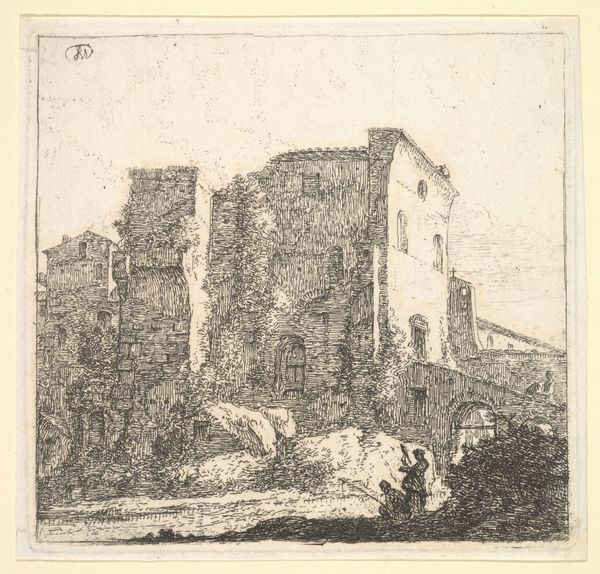
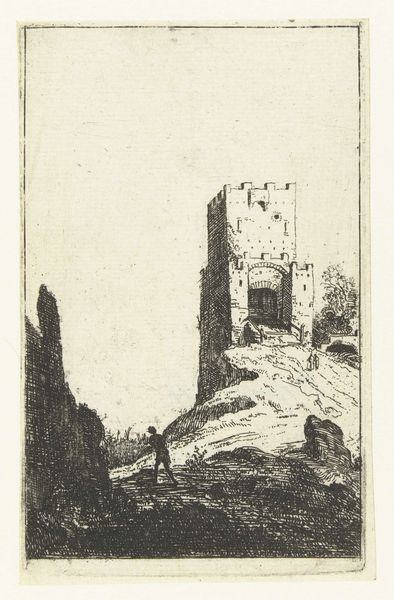
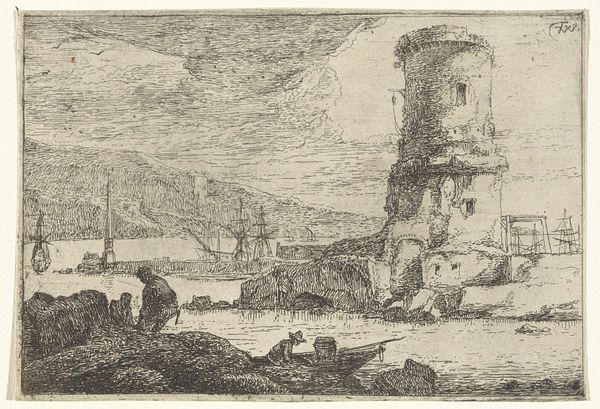
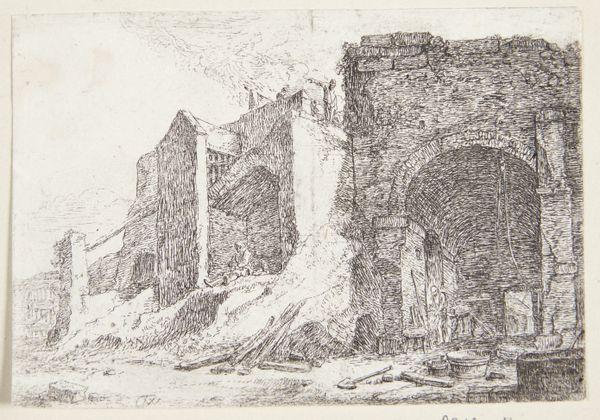
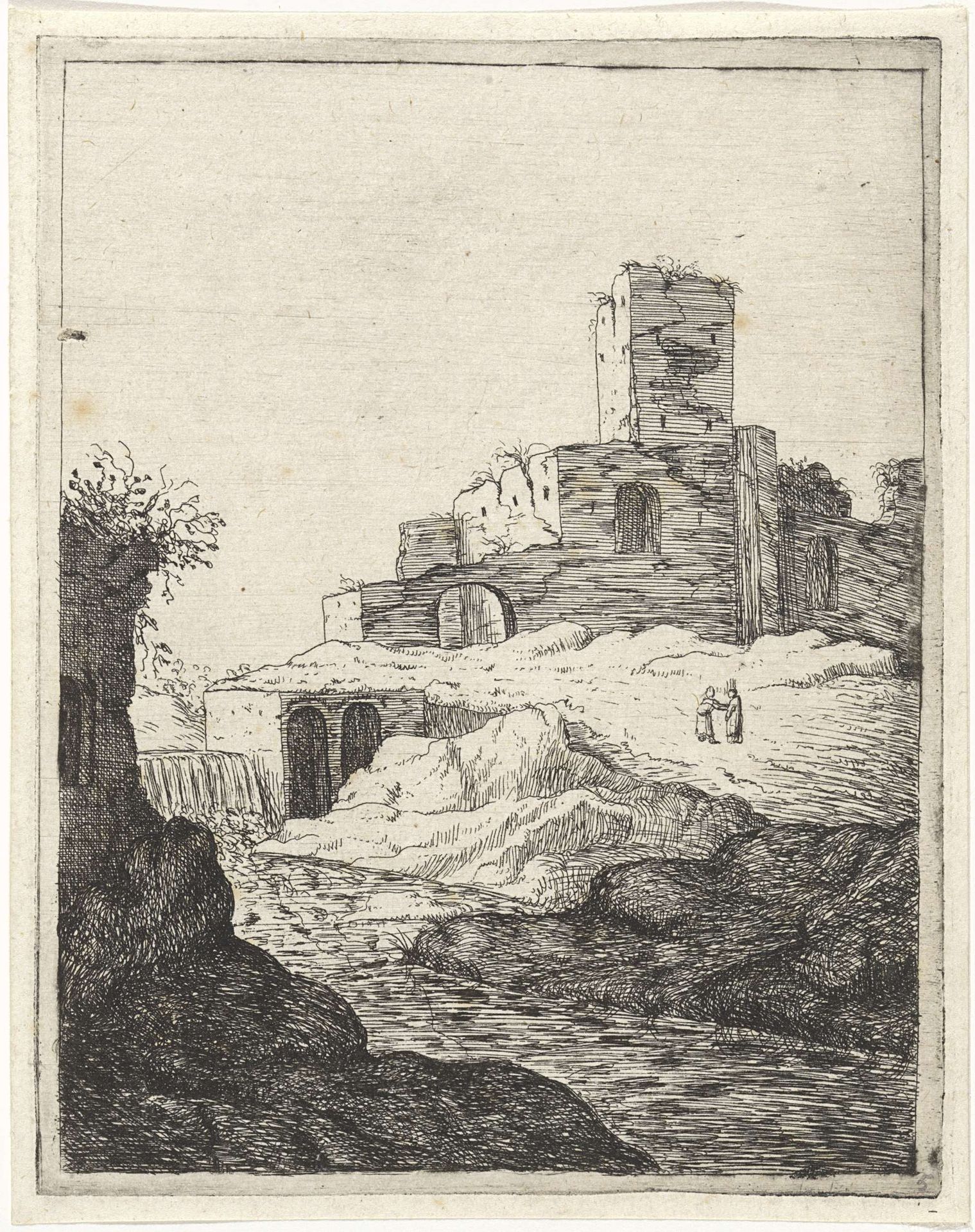
M. Schaep made this print of a ruined tower and waterfall using etching, a printmaking technique. Etching involves coating a metal plate with a waxy, acid-resistant substance called a ground. The artist then scratches an image into the ground, exposing the metal. When the plate is dipped in acid, the exposed lines are eaten away, creating grooves. Ink is then applied to the plate, filling these grooves, and the surface is wiped clean. Finally, the plate is pressed onto paper, transferring the ink and creating the print. Look closely and you'll notice the network of fine lines that define the image. See how the depth and density of these lines create shading and texture, giving the ruin its weathered, crumbling appearance? The process of etching, with its reliance on controlled corrosion, mirrors the very decay depicted in the scene. The artist uses this to reflect the passage of time and the impermanence of human structures, while also highlighting the endurance of nature, a common theme at the time.

Artwork details
- Medium
- drawing, etching, pen
- Dimensions
- height 122 mm, width 94 mm
- Copyright
- Rijks Museum: Open Domain
Tags
drawing
baroque
pen sketch
etching
pencil sketch
sketch book
landscape
pen-ink sketch
pen
academic-art
Comments
No comments
About this artwork
M. Schaep made this print of a ruined tower and waterfall using etching, a printmaking technique. Etching involves coating a metal plate with a waxy, acid-resistant substance called a ground. The artist then scratches an image into the ground, exposing the metal. When the plate is dipped in acid, the exposed lines are eaten away, creating grooves. Ink is then applied to the plate, filling these grooves, and the surface is wiped clean. Finally, the plate is pressed onto paper, transferring the ink and creating the print. Look closely and you'll notice the network of fine lines that define the image. See how the depth and density of these lines create shading and texture, giving the ruin its weathered, crumbling appearance? The process of etching, with its reliance on controlled corrosion, mirrors the very decay depicted in the scene. The artist uses this to reflect the passage of time and the impermanence of human structures, while also highlighting the endurance of nature, a common theme at the time.
Comments
No comments