About this artwork
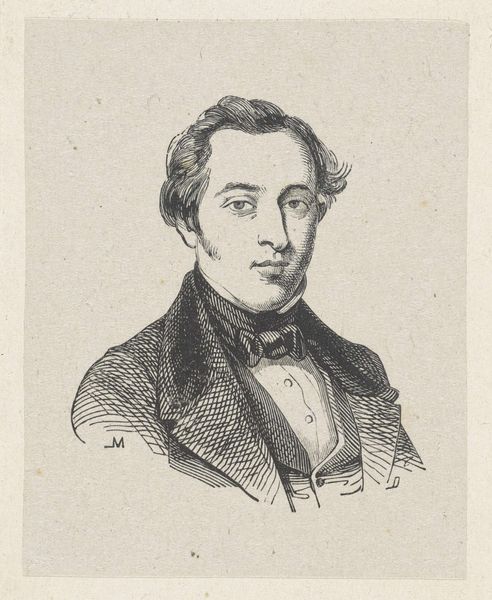
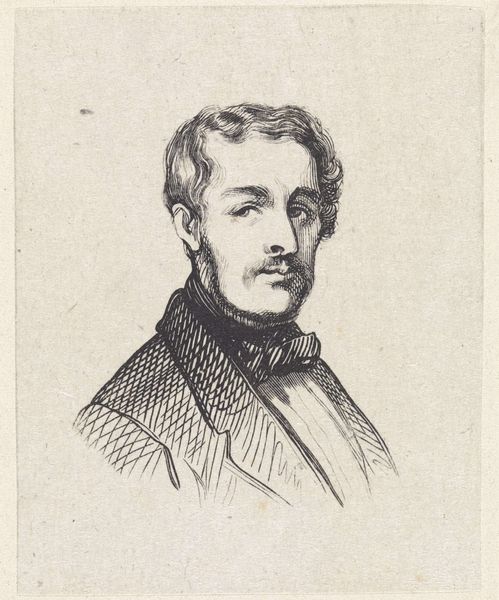
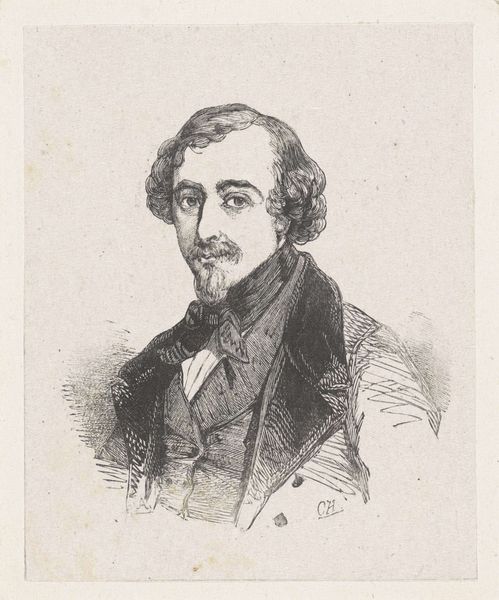
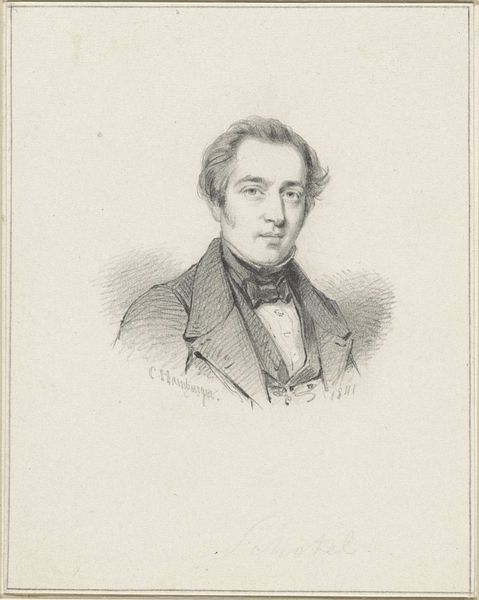
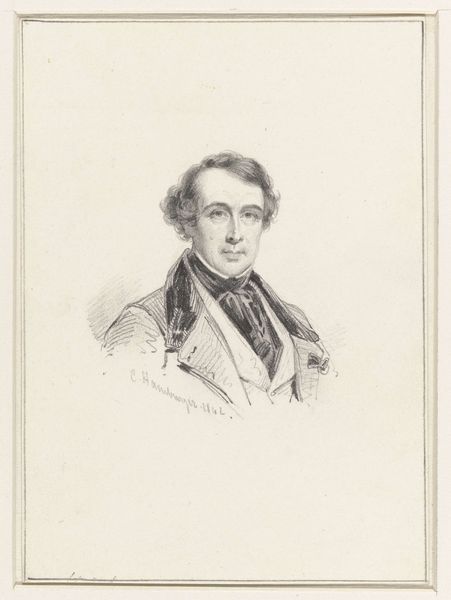
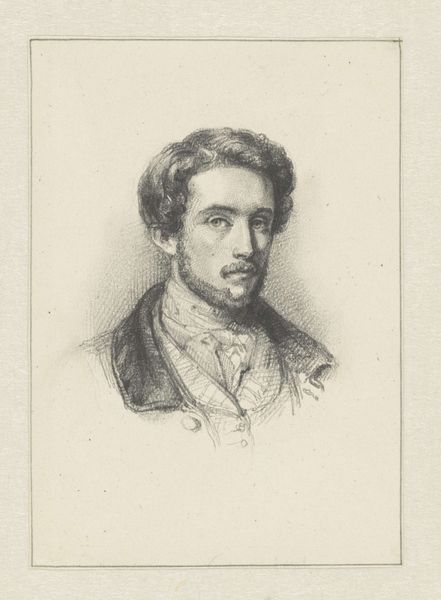
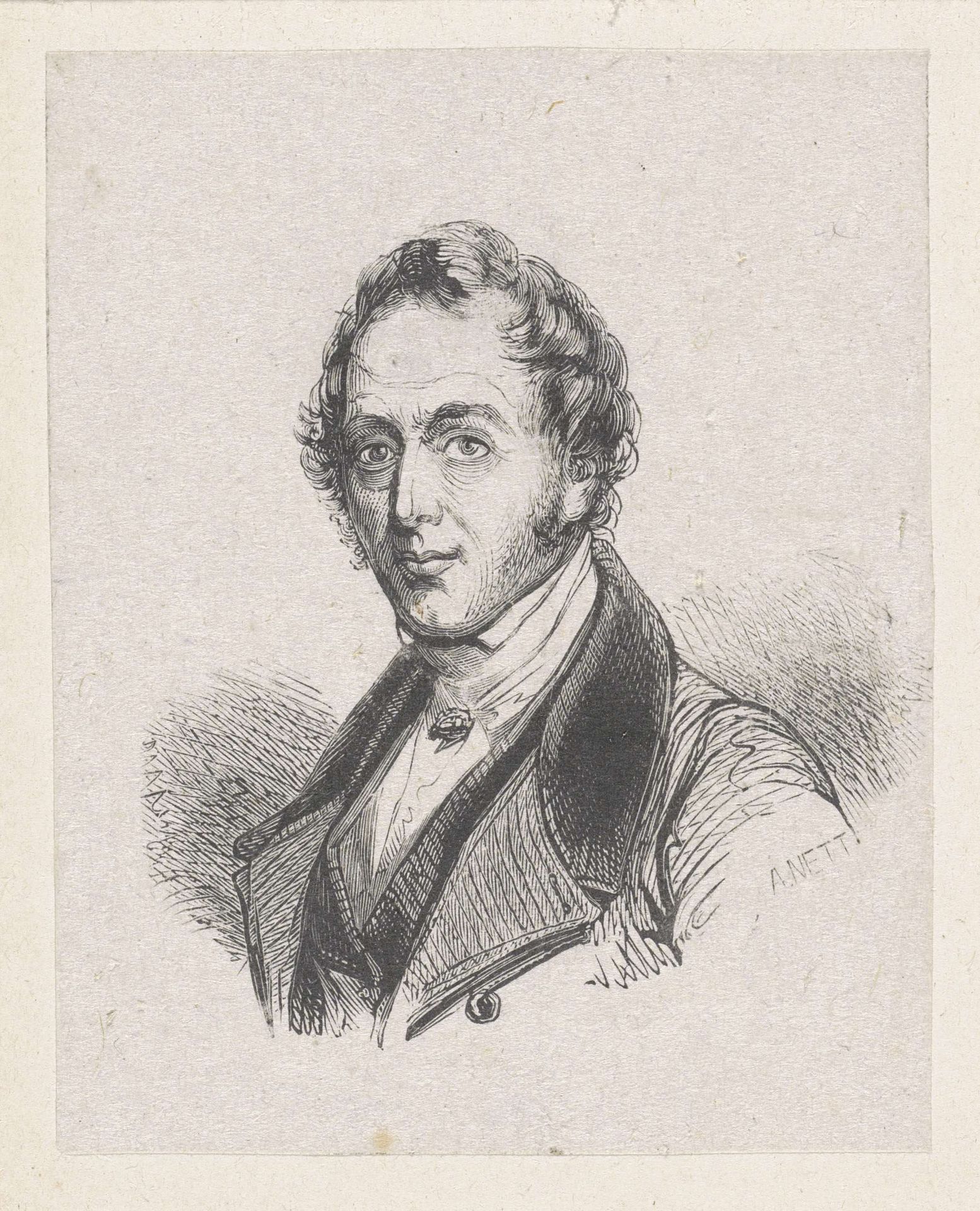
This self-portrait was made by Jean-Baptiste van der Hulst at an unknown date. It’s rendered as a small etching, measuring just 79 by 65 millimeters, and resides in the Rijksmuseum. Van der Hulst presents himself with a particular bearing, his gaze direct, and his coat buttoned high, accentuating his status. But it is the brooch on his lapel that captures my attention. Such adornments, initially symbols of familial or guild affiliation, have undergone a fascinating metamorphosis. We see their echo in medieval heraldry, where symbols denoted lineage and allegiance. The power of these symbols lies in their ability to evoke immediate recognition and emotional response. Consider, for instance, how a simple cross has served as a potent emblem for centuries. From the early Christians using it as a covert sign to its prominent display during the Crusades, its significance has shifted and deepened. These emblems tap into our collective memory, engaging viewers on a profound level, stirring emotions that resonate across generations. Like Proteus, they resurface, evolve, and assume new meanings.
Zelfportret van Jean-Baptiste Van der Hulst 1840 - 1842

Jean-Baptiste Van der Hulst
1790 - 1862Location
RijksmuseumArtwork details
- Dimensions
- height 79 mm, width 65 mm
- Location
- Rijksmuseum
- Copyright
- Rijks Museum: Open Domain
Tags
portrait
pencil drawn
imaginative character sketch
light pencil work
pencil sketch
personal sketchbook
idea generation sketch
pencil drawing
sketchbook drawing
pencil work
sketchbook art
Comments
No comments
About this artwork
This self-portrait was made by Jean-Baptiste van der Hulst at an unknown date. It’s rendered as a small etching, measuring just 79 by 65 millimeters, and resides in the Rijksmuseum. Van der Hulst presents himself with a particular bearing, his gaze direct, and his coat buttoned high, accentuating his status. But it is the brooch on his lapel that captures my attention. Such adornments, initially symbols of familial or guild affiliation, have undergone a fascinating metamorphosis. We see their echo in medieval heraldry, where symbols denoted lineage and allegiance. The power of these symbols lies in their ability to evoke immediate recognition and emotional response. Consider, for instance, how a simple cross has served as a potent emblem for centuries. From the early Christians using it as a covert sign to its prominent display during the Crusades, its significance has shifted and deepened. These emblems tap into our collective memory, engaging viewers on a profound level, stirring emotions that resonate across generations. Like Proteus, they resurface, evolve, and assume new meanings.
Comments
No comments