About this artwork
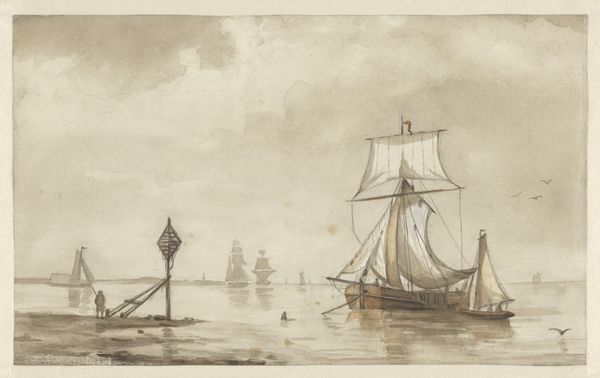
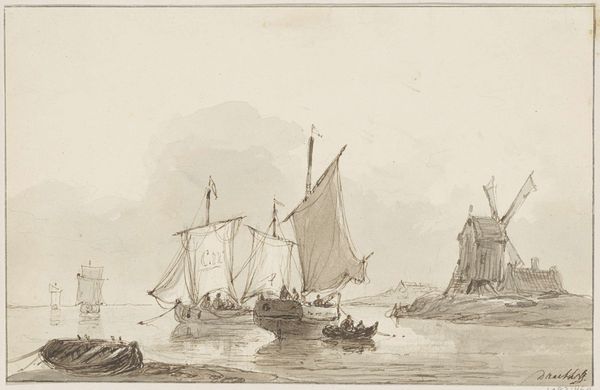
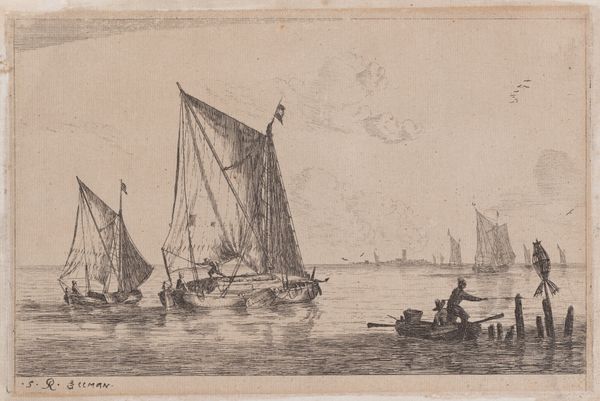
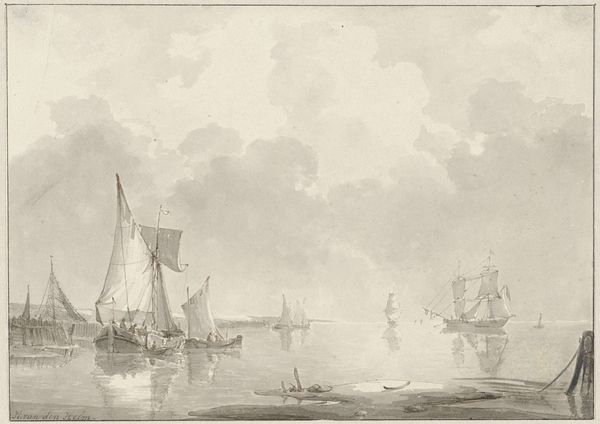
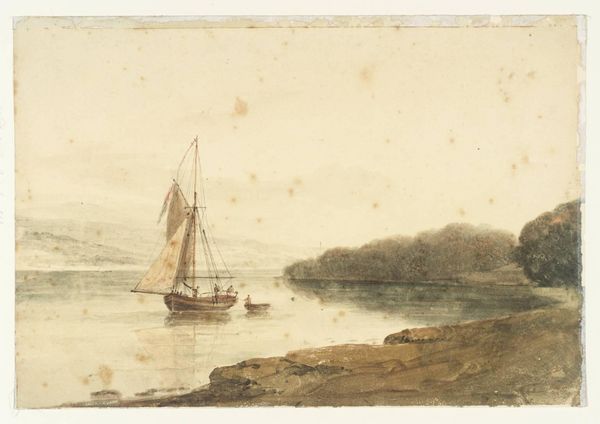
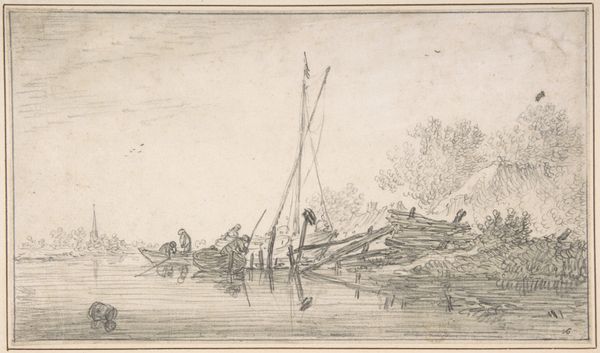
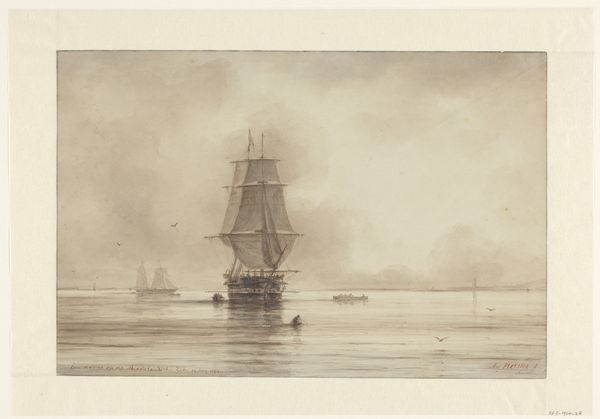
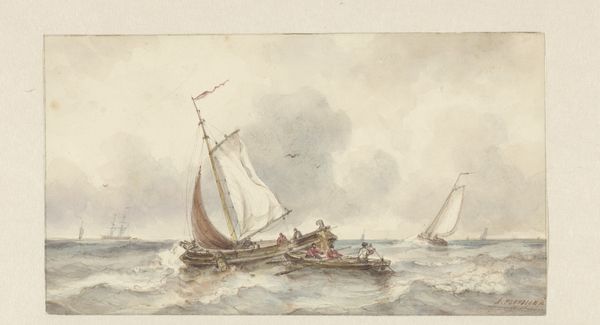
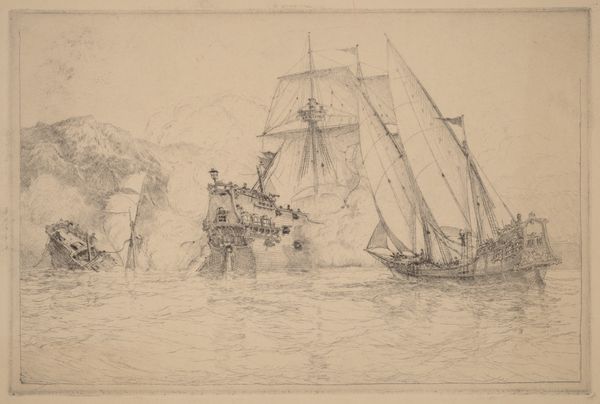
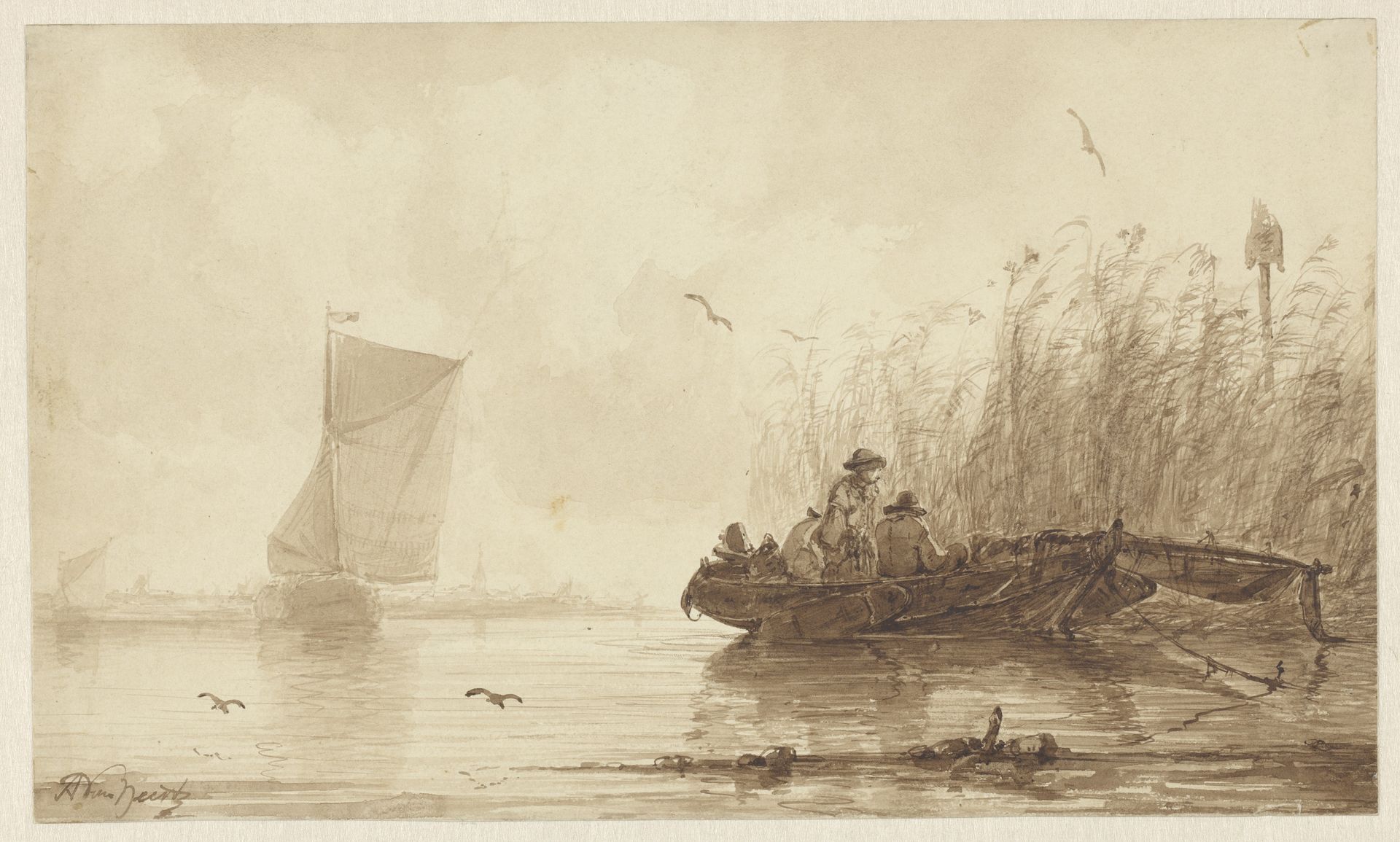
Albertus van Beest made this artwork, "Vissers in een bootje bij een rietkraag," with pen in brown and brush in gray. The artwork gives us a glimpse into the lives of Dutch fishermen during the mid-19th century, a period marked by significant socio-economic changes. Van Beest, who specialized in marine scenes, captures the quiet industry of these workers, their livelihoods intimately tied to the water. What stories do they tell each other while they work, and what are their dreams? The subdued palette evokes the often harsh realities of working-class life, yet there’s also a palpable sense of dignity. The artist avoids idealizing his subjects; instead, he offers a glimpse into their everyday existence. The work invites us to consider how labor, identity, and the environment intersect, prompting reflection on the lives and histories of these figures.
Vissers in een bootje bij een rietkraag
1830 - 1860

Albertus van Beest
1820 - 1860Location
RijksmuseumArtwork details
- Medium
- drawing, watercolor, pencil
- Dimensions
- height 175 mm, width 296 mm
- Location
- Rijksmuseum
- Copyright
- Rijks Museum: Open Domain
Tags
drawing
pencil sketch
landscape
figuration
watercolor
romanticism
pencil
watercolour illustration
genre-painting
watercolor
Comments
Be the first to share your thoughts about this work.
About this artwork
Albertus van Beest made this artwork, "Vissers in een bootje bij een rietkraag," with pen in brown and brush in gray. The artwork gives us a glimpse into the lives of Dutch fishermen during the mid-19th century, a period marked by significant socio-economic changes. Van Beest, who specialized in marine scenes, captures the quiet industry of these workers, their livelihoods intimately tied to the water. What stories do they tell each other while they work, and what are their dreams? The subdued palette evokes the often harsh realities of working-class life, yet there’s also a palpable sense of dignity. The artist avoids idealizing his subjects; instead, he offers a glimpse into their everyday existence. The work invites us to consider how labor, identity, and the environment intersect, prompting reflection on the lives and histories of these figures.
Comments
Be the first to share your thoughts about this work.