About this artwork
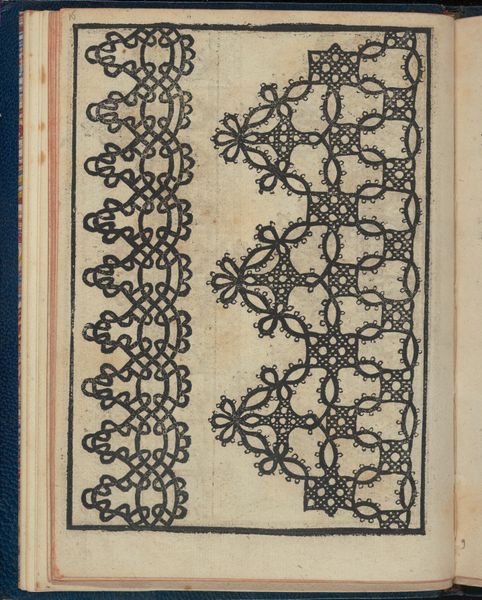
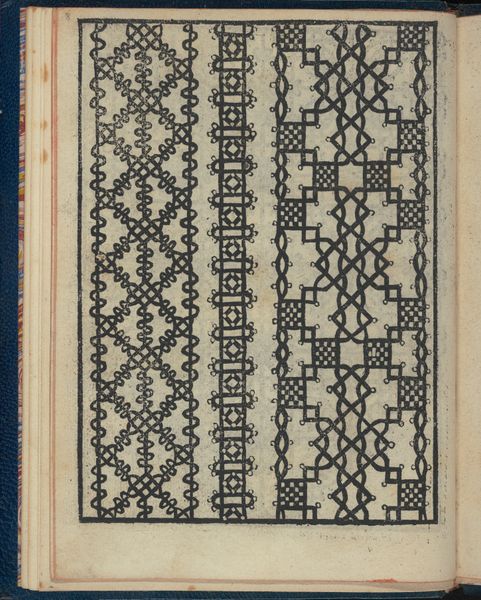
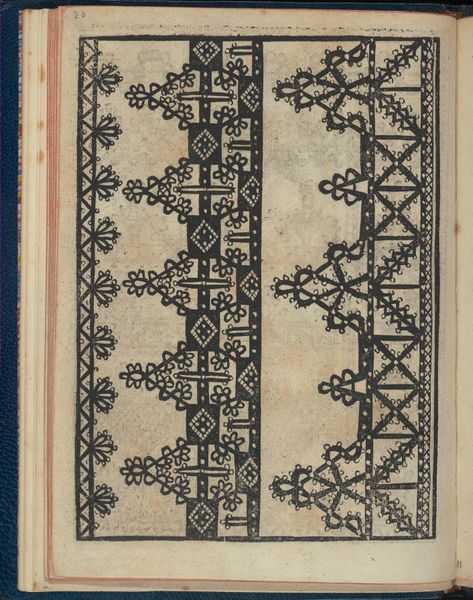
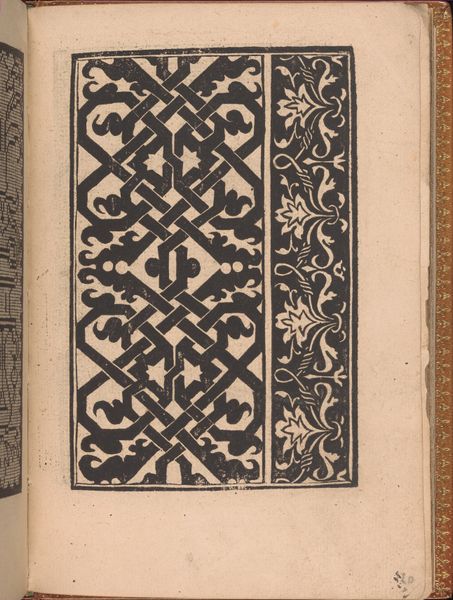
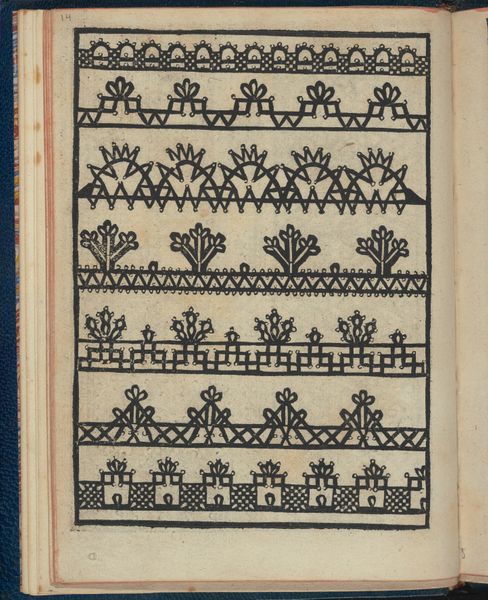
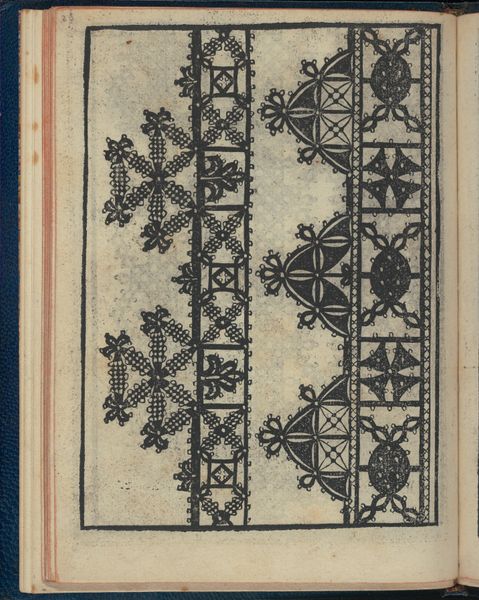
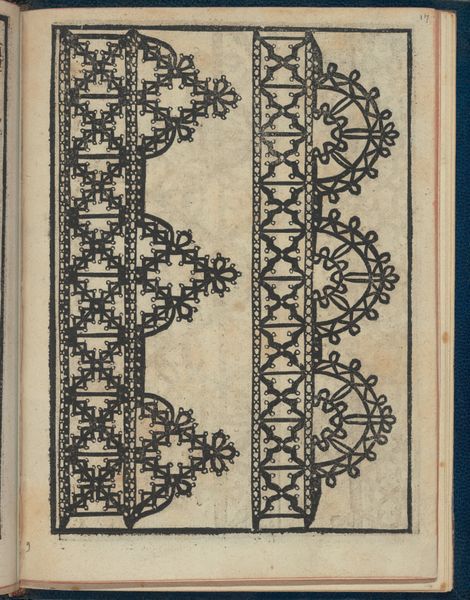
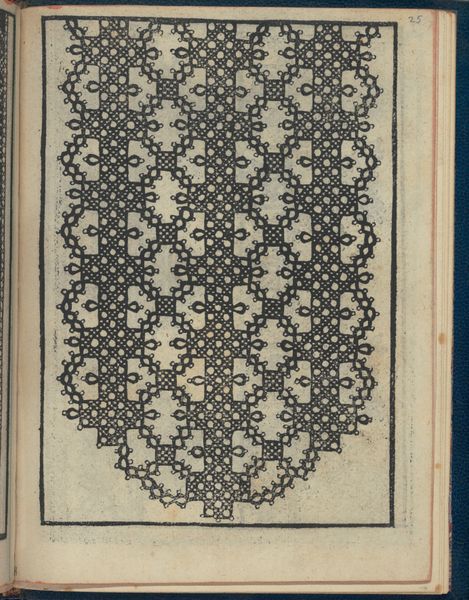
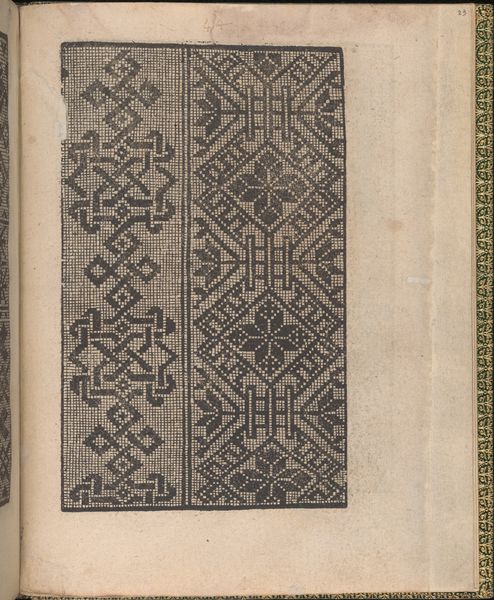
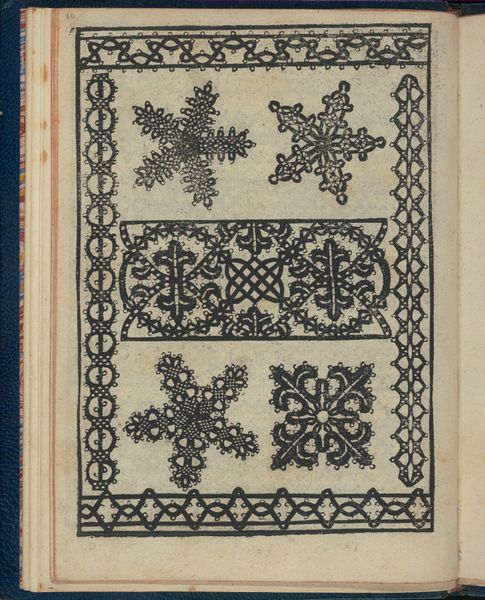
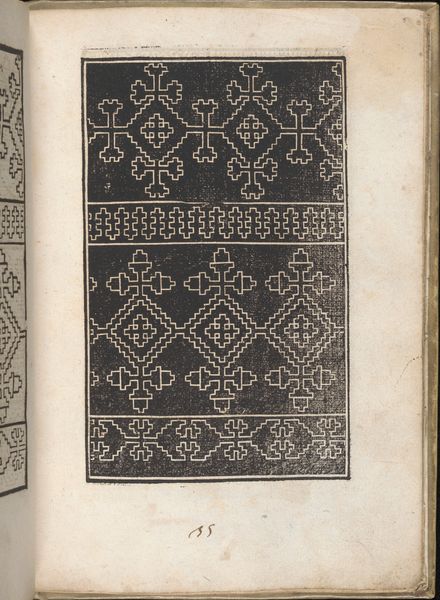
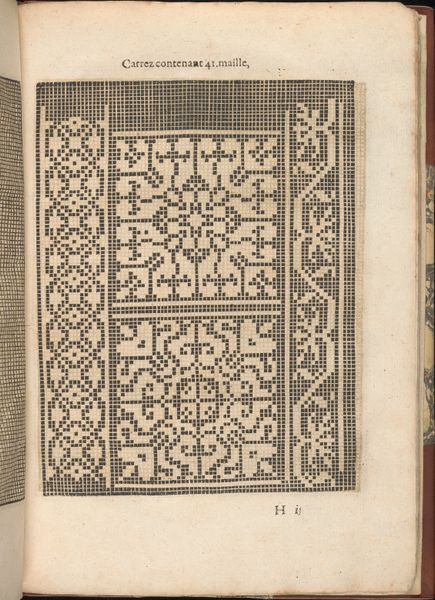
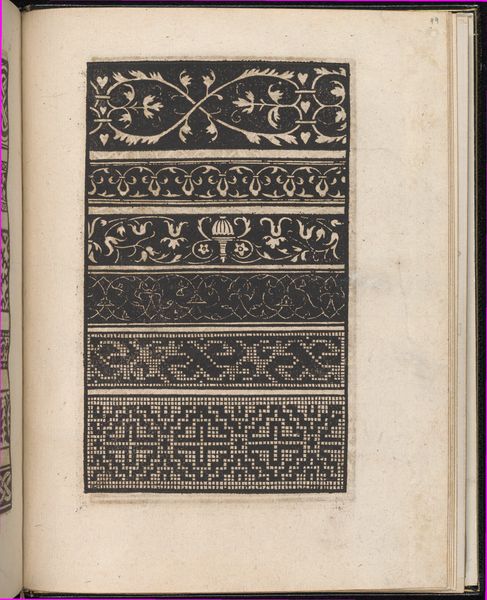
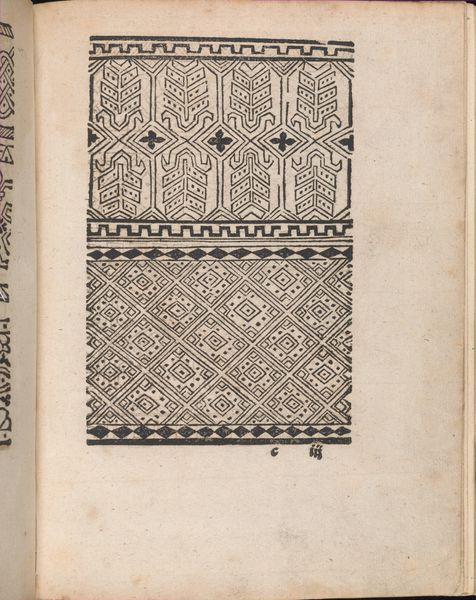
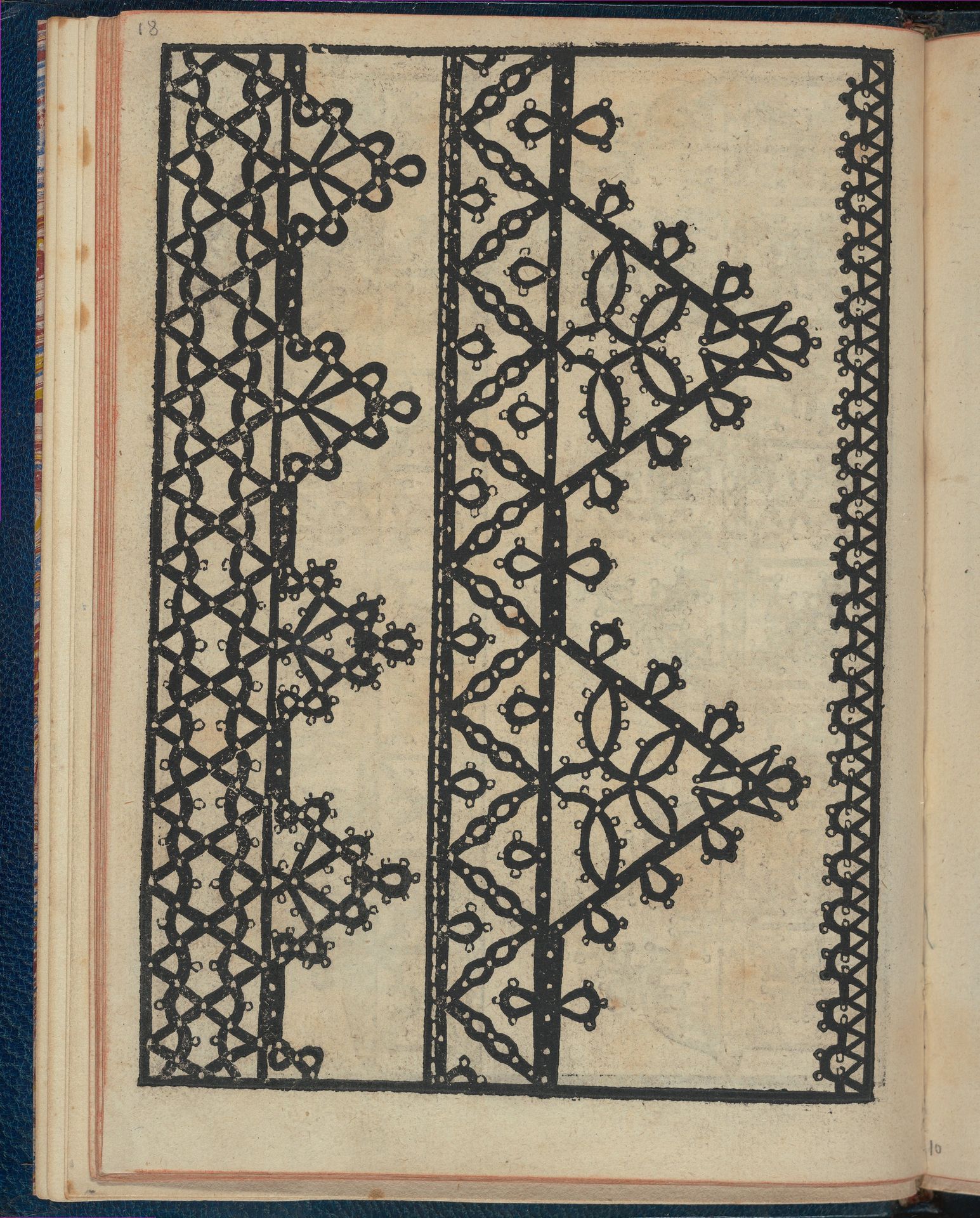
This is a page from "Le Pompe: Opera Nova," printed by Giovanni Battista and Marchio Sessa, showcasing designs for lace-making. The geometric patterns, with their repeated circles, diamonds, and crosses, are not merely decorative. They echo symbols deeply embedded in the human psyche. Consider the cross, a motif predating Christianity, symbolizing the intersection of the earthly and divine. Here, it appears abstracted, yet its primal essence remains, a testament to humanity's enduring quest for spiritual understanding. The diamond shapes, reminiscent of eyes, watch us, connecting across time and space, as do similar motifs in ancient textiles, ceramics, and even tattoos. Such patterns trigger something profound within us, a collective memory stirring in the subconscious. The act of creation, of weaving these patterns, becomes a ritualistic practice, imbued with meaning and emotion. These designs mirror patterns in our own brains. These symbols are non-linear, constantly resurfacing, evolving, and adopting new interpretations throughout history. They engage with our shared unconscious, and invite a deeper understanding of our connection to the past.
Le Pompe: Opera Nova, page 9 (verso) 1557

Giovanni Battista & Marchio Sessa
@giovannibattistamarchiosessa
The Metropolitan Museum of Art
Metropolitan Museum of Art, New York, NYArtwork details
- Medium
- drawing, graphic-art, print, paper
- Dimensions
- Overall: 8 1/16 x 5 7/8 in. (20.5 x 15 cm)
- Location
- Metropolitan Museum of Art, New York, NY
- Copyright
- Public Domain
Tags
drawing
graphic-art
paper
11_renaissance
italian-renaissance
Comments
No comments
About this artwork
This is a page from "Le Pompe: Opera Nova," printed by Giovanni Battista and Marchio Sessa, showcasing designs for lace-making. The geometric patterns, with their repeated circles, diamonds, and crosses, are not merely decorative. They echo symbols deeply embedded in the human psyche. Consider the cross, a motif predating Christianity, symbolizing the intersection of the earthly and divine. Here, it appears abstracted, yet its primal essence remains, a testament to humanity's enduring quest for spiritual understanding. The diamond shapes, reminiscent of eyes, watch us, connecting across time and space, as do similar motifs in ancient textiles, ceramics, and even tattoos. Such patterns trigger something profound within us, a collective memory stirring in the subconscious. The act of creation, of weaving these patterns, becomes a ritualistic practice, imbued with meaning and emotion. These designs mirror patterns in our own brains. These symbols are non-linear, constantly resurfacing, evolving, and adopting new interpretations throughout history. They engage with our shared unconscious, and invite a deeper understanding of our connection to the past.
Comments
No comments