About this artwork
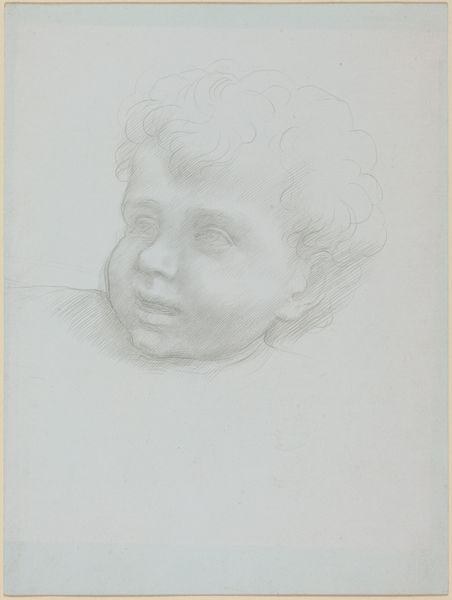
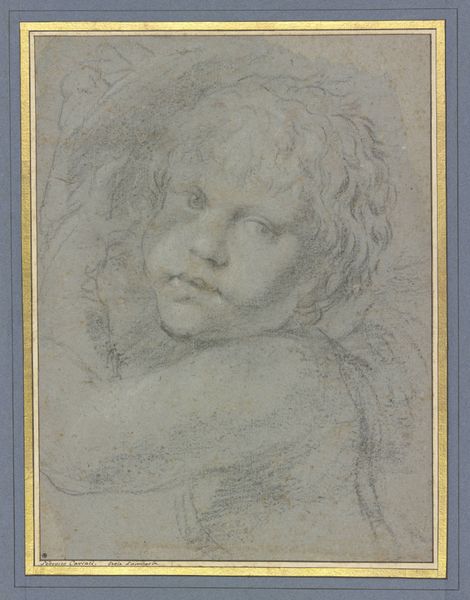
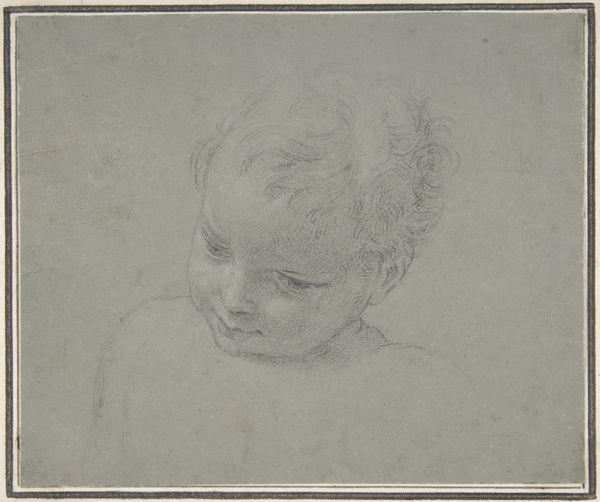
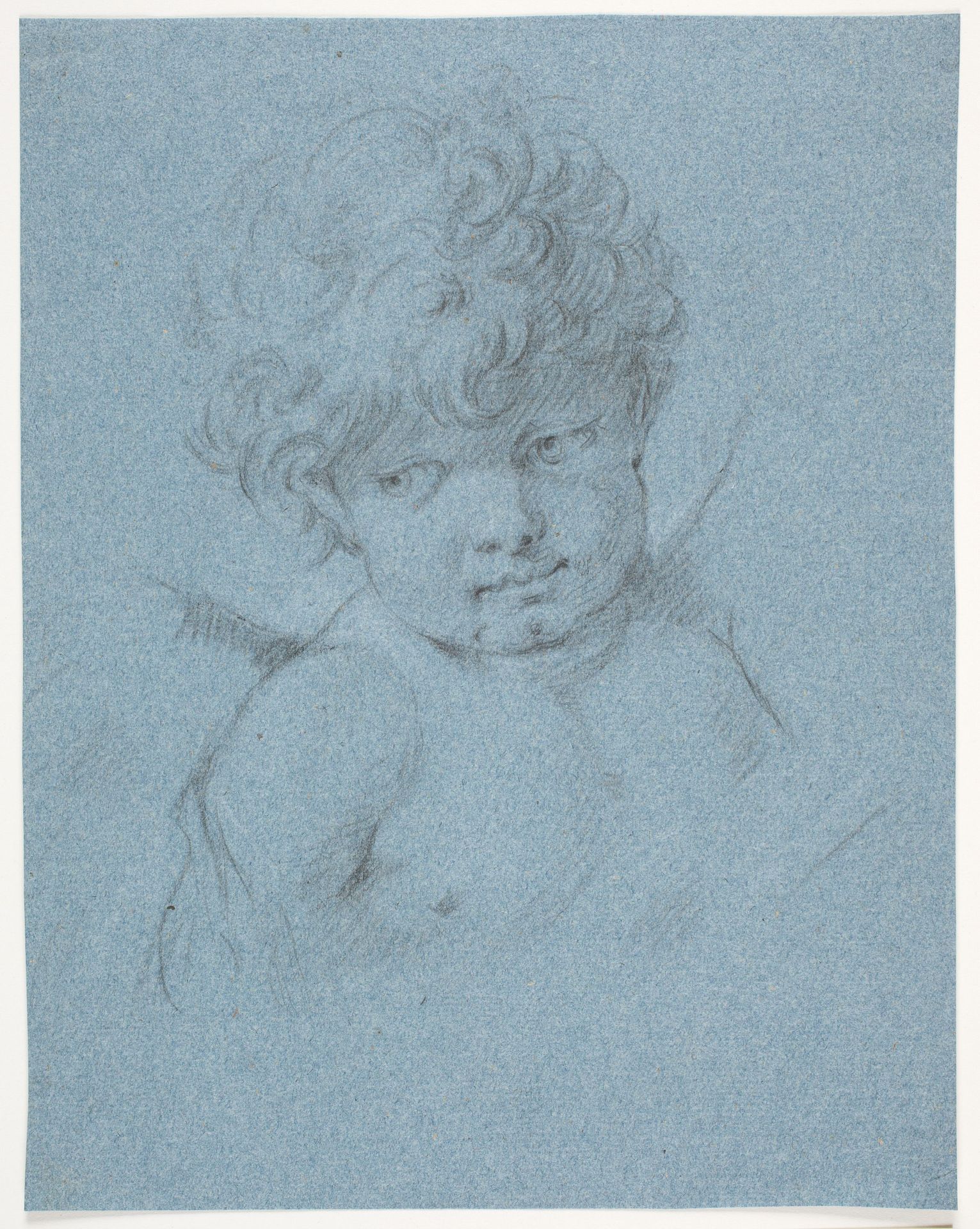
Jacques François Joseph Saly sketched this "Winged Angel? Amor? Bust Portrait" with crayon, likely on blue paper. The soft lines and gentle shading give the figure a delicate, almost ethereal quality. Saly masterfully uses line and form to suggest the roundness of the child's face and the softness of its curls. The figure is a play with binaries, caught between the sacred and the profane. Saly uses line to explore the tension between the innocent sensuality of childhood and the loaded symbolism of angels and Amor figures in art history. Is it an angel, a symbol of divine love, or Amor, the classical god of desire? The drawing destabilizes clear symbolic categories. Ultimately, the drawing’s power lies in its formal ambiguity. The lack of clear symbolic markers invites us to consider how art can function as a site of questioning rather than definitive statements.
Vinget engel? Amor? Brystbillede
1717 - 1776


Artwork details
- Medium
- drawing, pencil
- Dimensions
- 246 mm (height) x 192 mm (width) (bladmaal)
- Location
- SMK - Statens Museum for Kunst
Tags
Comments
Share your thoughts
About this artwork
Jacques François Joseph Saly sketched this "Winged Angel? Amor? Bust Portrait" with crayon, likely on blue paper. The soft lines and gentle shading give the figure a delicate, almost ethereal quality. Saly masterfully uses line and form to suggest the roundness of the child's face and the softness of its curls. The figure is a play with binaries, caught between the sacred and the profane. Saly uses line to explore the tension between the innocent sensuality of childhood and the loaded symbolism of angels and Amor figures in art history. Is it an angel, a symbol of divine love, or Amor, the classical god of desire? The drawing destabilizes clear symbolic categories. Ultimately, the drawing’s power lies in its formal ambiguity. The lack of clear symbolic markers invites us to consider how art can function as a site of questioning rather than definitive statements.
Comments
Share your thoughts