1827
Honey Moon


Listen to curator's interpretation
Curatorial notes
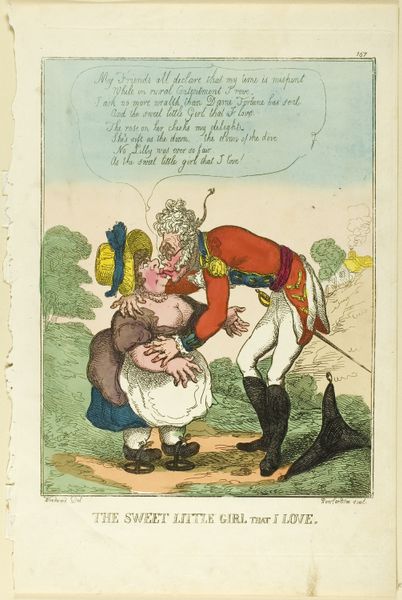
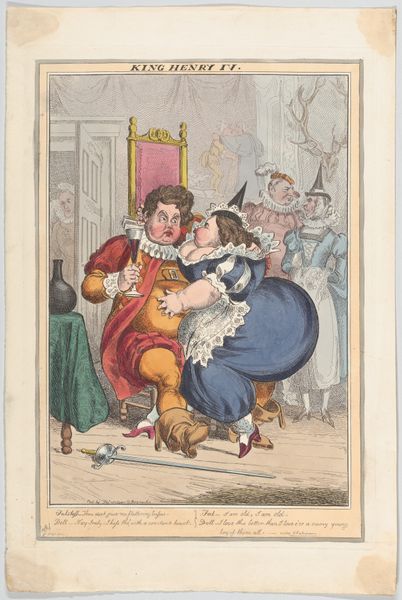
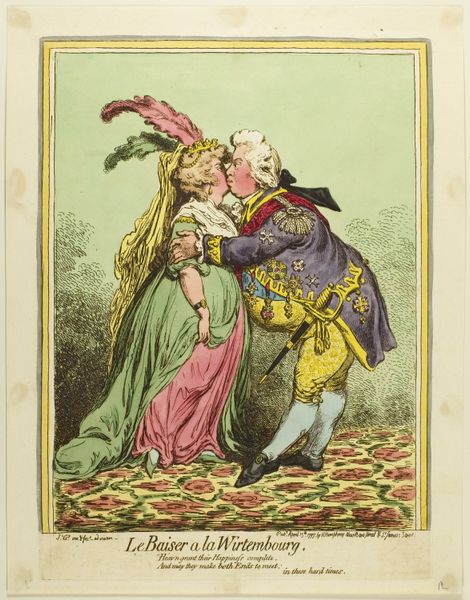
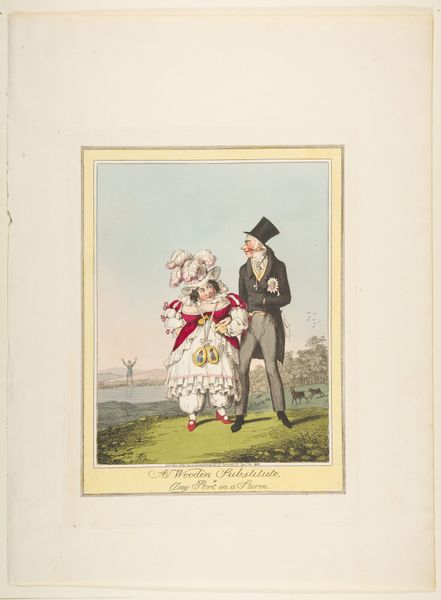
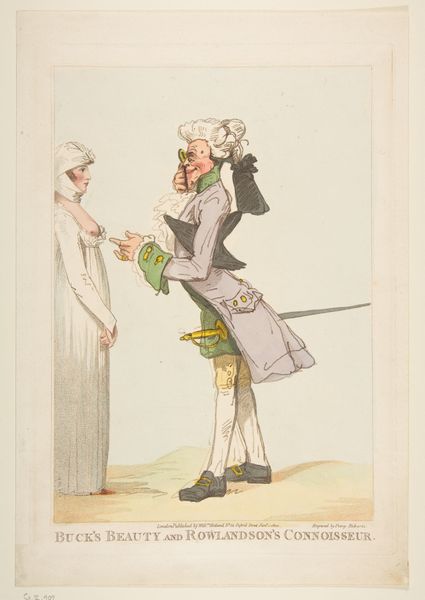
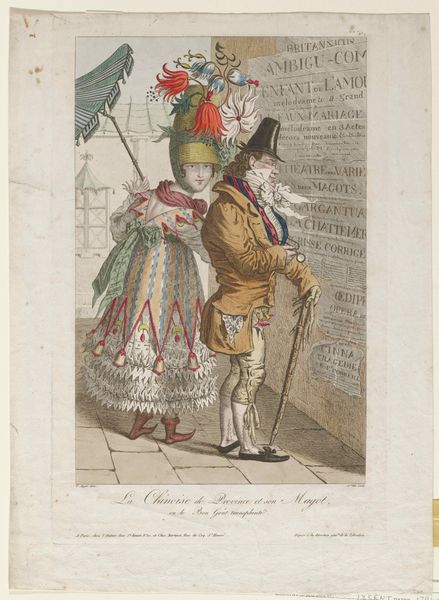
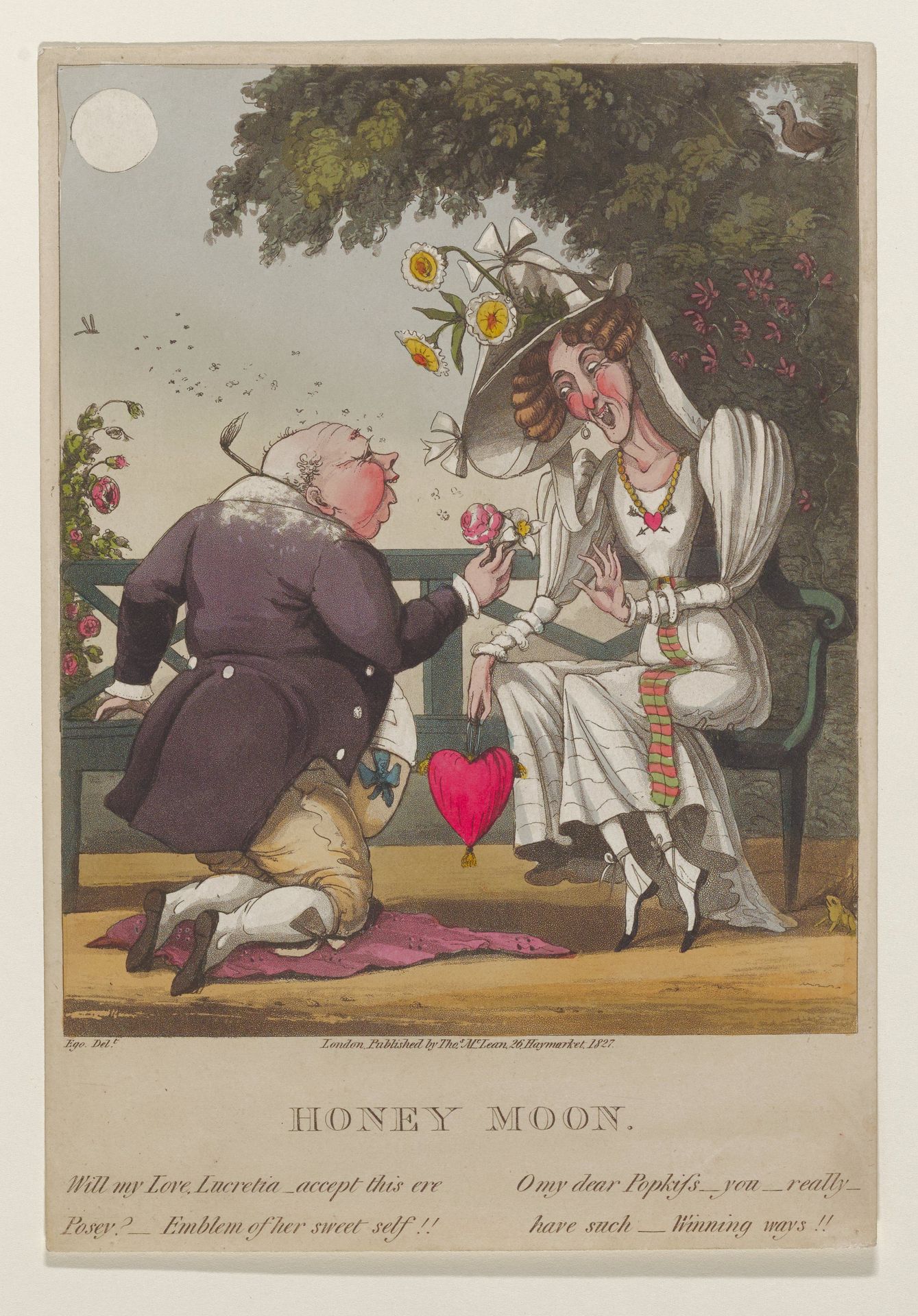
This hand-colored etching, titled "Honey Moon," was made in London in 1827 by an artist known only as Ego. It offers us a glimpse into the social dynamics of marriage and class in early 19th-century England. The image presents a satirical view of a newlywed couple. We see an older, overweight man kneeling before a slender, younger woman, presumably his bride. Note the exaggerated features, the man's powdered wig, and the woman's elaborate hat, adorned with flowers. These visual cues suggest a critique of social climbing and the transactional nature of marriage. The text below the image further emphasizes the artificiality and unequal power dynamics within this relationship. What makes this image particularly interesting from a social history perspective is its commentary on the institution of marriage. Researching popular prints and caricatures from this period can help us understand how artists used humor and satire to critique societal norms and power structures. "Honey Moon" invites us to consider the complex interplay of love, money, and social status in 19th-century British society.