About this artwork
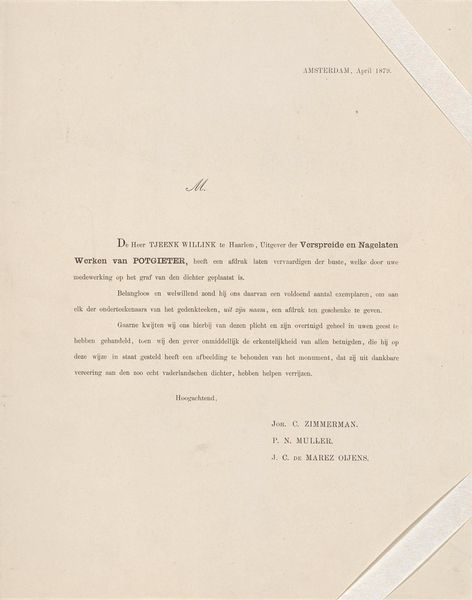
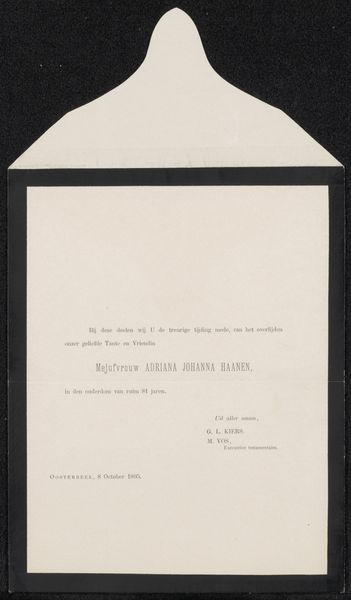
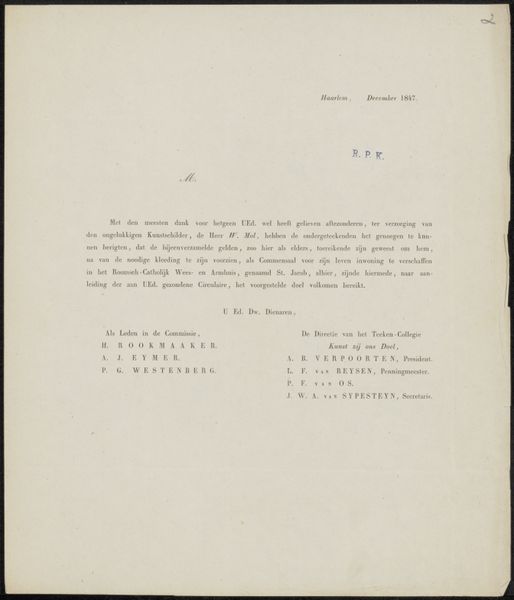
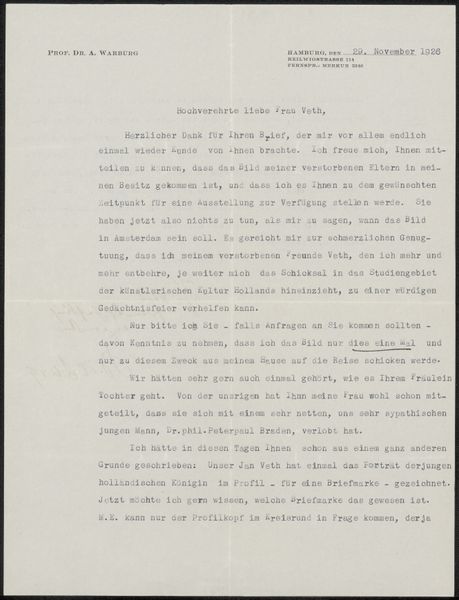
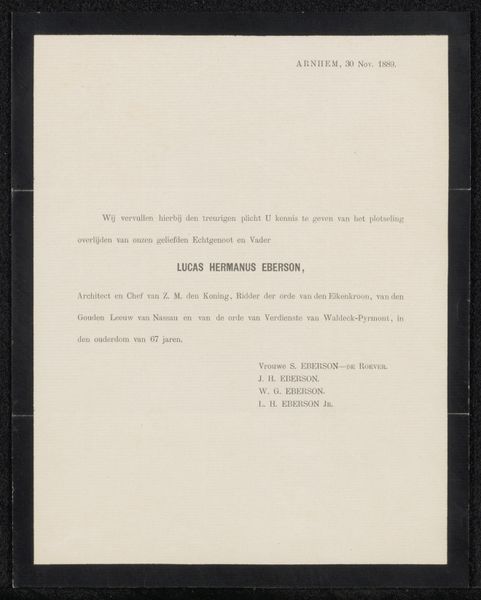
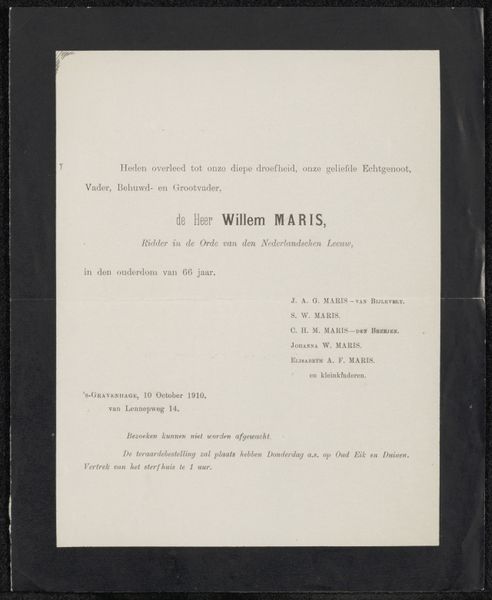
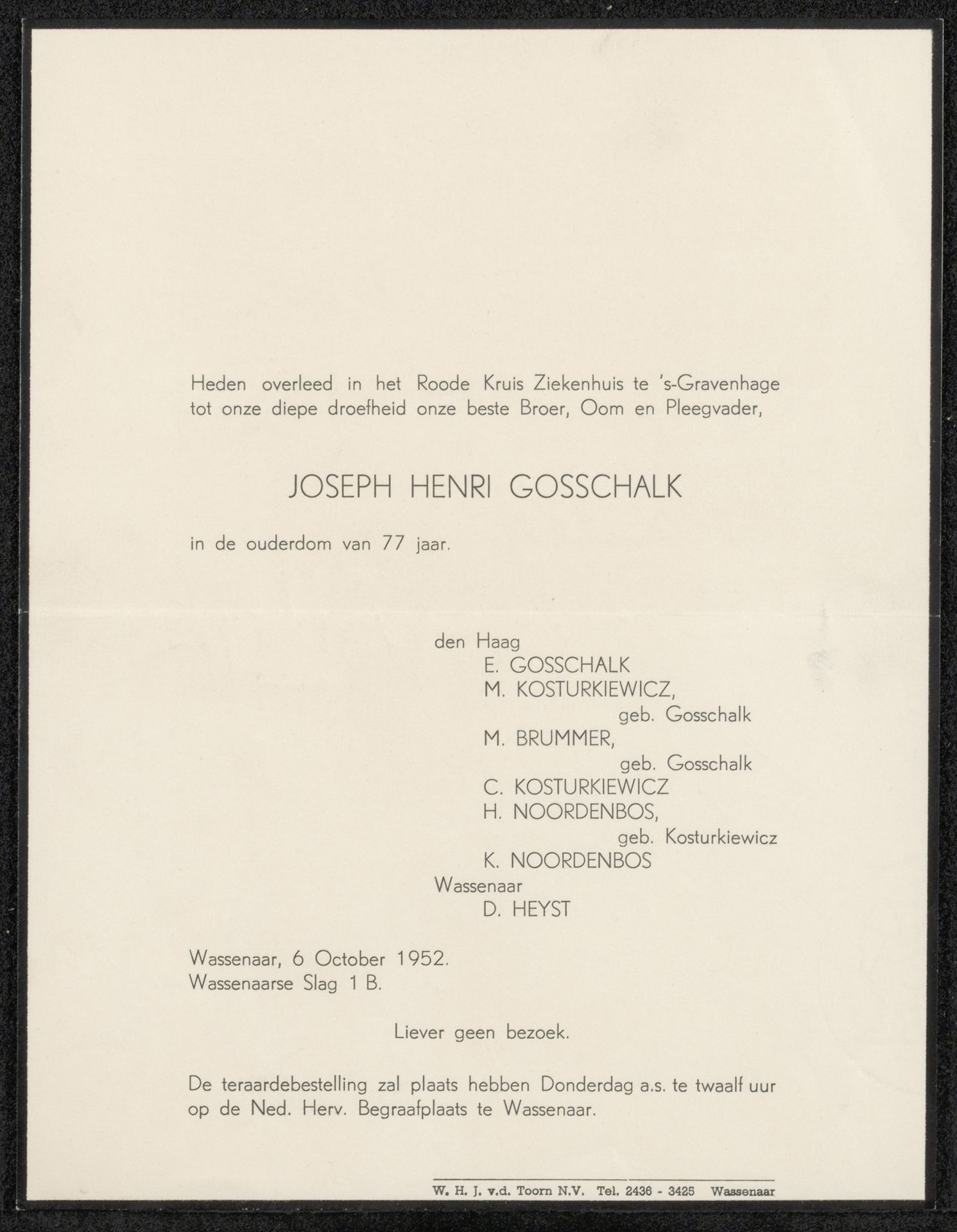
This death announcement, likely produced in 1952, is a printed card. The offset lithography, with its clean type on light card stock, suggests a society rapidly rebuilding after the war. Unlike the hand-lettered announcements of previous eras, this notice speaks to the depersonalization that accompanied the rise of mass media. There is a contrast between the somber message and the crisp, almost cheerful design. Consider the labor involved: the typesetter carefully arranging the letters, the press operator overseeing the printing, and the delivery person who brought the finished cards to the family. Each of these steps represents a specific job, a cog in the machine of postwar capitalism. Even in mourning, the wheels of industry keep turning. It also begs the question, was the card part of a suite of items? Did it come with a letter, or a thank you note? What other ephemera accompanied this card that may further provide insight into the life of the deceased? In the end, this simple card is not just a message of loss, but a testament to the changing modes of production and social connection.
Overlijdensbericht aan jonkheer Hendrik Teding van Berkhout (1879-1969)
Possibly 1952

Artwork details
- Medium
- paper, typography, poster
- Copyright
- Rijks Museum: Open Domain
Tags
aged paper
old engraving style
paper
text
typography
poster
Comments
Be the first to share your thoughts about this work.
About this artwork
This death announcement, likely produced in 1952, is a printed card. The offset lithography, with its clean type on light card stock, suggests a society rapidly rebuilding after the war. Unlike the hand-lettered announcements of previous eras, this notice speaks to the depersonalization that accompanied the rise of mass media. There is a contrast between the somber message and the crisp, almost cheerful design. Consider the labor involved: the typesetter carefully arranging the letters, the press operator overseeing the printing, and the delivery person who brought the finished cards to the family. Each of these steps represents a specific job, a cog in the machine of postwar capitalism. Even in mourning, the wheels of industry keep turning. It also begs the question, was the card part of a suite of items? Did it come with a letter, or a thank you note? What other ephemera accompanied this card that may further provide insight into the life of the deceased? In the end, this simple card is not just a message of loss, but a testament to the changing modes of production and social connection.
Comments
Be the first to share your thoughts about this work.