About this artwork
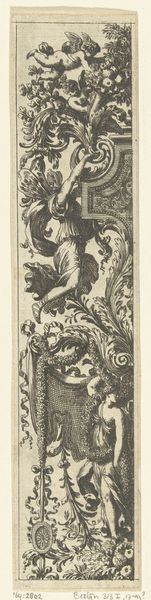
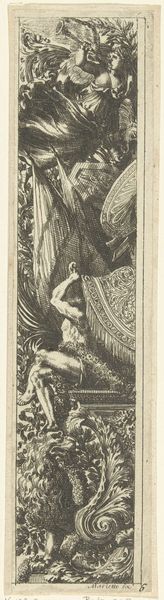
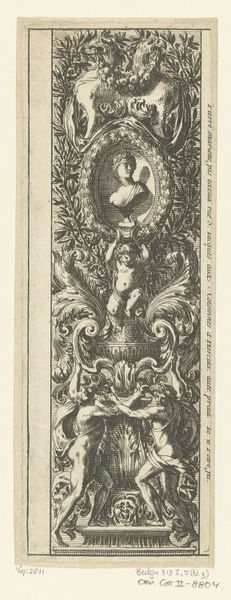
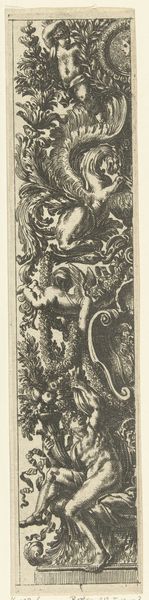
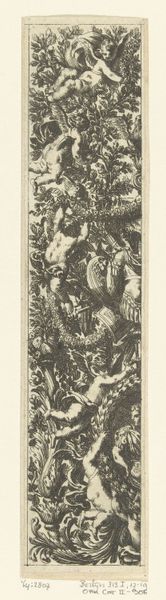
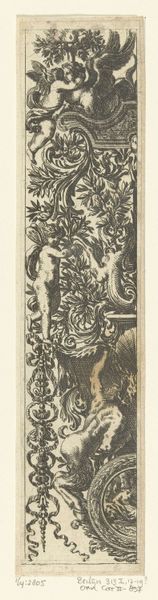
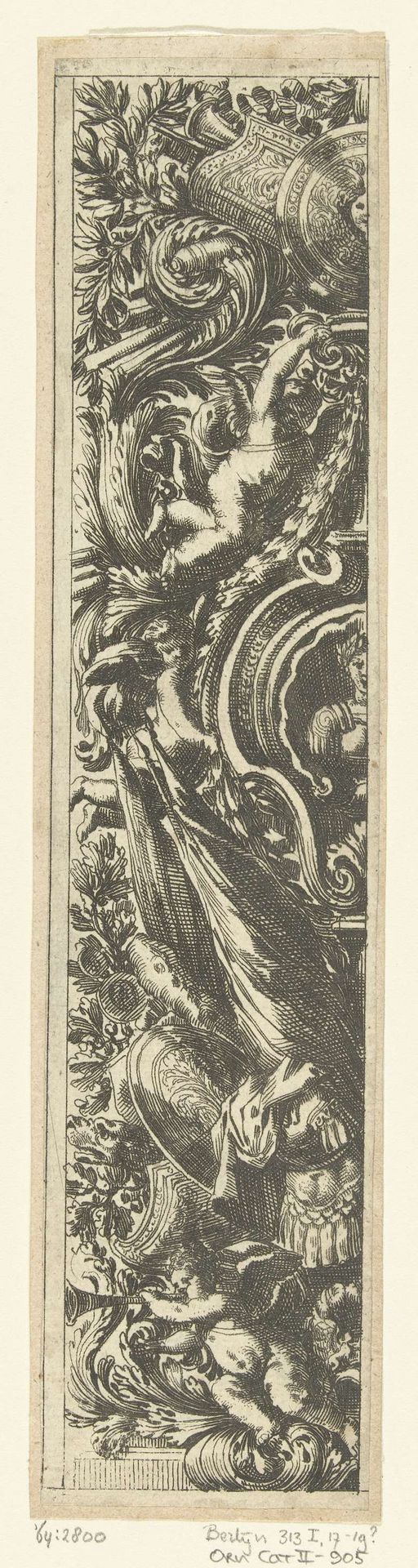
This panel with an emperor’s bust was etched by Jean Lepautre in the 17th century. The panel overflows with symbols of power and glory, like trophies and putti, evoking the grandeur of the Roman Empire. Notice how the putto motif, derived from classical antiquity, reappears throughout Renaissance and Baroque art, embodying innocence, but also acting as a symbol of divine love. These cherubic figures transcend religious and mythological contexts, echoing through time. The armor worn by the emperor is not just protection; it's a statement. Armor appears throughout history, from ancient Greek sculptures to medieval knights, each time reflecting a culture's values of defense, honor, and might. The emotional resonance of armor lies in its dual nature: protection and constraint. It speaks to the human desire for security while acknowledging the burden of power. The cyclical nature of symbols continues, each era reinterpreting and imbuing them with new significance.

Artwork details
- Medium
- drawing, print, engraving
- Dimensions
- height 220 mm, width 50 mm
- Location
- Rijksmuseum
- Copyright
- Rijks Museum: Open Domain
Tags
drawing
baroque
pen drawing
pen illustration
pen sketch
line
engraving
Comments
Be the first to share your thoughts about this work.
About this artwork
This panel with an emperor’s bust was etched by Jean Lepautre in the 17th century. The panel overflows with symbols of power and glory, like trophies and putti, evoking the grandeur of the Roman Empire. Notice how the putto motif, derived from classical antiquity, reappears throughout Renaissance and Baroque art, embodying innocence, but also acting as a symbol of divine love. These cherubic figures transcend religious and mythological contexts, echoing through time. The armor worn by the emperor is not just protection; it's a statement. Armor appears throughout history, from ancient Greek sculptures to medieval knights, each time reflecting a culture's values of defense, honor, and might. The emotional resonance of armor lies in its dual nature: protection and constraint. It speaks to the human desire for security while acknowledging the burden of power. The cyclical nature of symbols continues, each era reinterpreting and imbuing them with new significance.
Comments
Be the first to share your thoughts about this work.